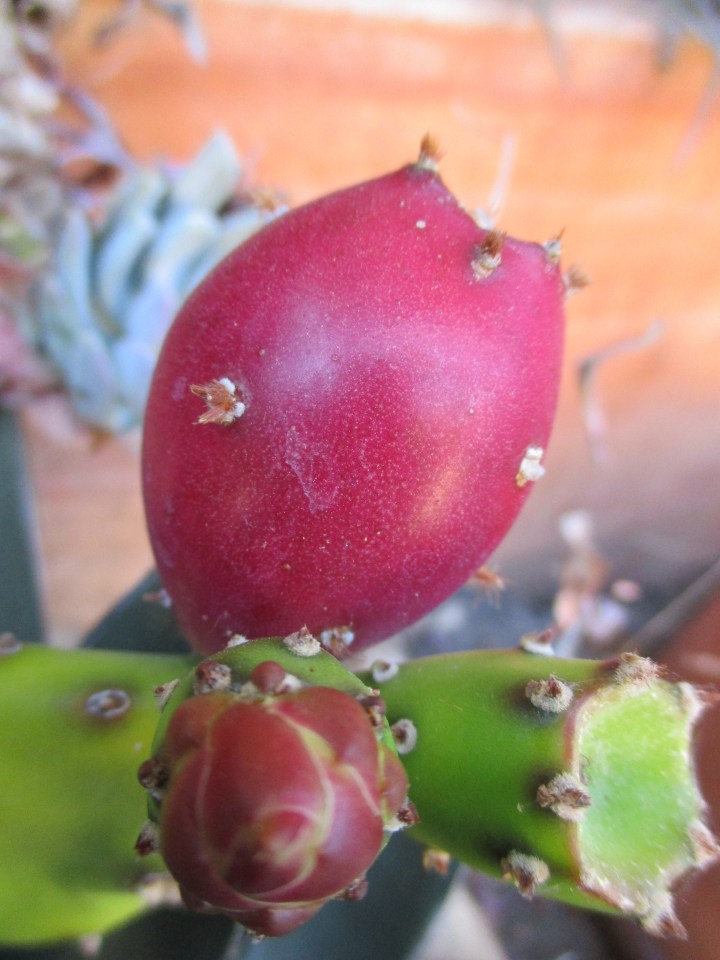
 Those of us who grew up with the old fashioned stone fruit orchards or vineyards might remember some of the traditional methods for protecting the ripening fruit from birds. Mulberry trees were grown on the corners of some orchards to keep birds well fed and less hungry for the ripe orchard fruit. Mulberry cultivars were selected to ripen just prior to the fruit within the particular orchards.
The trees were not there to produce fruit to be harvested like the fruit within the orchards was. Most, but not all of what the birds did not consume fell to the ground and rotted. Only small quantities of the overly abundant fruit was taken by a few neighbors who made jam or syrup with with it. Mulberries were a byproduct of the orchards that some put to good use just because it was available.
Decades ago, it was much easier to get a bit of fruit from neglected or naturalized fruit trees in rural regions and on roadsides without offending anyone. Isolated remnants of the old fruit orchards were common. American plum, which had been used as understock for orchard trees, had naturalized in some regions. For those daring enough to harvest them, so had Himalayan blackberry.
Even now, we can find a bit of fruit where do not expect it to be. A few plants that are grown more for their visual appeal can be surprisingly generous with their fruit production. Pineapple guava, which is now popularly grown as a simple evergreen hedge, used to be grown instead for its small tart guavas. Purple leaf plum, as it matures, may not be quite as fruitless as it is purported to be.
The difficulty with the more unfamiliar types of fruit is finding practical uses for it. The native blue elderberry makes excellent jelly or syrup, like black elderberry, but not many of us even know it is edible once cooked. Australian brush cherry, strawberry tree, English hawthorn and ‘Majestic Beauty’ Indian hawthorn, are never overly productive, but might sometimes make enough fruit for jelly.
Of course, no unfamiliar fruit or nut should be eaten prior to confirmation that it is safe for consumption.
 Growing fruit trees is quite a bit of work. While producing, some of the fruit trees need nearly as much attention as annual vegetable plants in the vegetable garden. Then, while dormant, they need meticulous and specialized pruning. Some fruit trees get damaged by insect or disease infestation, or severe weather. Some fruit can get taken by wildlife. Yet, for most of us, the reward of fresh fruit is worth all the hard work that goes into growing it.
 It may not be the mother of all lemons, but Lisbon lemon, Citrus limon ‘Lisbon’, is the original cultivar from which ‘Eureka’ lemon was derived; and ‘Variegated Pink’ lemon was later derived from ‘Eureka’ lemon. ‘Variegated Pink’ is still uncommon, and the pink juice is unusual, but because its variegated foliage is less efficient than greener foliage, it is more manageable in small spaces.
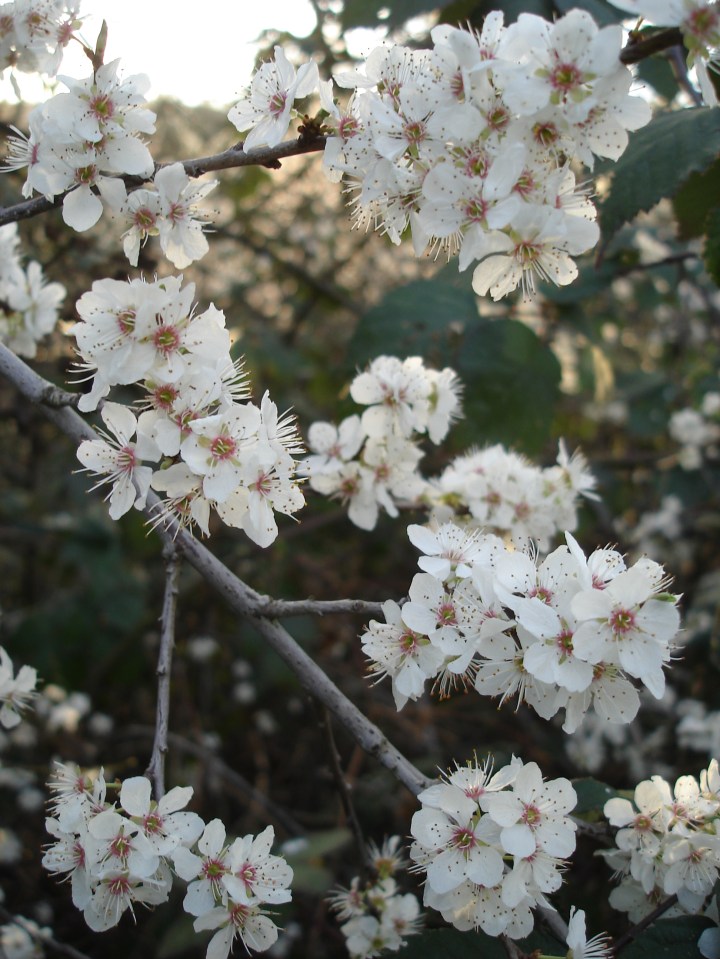 Unlike all the fancy and popular Japanese plums and European prunes, wild plum, Prunus americana, is almost never planted intentionally. It is a common understock for the more desirable types, and usually grows as suckers from below graft unions. In fact, it often grows from the roots of plum or prune trees that died or were cut down earlier. They can eventually form thickets.
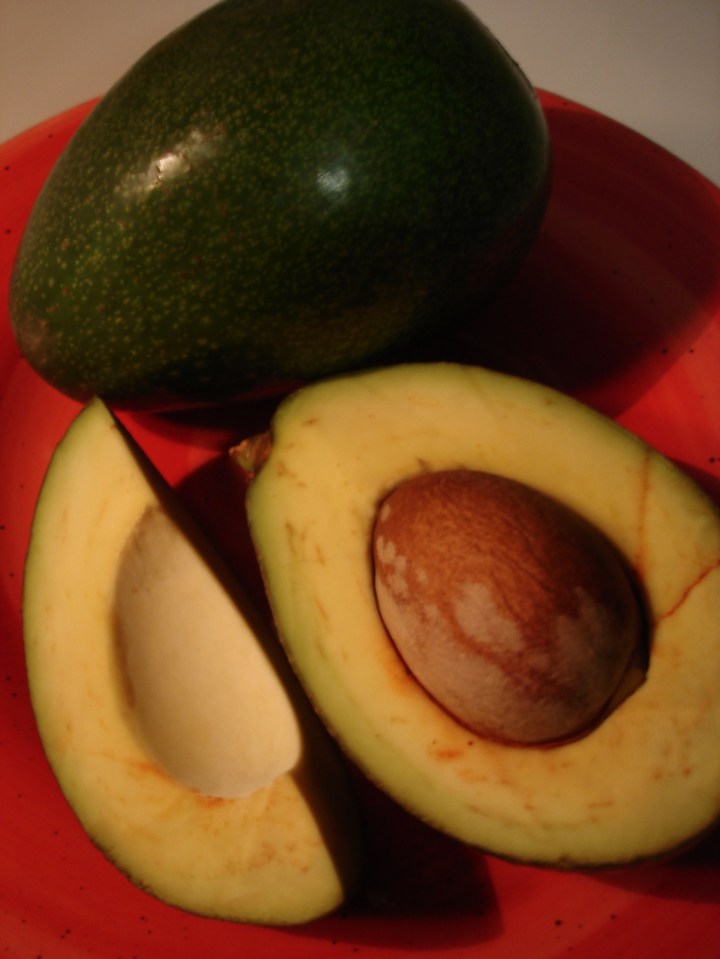 Avocado trees, Persea americana, grown from seed need to be about five years old to produce fruit that can be considerably different from the fruit from which the seed was taken, although such fruit is almost always quite good. Some trees need to be twice as old to produce. Grafted trees from nurseries are specific varieties that can start to produce their specific fruit immediately.
 Climate is what makes gardening so excellent here. It is just warm enough in summer for plants that like a bit of heat, but not too unbearably hot for too long. It is just cool enough in winter for plants that like a chill, but not cold enough for hard frost or heavy snow. The climate is also comfortable for us while out in the garden! Yet, even local climate is neither perfect nor predictable.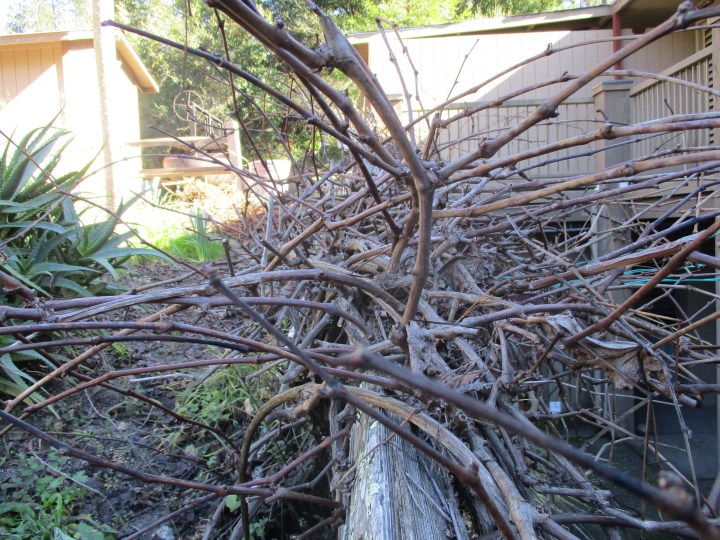


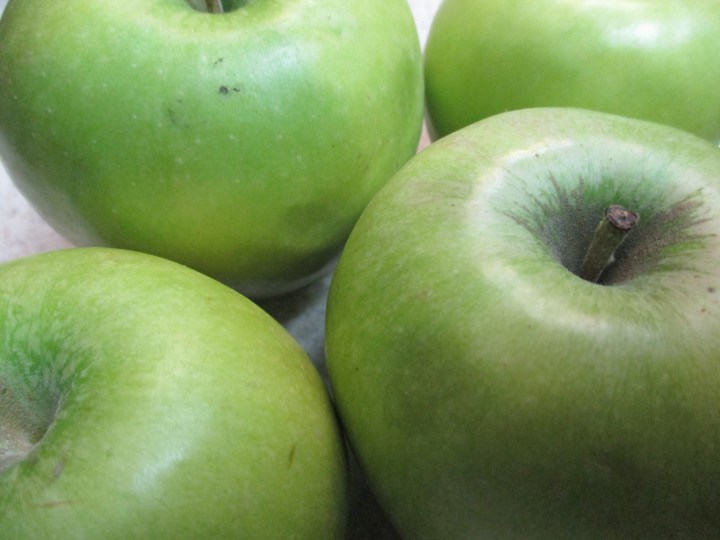 Some of us who enjoy gardening may not like to admit how useful the internet can be. There is a lot of bad information out there. There is also some degree of good information. It is impossible to fit much information about apples into just a few brief paragraphs. Therefore, the internet is likely the best source of information about the countless cultivars and specie within the genus of Malus.
 The vast orchards of the Sacramento and San Joaquin Valleys might make the impression that production of fruit is easy. The trees naturally bloom in spring, and develop fruit over summer, as if they do most of the work prior to harvest. In reality, those trees have been so extensively bred to maximize production that they need, among other maintenance, very specialized pruning in winter.
 Tony Tomeo