Among citrus, limes are the most diverse. They include more species and hybrids than other types of citrus. Only a few of countless cultivars from centuries of development are available here. Yet, each of these few is very distinct from the others. Most provide juice for culinary application. At least one provides herbal foliage. Few limes are eaten intact.
Dwarfing understock is one commonality of almost all home garden lime trees. Not many grow more than twelve feet tall. With occasional pruning, most might stay less than eight feet tall. All have bright green evergreen foliage and small white flowers. Most have tiny but sharp thorns. Some are more bothersomely thorny. Fruit is green or greenish yellow.
‘Bearss’ lime is the most popular. Its ripe fruits are about three inches long, and resemble greenish lemons. ‘Mexican’ lime provides fruits that are about an inch and a half wide, on thorny stems. ‘Palestine’ lime is thorny also, with round and yellowish fruit that is edible intact. ‘Rangpur’ lime produces bright orange fruit because it is really a sour mandarine.
Winter is bare root season, which is the best time for installation of deciduous fruit trees. It is also the best time for dormant pruning of deciduous fruit trees. Evergreen fruit trees do not get much attention. Installation and any pruning of evergreen fruit trees happens after winter. However, regardless of perceived neglect, winter is actually citrus season.
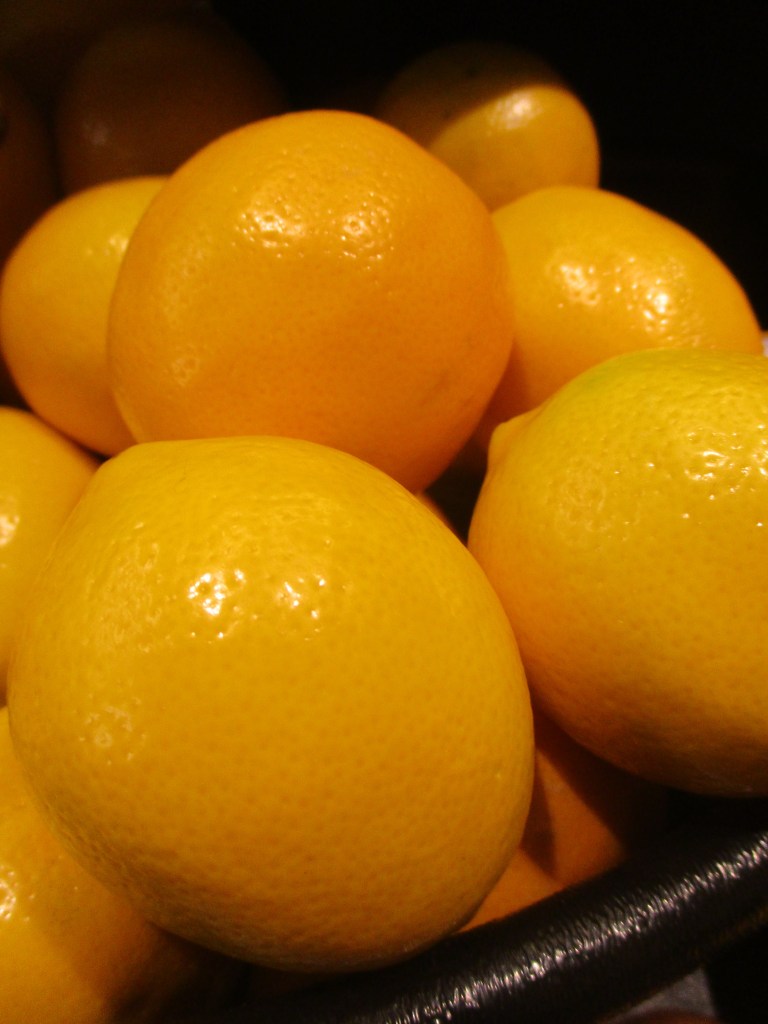
Technically, citrus are always in season here. That is because most citrus fruits last so long on their trees after ripening. Also, some types produce a few fruits sporadically after their primary season. The latest ‘Lisbon’ lemons can still be good as the earliest of the following season ripen. ‘Eureka’ lemons ripen in minor phases after their primary phase.
Therefore, winter is citrus season merely because it is when most citrus fruit ripens. The schedule is ideal. It begins as pear and apple season finishes. It finishes as cherry and apricot season begins. Pears and apples, and especially cherries and apricots, are less predictable than citrus. Fortunately, citrus can begin a bit early or finish late if necessary.
All citrus are species or hybrids of the same genus of Citrus. Kumquats also classify as Fortunella though. The primary components of the flavors of their fruits are sweet, sour and bitter. The most familiar oranges are sweet oranges, but sour and bitter oranges also exist. Most lemons and limes are sour, but there are also sweet lemons and sweet limes.
Oranges, which are generally sweet oranges, are the most popular citrus. Navel oranges are traditional eating oranges. ‘Valencia’ is a traditional juicing orange. Blood oranges are a bit more tart, with blushed or red flesh and juice. ‘Seville’ sour orange is useful for marmalade. Rare bitter oranges provide flavoring for teas, and fragrance for perfumery.
Lemons are the second most popular citrus. Mandarin oranges, or mandarines, should probably be more popular. They are the more perishable of citrus though, because their rinds are relatively loose. Tangerines are merely mandarines of the Americas. ‘Rangpur’ lime is a sour mandarine. Real limes are very diverse, but mostly ripen greenish yellow. Grapefruits combine sweet, sour and bitter.
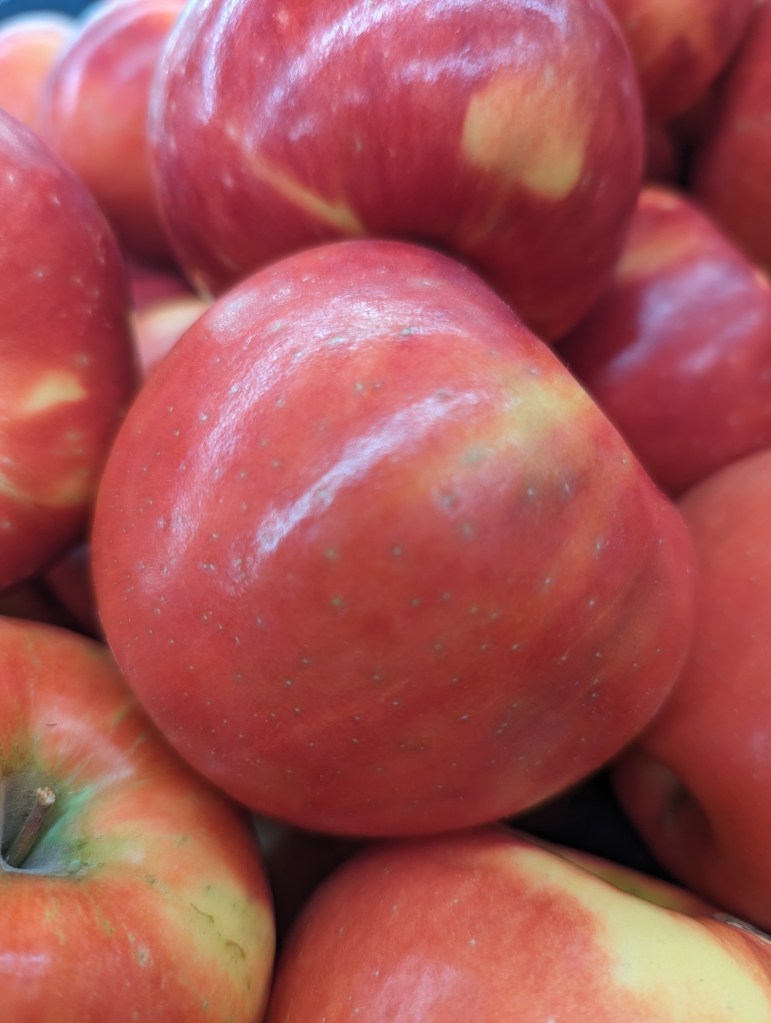
Apples are amazingly diverse. They have been in cultivation for thousands of years. Too many cultivars to document developed during that time. Some ripen as early as summer, while others ripen for late autumn. Some are best for eating fresh, while others are better for cooking, baking or juicing. Some are sugary sweet, while others are impressively tart.
Malus domestica is the general botanical name for most domesticated apples. However, this classification includes countless hybrids of a few species. Some are products of very extensive breeding. Most can grow as large as small shade trees. Grafting onto rootstock limits their size accordingly. Most ‘semi dwarf’ home garden trees are relatively compact.
Apple trees bloom with small but profuse and brilliant white flowers for spring. Flowering crabapple trees generally bloom pink or reddish pink, but produce dinky fruit. Otherwise, apples are about as big as baseballs. Some are significantly bigger or smaller. They can be variable shades of red, yellow or green. Some are striped or blushed with two colors. Their deciduous foliage turns yellow through autumn, and defoliates through winter.
Bare root season begins as the year ends for a simple reason. That is when deciduous plants are dormant. They are unaware of the otherwise distressful process of relocation. This is also why winter is the season for dormant pruning. Such pruning would be very distressful at any other time of year. While dormant, deciduous plants are unaware of it.
Dormant pruning of fruit trees is also important for a simple reason. Extensive breeding has increased reliance on horticultural intervention. In other words, deciduous fruit trees now generate more fruit than they can support. Their fruit is both unnaturally abundant and unnaturally large. It is both too heavy and too consumptive for its unpruned stems.
Dormant pruning enhances the quality of fruit by concentrating resources. Although less copious, fruit is bigger and better. Also, dormant pruning enhances structural integrity of supportive stems. Although more vigorous, vegetative growth is more compact. Stouter stems endure less leverage from fruit weight. As a bonus, more fruit is easier to reach.
Almost all deciduous fruit trees require very specialized dormant pruning. This includes some nut trees, as well as grapevines, kiwi vines, cane berries and roses. However, it does not include evergreen fruit trees, like citrus and avocados. They do not need such aggressive pruning. Besides, pruning stimulates new growth that is vulnerable to frost.
Unfortunately, dormant pruning is too specialized to describe in a few paragraphs. For most deciduous fruit trees, it is quite aggressive. Peach and nectarine trees may benefit from removal of half of their stem growth! Apricot and plum trees need a bit less pruning. Cherry and almond trees may need only minor pruning. Yet, all six are stone fruit trees.
Apple, pear and quince are all pomme fruits. Their trees require similar dormant pruning. Their many varieties require various degrees of such pruning though. Fig, mulberry and persimmon trees all require particular types of dormant pruning as well. Deciduous fruit trees are certainly not low maintenance. This should be considered before planting any.
Spring is when most rodents are most active. Although they do not hibernate locally, they are a bit less active through winter. Their activity increases with warming spring weather. Their progeny increases their population. Assorted fresh vegetation that sustains them is most abundant. Their activity decelerates slightly through summer because of predation.
Although they may be no more active now than they had been, their activity is changing. Rodents are aware that it is now autumn, and that they must prepare for winter. They eat seeds and fruits that are naturally available at this time of year. Some rodents store food. It is no coincidence that vegetation naturally provides what they need, when they need it.
For example, oaks exploit the natural activity of squirrels for the dispersion of their seed. Annually, they produce acorns to sustain a particular population of squirrels. Then, every several years, they produce too many for the squirrels to eat. The squirrels naturally bury more acorns than they can retrieve later. The surplus acorns remain buried to germinate.
Similarly, rodents consume autumn fruit, such as apples and pears, and store their seed. They are likely less numerous than they were earlier in the year, but consume more now. They naturally fatten up so they may eat less while food is less abundant through winter. Also, they naturally migrate from gardens into warmer and drier home interiors for winter.
This is one of several reasons why sanitation within the garden is so important. Removal of unharvested fruit makes gardens less attractive to rodents. They may find sustenance on compost piles, but may not dig too deeply into them. Deteriorating pruning scraps can provide them with shelter from weather and predators. Cleanliness is a deterrent to them.
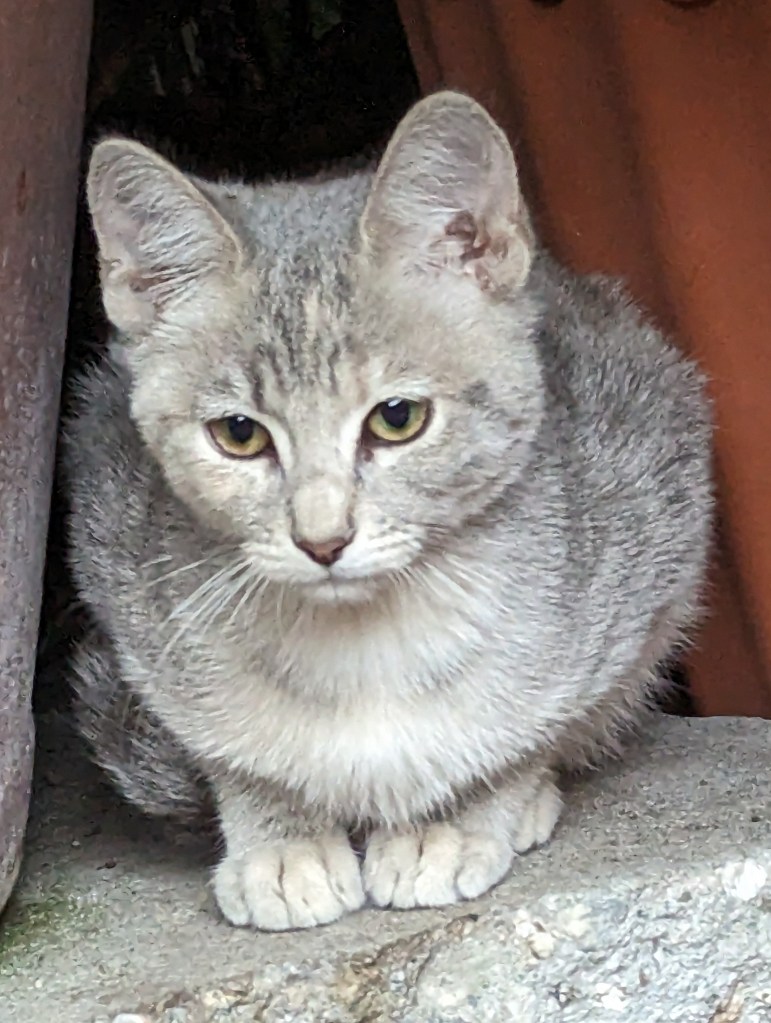
Deterrent is safer than eradication. Traps and poisons are potentially dangerous for pets and people. Poisoned rats and mice may poison predators or scavengers who eat them. Cats are very efficient at both deterrent and eradication of rodents. However, they require major commitment for many years. They can do nothing outside if confined to their home.
(This is an old article with outdated information.)
The vast orchards that formerly inhabited the Santa Clara Valley were here because this is among the best places on Earth to grow apricots, cherries, prunes, almonds and walnuts. Actually, there are not many fruit trees that would prefer to be somewhere else. Home gardens continue to produce the many traditional fruits, as well as many other types of fruit that were not so common in the orchards; such as citrus, figs, apples, pears, persimmons, avocados, peaches, nectarines and too many more to fit into a brief list.
Those of us who enjoy growing fruit trees do not need to be reminded of how well they do here. Some trees produce too much and can become overwhelming. It is not always possible to can, dry, freeze or share with friends and neighbors all the fruit from the more productive trees. Leaving the fruit out in the garden is not only wasteful, but also bad for the garden, attractive to vermin, very messy and smelly.
Besides, there are other people in the community who could use it. During this past year, Village Harvest has harvested from local gardens, and distributed to those who can use the produce, approximately 156,000 pounds of fruit. The record for distribution of produce may be exceeded this year after apples, persimmons and citrus are harvested.
Volunteers make Village Harvest possible, by collecting excessive fruit from home gardens. Some of the people with productive trees like to retain some of the fruit. Volunteers are also welcome to take some of the fruit. The vast majority of fruit gets dispersed to others in the community who can use it.
The next apple harvest event in the Cupertino orchard on October 22 may no longer be able to accommodate additional volunteers; but the next major apple harvest in the Woodside Orchard on October 29 may still be in need of volunteers. Harvests take about three and a half to four hours, between 9:00 a.m. and 12:30 p.m.. Volunteers must be at least sixteen years old.
Volunteers can register for harvest events, or get more information at villageharvest.org. Early registration is recommended since space is limited. Volunteer instructions, including meeting location addresses will be e-mailed to volunteers a few days prior to each event. Those of us with excessively productive fruit trees who happen to be within range of harvest events can possibly make arrangements to get fruit harvested.
The next few neighborhood harvests will be on October 25 in Central San Jose, October 31 in Sunnyvale, November 1 in Central San Jose, November 6 in Mountain View, November 8 in Central San Jose, and November 14 in Sunnyvale. Sunnyvale harvests begin at 8:00 a.m.. Some harvests are repeated. For example, the Central San Jose harvests are weekly on Tuesday.
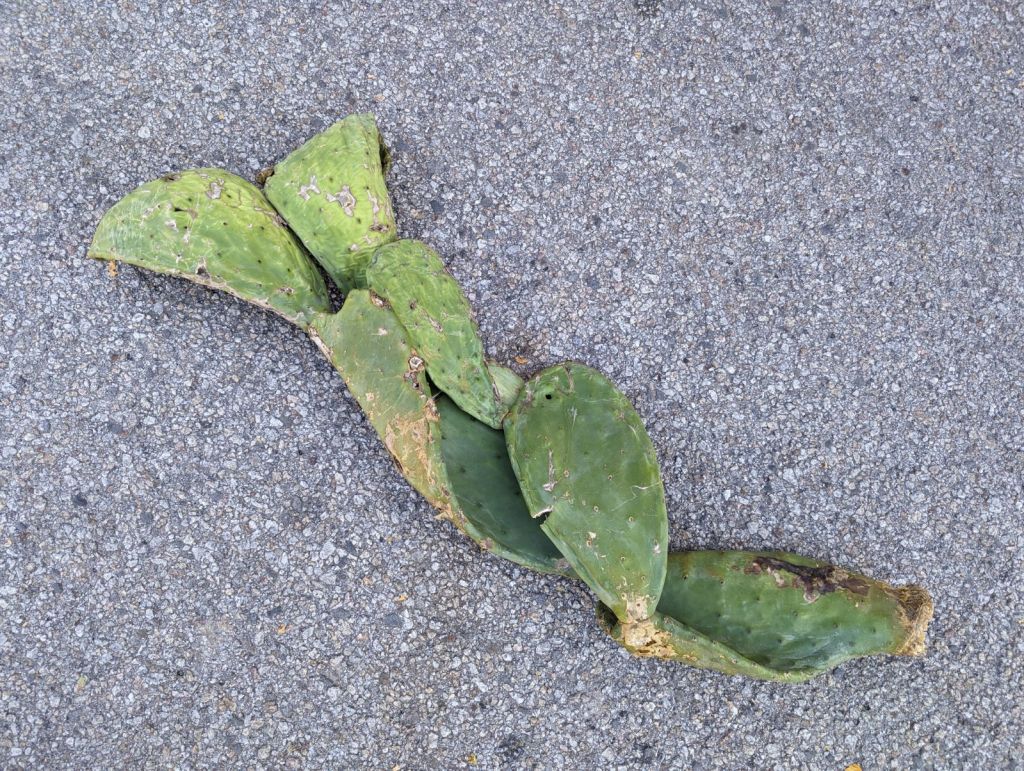
It is certainly no pear, and its particular cultivar is not overly prickly. Nonetheless, it is commonly known as ‘prickly pear’. It is also known as ‘Indian fig’, but is neither a fig, nor from India. The Mexican Spanish name for its fruit is ‘tuna’, but in American English, that seems fishy.
However, within its proper linguistic context, ‘tuna’ would be the least misleading of the common names of the fruit of ‘nopal’. ‘Nopal’ is the common name of various species of Opuntia, many of which are popularly grown as vegetables. ‘Nopales’ are plural. ‘Nopalitos’ are sliced or otherwise processed as small bits for culinary application.
Anyway, this shabby bit of nopal appeared within our big greenwaste pile at work. I find it annoying when neighbors exploit our greenwaste pile for disposal of greenwaste that is obviously not from our landscapes, as if I will not notice. Such debris often includes dirt and other crud or even trash that can not be chipped, and is almost never staged to facilitate efficient chipping.
This was quite a find though. It can be cut into six separate pieces to be plugged in between the five Arizona cypress that I installed as an informal hedge along the outer road. I would not have considered doing so if this had not appeared unwanted on our greenwaste pile. Nopal that I plugged a bit farther out, closer to the road, were shredded by weed whackers on a few occasions until they ultimately succumbed.
I already grow one unidentified cultivar of nopal for its eventual production of rich red tuna. I have no idea what this new acquisition is either, and it could be the same as what is already here, but I sort of hope that it produces yellow or gold tuna with milder flavor.
Without proper pruning, cane berries become wicked thickets.
Given the opportunity, blackberry and raspberry canes become rampant thickets. The trick is to keep them contained and controlled so that they can produce berries without conquering the garden. Besides, proper pruning promotes production. Properly maintained canes are therefore both better behaved and more productive
Berry canes are certainly not low maintenance, and should be selectively pruned a few times through the year. The type of pruning needed is determined by the type of growth that the canes exhibit in particular seasons. Spent canes or upper portions of everbearing raspberry canes that produced berries through summer and early autumn will need to be removed by the end of winter while new canes that grew through this year get trained to replace them.
Pruning and thinning of new canes should be delayed until the end of winter; but removal or pruning of spent canes can begin as soon as their fruit gets depleted. Spent canes of traditional summer bearing raspberries like ‘Willamette’, ‘Tulameen’ and ‘Canby’ can be pruned to the ground. ‘September’, ‘Heritage’, ‘Summit’, ‘Fallgold’ and other everbearing raspberry canes should be pruned only as low as their fruit was produced. Lower portions that did not produce fruit should be left to bloom and produce berries next spring.
Just like raspberry canes, new blackberry canes that grew this year do not need to be pruned until late winter. However, the canes that grew last year and are finishing berry production this year can be pruned to the ground as their last berries get taken. There is no rush for this procedure, but getting it done early makes later pruning of new canes for next year a bit easier.
Of course, every different cultivar (cultivated variety) of raspberry and blackberry behaves differently. Some finish producing and are ready to be pruned sooner than others. Their behavior is also affected by climate and environmental conditions, so that the same variety may be earlier or later in different areas, or even different parts of the same garden.
Favorite berry canes are very easy to propagate by division of superfluous new shoots during winter. Alternatively, spent canes that should be removed can be ‘layered’ instead. They simply need to be bent down and partially buried, and can be dug and separated as they develop roots.
The top few inches of cane should extend above the soil. At least a few inches of cane below the top should be buried a few inches below the surface of the soil. The length of cane between the buried portion and the base of the parent plant can remain exposed.
Layering can be done at any time of year if the layer (buried section of cane) gets watered while developing roots. Layering this time of year is easiest though, because layers get plenty of water from rain through winter, and develop roots most efficiently as they come out of dormancy late in winter or early in spring. If layers are buried where new plants are desired, they do not need to be dug and moved next year.
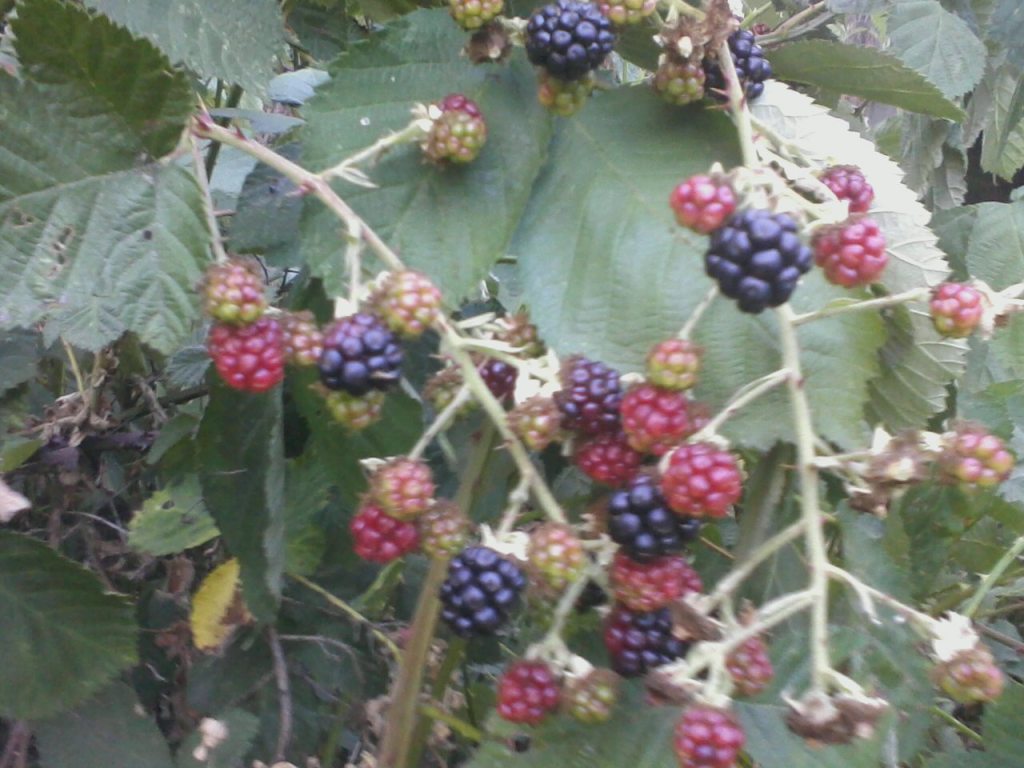
Blackberries are ripening slowly this year because of the mild weather.
Rampant brambles of feral blackberry, Rubus fruticosus, canes are much too common and give blackberries a bad reputation. Yet, with regular selective grooming and pruning, their biennial stems that emerge from woody perennial roots are both more productive and easier to contain than one would guess. ‘Primocanes’ grow rapidly to six to sixteen feet in the first year. In the second year, they become ‘floricanes’, which do not grow longer, but instead develop lateral stems that bloom and fruit. Only a few modern ‘fall bearing’ or ‘everbearing’ cultivars fruit on primocanes.
Canes are trailing, semi-trailing or erect. As the names imply, trailing types like ‘Marion’, ‘Boysen’ and ‘Olallie’, need support. They are the most popular locally because they are more productive. Erect types that need no support, like ‘Navaho’, ‘Choctaw’ and ‘Arapaho’, are less productive, but because they are more tolerant to frost, are more popular where winters are colder. Old classic blackberry varieties are quite prickly. Modern thornless varieties are becoming more popular as more varieties are developed. All have palmately compound leaves with five or seven leaflets. Simple small white or pale pink flowers that bloom late in spring are followed by the familiar blackberries that are ripening now.
Cane berries need aggressive pruning, but are no fun to prune.
All the raspberries and blackberries that are now ripening do not come without a price. The canes that produce them may grow like weeds, and in many gardens really are weeds, but they need quite a bit of work. Like the deciduous fruit trees that need such meticulous pruning while dormant in winter, berry canes need winter pruning while dormant, as well as summer pruning as the berries finish.
Blackberry canes that have produced fruit should be cut at the ground as the fruit gets depleted. Then, for ‘trailing’ varieties, about a dozen of the new canes that grew since spring should be selected, pruned to about six feet long, and trained onto the same supports that the removed canes used. ‘Semi-erect’ varieties need only about half as many canes, and get cut about a foot shorter. (‘Erect’ varieties that get cut even shorter are not common locally.) All other canes should be cut to the ground. Through the rest of summer, the pruned canes develop side branches which should eventually get pruned to about a foot long in winter to bloom and produce fruit next year; but that part must wait.
Summer bearing raspberries, like ‘Willamette’, ‘Tulameen’ and ‘Canby’, do not need to develop side branches to produce fruit next year, so do not necessarily need to be groomed of spent canes and pruned just yet, and can actually wait until winter. Everbearing raspberries like ‘September’, ‘Heritage’ and ‘Fallgold’, are not nearly so simple, although canes that were selected while young last winter and allowed to grow through summer likewise need no pruning just yet. The top portions of these canes will produce fruit later in autumn, and later in winter, get pruned down as low as fruit developed. However, the lower portions of older canes that fruited the previous year and got their tops pruned down last winter are now finishing their second and last phase of fruit production, so should get pruned out as they finish.



 Tony Tomeo