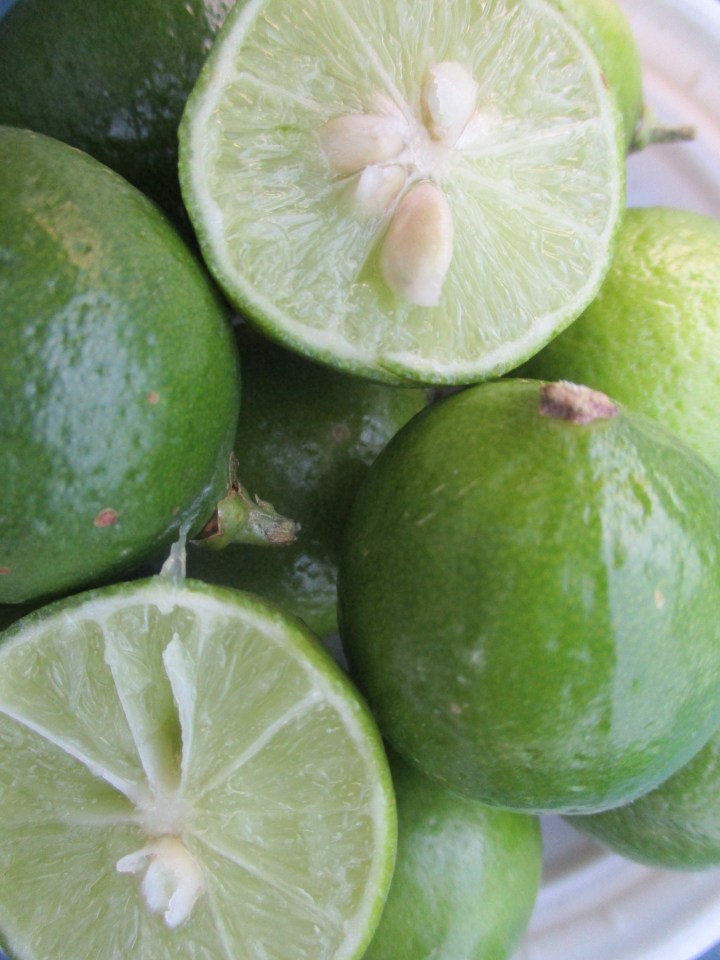
 Is it possible to grow citrus from seed? The quick and simple answer to that question is, “Yes.” After all, many cultivars of citrus were originally bred from other cultivars, and then grown from seed. But of course, this an overly simplified answer to an unrealistically simple question about a surprisingly complicated process. Perhaps a better question is “Should citrus be grown from seed?”.
Almost all citrus are grafted for a variety of reasons. Those that are not grafted are grown from cuttings only because they do not need whatever advantages understock (or rootstock) provides for their counterparts. Either way, they are all cloned by some form of vegetative propagation. This ensures that they are all genetically identical to their parents, without potential for genetic variation.
Citrus have been bred and developed so extensively that most types are very genetically variable. Those that are the most variable tend to produce fewer seeds, and might even be classified as seedless. Those with more seeds are probably more genetically stable. Nonetheless, it is impossible to predict if seed grown citrus will resemble their parents, or be something totally different.
Furthermore, citrus are cloned from ‘adult’ growth that is ready to bloom and develop fruit. Those grown from seed start out with vegetative ‘juvenile’ growth that will not bloom. Juvenile growth is typically more vigorous and thornier than adult growth, and possibly wickedly thorny! Some types of citrus outgrow their juvenile phase quite readily, while others may take several years to do so.
Avocado trees grown from seed exhibit some of the same difficulties. Although they lack thorns, they do grow very vigorously and very tall for quite a few years before they bloom. By the time they develop fruit, the fruit could be too high to reach, and quite different from the original.
Just because citrus and avocados can be grown from seed does not mean that they should be. However, different is not necessarily bad. Many seed grown avocado trees get pruned into
 What are they doing out there, in those two pots in the island of such a vast parking lot? It is hard to say from this distance. They are so isolated. They might be happy and healthy summer blooming annuals. They might just be weeds. They could be plotting World domination. Plants can do some weird things in isolation.
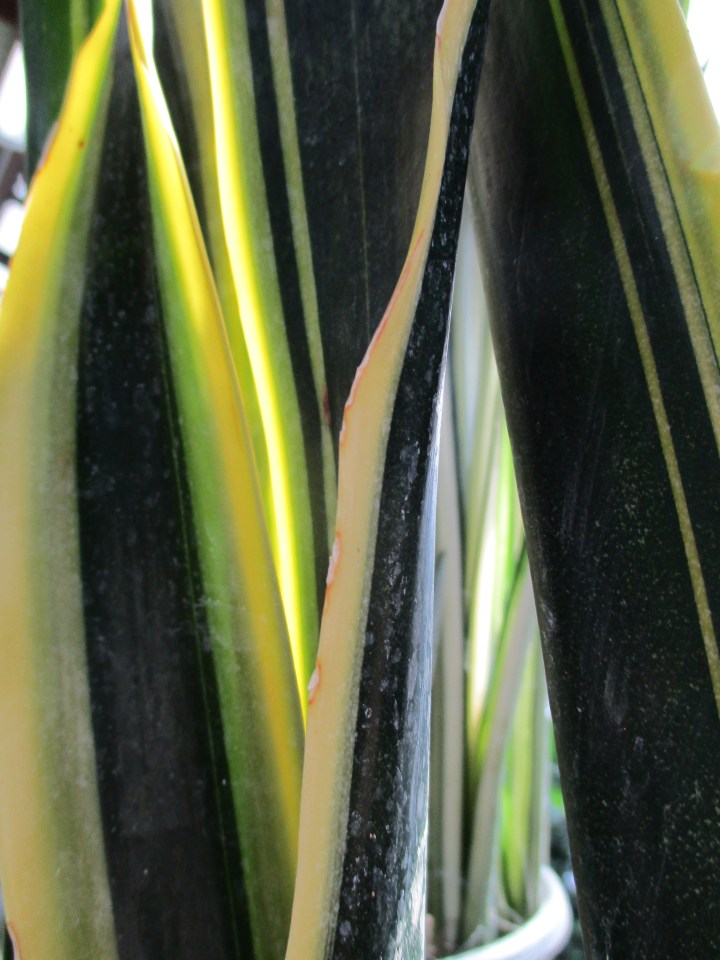 It is not science fiction. It involves neither ninjas nor turtles. Cultivars really are mutant plants that can only be propagated by cloning. The word ‘cultivar’ is a portmanteau (two words combined into a single word) of ‘cultivated’ and ‘variety’. Unlike other varieties of plants that can be perpetuated by seed, cultivars must be cultivated by unnatural techniques to maintain their genetic distinction.
 Tony Tomeo