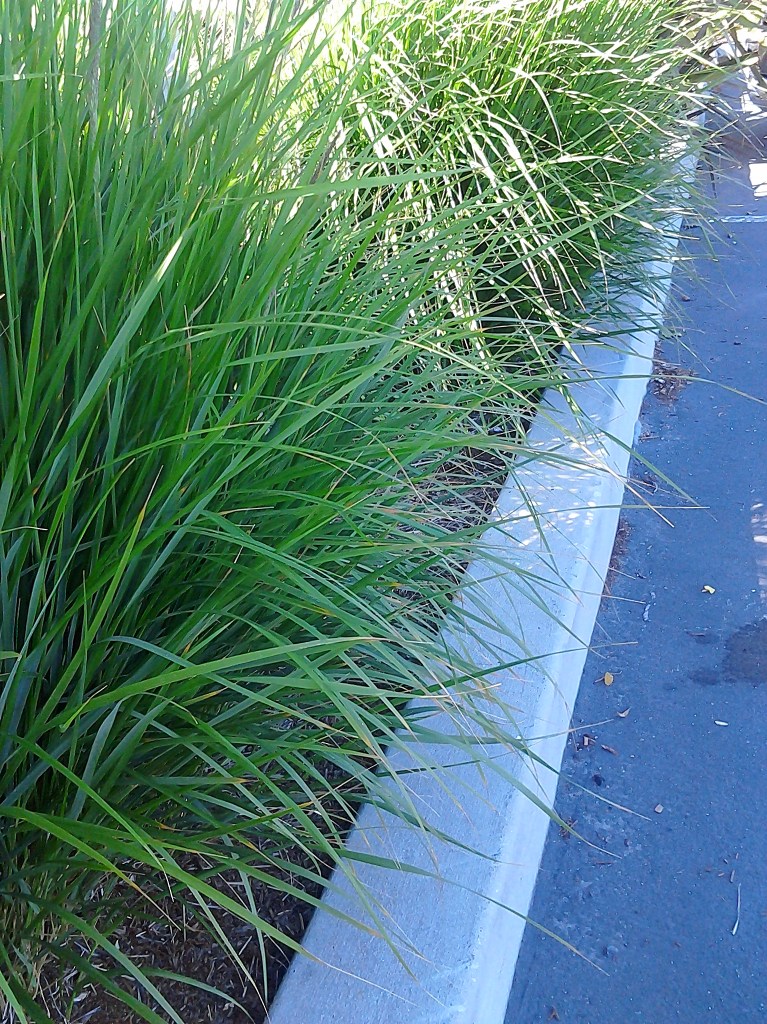
Parkstrips, those narrow spaces between curbs and sidewalks, are among the most awkward spaces in the garden. In urban areas with significant traffic, they are commonly paved over. Some neighborhoods, especially downtown neighborhoods, do not have parkstrips at all. Suburban neighborhoods though, often have wider parkstrips.
The difficulty with parkstrips is that there is so much happening around them. Cars get parked on one side. Pedestrians pass by on the other side. Driveways need to be kept clear at each end. Water meters and perhaps other subterranean utilities must be accessible.
Street trees are common features in parkstrips. They should have complaisant roots that will be less likely to displace the surrounding pavement and curbs, and high branch structure for adequate clearance above truck traffic on the roadways below. Ideally, street trees should conform with the neighborhood, and are often quite uniform. Selection of street trees should be a community effort where practical.
All other plants that go into parkstrips should be adaptable to confinement within the limited space available. They should not extend over curbs or sidewalks where they can scratch parking cars or be obtrusive to pedestrians. Parkstrip landscapes must also stay low enough so that they do not obstruct the view from cars backing out of driveways.
Because people regularly walk past or through parkstrips, thorny plants like cacti and roses should be kept back from the edges, or preferable not put into parkstrips at all. Large agaves and yuccas (with rigid leaves) are simply too big and dangerous for narrow parkstrips.
Contrary to the trend of planting vegetables in weird places, parkstrips are not good places for them either. The main problem is what dogs like to do in parkstrips. The second problem is that the good produce that might be out reach of dogs is within reach of everyone else walking or driving by. Reflected glare from all the surrounding pavement is a problem for plants that do not like harsh exposure.
Really, there are far more limitations on parkstrip landscaping than there are options. Turf grasses or tough ground cover that tolerates traffic, like trailing gazania, may seem to be a mundane, but they are practical. At least ground cover can be punctuated with clumping perennials like African iris, lily-of-the-Nile or blanket flower.


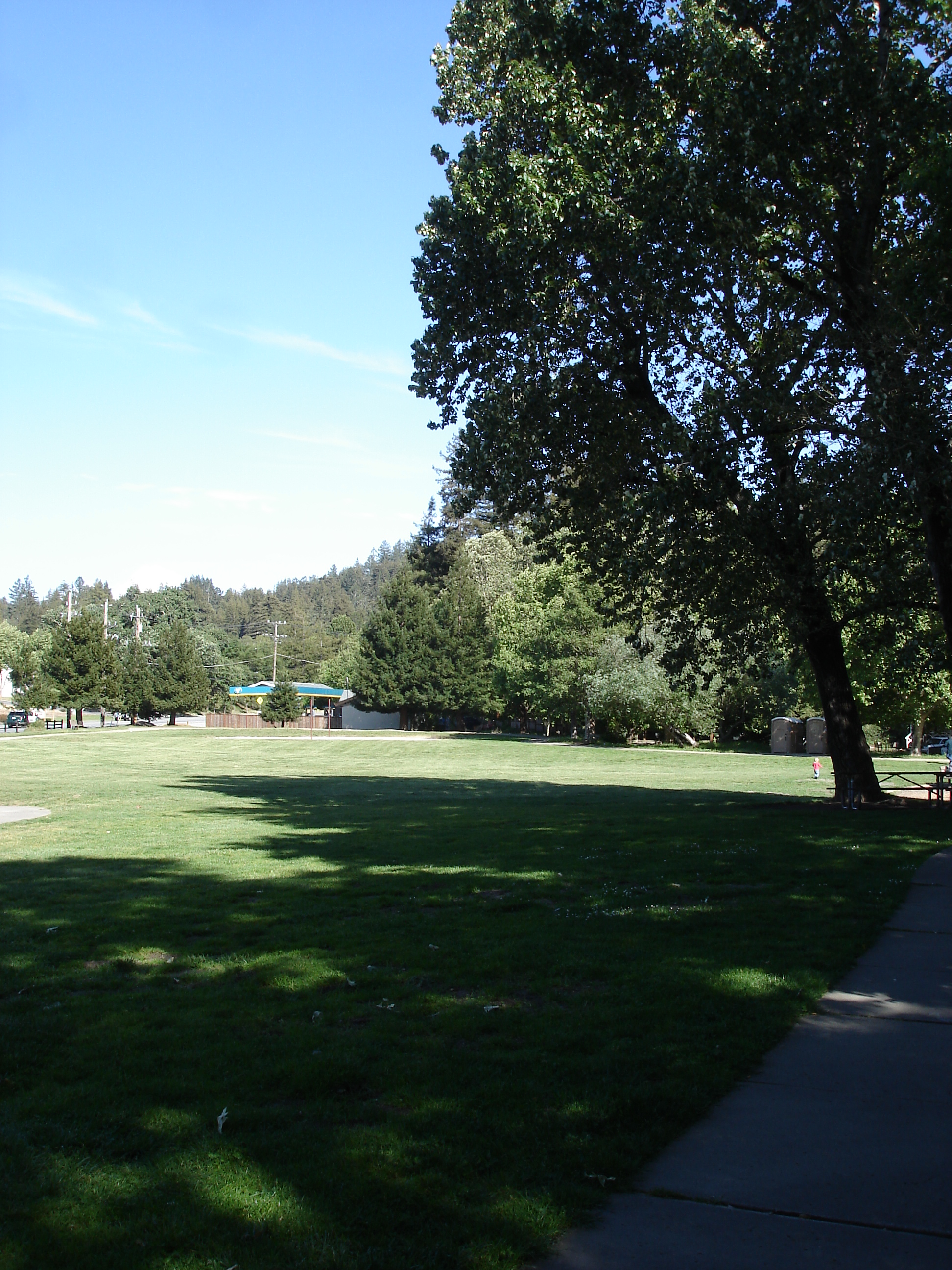
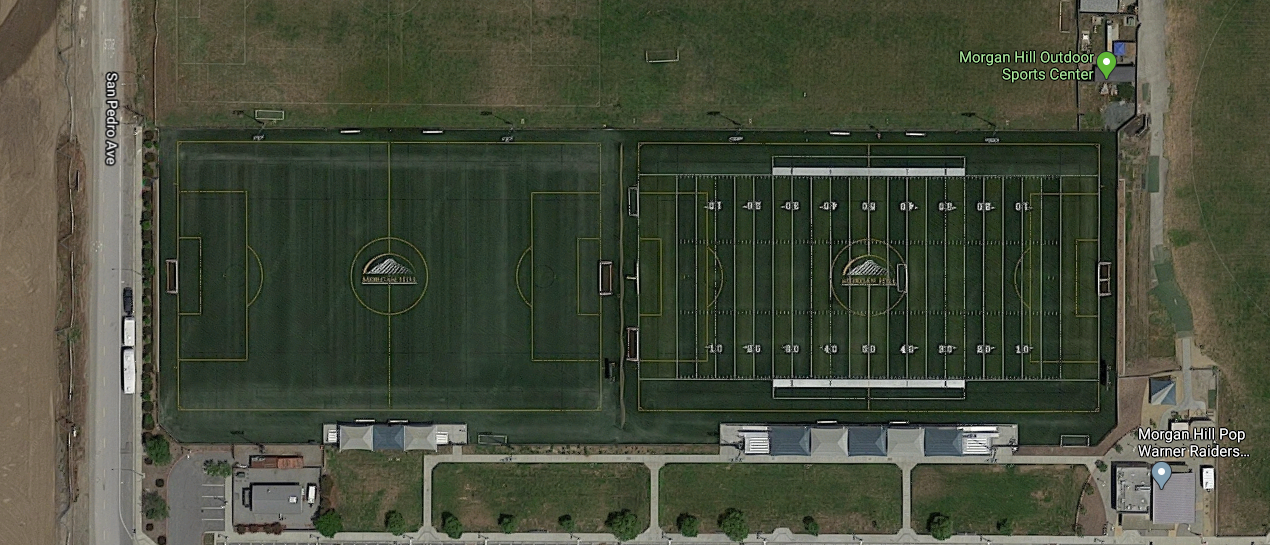
 Now that leaves are falling, they need to be raked. Large leaves, like those of sycamore and fruitless mulberry, can shade out lawn, shallow ground cover or dense shrubbery. If shade is not a problem right away, mildew can be after only a bit of rain. If abundant enough, finely textured silk tree or jacaranda foliage that typically sifts harmlessly through shrubbery and most ground cover, can accumulate and damage lawn, dichondra and the densest of ground cover. Walnut foliage has an herbicidal effect on sensitive annuals and some perennials.
 The lawn around the three small but gnarly oaks that were featured this morning in ‘
 Lawn is the carpeting for our outdoor spaces. Like pavement or decking, it makes the space in or gardens useful for more than growing other plants. Since it is designed to share its space with us, we give it more ground space than any other type of plant. For what it contributes, most of us do not mind giving lawn all the water and attention that it requires. It really seems indispensable.
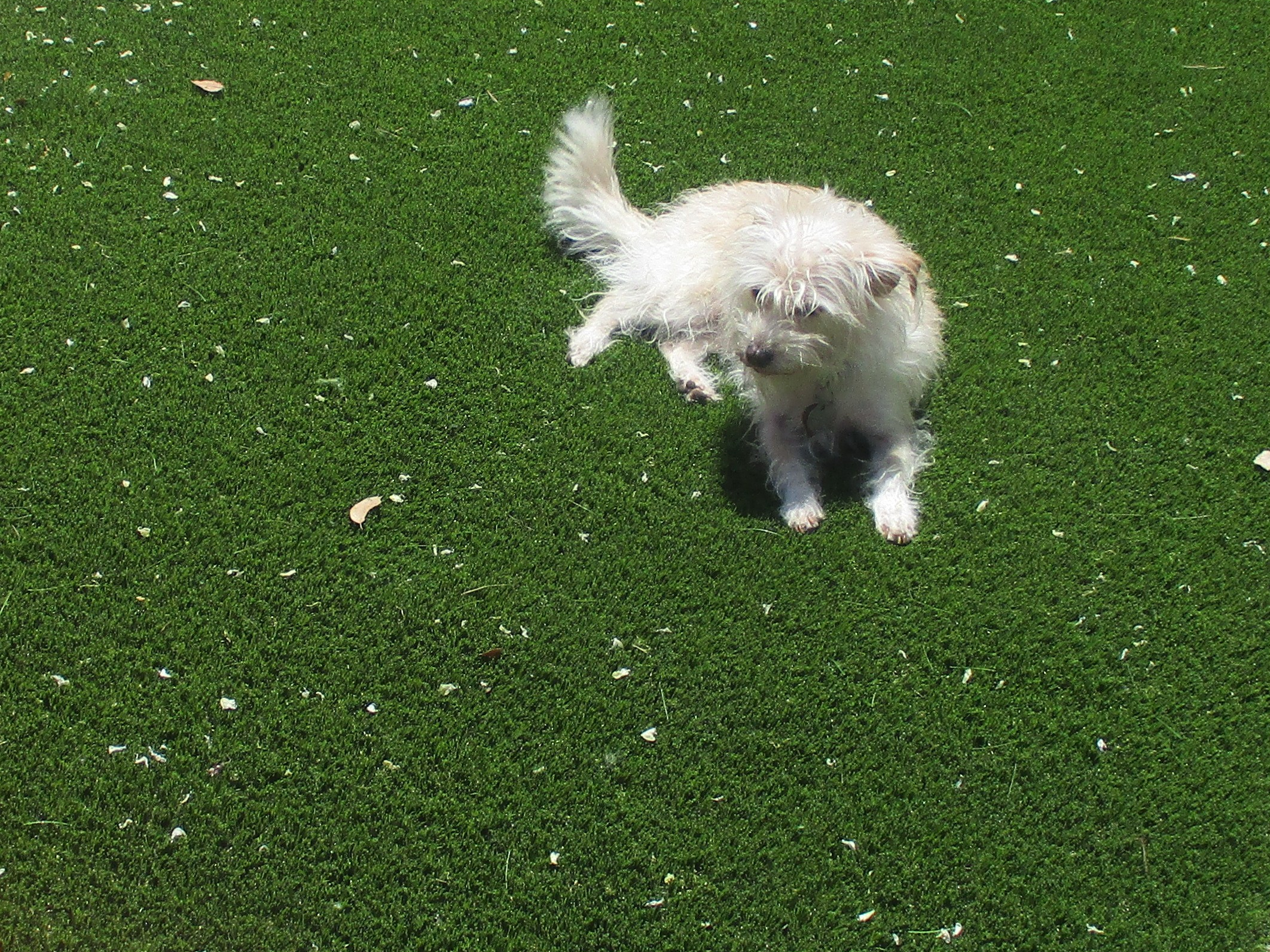
 A new lawn is getting installed at work. Yes, installed. It will not be grown like lawns were decades ago. It will be unrolled and fastened into place, not like sod, but more like carpet. It will be synthetic artificial turf. After considerable deliberation, it was determined to be the most practical option for the particular application. The real turf that was there before succumbed to excessive traffic above and very sandy soil below.
 Latin and the other languages used to designate botanical names can make the mundane seem compelling, and the unpleasant sound appealing. ‘Nasturtium’ certainly sounds better than ‘nose twister’, which refers to the reaction to the unpleasant fragrance of the flowers. Horticultural professionals can use such language to our advantage, and for more than designating real genera and specie. ‘Necrodendron’ certainly sounds more interesting than ‘dead tree’, and is less likely to offend tree huggers.
 Tony Tomeo