This is getting close to the in-between time for annuals. Warm season annuals that bloomed through summer will soon be getting replaced with cool season annuals that will perform through winter. Of course, our seasons are neither as distinct nor as severe as they are elsewhere. Many annuals are actually perennial here. Some stay later than they should, just because they can.
Aging annuals and perennials can get somewhat trashy if they are not pruned back or replaced soon enough. Their replacements might not be very impressive until they get established and start to grow. So far, only a few violas have been installed here for autumn, and only because the petunias that were where they are now were getting tired prematurely. There will be more.
There is certainly much more color in the landscapes than what these pictures show. White just happens to be my favorite color.
1. Alyssum is supposed to be a cool season annual for spring or autumn. It does not like cold winter weather or warm summer weather. In our mild climate though, it does well in any season. In sunny spots, it self sows to replace itself before it gets old and deteriorates. This batch will eventually get removed, just so we can put something else here. It is prettier in sunnier spots.
2. Dianthus, like alyssum, is supposed to be a cool season annual. It just does not succumb to the minor summer warmth here. Nor does it succumb to the mildly cool winter weather. It could grow as a short term perennial if we did not need to remove it to plants something else later. It also would perform better with better sun exposure. Here, bloom is not as full as it should be.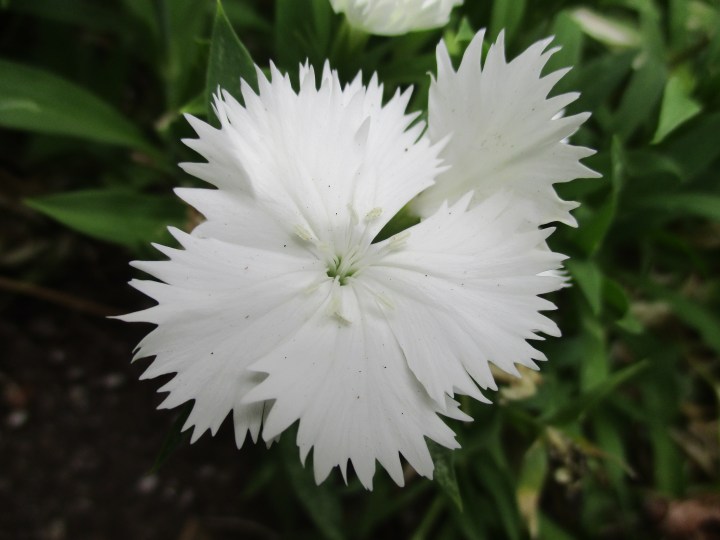
3. Viola is one of the cool season annuals that does not do well through summer here. Some survived from last spring, but they were not happy about it. A few of the many might survive and regenerate if we cut them back, but it is easier to plant something new. These white violas, as well as some comparable yellow ones, got planted early to replace prematurely fading petunias.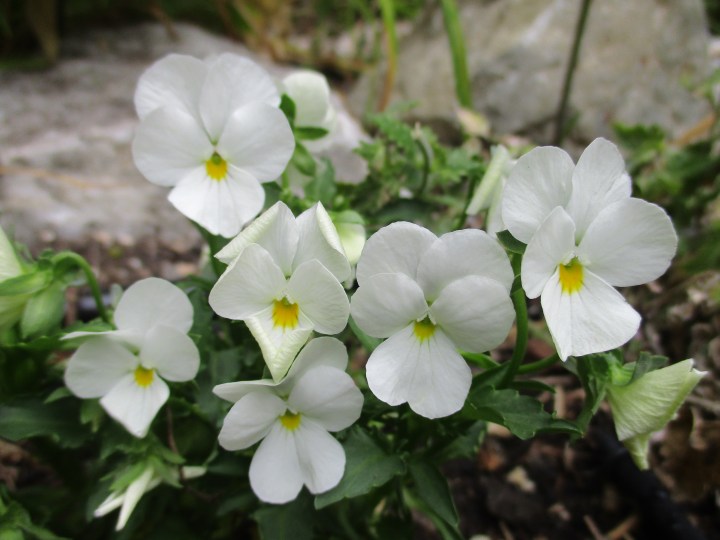
4. Petunia is a warm season annual that did well through most of the summer, but is now fading a bit early. Some have already been replaced with violas. Others probably should be. These are still mostly presentable, so can remain for now. If possible, it is better to not replace them with violas too early. Violas that grow too much before autumn can get floppy through winter.
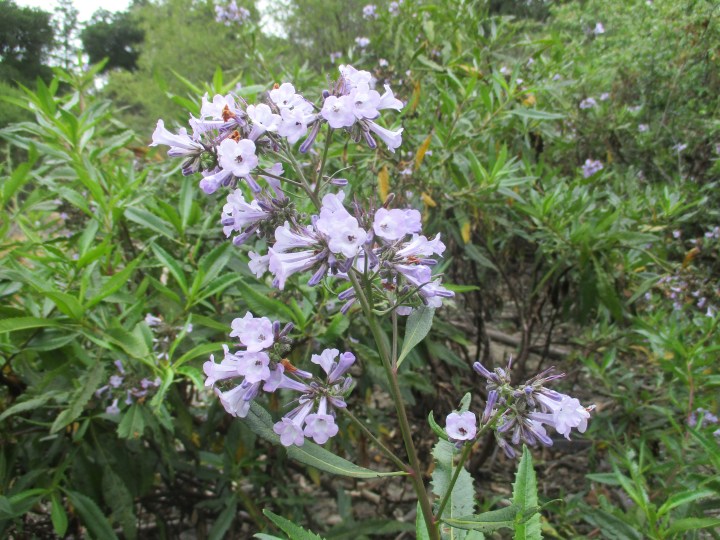
5. Phlox was not planted. A single plant grew in an already crowded bed of flashy annuals and perennials two springs ago. There were a few more last year, and even more this year. They all land in good situations, where they unobtrusively grow through spring, bloom in summer, and die back through autumn. They are warm season annuals, but are expected back next spring.
6. Geranium, which are really pelargonium, are perennial here, rather than annual like they are in climates with cooler winters. They can be damaged or even killed by frost where they are more exposed, but this particular geranium is sheltered by an eave and trees. They will probably get cut back at the end of next winter, just to stimulate fresh new growth to replace the old.
This is the link for Six on Saturday, for anyone else who would like to participate:
https://thepropagatorblog.wordpress.com/2017/09/18/six-on-saturday-a-participant-guide/
 Bearded iris can bloom in almost any color. It is expected of them. There is not much they can do to surprise us.



 Among pines, firs, redwoods and most excurrent trees (with central leader trunks), stubs or stumps of limbs that were shed are common and more apparent than they are among decurrent trees (which branch into many main limbs). The older lower stubs slowly but eventually decay and fall away as the trunks compartmentalize (heal over) where they were formerly attached.


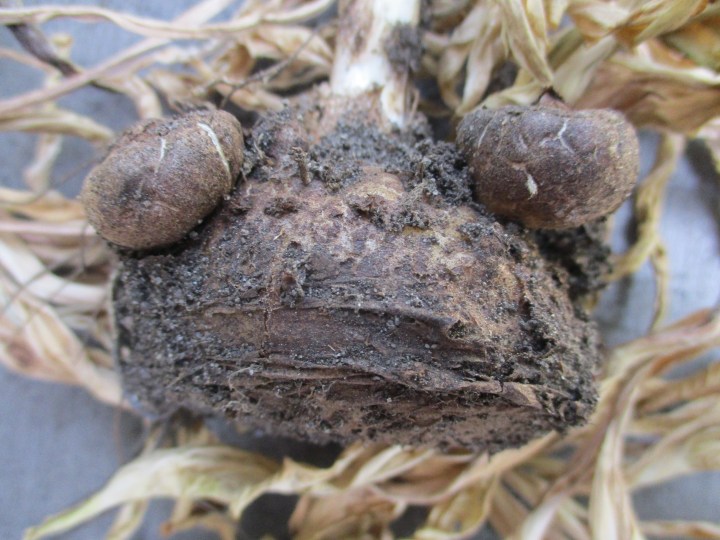 Wednesday is my day to rant. However, I neglected to get out to find a picture or even a topic to rant about. Instead, I found this ugly little . . . what I believe to be a dormant rhizome. It looks more like a tuber or a tuberous root, and very well could be. Someone at work brought it from his home garden, where countless more naturalized and became aggressively invasive.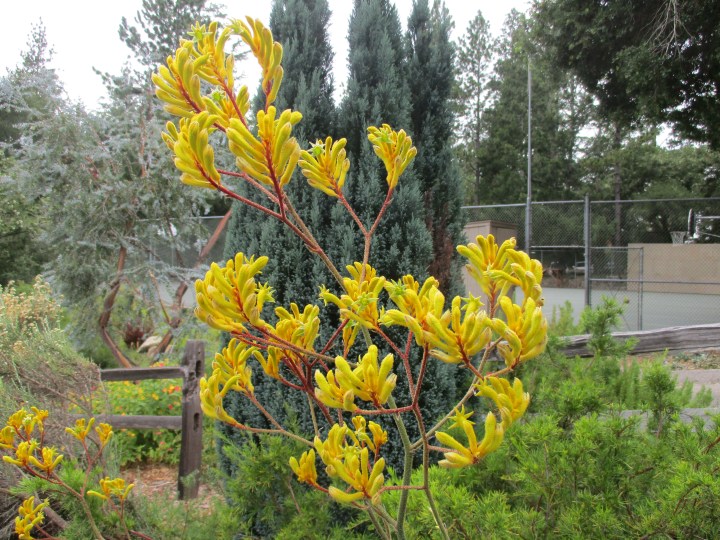



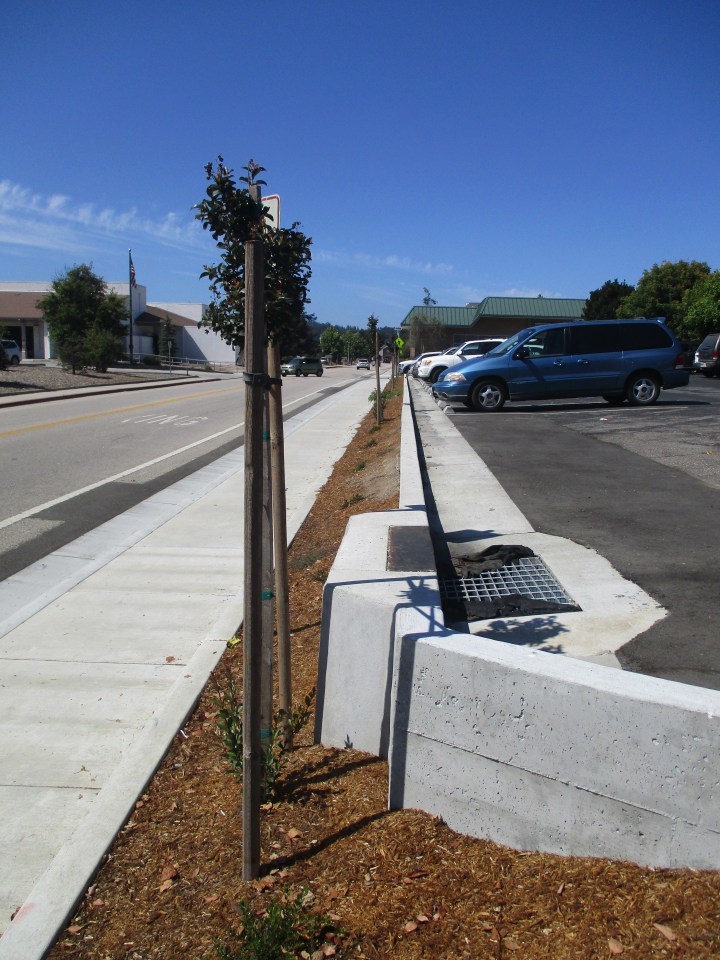 We arborists happen to like trees. That is why we are arborists. Most of us also understand that trees are not appropriate for every situation, or where they are not appreciated. There is no point in planting a tree where it will just get cut down by someone else who does not like it. We want trees to be happy. We also want those who live with them to be happy with their trees.


 Tony Tomeo