 Ivy often climbs into trees, buildings and all sorts of other situations where it becomes problematic. It might have been planted intentionally. It might have grown from seed left by birds. When it gets into trouble, we can easily blame it on the ivy. Even that which was planted was intended to be mere ground cover. It only climbs out of control because that is what ivy does.
BAD IVY!!!
This Boston ivy that . . . ‘someone’ planted almost a year ago was actually expected to climb. That is what Boston ivy does. Even if it would be willing to grow as a ground cover, it would not work well as such because it is deciduous. As a climber, it covers freeway sound walls and any associated graffiti with vibrant green foliage that turns fiery orange and red this time of year.
The problem with it is that there are not many practical applications for it. Yes, it does well on freeway sound walls. It also does well on concrete parking structures, where it can not reach painted or wooden surfaces. There are a few unpainted reinforced concrete building out there that it would work nicely on, as long as it gets trimmed around windows, doorways and roofs.
It has no business on painted wooden surfaces, or even stucco. It clings with these weird ‘suction discs’ that never let go! (They do not really use suction, but an adhesive instead.) You can see a few to the right in this picture below. When vines get pruned back every few years, the suction discs remain attached. Although not a problem for concrete, they promote rot in wood.
What concerns me with the Boston ivy in these pictures is that it grew to the top of the pillars that they were planted on in less than a year. Even if they get pruned down this winter, they will grow farther next year, and will reach the wooden bridge above. It will be a lot of work to keep them pruned back from the bridge.
As you can see I the picture below, Boston ivy is quite pretty on the concrete. Fall color is delayed this year. 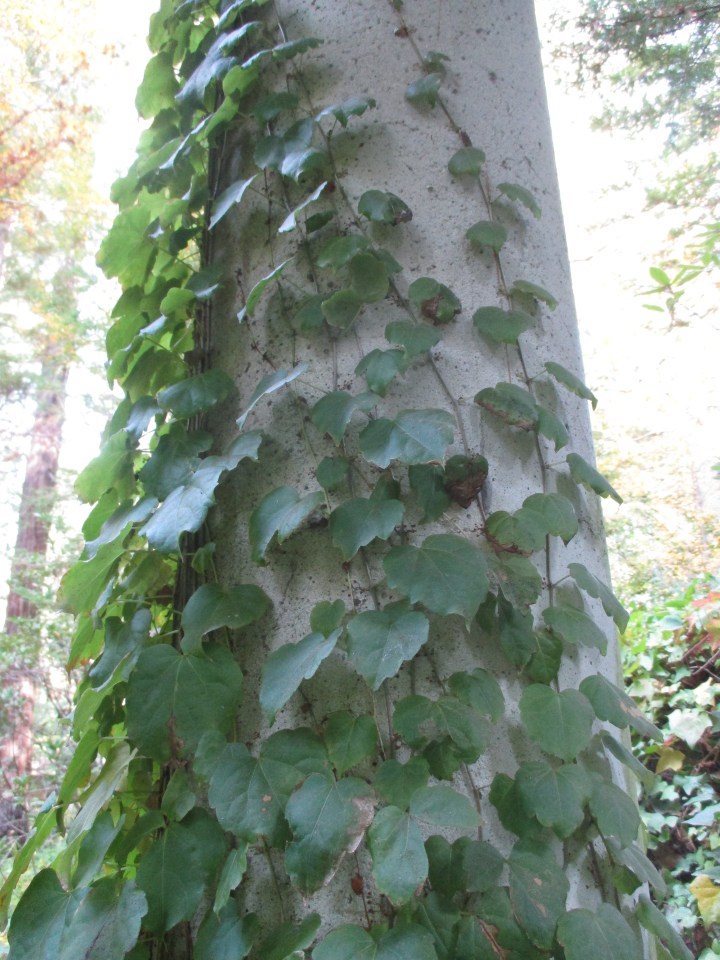


 Grafting compound is a thick sealant applied to a fresh graft union to limit desiccation while the graft knits. A bit more typically gets applied to the cut distal end of the scion. There are various formulations of grafting compound, ranging from something resembling roof patch to a something with the consistency of thick paint.







 Why do we all think we need a greenhouse? Some of us may rely on them for sheltering plants through cold winters. Some of us grow seedling late in winter, for an early start in spring. For some of us, greenhouses are where we grow plants that would not be as happy out in the natural climate. There is a multitude of uses for a greenhouse; but really, how many of us need one?



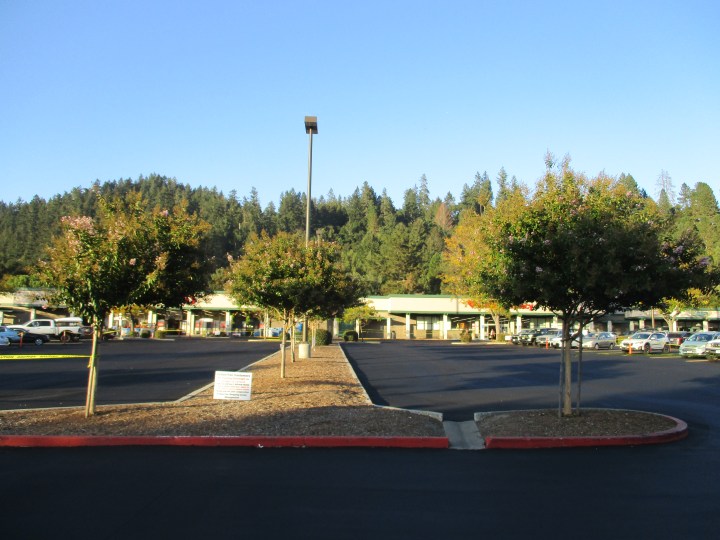 Perhaps the signs should be down instead. They are obscured by the crape myrtles where they are now. They would be more visible if they were either higher or lower, but not in line with all these trees. The trees were planted only a few years ago, but have done very well. Lodgepoles need to be removed. The specimen to the left is recovering well from earlier disfigurement.



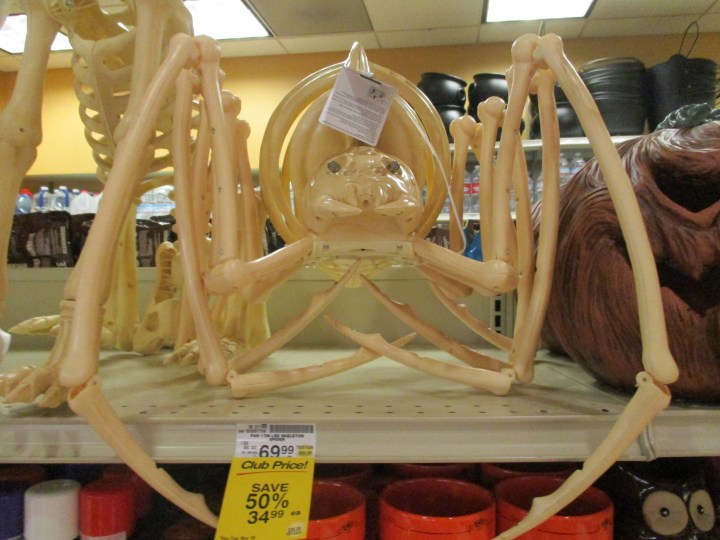 Halloween is a topic that I could rant about for days. Seriously. I loathe it. I dislike any formerly respectable holiday that has been ruined by excessive commercialization. We all know what happened to Christmas. For me, Halloween, in some regards, is even worse. Christmas is at least pretty. Halloween is intended to be morbid and grotesque and creepy and . . . just plain bad.


