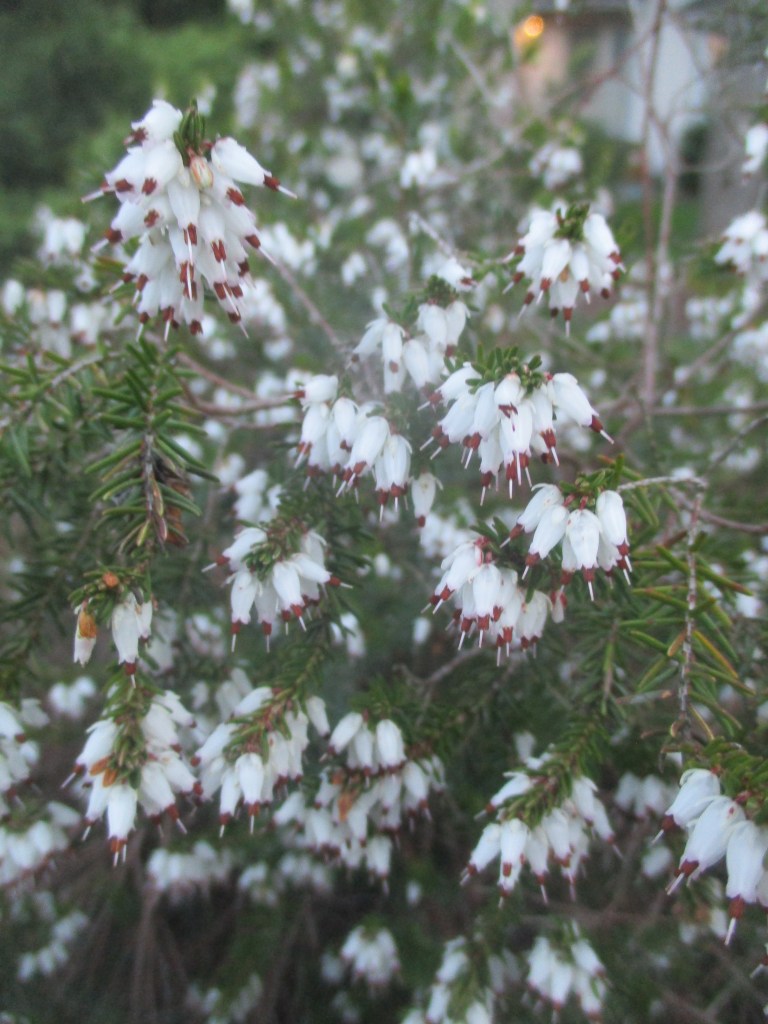
Nomenclature is simply the technique of naming. Botanically and horticulturally, it is also a precise method of classification. Large classifications divide into smaller and exclusive classifications, which likewise divide. Botanical families divide into many genera, which likewise divide into many species. Some species divide further into varieties or cultivars.
For example, Schwedler maple is within the Sapindaceae family. This family divides into many genera including the maple genus of Acer. (Genera is plural of genus.) This genus divides into varied species, including the Norway maple species of platanoides. Norway maple divides into more cultivars, including ‘Schwedlerii’, which is the Schwedler maple.
Therefore, the botanical name of the Schwedler maple is Acer platanoides ‘Schwedlerii’. Family names are omissible. Genus names justify capitalization. Species names do not. Both genus and species names appear in italics. (Incidentally, genera are more ‘genera’l than ‘speci’fic species.) Single quotation marks contain names of varieties and cultivars.
Varieties are, as their designation implies, variants of a species. Some are dwarf, like the dwarf pampas grass. Some bloom with atypical color, like the maroon Texas bluebonnet. Their variations are natural and at least somewhat inheritable. Cultivars are varieties that can not perpetuate naturally, so are reliant on cultivation. They are ‘cultiva’ted ‘var’ieties.
Some cultivars developed from breeding. Others are naturally occurring mutants that are desirable enough to perpetuate. Because their unique characteristics are not inheritable, perpetuation is artificial. Seed of cultivars that originated as mutants lacks any desirable mutation. Seed of extensively bred cultivars is genetically unstable, or may not be viable.
Most cultivars therefore rely on cloning for perpetuation. Propagation by cutting, grafting, division, layering and tissue culture, generates genetically identical copies of an original. Although it is illegal to propagate patented cultivars for profit, most common cultivars are too old for patents. Many perennial cultivars, such as iris and canna, proliferate naturally.


 Simply put, ‘nomenclature’ is how things get named. It is not exactly like naming a child or a dog, or even a new small country in the South Pacific. There is a certain technique to it that is more like naming cars. Well, it ‘was’ like naming cars, a long time ago when cars had simple names rather than numbers and letters. Coincidentally, nomenclature of plants is getting to be just as confusing.
 Nomenclature is a standardized technology of naming. It dictates the universal ‘botanical’ names of all plants, so that everyone everywhere can communicate more efficiently about horticulture. Botanical names might seem confusing, and maybe even unflattering, but they eliminate the confusion associated with regional common names that are as variable as languages and cultures.
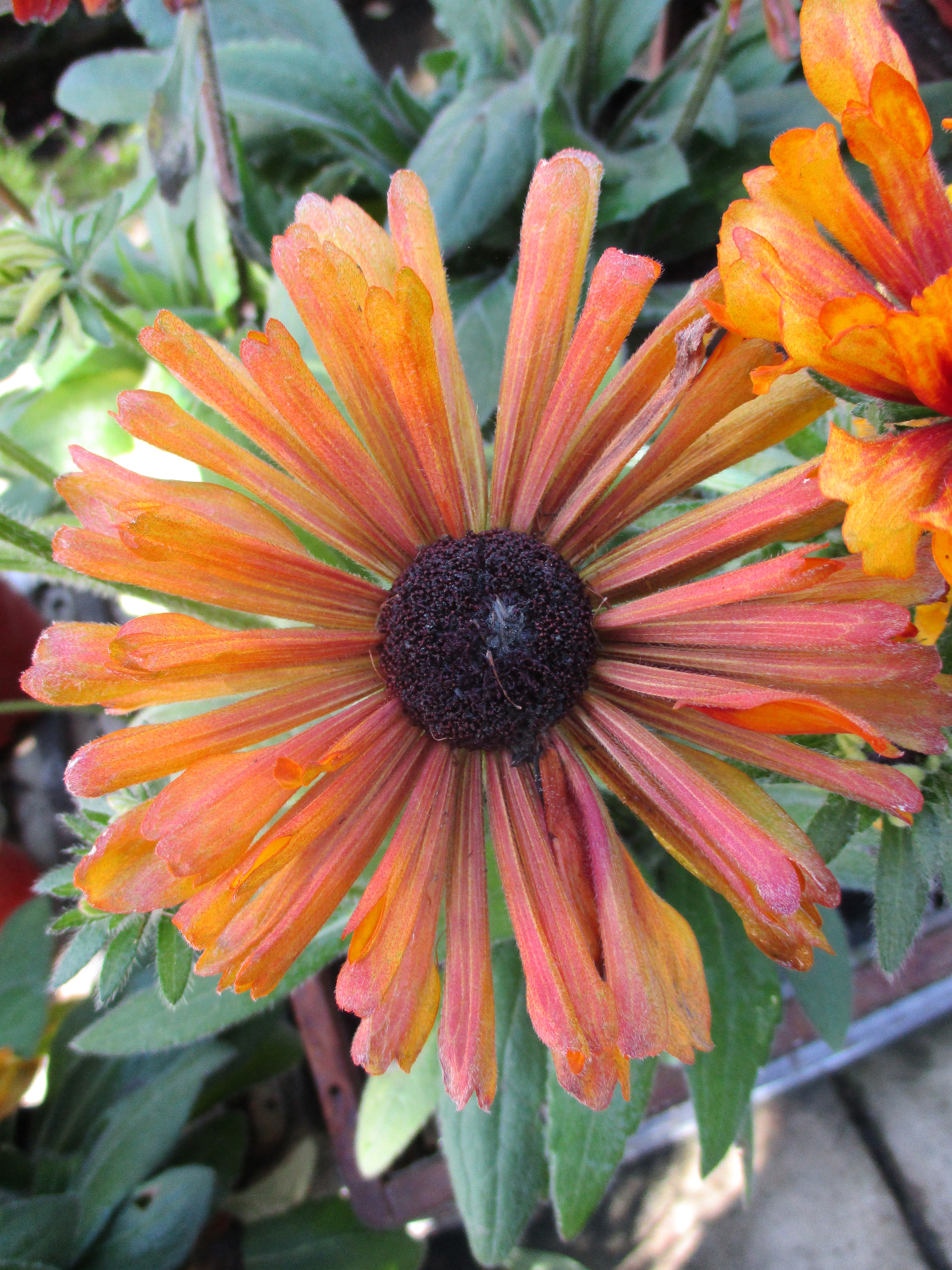 Nomenclature of the botanical sort was so much simpler back when we studied it back in the 1980s. It was intended to be like that. It was how the various specie of plants were identified and classified. There were certain rules that simply made sense. After ‘family’, plants were classified into general ‘genera’, and then further classified into specific ‘specie’. Some specie were further classified into ‘varieties’ and ‘cultivars’. (Cultivars are simply ‘cultivated varieties’ that need to be perpetuated by cloning because they are too genetically unstable to be true-to-type from seed.)



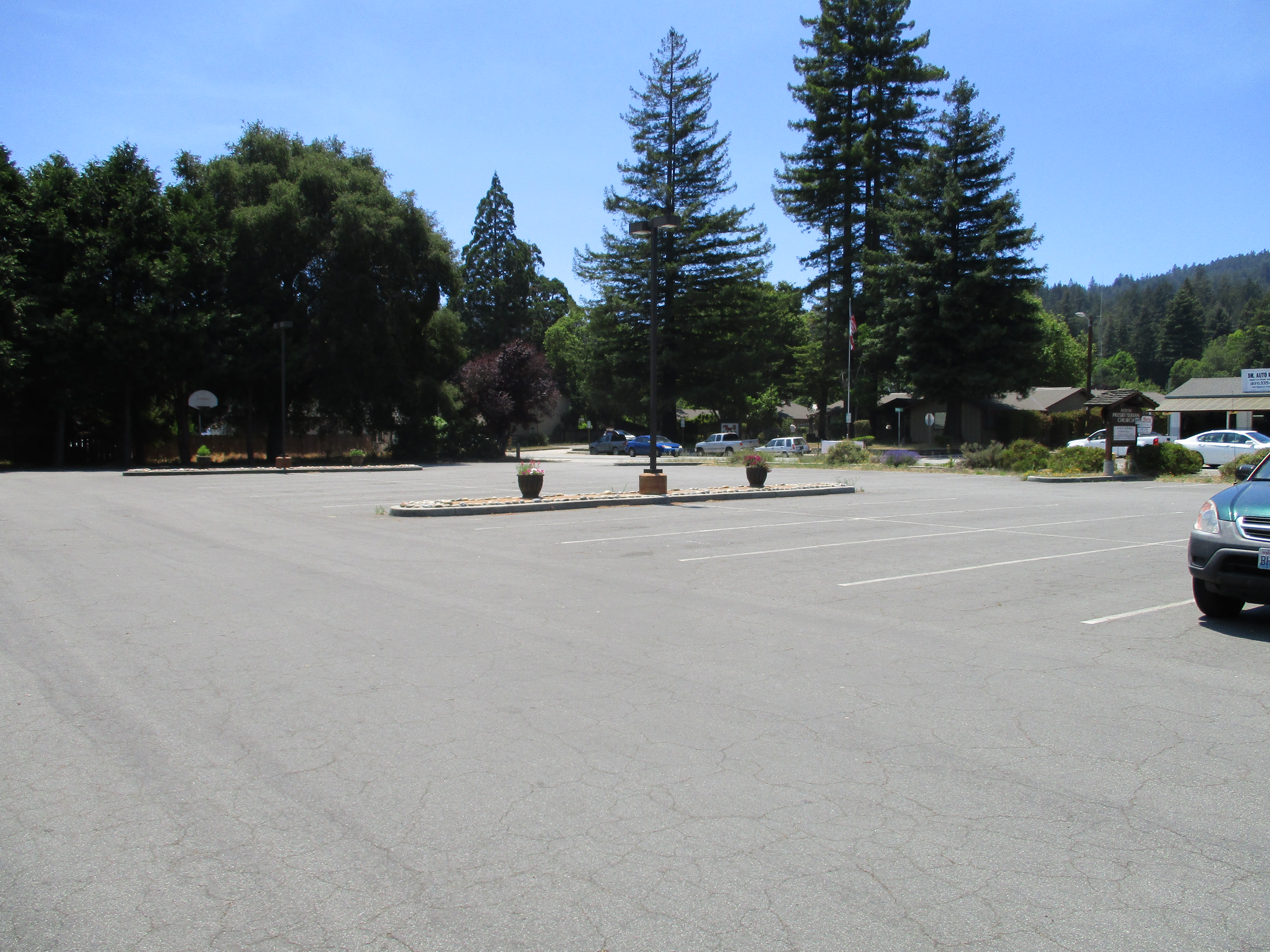 What are they doing out there, in those two pots in the island of such a vast parking lot? It is hard to say from this distance. They are so isolated. They might be happy and healthy summer blooming annuals. They might just be weeds. They could be plotting World domination. Plants can do some weird things in isolation.
 Tony Tomeo