The biggest valley oak in the Santa Clara Valley supposedly lives next door to where I lived in town. Well, that was too far to go to get the picture I needed for the garden column next week. Another lives on the other side of the tracks.
1. Roaring Camp Railroad is out back. The Depot is out of view to the right, on the other side of Zayante Creek. The big valley oak that I got a picture of is on the left, but does not look so big from here. A few ecosystems mix here, so ponderosa pines, Douglas firs and all the riparian trees mingle with the coast live oaks and redwoods. However, I doubt that valley oaks are native.

2. Rhody stayed home. These grates on the pedestrian catwalk on the bridge are not intended for small paws. Some of those trees down there are about thirty feet tall! Most are white alder.

3. Riparian trees are close enough for pictures from a pedestrian bridge just downstream. That foliage in the middle of this picture is a sycamore. However, the deteriorating bridge is closed.

4. Old valley oaks, which are native just a few miles away, seem to have been planted here; since they all are on roadsides or driveways. Whether native or introduced, they happily self sow.

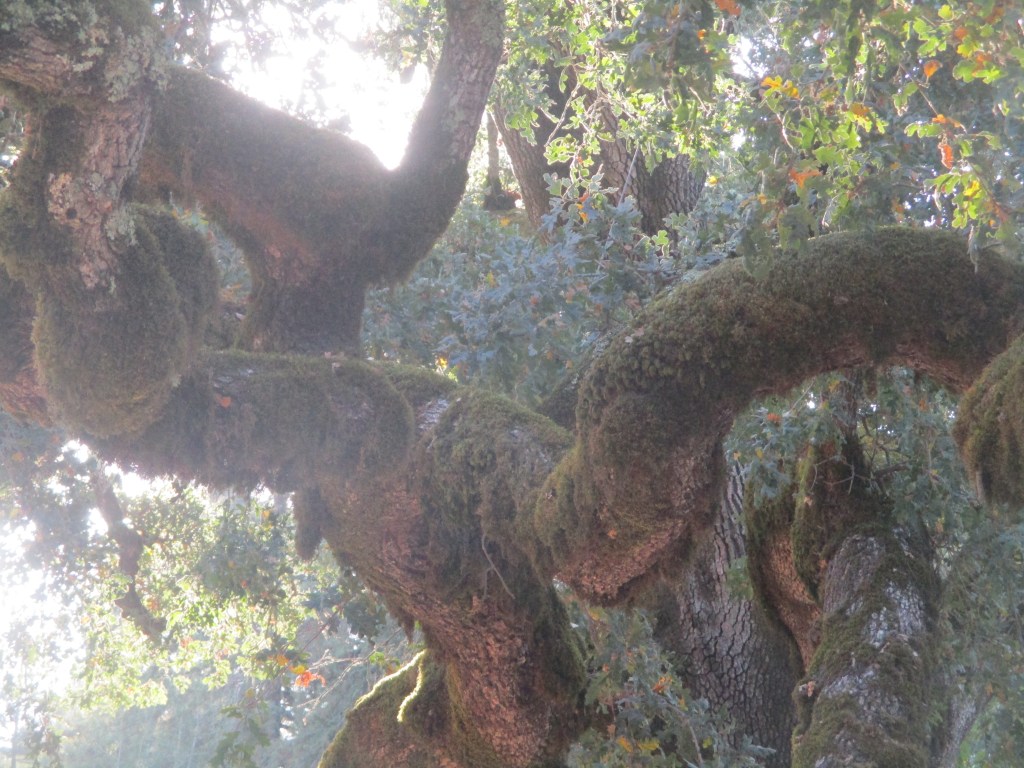
5. Moss makes these sculptural limbs seem to be older than they are. This now massive valley oak was a shrubby young pup in photographs from the 1920s. It was likely planted after 1906.
6. Gnarly roots were exposed by erosion on an embankment between the big valley oak and the train tracks. I suspect that the tree was planted to shade the depot during the late afternoon.

This is the link for Six on Saturday, for anyone else who would like to participate:
Six on Saturday – a participant guide

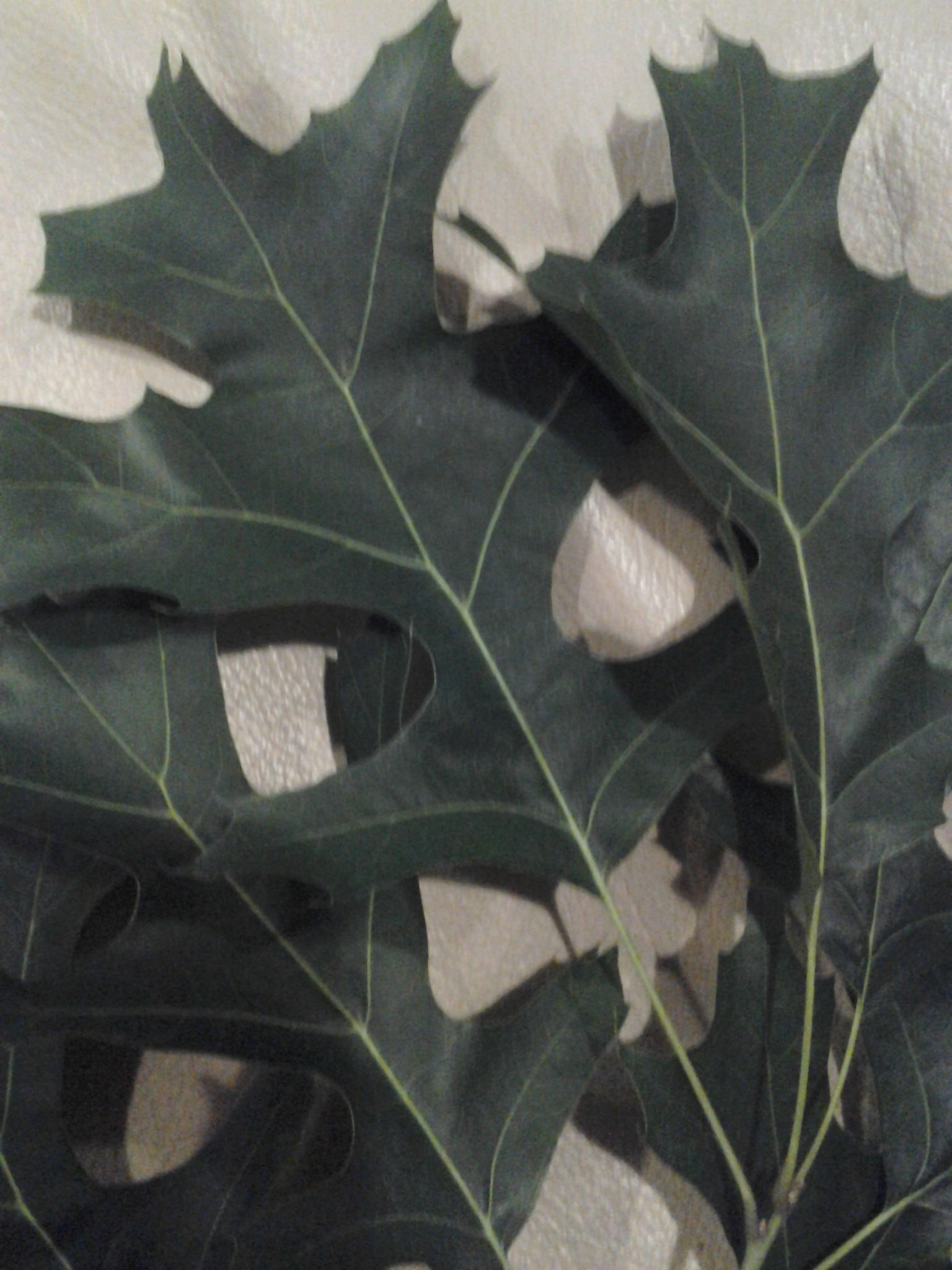
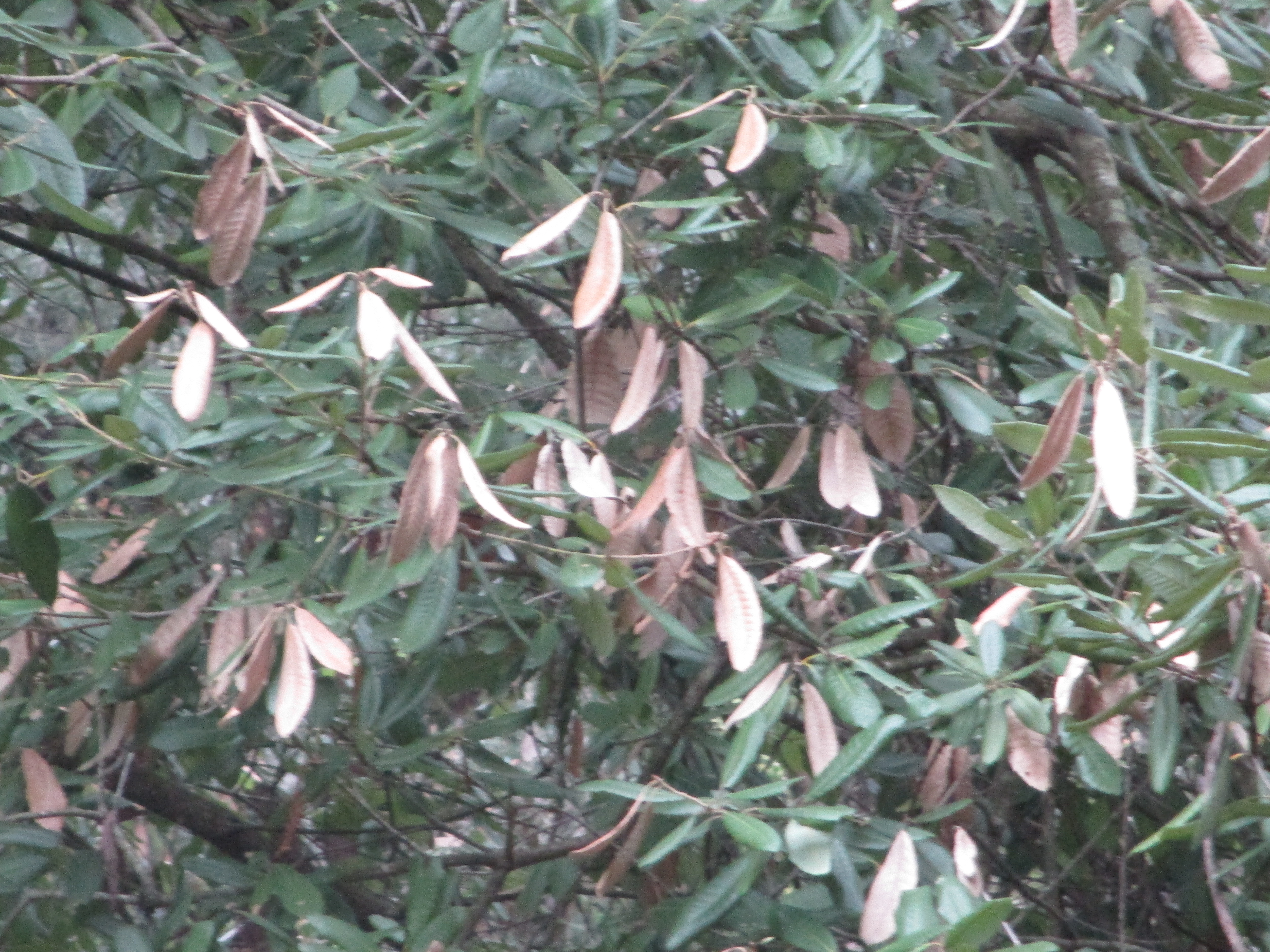
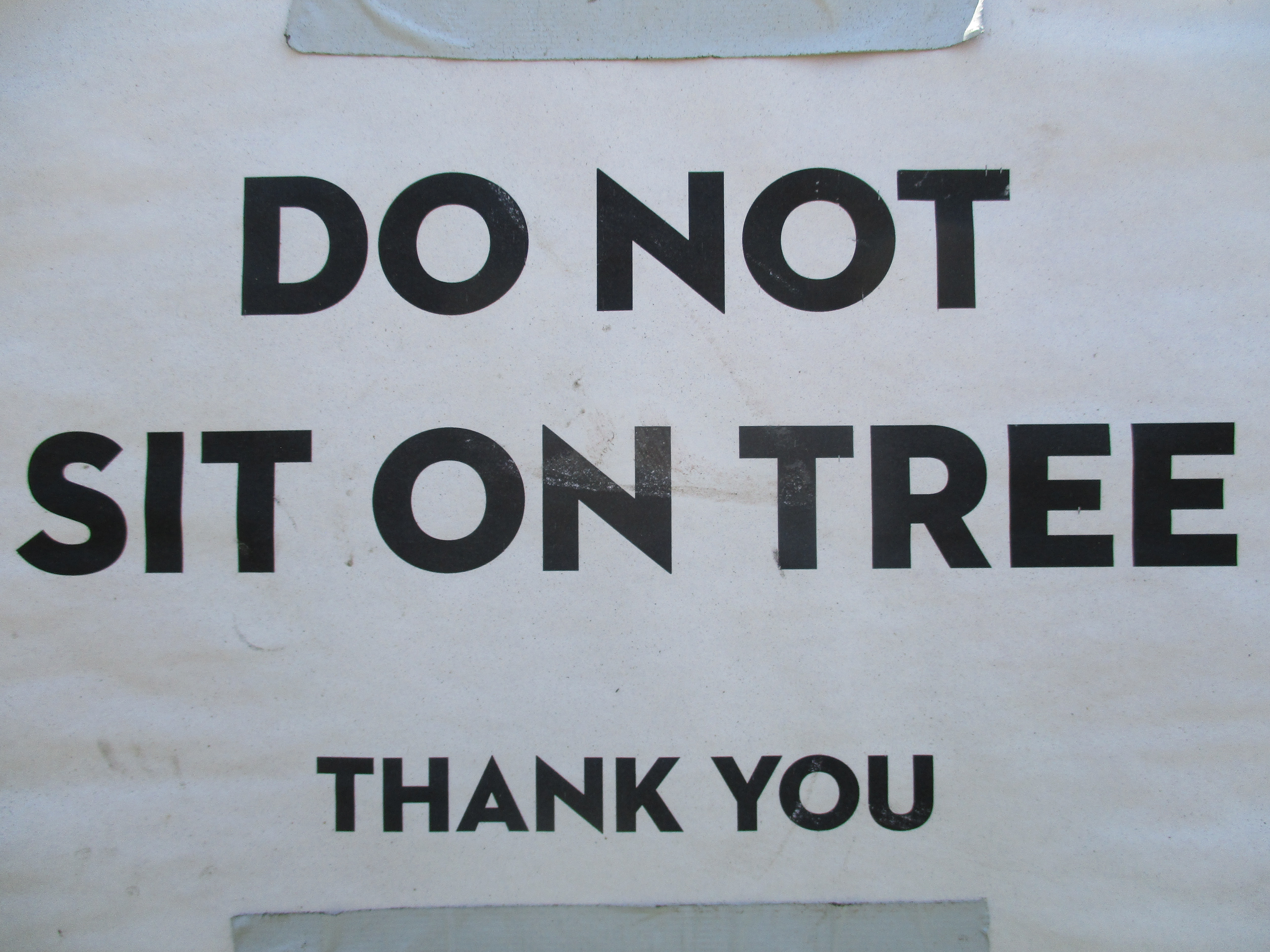
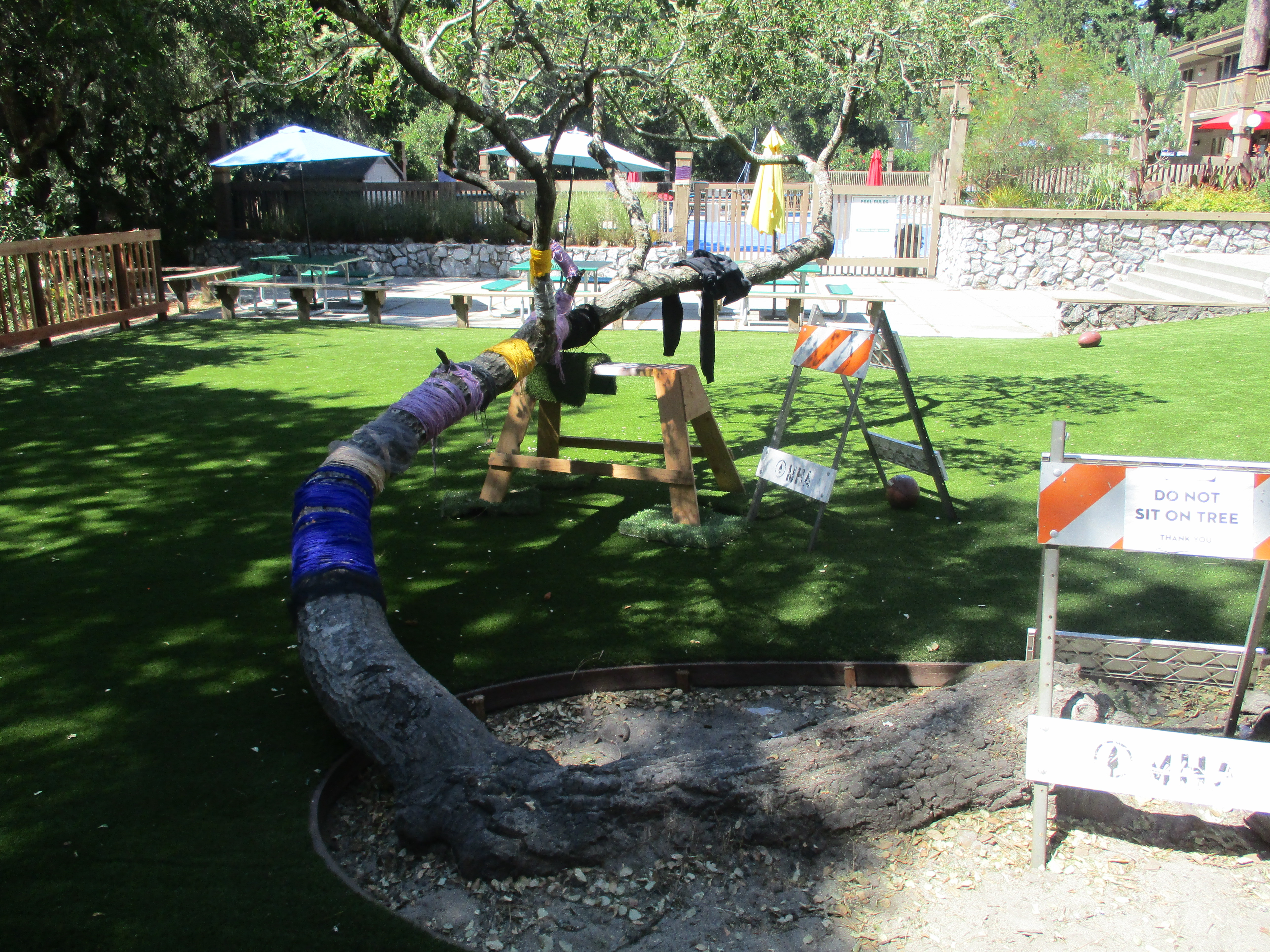
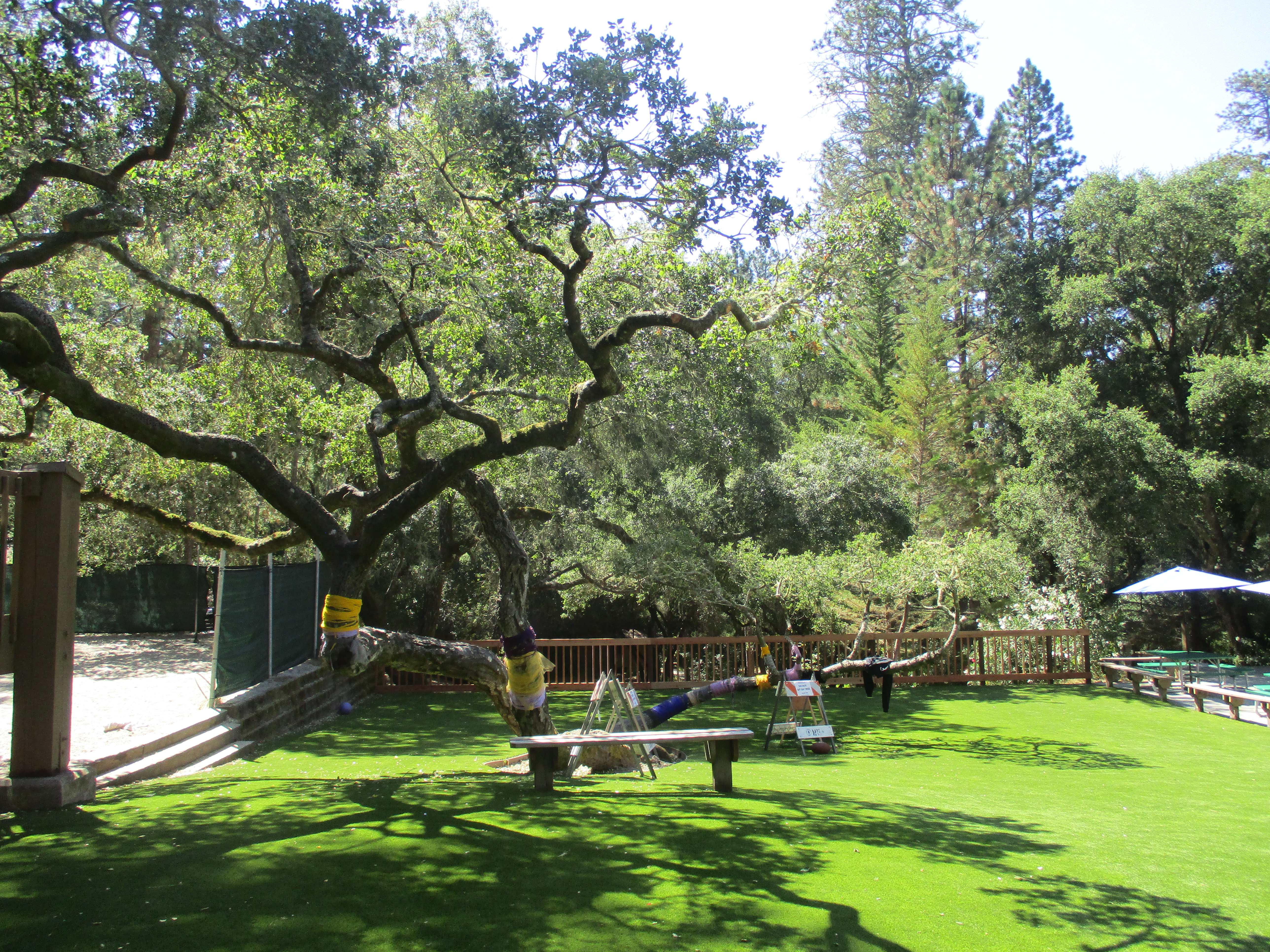
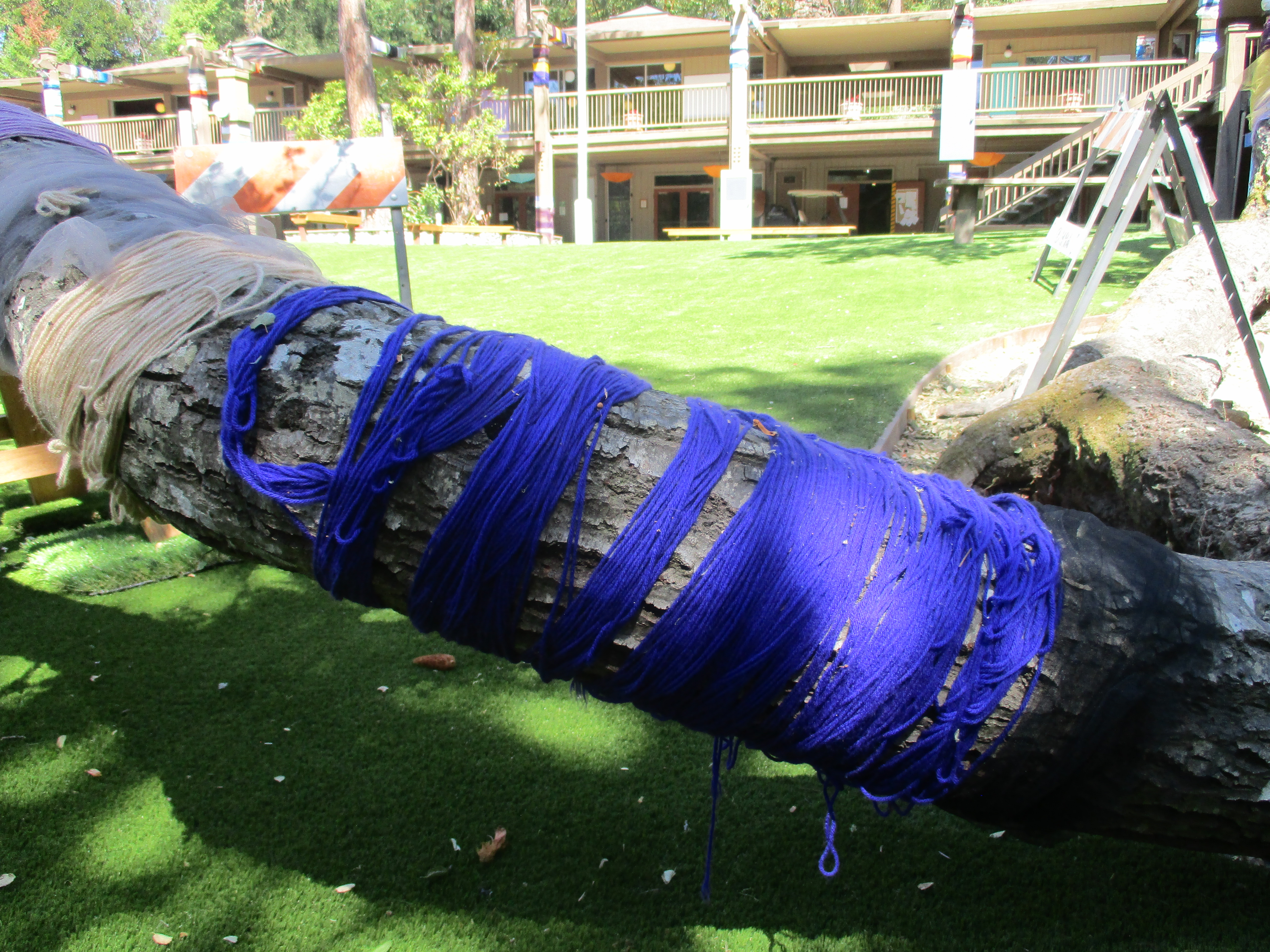
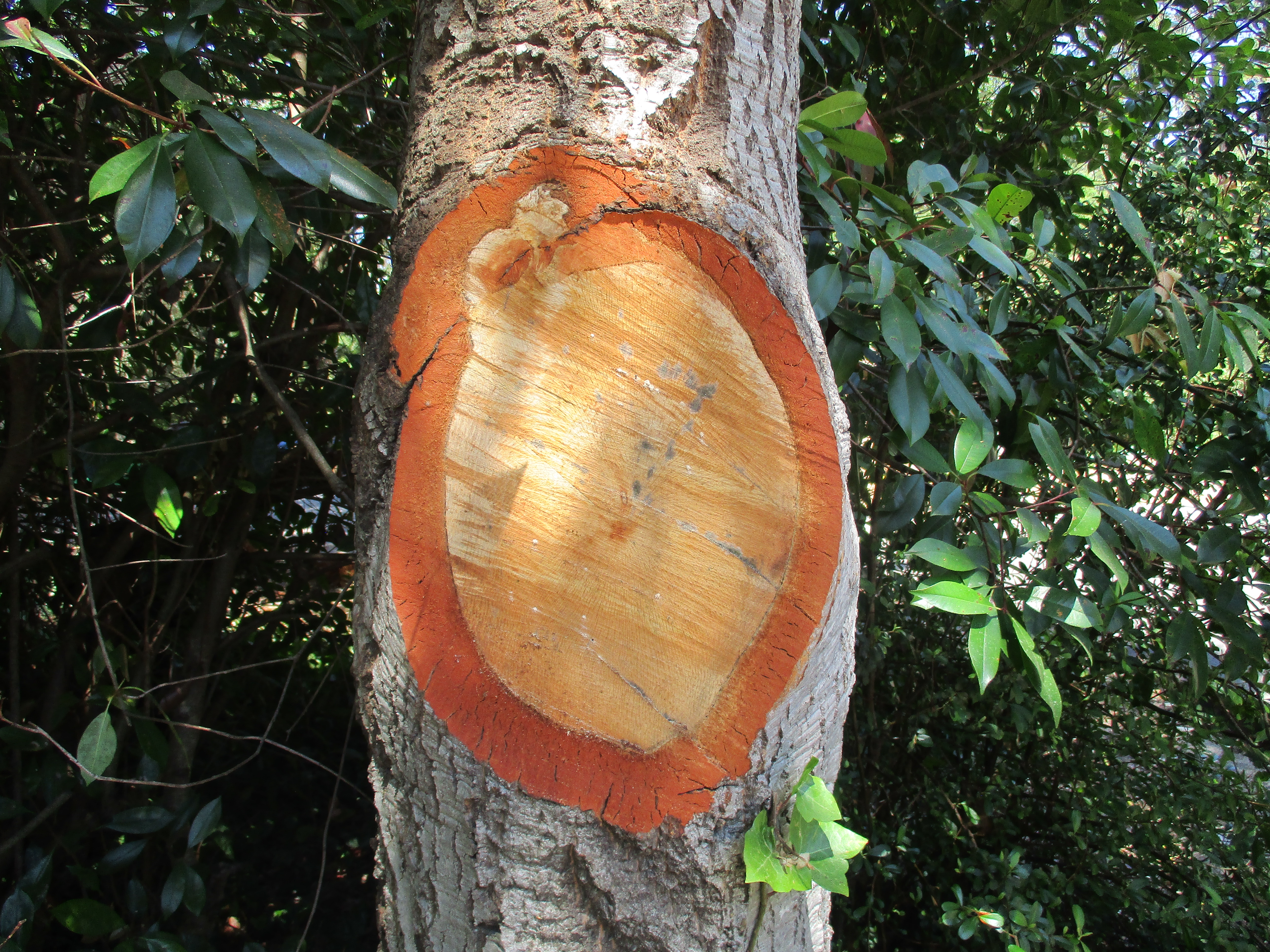
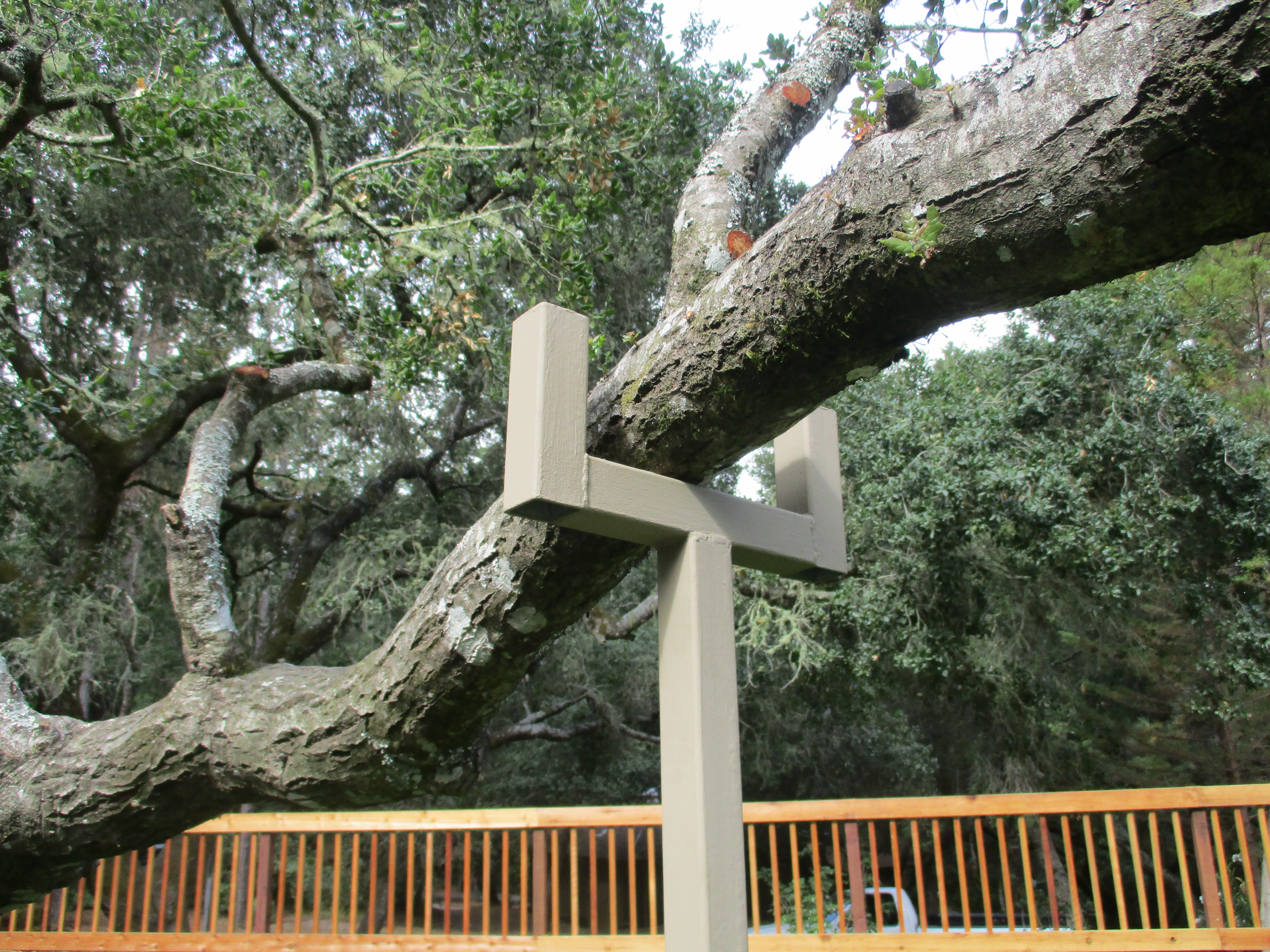 It has been almost a month since one of three small but sculptural and very prominent coast live oaks at work was destabilized by . . . well, children. They were climbing on it, as most good children should do. There were a few of them; and the tree is old and deteriorating. All three of the trees actually grew from the same rotten stump of a tree that was cut down decades ago.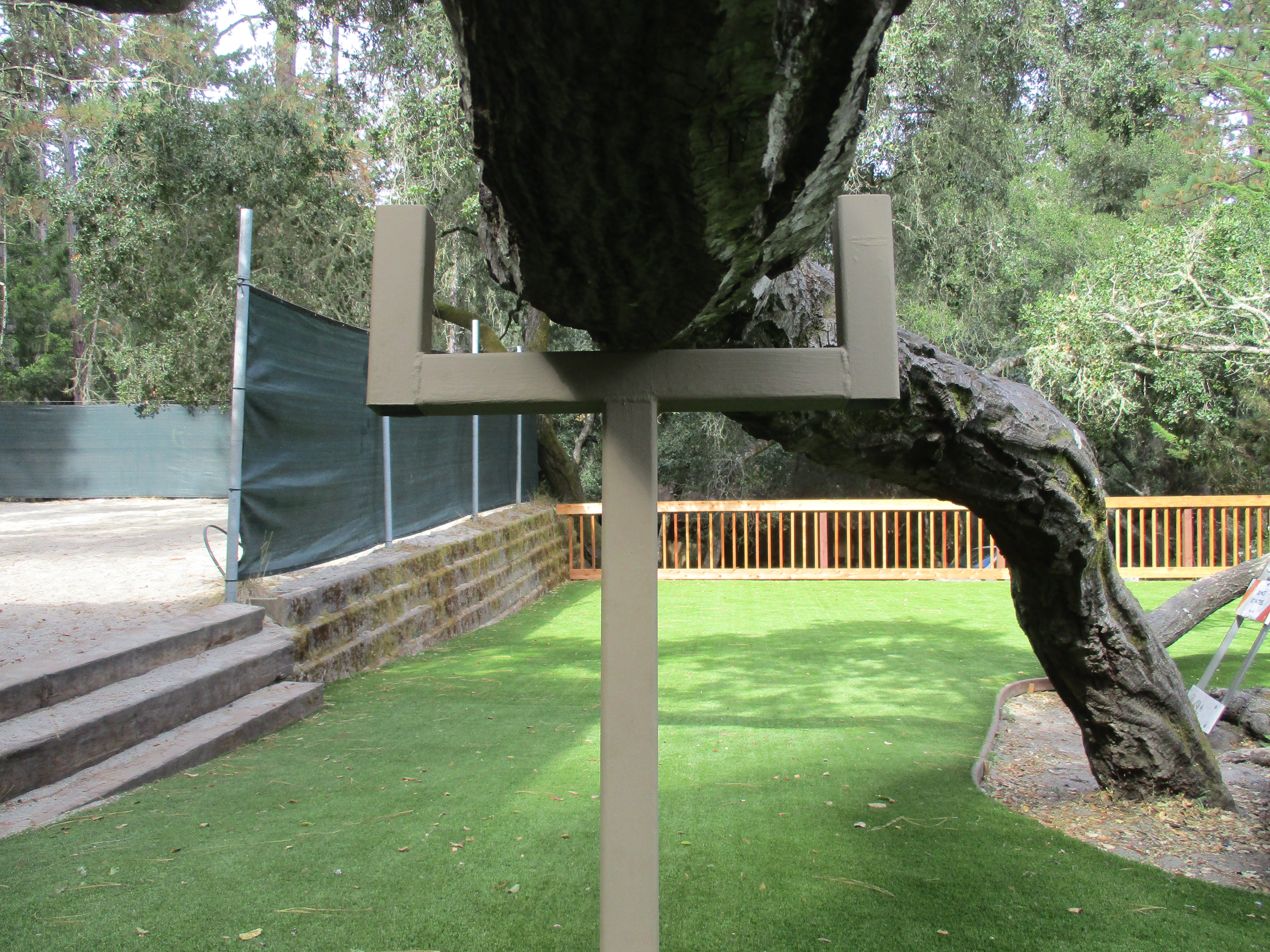
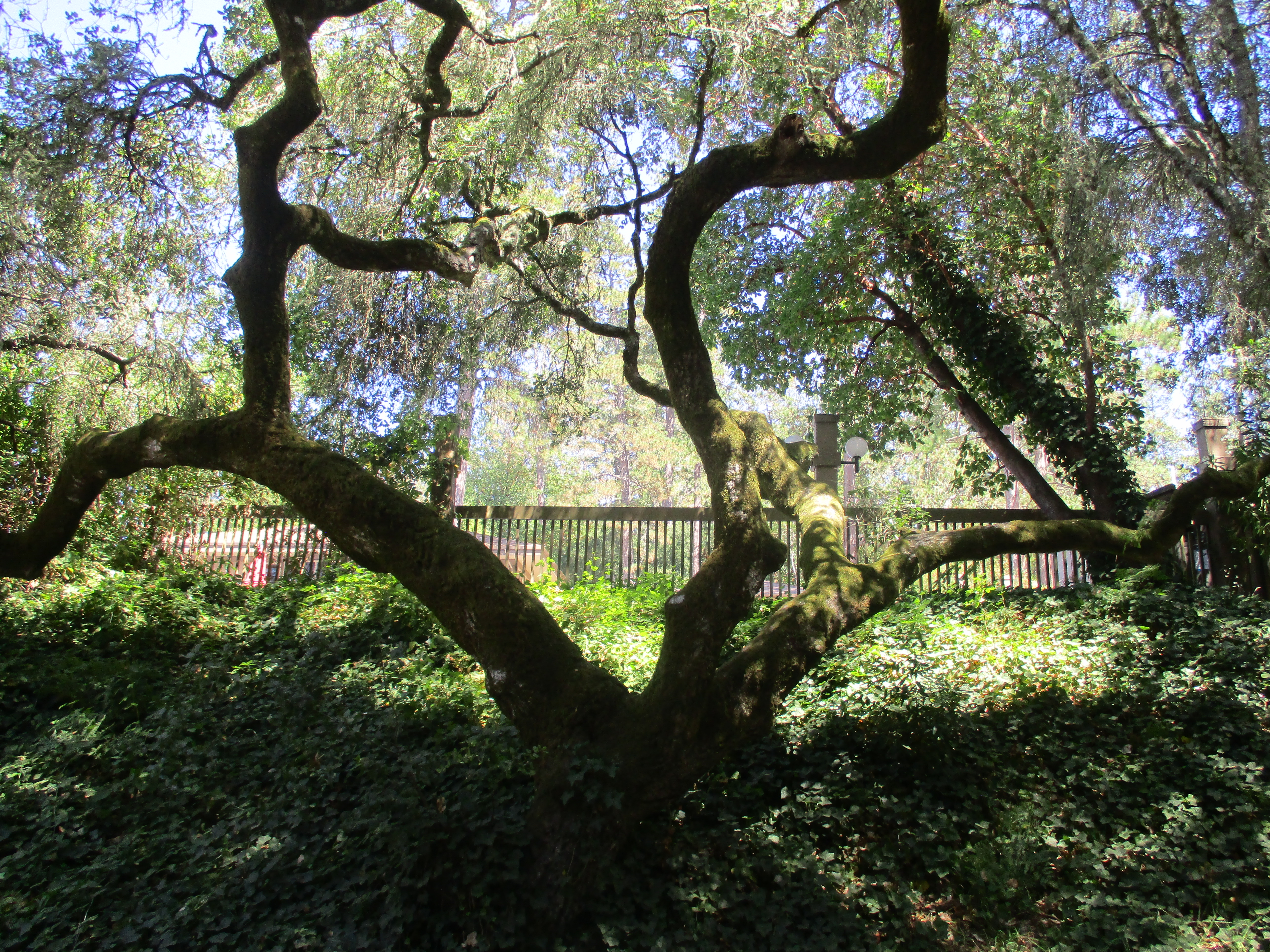
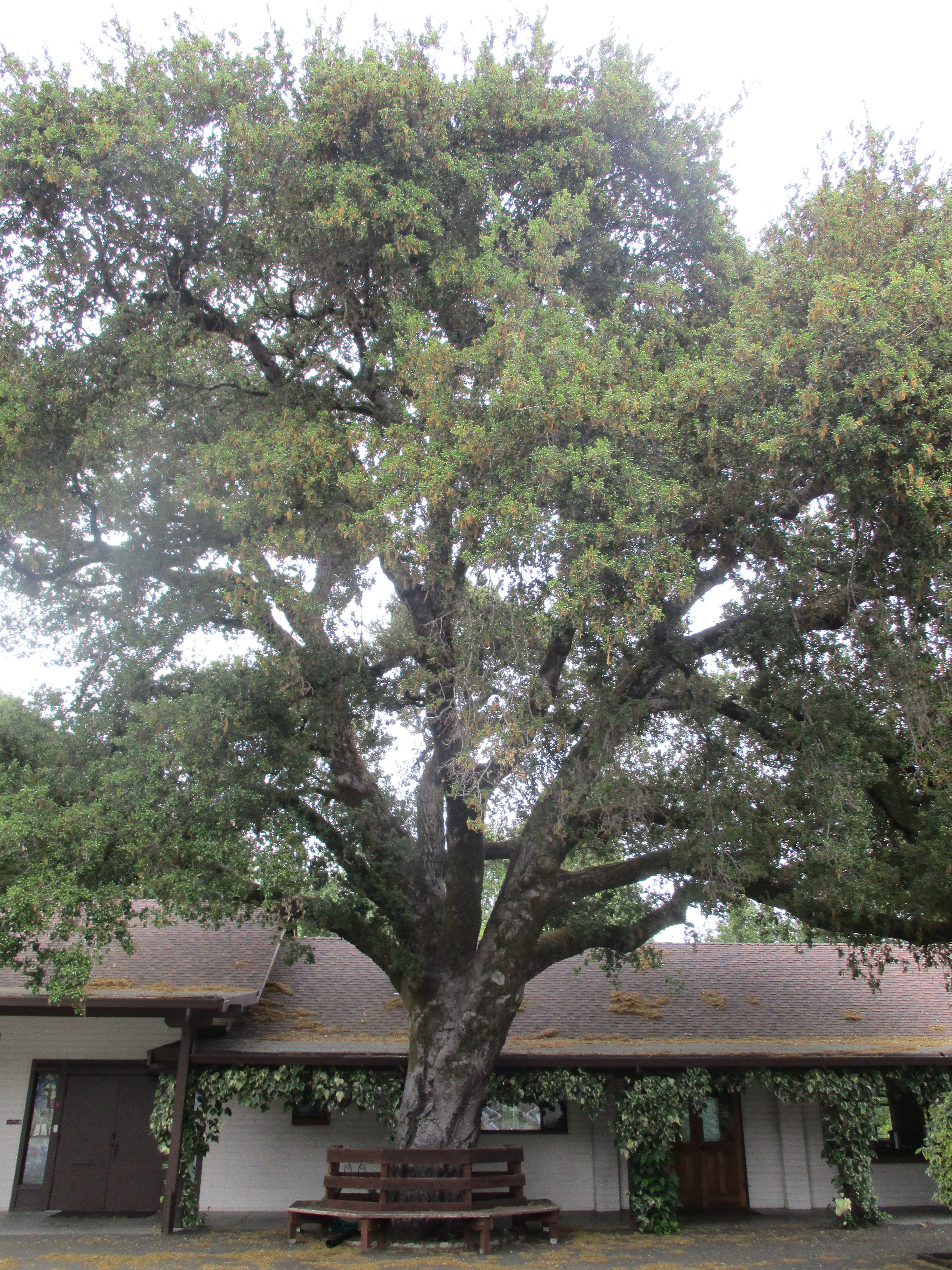 The valley oak of the Sacramento Valley, San Joaquin Valley, and coastal valleys to the west, is the grandest oak of North America. Within the coastal half of that range, and extending down past San Diego, the coat live oak, Quercus agrifolia, is a nearly comparable second grandest. The biggest subjects may be as tall as seventy feet, and nearly as wide, with trunks wider than ten feet!
 Oak, which might seem to be obvious to many of us, was identified by the Arbor Day Foundation as the People’s Choice for American’s National Tree. We certainly like our redwoods and exotic palms in California. Quaking aspen and blue spruce are probably favorites in Colorado. Sugar maple must be the most popular in Vermont. Yet, everyone appreciates the mighty American oaks.
 There is no shortage of artistic pictures online and within the context of gardening blogs. Some really are fascinating. I particularly like those that show the weather in far away and mythical lands like Colorado, Chicago, North Carolina, Australia, Oklahoma, New Zealand, Austin, and South Africa. Then there are the cats, dogs, hens, horses, pigs, and a few others that are not so entertaining. The close ups of flowers, fruits, leaves, mushrooms and any variety of odds and ends are amusing if they are not immediately recognizable. Yet, all these pictures are not my style. I am not the artistic sort.
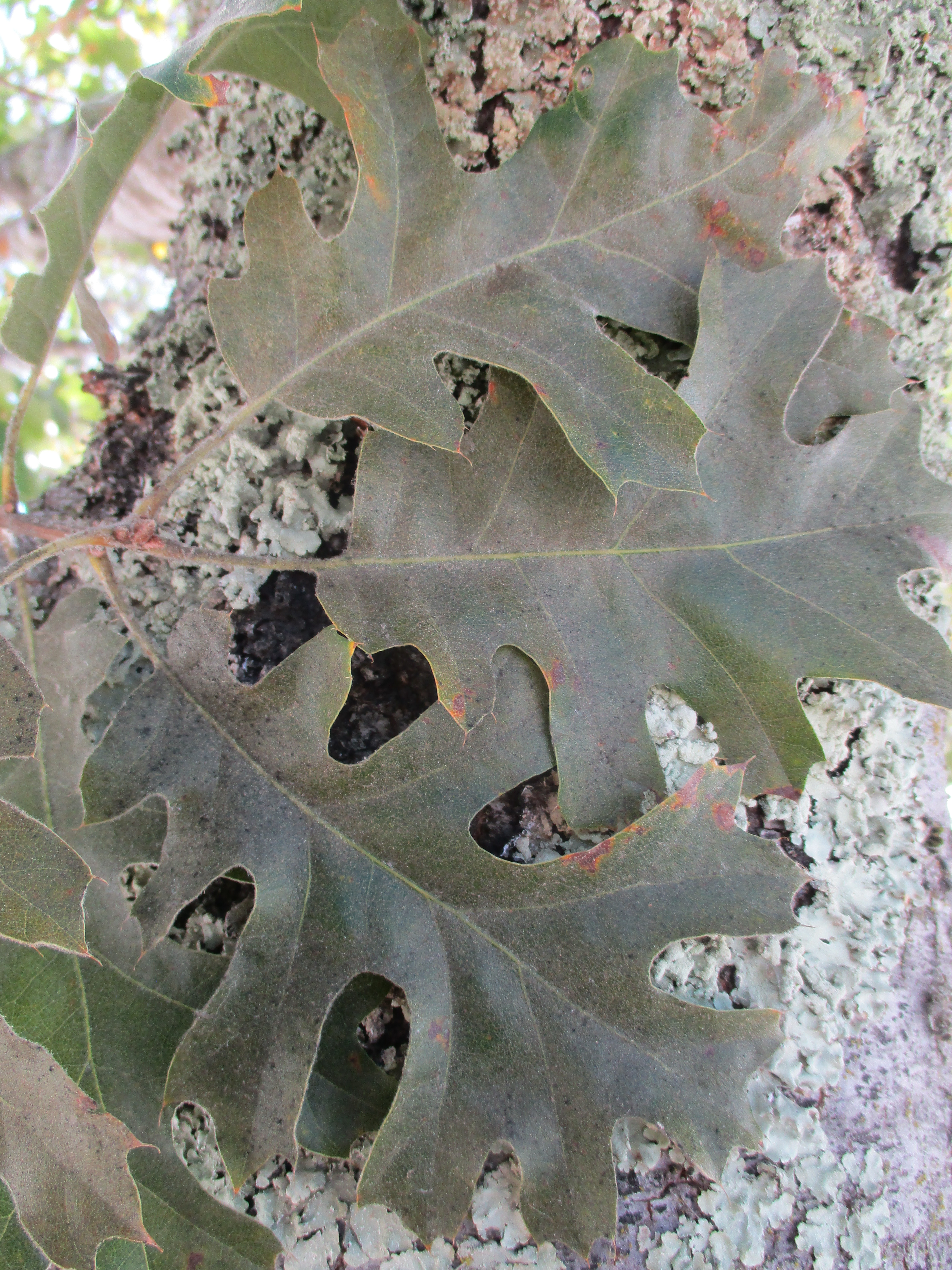 The most popular hardwood in California is essentially unavailable in nurseries. California black oak, Quercus kelloggii, provides between a quarter and a third of the hardwood timber harvested in California. One would not know it by its sporadic appearance within mixed forests of the Coastal Ranges. It is much more common in the Sierra Nevada, which might be why no one grows it.
