 Along with all the bare root fruit trees, roses and cane berries, nurseries also stock bare root perennials like strawberries, asparagus, horseradish and rhubarb. They are so easy to plant while dormant. They recover from transplant through spring, and by summer, should be growing as if they had always been there. Although, if they had always been there, they might be crowded by now.
Yes, many but not all perennials eventually get crowded. Strawberries spread by runners, so are easily plucked and transplanted to avoid overcrowding, as well as to propagate more productive plants. Asparagus are variable, so may not get crowded for decades. Horseradish and rhubarb may not mind getting crowded, but could be more productive if individual plants have their space.
For example, crowded horseradish plants produce many small roots. If dug, split apart, and replanted with more space between individual plants, the individual roots get much larger. Separating the roots, which is known as ‘division’, also produces many more new plants. Mature rhubarb plants may not mind being crowded, but are often divided simply to propagate new productive plants.
Division of these sorts of perennials is typically done while they are dormant through winter. If that sounds familiar, it because it is the same reason why these sorts of perennials are available as bare root stock. They get processed while they are unaware of what is happening, and wake up in their new and better situations. Many defoliate while dormant. However, most are evergreen.
Ornamental perennials like lily-of-the-Nile, African iris, New Zealand flax, society garlic, torch lily, lily turf and acorus grass are all good candidates for division if and when they become overgrown. So are most aloes, some terrestrial yuccas, several ferns and some of the more resilient clumping grasses. Agave pups can be dangerous, but really should not be allowed to get too crowded.
Division might be as simple as taking a few pups or sideshoots from a large clumping plant, or as involved as digging an entire large plant to divide each individual shoot. More often, large plants get dug and split into a few smaller clumps of many shoots. New plants should be groomed of deteriorating foliage. The long leaves of New Zealand flax should be cut in half to avoid desiccation.
 The native American coneflower, Echinacea purpurea, of the Midwestern prairies has been popular within its native range longer than anyone can remember, and has become more popular in the West as extracts of echinacea became a fad in herbal medicine several years ago. Modern garden varieties and cultivars have been bred and hybridized for larger and more colorful flowers.
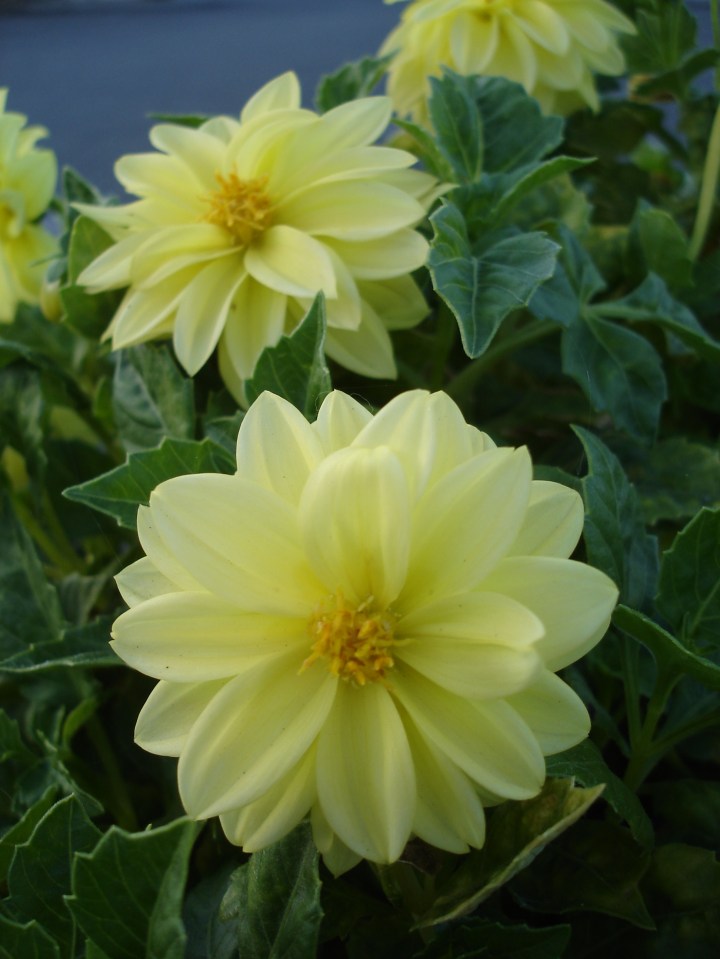 Annuals come and annuals go. There are cool season annuals for winter. There are warm season annuals for summer. Really though, there are all sorts of annuals that are not annuals at all. Most are some sort of perennial that has the potential to last longer than a single season. Only a few popular ‘annuals’ would necessarily die after blooming and producing seed, within a single year.
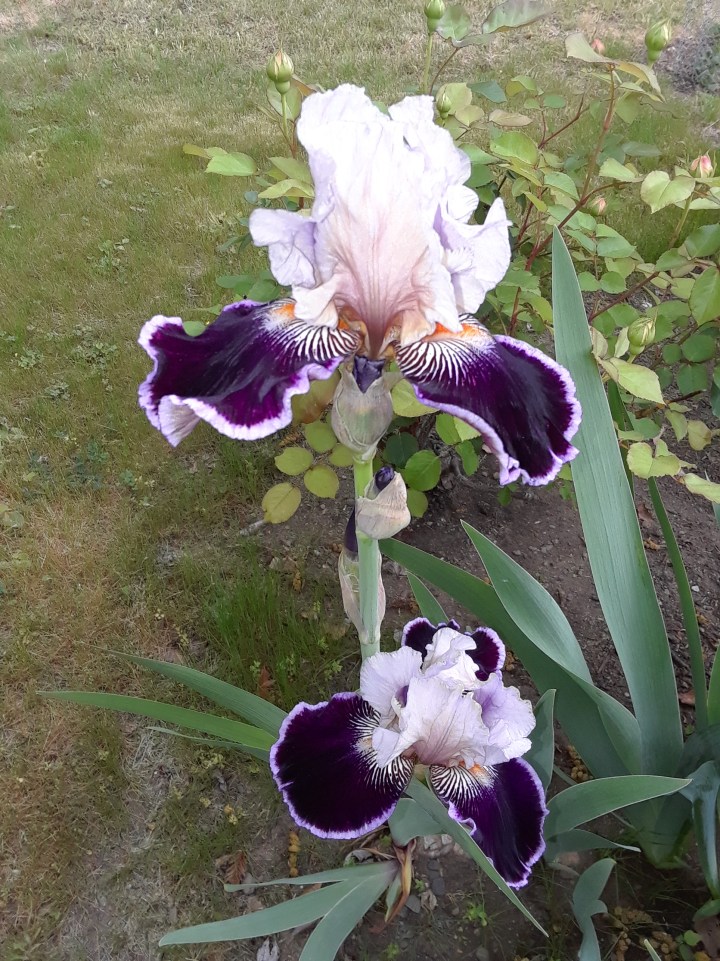 Nurseries are full of plants for sale. That is their business. They sell plants, and whatever plants need. With a bit of money, it is easy to purchase plants to compose an exquisite landscape. That is important to landscape professionals who make a business of composing landscapes to beautify the environments in which they work.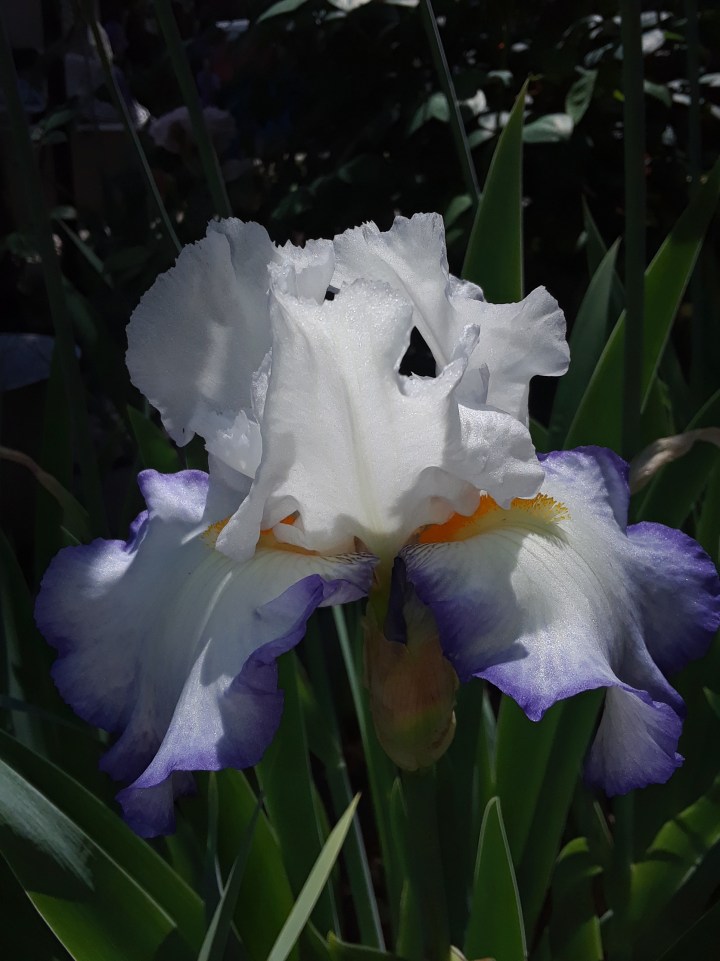
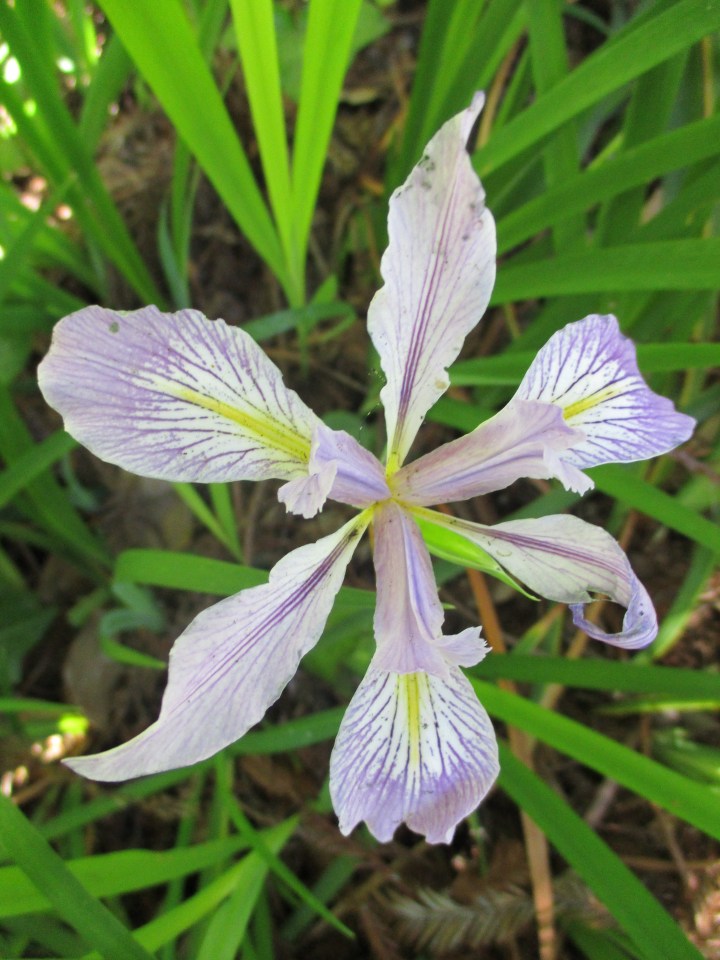 It is not as if the previous article about it was inadequate.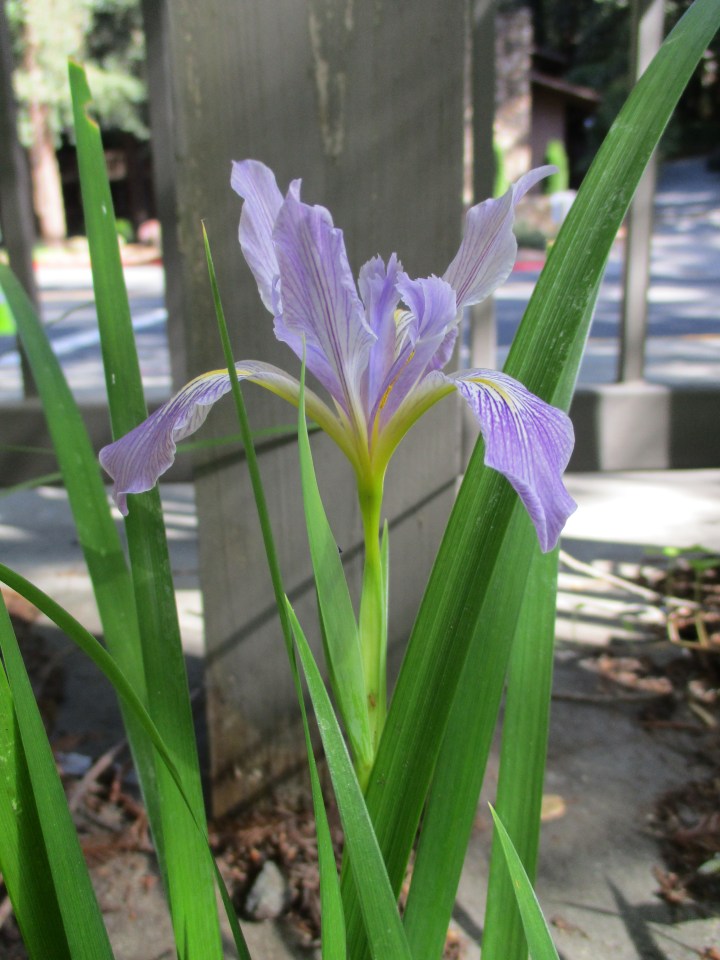
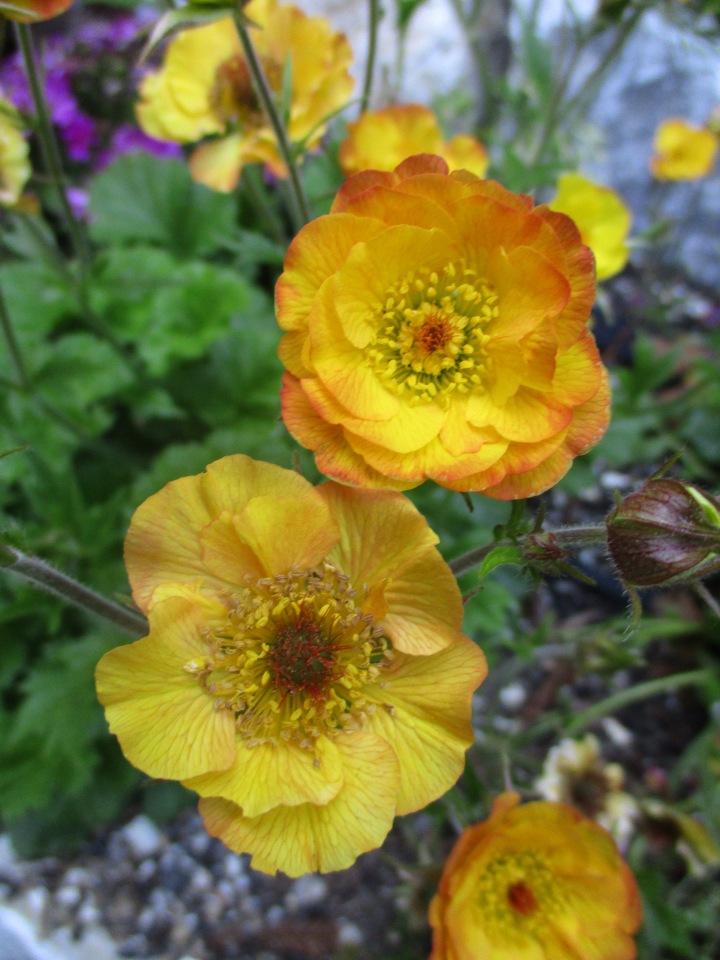 Wow, this is quite old school. Is it making a comeback? That would be nice. Avens, which is also known as Chilean avens, Geum quellyon, is an old fashioned perennial relative of the strawberry. Instead of producing fruit, it provides handsome yellow, red or coppery orange flowers that look something like small single, semi-double or double anemones, but can bloom through most of May.
 Daffodils, freesias, lilies, snowdrops and the various early spring blooming bulbs and bulb like perennials will be finishing soon if they have not finished already, leaving us with the annual question of what to do with the foliage after bloom. The plants will not bloom again until next year, and the remaining foliage might be unappealing without bloom. Much of it slowly deteriorates into summer.
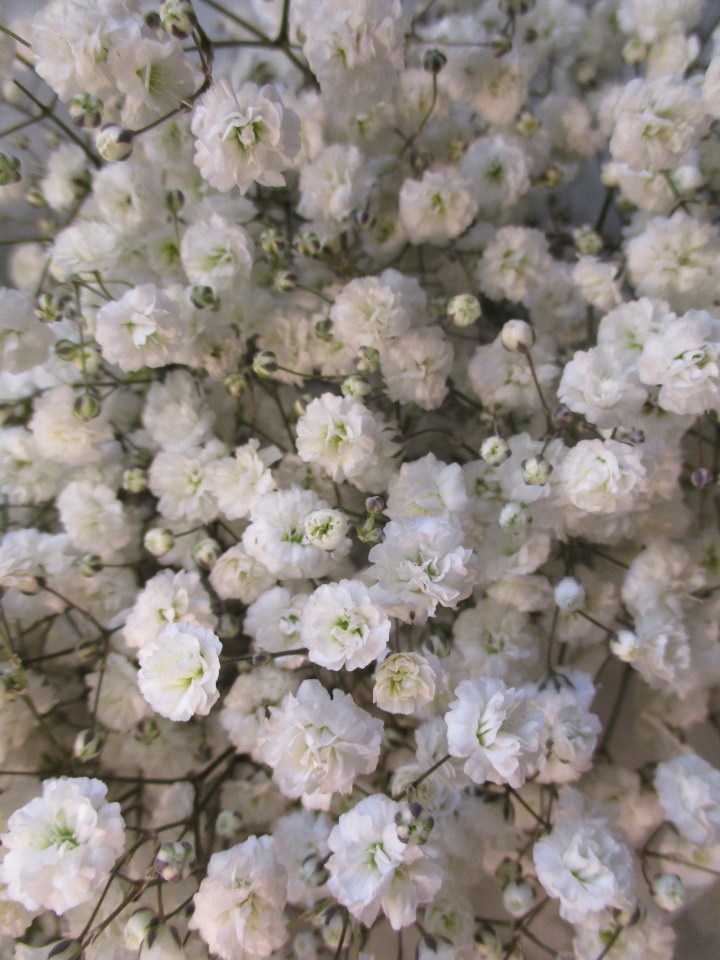 You might think that such a popular flower would be easy to get a picture of. Baby’s breath, Gypsophila paniculata, is everywhere, and almost a standard component of the mixed bouquets found in supermarkets. However, the flowers are so small and so sparsely arranged on thin stems, that they do not look like much in pictures. This picture is a closeup of a tightly bound bundle of bloom.
 It looks like sweet alyssum, but is not even close. The tiny white flowers and finely textured foliage work almost as well for similar uses in the landscape. In fact, the plants are most often grown as short term warm season annuals. However, candytuft, Iberis sempervirens, is really a perennial that can be cut back in autumn, regenerate through winter, and bloom for spring and early summer.
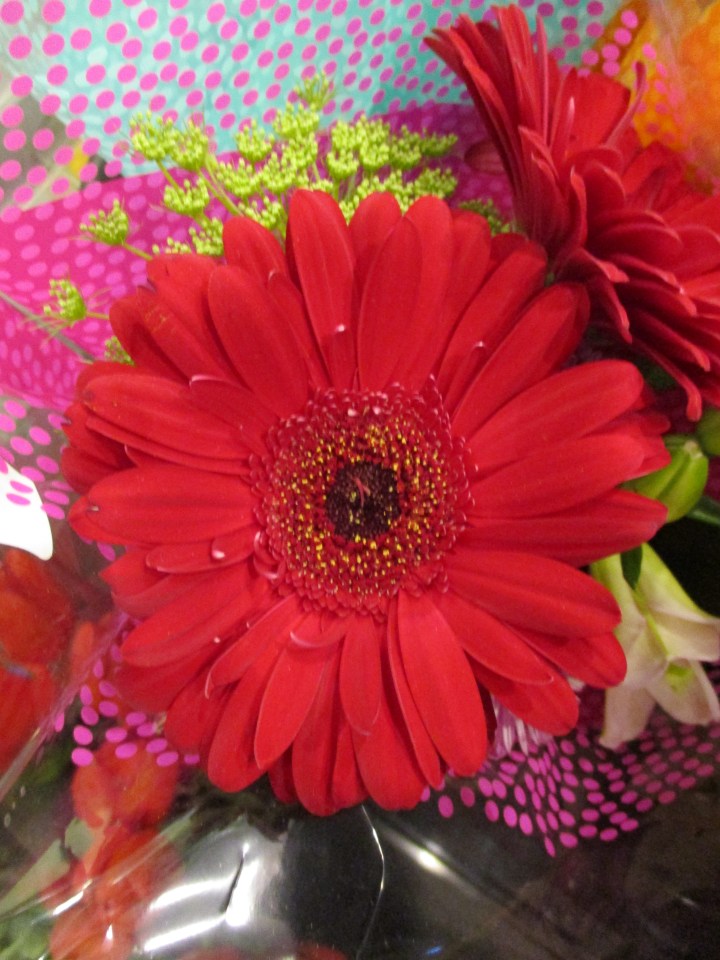 There is some controversy about the identity of the flowers that Micky Mouse picks at the porch to present to Minnie Mouse when she answers the door. Some insist that they are Transvaal daisy, Gerbera hybrida. When they are not in black and white, the substantial daisy flowers are cartoon hues of yellow, orange, red, pink and white, sometimes with chocolatey brown or black centers.
