 This is an extreme bloomer! Cineraria, Pericallis X hybrida, blooms with composite flowers, which means that each small daisy flower is really a whole bunch of minute flowers clustered together to look like a single flower. As if this were not impressive enough, a whole bunch of these composite flowers are clustered together on top of each big wide floral truss. They are not easy to ignore.
Blue, red, purple or pink bloom can be so profuse that the rich green basal foliage is only visible around the edges and below the domed trusses. Individual flowers usually (but not always) have white halos around dark centers. The soft leaves below are somewhat wide and rounded, with variably toothed margins. Big plants can get as high and wide as a foot. Some are more compact.
Cinerarias are most often obtained while blooming, enjoyed as potted plants, and then discarded after bloom, although with a bit of effort and shelter from frost and heat, they can be sustained as potted perennials to bloom again. They can be grown as short term bedding plants after frost in spring, but they require a slight bit of partial shade, regular watering and richly organic medium.
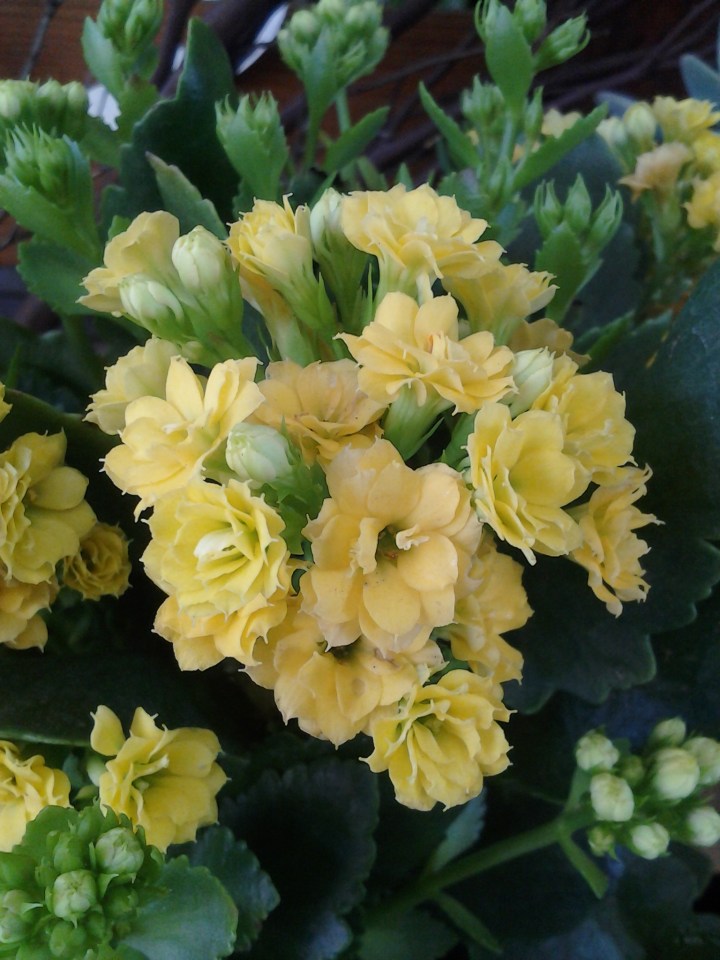 It seems like such a waste that so many of the prettiest blooming plants are generally regarded as temporary. They are grown in the most synthetic of environments, forced into bloom, sold at their prime, and kept as potted plants just long enough to finish their bloom cycle. When their bloom deteriorates, they typically get discarded, or planted out into the garden where they rarely survive.
 There is some controversy about the identity of the flowers that Micky Mouse picks at the porch to present to Minnie Mouse when she answers the door. Some insist that they are Transvaal daisy, Gerbera hybrida. When they are not in black and white, the substantial daisy flowers are cartoon hues of yellow, orange, red, pink and white, sometimes with chocolatey brown or black centers.
 This is getting to be cliché. “While they are dormant through winter”, plants tolerate all sorts of abuse that would offend them at any other time of year. It applies to planting bulbs and bare root plants. It also works for pruning deciduous fruit trees and roses. It is a predictable seasonal pattern. Most winter gardening is contingent on dormancy. Processing potted plants is no exception.
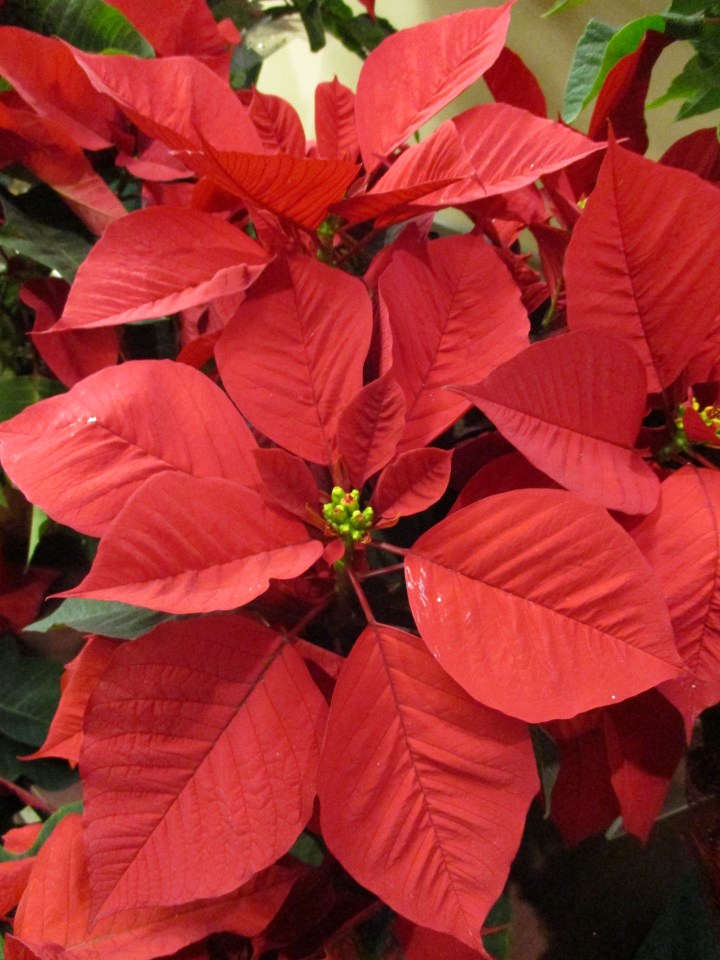 After all the Christmas decorations get put away for next year, and the Christmas tree eventually gets undressed from all its ornaments, and retired to the compost pile or greenwaste, all the pretty seasonal potted plants remain. Some will bloom, or at least maintain their current bloom, for months. Some might eventually get planted out in the garden. Others might stay potted in the home.
 The Latin name is easy to confuse with the sacred flowers of an aquatic perennial from tropical regions of Asia, or a funny looking British sport coupe. Lotus berthelotii is a diminutive terrestrial perennial known as parrot’s beak. It gets only about a foot high, and spreads to only two or three feet wide. It cascades nicely from hanging pots, and is actually rarely planted out in the garden.
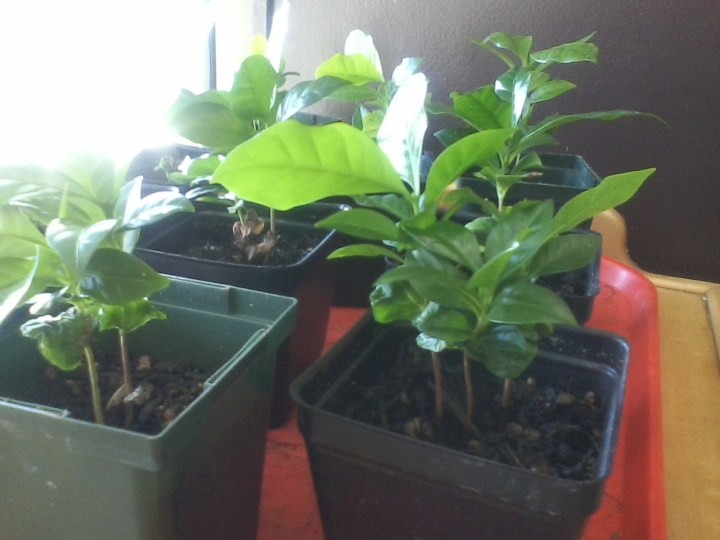 There are certain things that we expect to find in a coffee shoppe. Mainly, we expect to find . . . coffee. Yes, coffee, . . . duh. We can get all sorts of coffee beverages; hot, chilled, steamed, infused with things that have no business going into coffee. They have all sorts of cool sounding but strangely irrelevant Italian names that white people enjoy telling people of Italian descent how to pronounce. Yes, my name is Tony Tomeo; and I don’t want twenty cups of coffee with bread. Well, besides the coffee beverages, there are plenty of coffee beans; all sorts of roasts. I do not know of any coffee shoppe that grows any of the beans that it sells, but there is nice coffee shoppe in Felton, The Mountain Roasting Company, that grows coffee trees.
 Philodendrons, dracaenas, ferns, palms or any sort of tropical foliage inside our homes only create an illusion of closeness to nature. Naturally, these plants live in very different climates, mostly thousands of miles away. Not only do they have no business in our homes; they have no business on the North American Continent. Some can live in the garden, but only with unnatural watering.
 Tony Tomeo