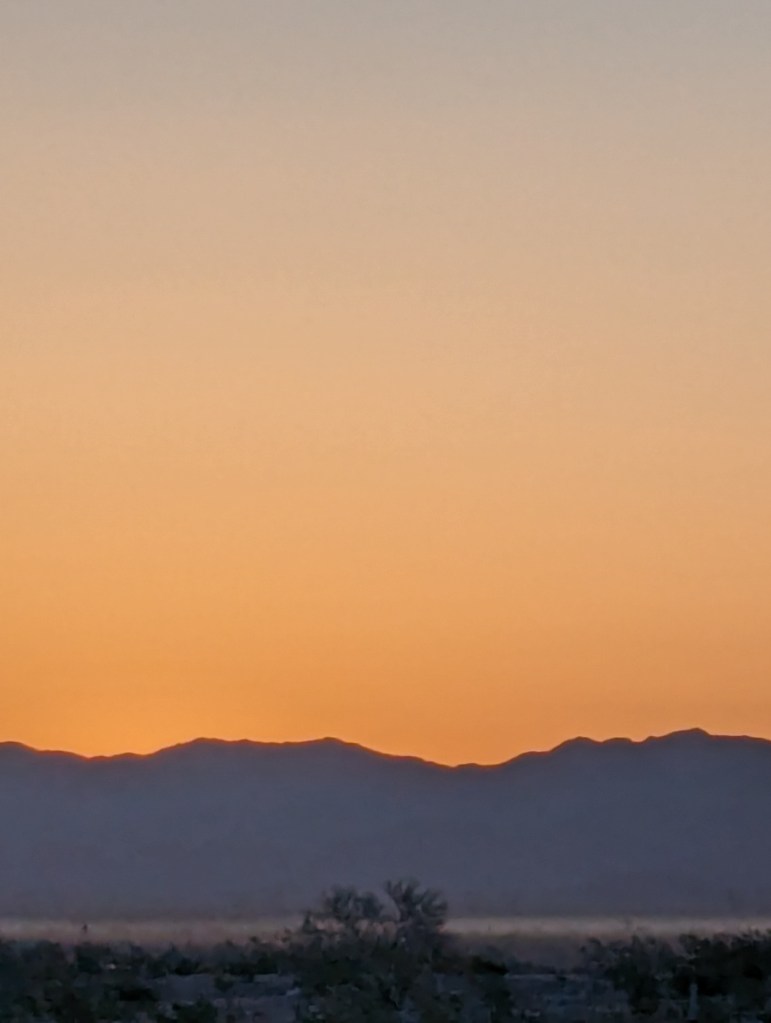
Deciduous foliage gets colorful with autumn chill. Then, it gets messy. Then, with a bit of precipitation, it gets even messier! It seems like a waste as it all succumbs to rain and, in other climates, snow. It is sensible, though. Deciduous vegetation will be less vulnerable to stormy weather without it. Weather will be getting increasingly stormy through autumn.
This is how the Mediterranean climate here operates. The dry season that begins during spring continues until autumn. The relatively shorter rainy season centers around winter. Therefore, most precipitation occurs during winter. Spring and autumn are brief transition seasons that tend to favor the dry season. Almost no precipitation occurs during summer.
Spring and autumn transitions between rainy and dry seasons are innately variable. The rainy season tends to finish early during spring, but may not. It sometimes pauses before resuming. It may do so more than once. Conversely, the rainy season tends to begin late during autumn, but may begin earlier. Occasionally, precipitation begins disturbingly late.
Generally, the first significant storm with significant precipitation begins the rainy season. This may be difficult to believe with typically significant time between the first few storms. Yet, with cooler weather, elevated humidity, and shorter daylength, moisture lasts longer. Precipitation, even if merely drizzling fog, will likely dampen gardens before they get dry.
Irrigation obviously does not need to be as generous as it was during summer. Until next spring, some vegetation will require none at all. Not only will weather provide and retain more moisture, but vegetation uses much less. Refraining from manual irrigation is easy. Adjustment of automated irrigation systems actually requires more effort and awareness.
As deciduous species defoliate for winter, some other species might get more vivacious. Cacti, agave, and some yuccas that lack irrigation become more turgid with precipitation. Remaining palo verde foliage is likely to become greener and fresher prior to defoliation. Most xeric species utilize moisture from precipitation as it becomes available seasonally.
 Hollywood is famous as the Cinema Capital of the World. Niles was its predecessor. Both are within regions of remarkably diverse scenery that is so important to cinema. Mountains, deserts, chaparrals, forests, lakes and big cities are conveniently nearby. There are not many places in the World with such a thorough mix of geography and climate. California really does have it all.
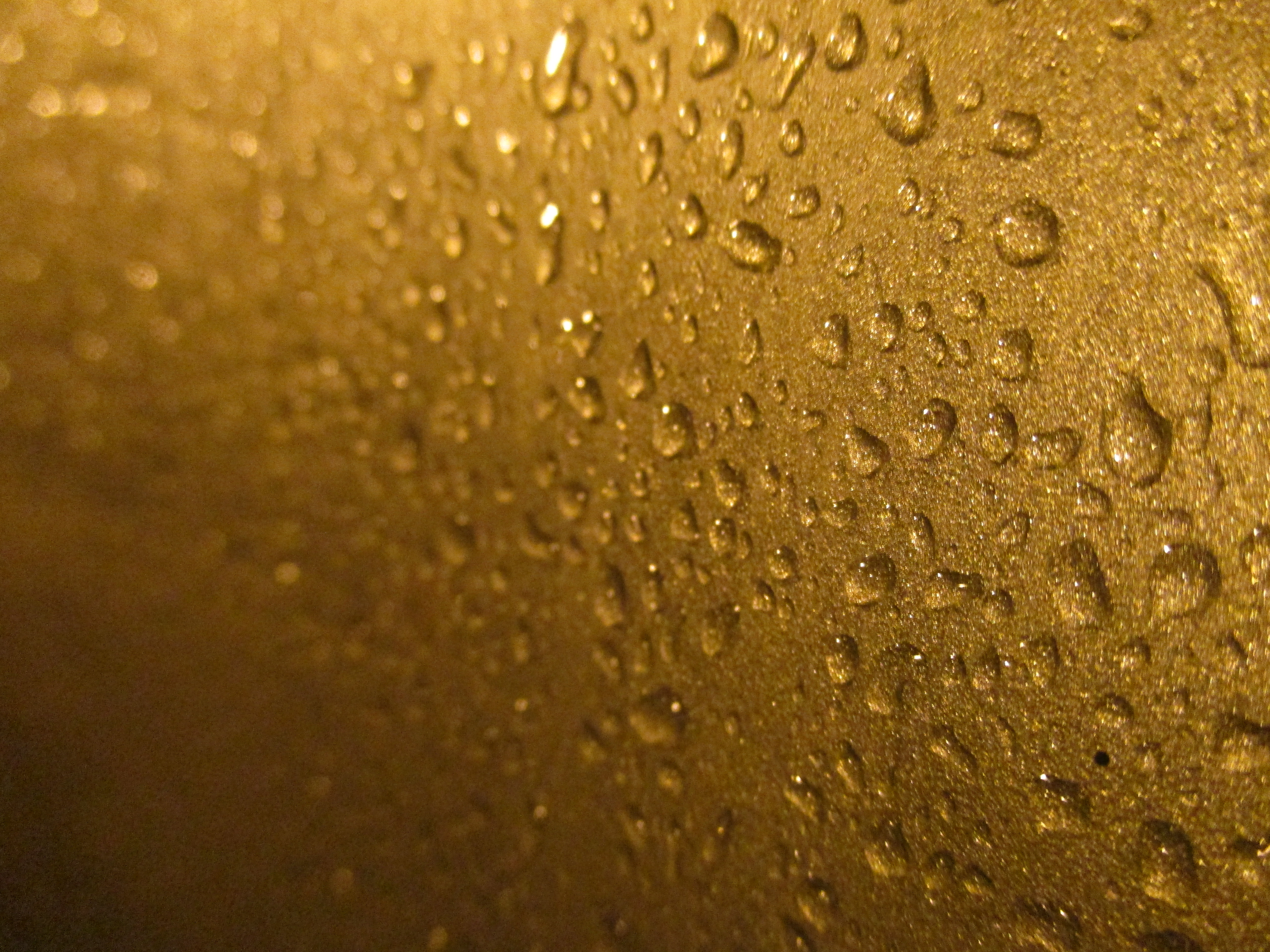 There have been only three hints at precipitation since last spring.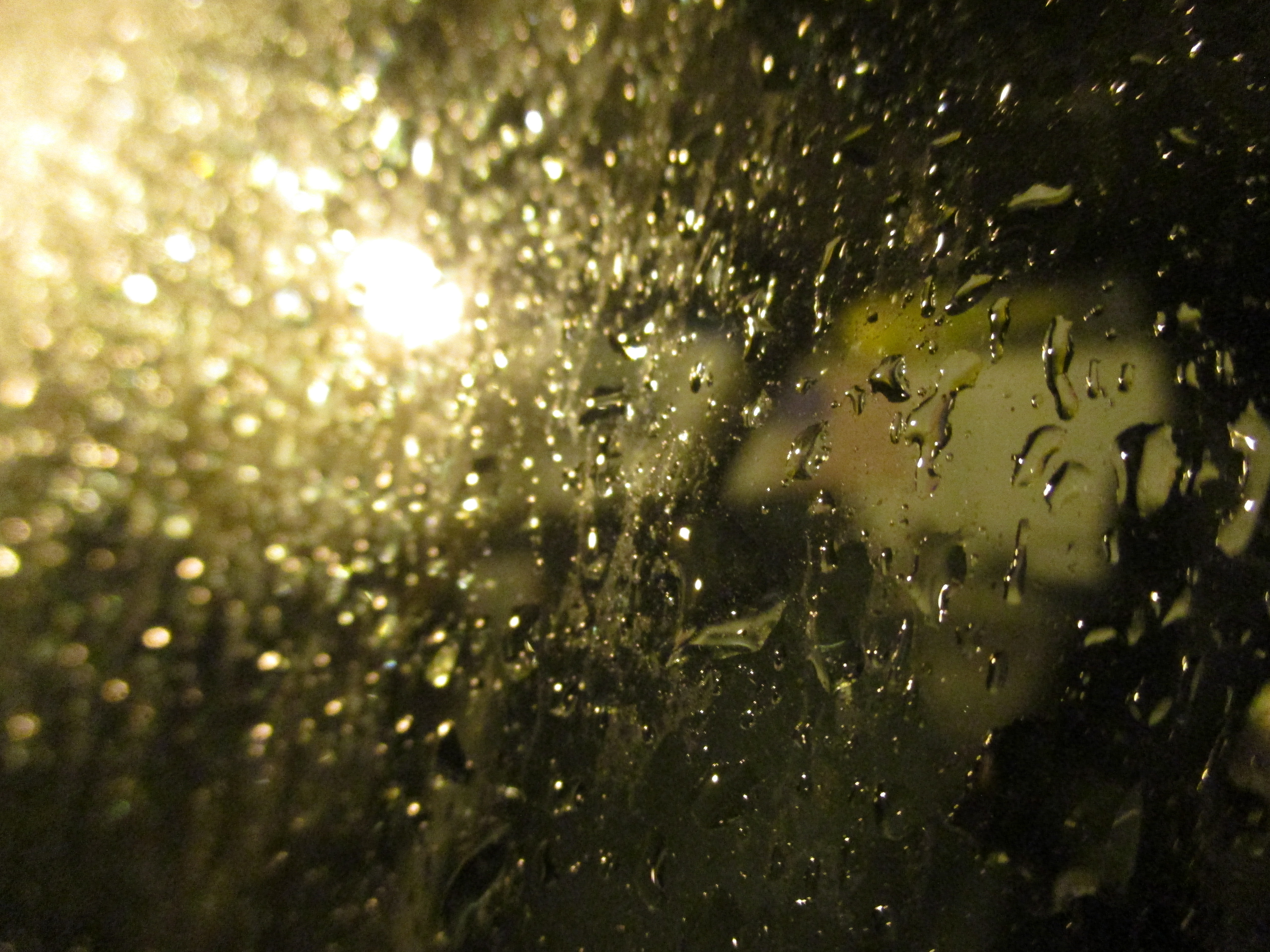
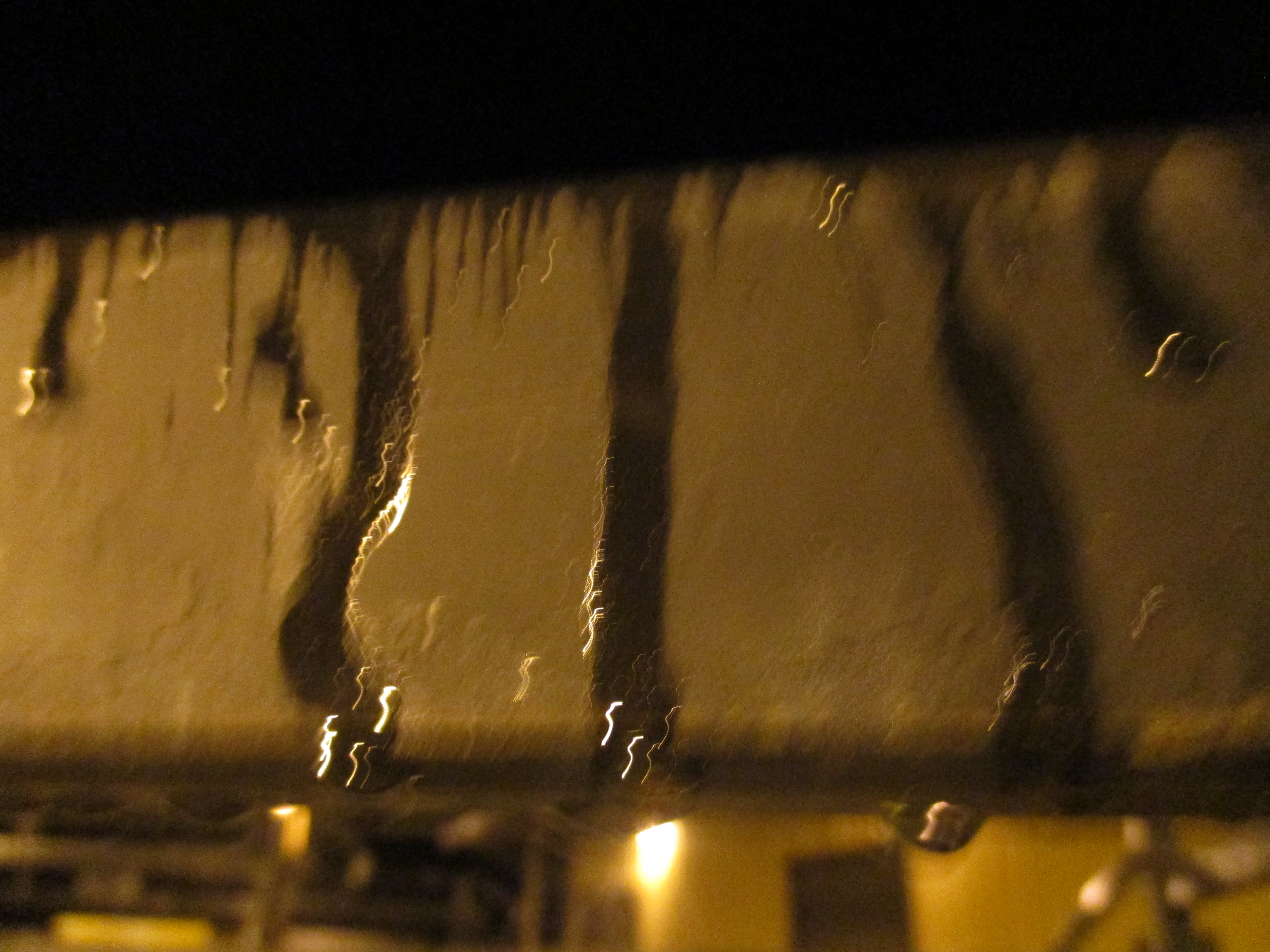
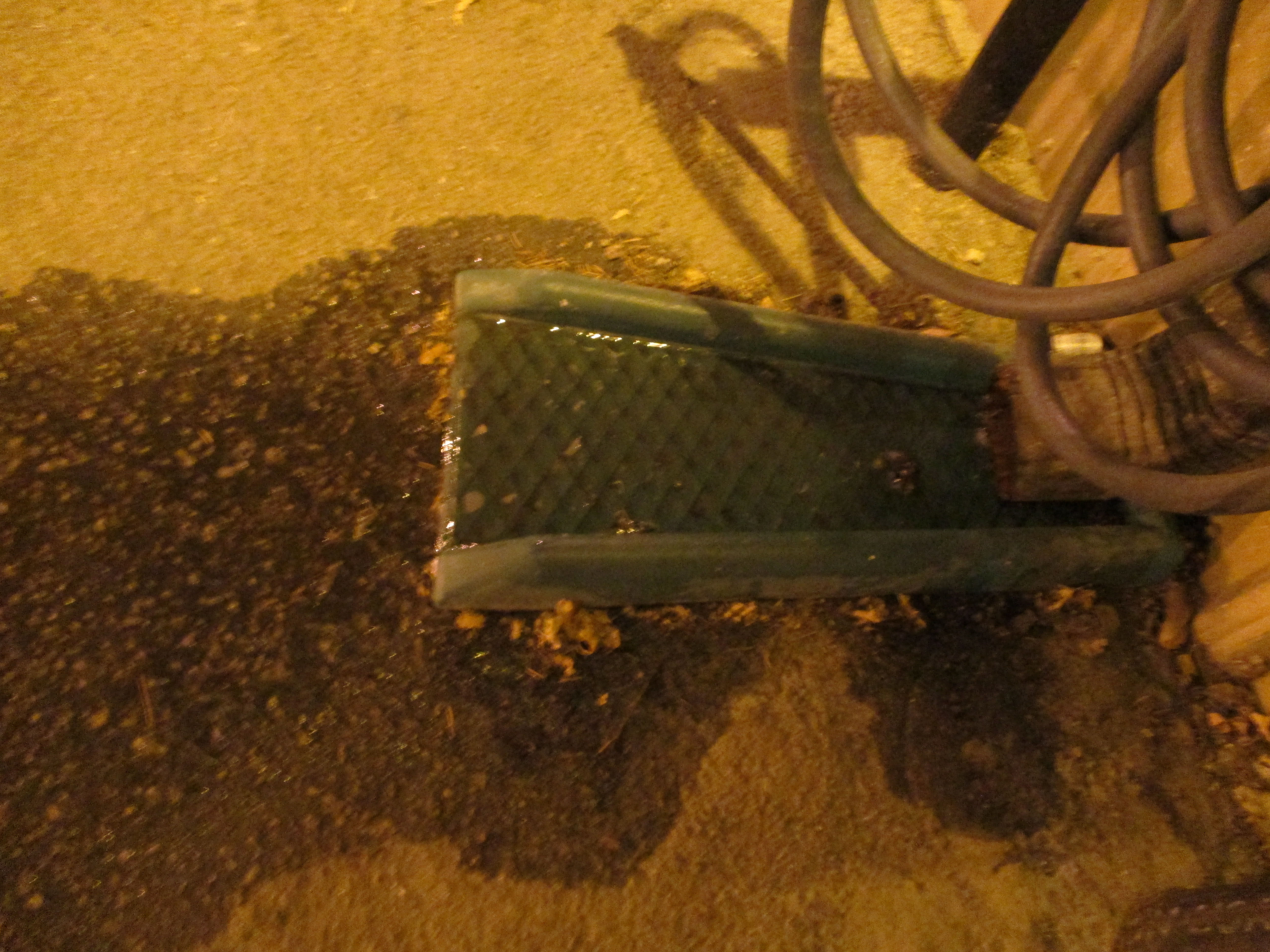
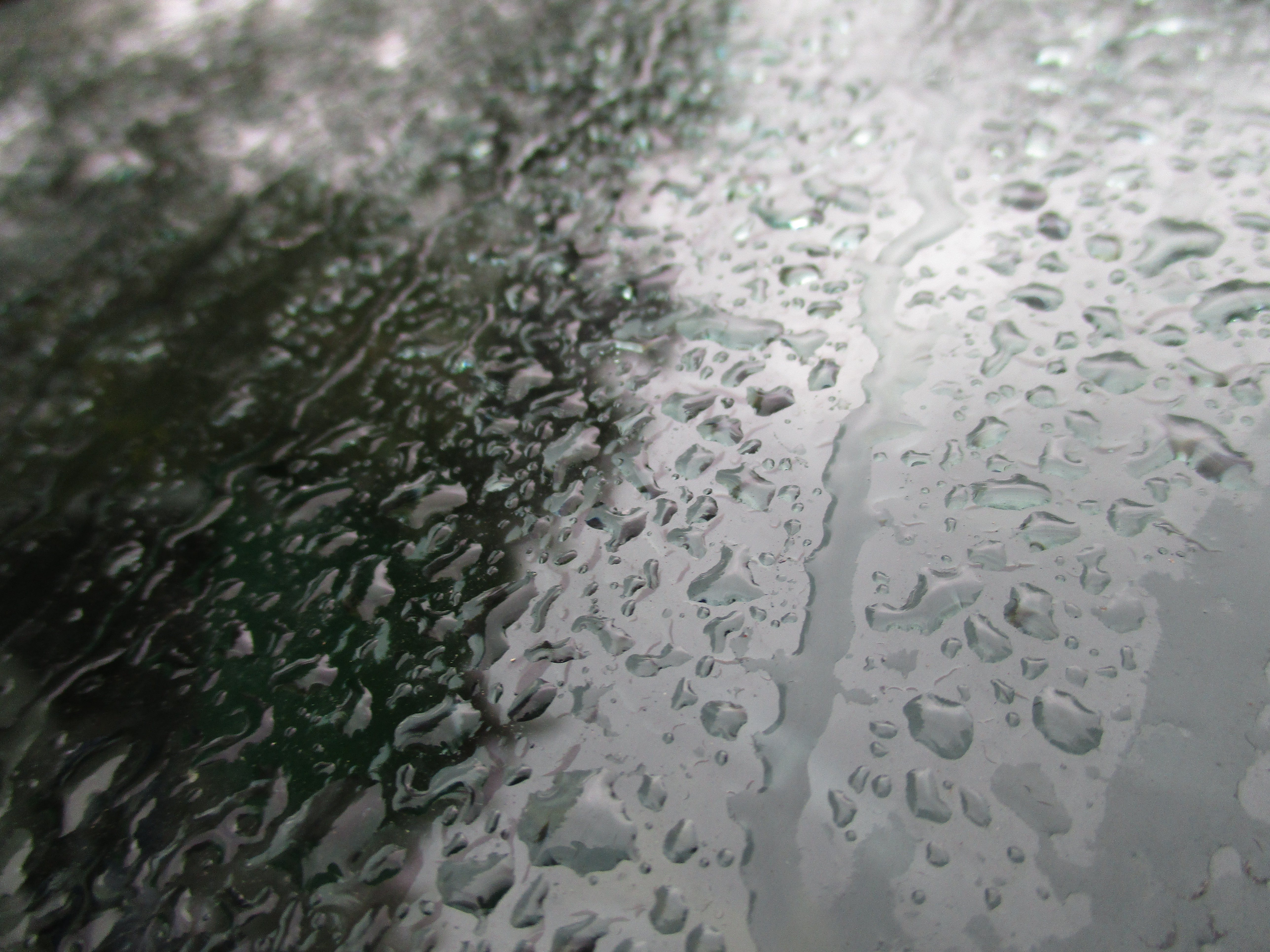 Most of us here agree that the minimal bit of precipitation that fell from the sky on Thursday was not real rain. There are a few different theories about what it actually was though. It could be considered to have been drizzle. It alternatively could have been heavy fog or mist. Some of us make up silly names for what it was, such as fine rain, dusting, spritzes, sprinkles or mizzle.
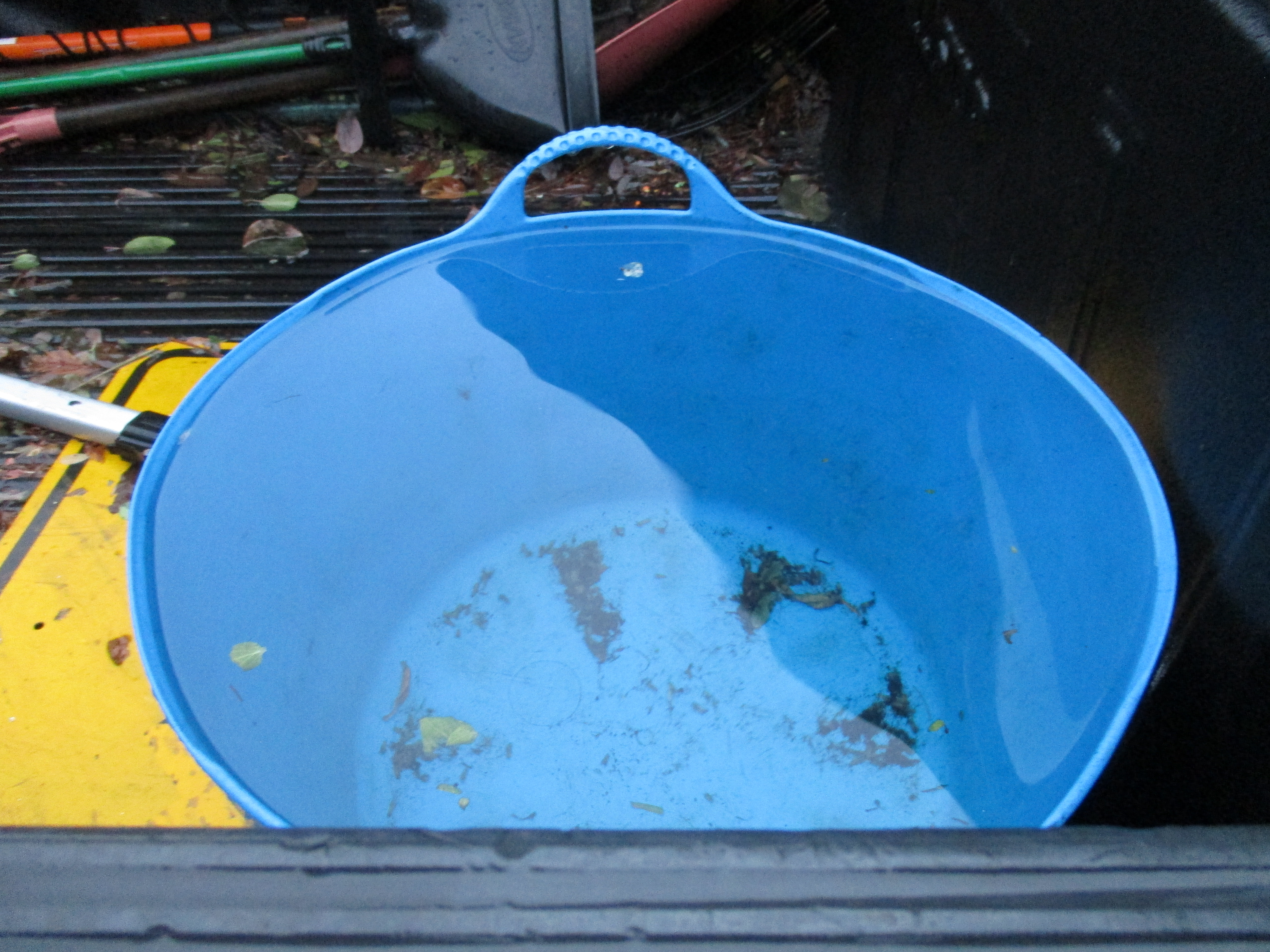
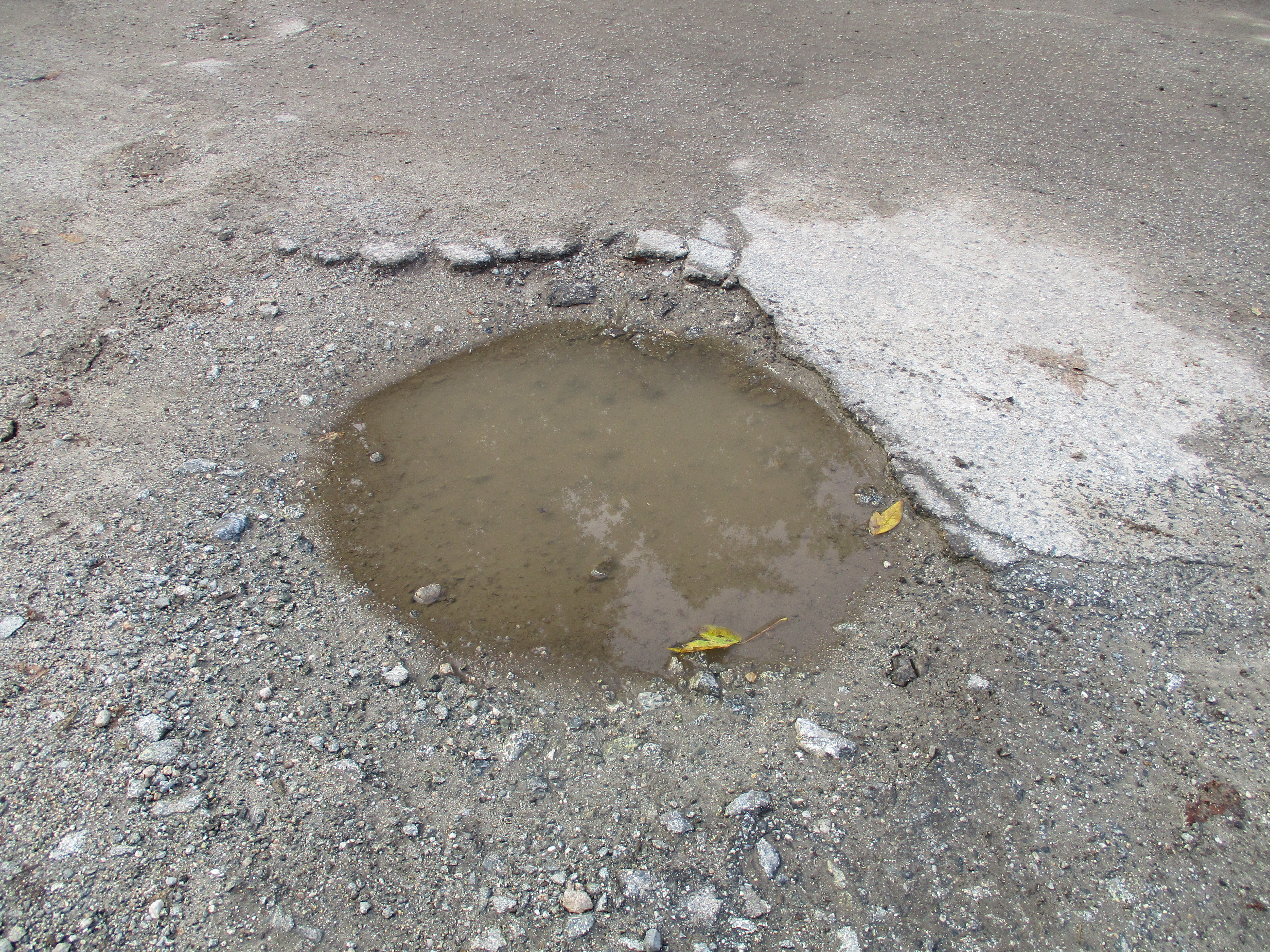 Like something from an old fashioned science fiction movie, this anomaly appeared in a roadway overnight. There are several more in other roadways and elsewhere about town. They are quite wet. In fact, they are composed almost completely of water. What is even weirder is that the water that they are composed of actually fell mysteriously from the sky overnight as many countless droplets all over town! Many of these droplets migrated into low spots such as this one to form what we now see in this picture.
 Tony Tomeo