Halloween is the Holiday that I loathe most, for several reasons. Nonetheless, pumpkins that are grown almost exclusively for Halloween, are one of the main crops of Half Moon Bay and the rest of coastal San Mateo County. One of my classmates at Cal Poly was Half Moon Bay Pumpkin Queen of 1985! I am actually rather fond of pumpkin. Where I lived in town, neighbors left pumpkins on my porch after Halloween. They were bright orange but mildly flavored Jack O’ lantern types, but were good enough for me to can enough to last until the next Halloween. Anyway, these six might have been more appropriate prior to last Halloween.
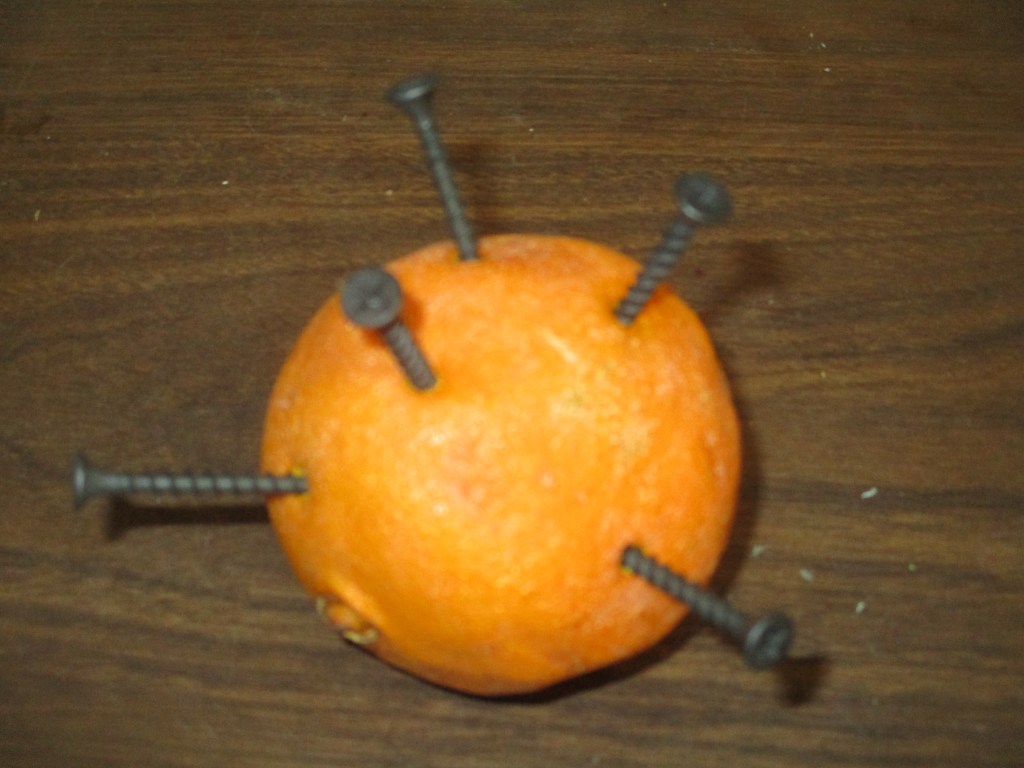
1. Screwball! Seriously, what is this? I did not grow this orange. I have no idea how it got impaled by all those screws. I just found it here. It resembles a character of ‘HellRaiser’.
2. Skeletal remains of trees that were burned by the CZU Fire, which I happened to write about on Halloween last year, were likely Douglas fir. They look like the Haunted Forest.

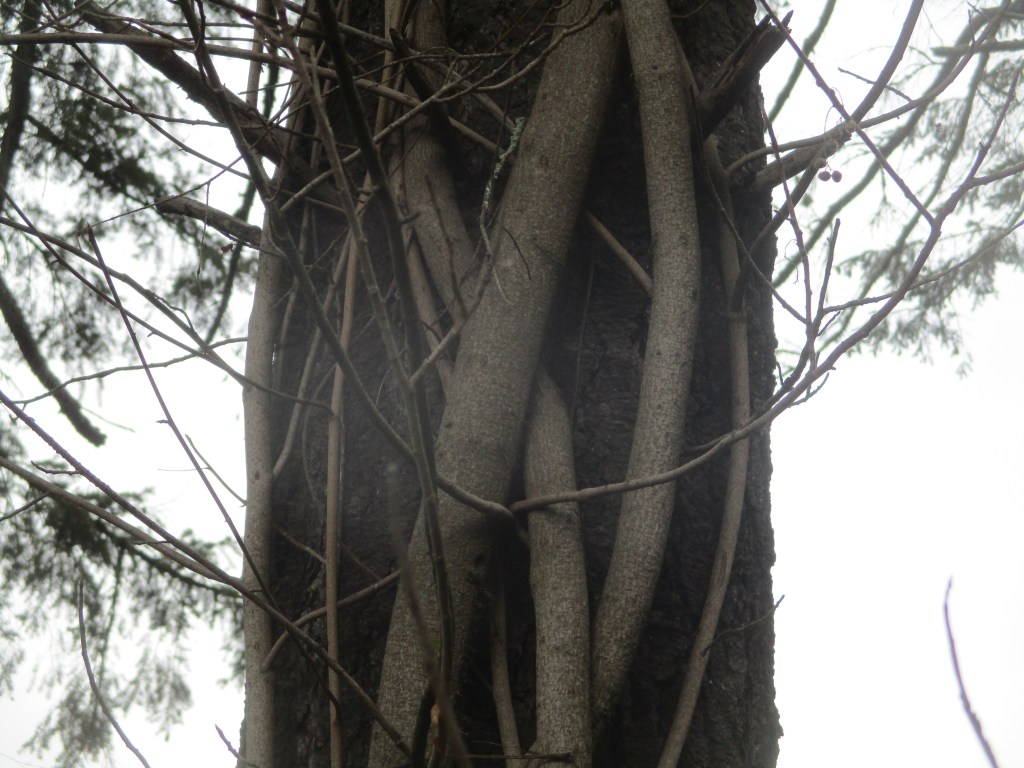
3. Poison oak is a nasty species in all regards. Not only are most people very allergic to it dermally, but it looks evil also! These vines look like they want to strangle their support.
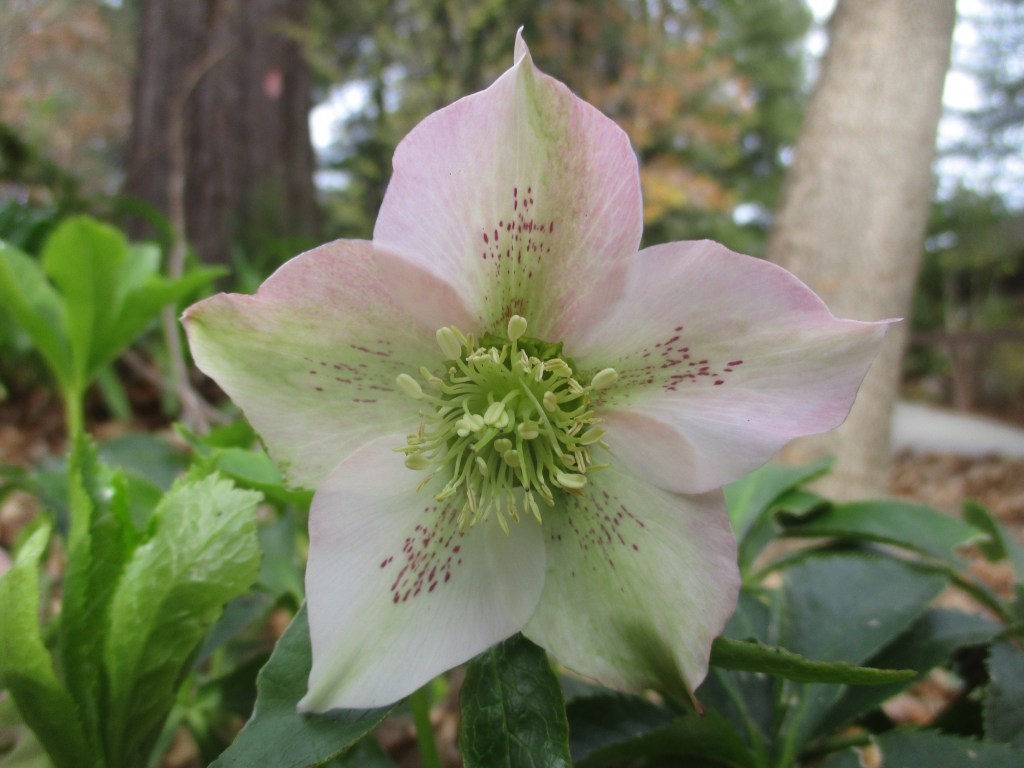
4. Hellebore does not perform well here. Perhaps it might perform better if it were bored in . . . someplace else. This is likely my favorite since it is white; but such a ghastly white.
5. Ignore the diminutive werewolf to the lower left, and the background flora too. Notice the bridge above instead, and the bright orange horticultural oddity in the middle below.

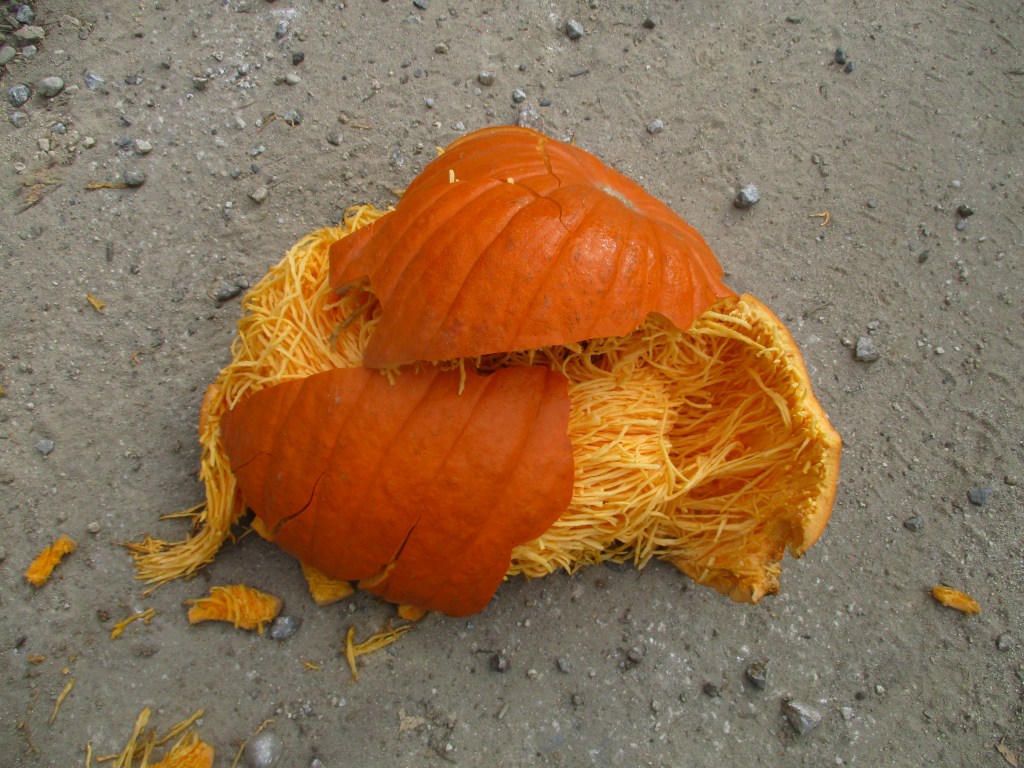
6. Pumpkins are squash. This one demonstrated that characteristic splendidly. Now that Halloween was a month and a half ago, most go to waste. At least this one had some fun.
This is the link for Six on Saturday, for anyone else who would like to participate:
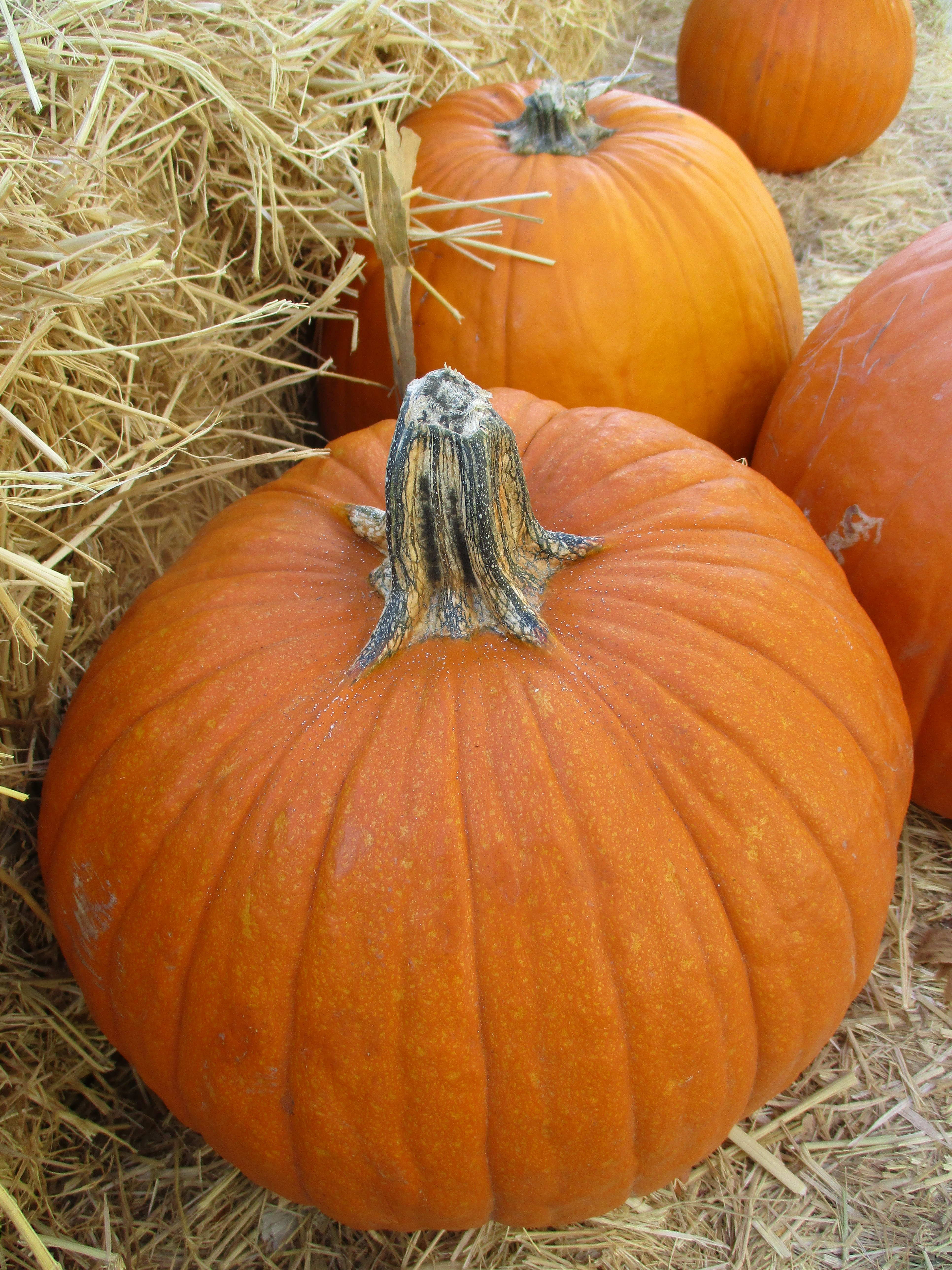 It really would be nice to be able to transform a pumpkin into a chauffeured coach to ride to the ball, just by waving a magic wand over it. A Buick would be even more excellent! Over the years, as the variety of new Buicks has diminished to not much more than a few SUVs that are scarcely more stylish than pumpkins, the variety of pumpkins has grown crazily. Form is not following function.
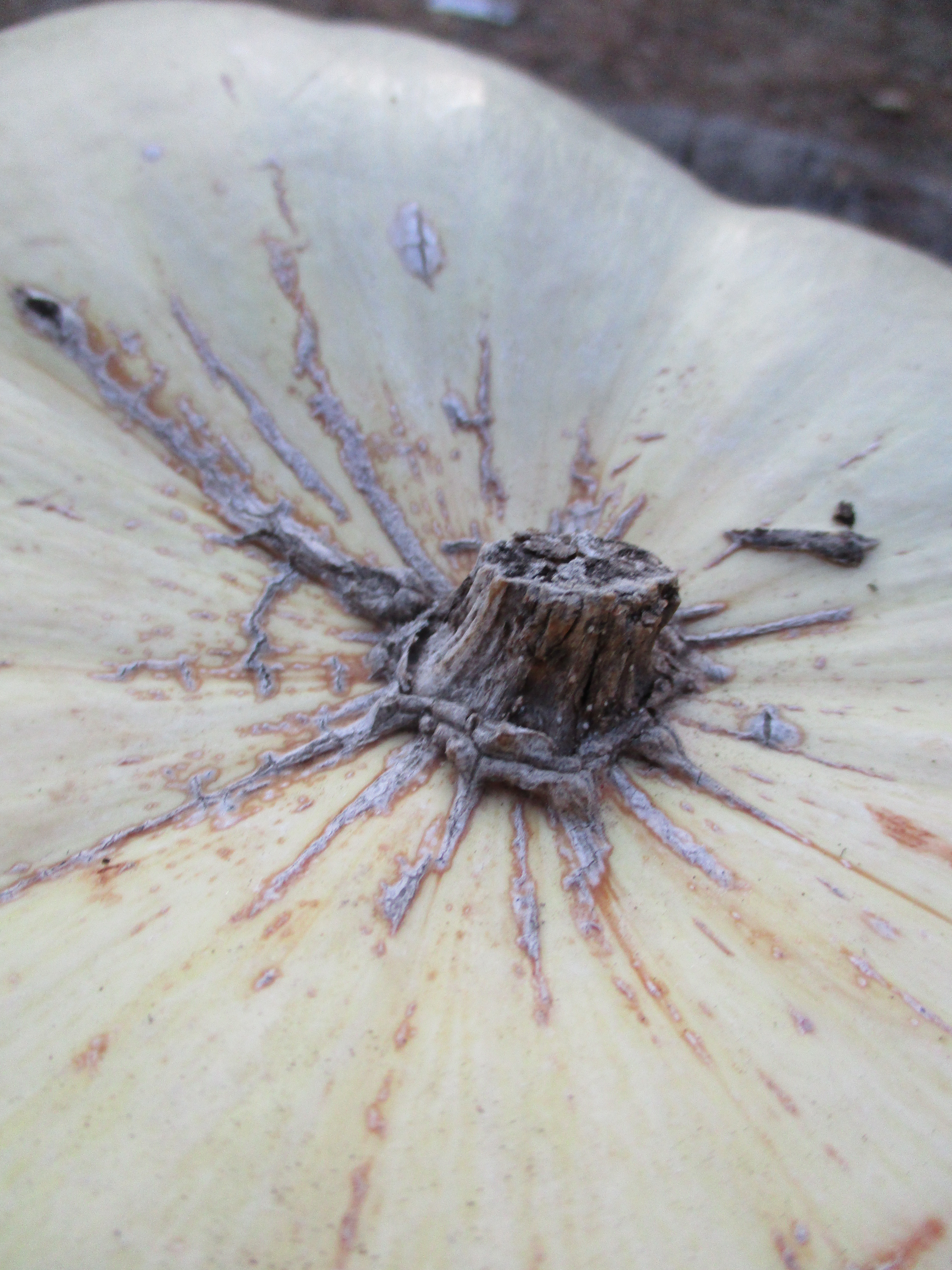 Winter squash are not exactly the sort of cool season vegetables that their designation implies. They grow through the summer just like summer squash do. Both winter and summer squash are warm season vegetables that get planted early in spring. The difference is that summer squash get harvested regularly through summer, and winter squash get harvested only once after summer.
 Tony Tomeo