Recycling can be a bad habit. We accumulate more material here than we can use back out in the landscapes. Some gets shared with friends and neighbors. Of these six, all but the Agave (#4) grew from seed, so are not cultivars. Although the Agave grows from genetically identical pups, no one know what species it is! Fortunately, around here, we are not too discriminating.
1. Liquidambar styraciflua, after pruning to compensate for severed roots, has only a few twiggy branches, but is more than sixteen feet tall! What a homely sweetgum! Was it worth recycling?
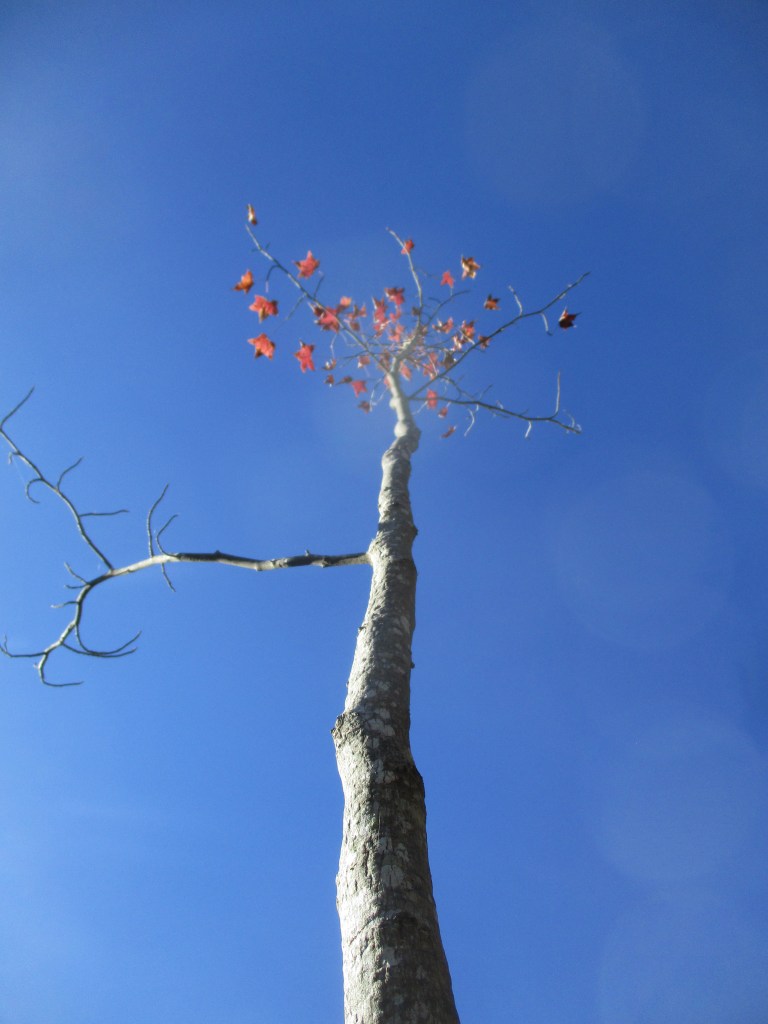
2. Liquidambar styraciflua grew from seed where it could not stay. It is twice as tall as the eight foot bed of the pickup is long. The roots are now contained in a squatty #15 (fifteen gallon) can.

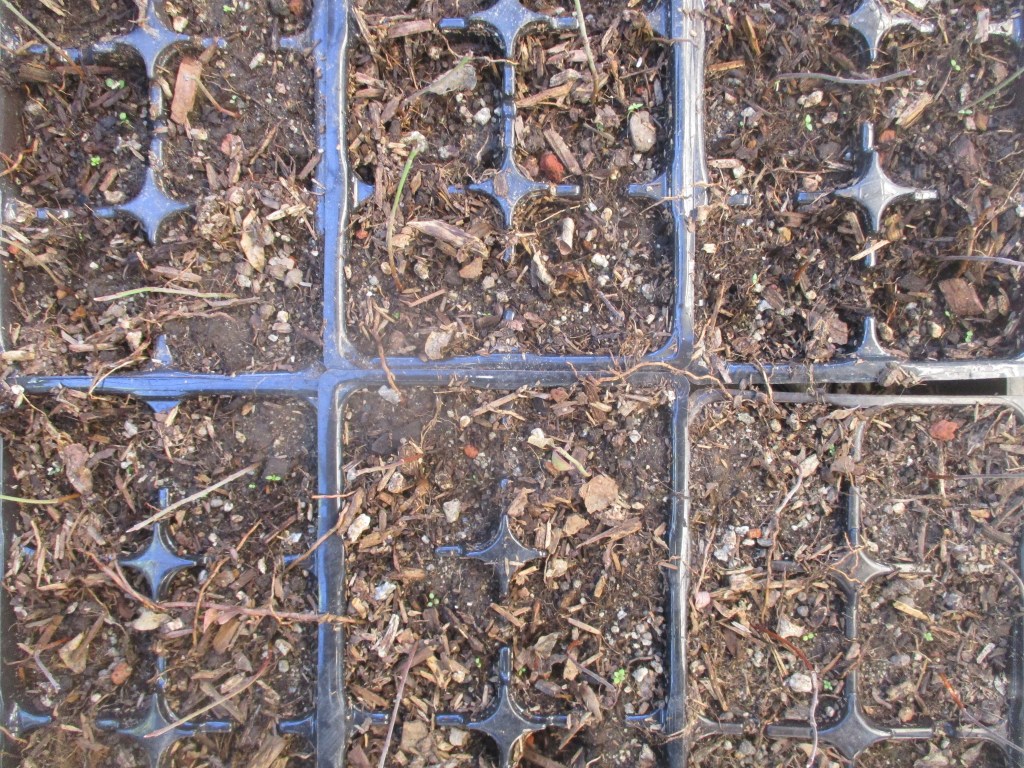
3. Cornus florida, flowering dogwood, was significantly more prolific with seed than the sweetgum. We wanted to recycle just a few seedlings, but got eighty four. Each cell contains a seedling.
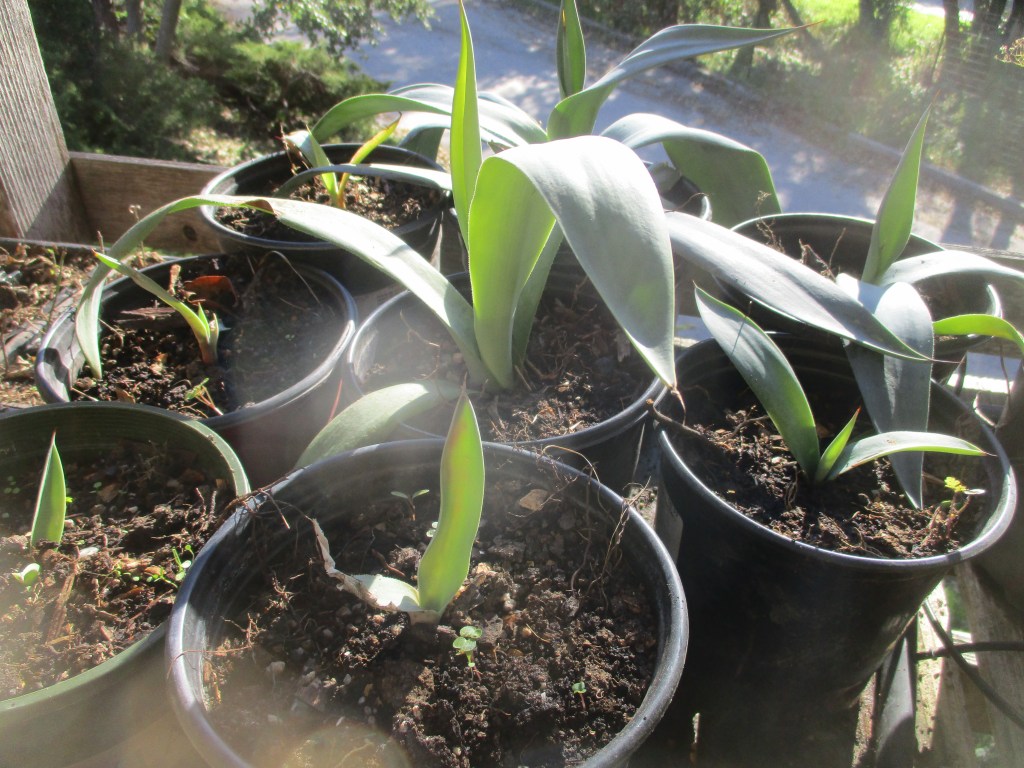
4. Agave of an unknown species was removed from one of the landscapes a few years ago, but has been trying to regenerate since then. We dig and can the pups, but cannot give them all away.
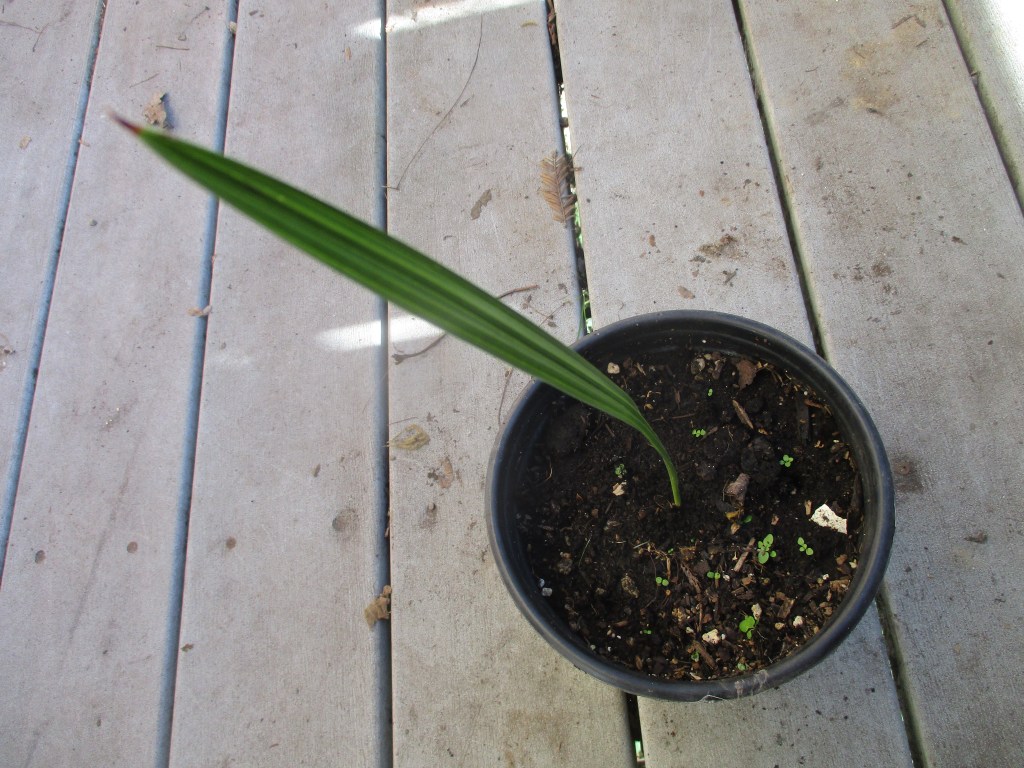
5. Phoenix dactylifera, date palm, grew from seed in a compost pile. There are about seven of them. It is impossible to predict which will be female, or what the quality of their fruit will be like.
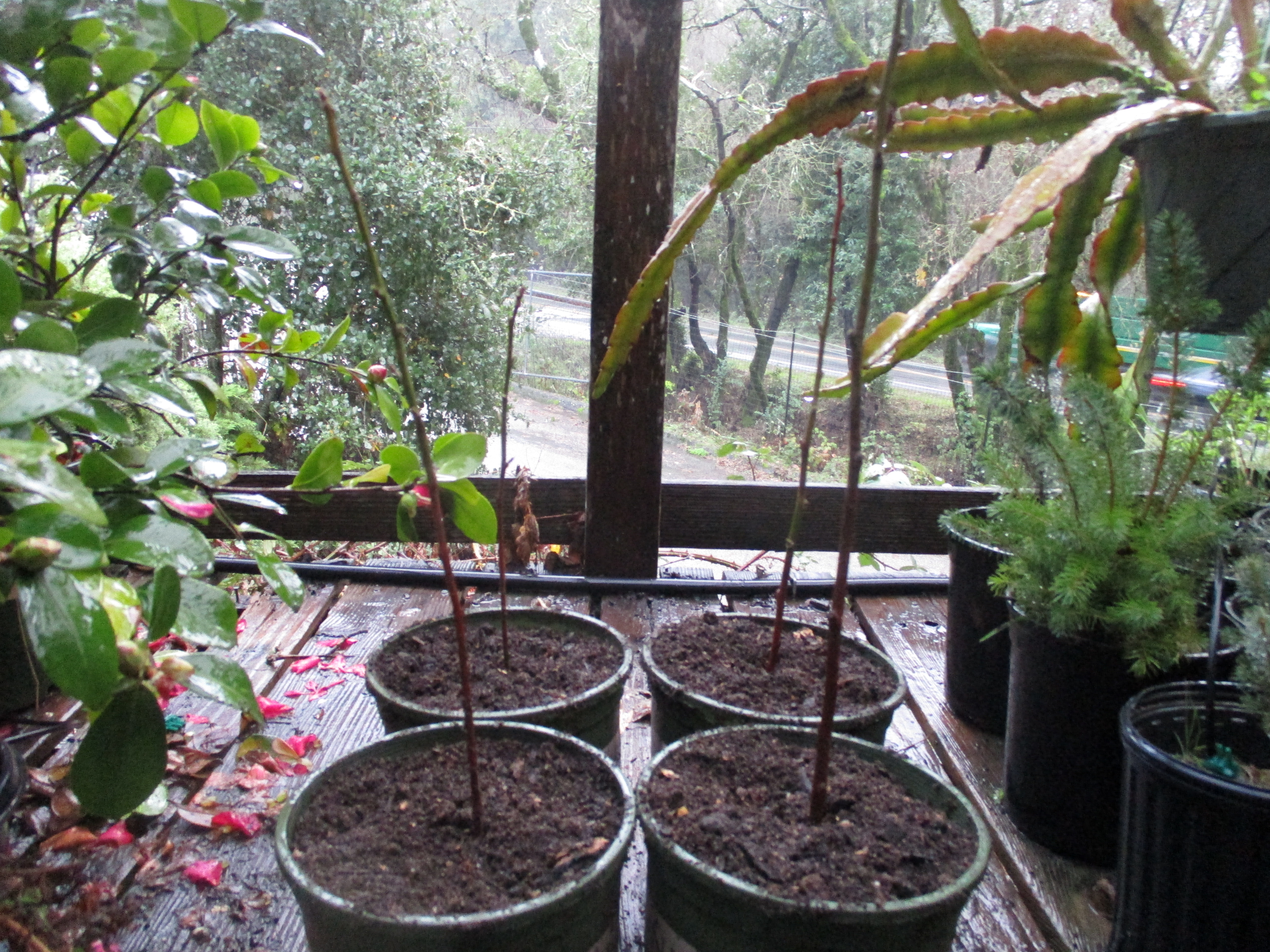
6. Acer platanoides, Norway maple, might be invasive, even here. A few that grew from seed in one of the landscapes were therefore removed, but not discarded. I used them as understock for the much more desirable and noninvasive ‘Schwedler’ cultivar last year. The scions, which are above the yellow tie, did not take. I must now try again, or pollard them so they produce no seed.

This is the link for Six on Saturday, for anyone else who would like to participate:



 Recycling plant material is practical and gratifying. We do quite a bit of it here. Back in September, I
 Tony Tomeo