
Contrary to what the pleasant weather suggests, it is still winter. Most plants are resisting the temptation to break dormancy prematurely. They must know that the days are still short, regardless of the weather. Most plants are surprisingly proficient with scheduling. Nonetheless, dormant pruning should happen sooner than later. This includes pruning roses. They have been ready for a while.
Technically, roses are ready for pruning as soon as they begin to defoliate. Also technically, rose pruning can be as late as the buds of the bare stems remain dormant. Later pruning is preferable in some regions where pruning wounds are susceptible to pathogens. Such delay is riskier here where mild weather can disrupt dormancy prematurely. Wounds are less vulnerable to pathogens.
Pruning roses is about as important as pruning deciduous fruit trees. Without adequate pruning, rose plants become too overgrown to perform properly. Crowded stems are unable to elongate as they should. Diseases and insects proliferate in congested foliage, and damage bloom. Specialized pruning concentrates resources into fewer but significantly more vigorous stems and flowers.
Although the technique may seem to be drastic, pruning roses is not very complicated. Hybrid tea, grandiflora and floribunda roses should retain only three to six of their most vigorous canes. The canes should be only about two feet tall, and cut just above a healthy bud. If possible, they should be canes that grew during the previous year, from bottom to top. Older canes should be removed.
Pruning roses of other classifications may be slightly different. Some types may retain more canes. Climbing types likely retain old canes for several years before replacement. Carpet roses and other ungrafted roses can be cut nearly to the ground, leaving no canes at all. Tree roses are like bush types, but on top of short trunks. New canes grow from their graft unions on top of the trunks.
Of course, potentially vigorous sucker growth that develops from below the graft union of any grafted rose must go.

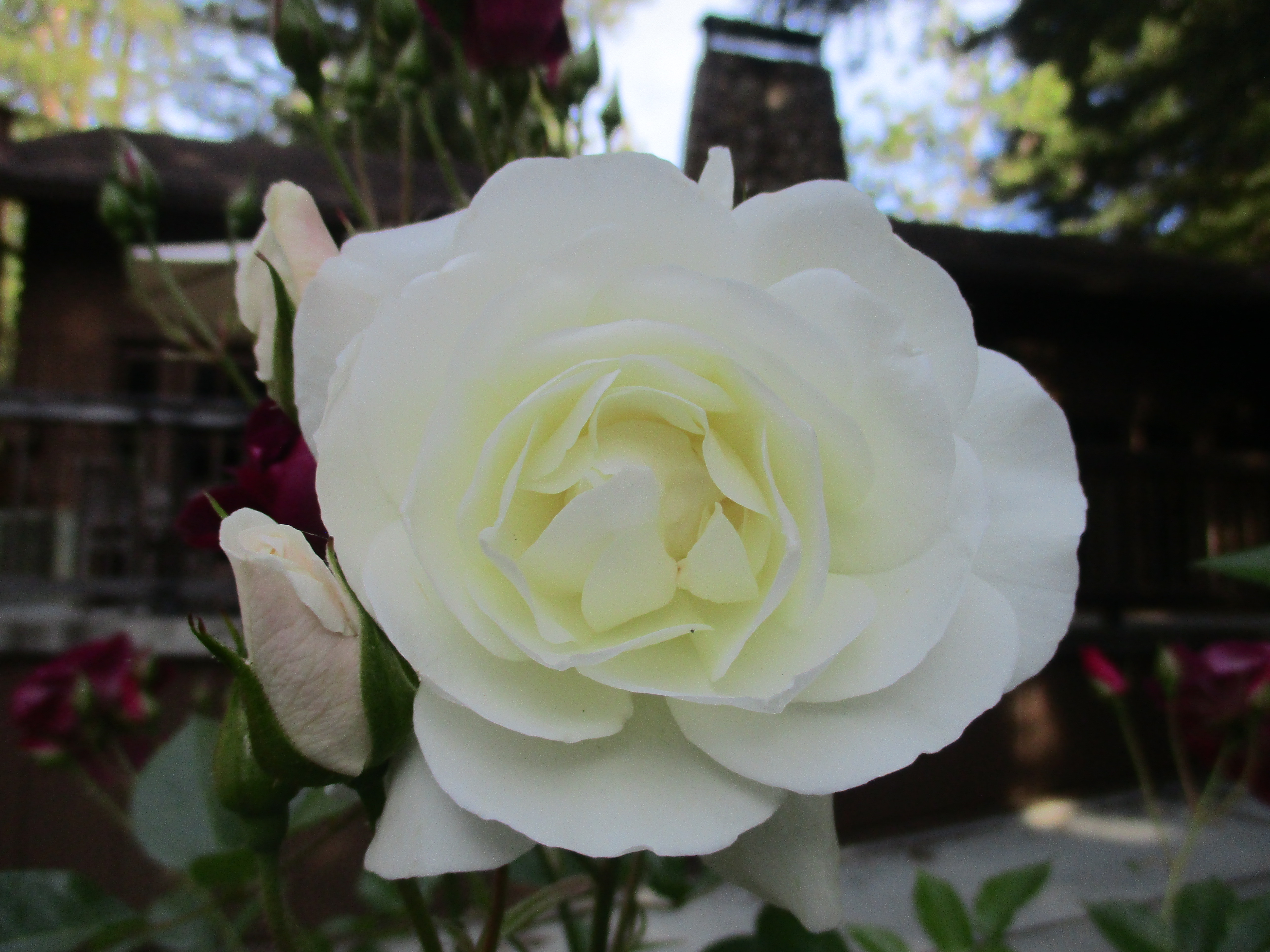

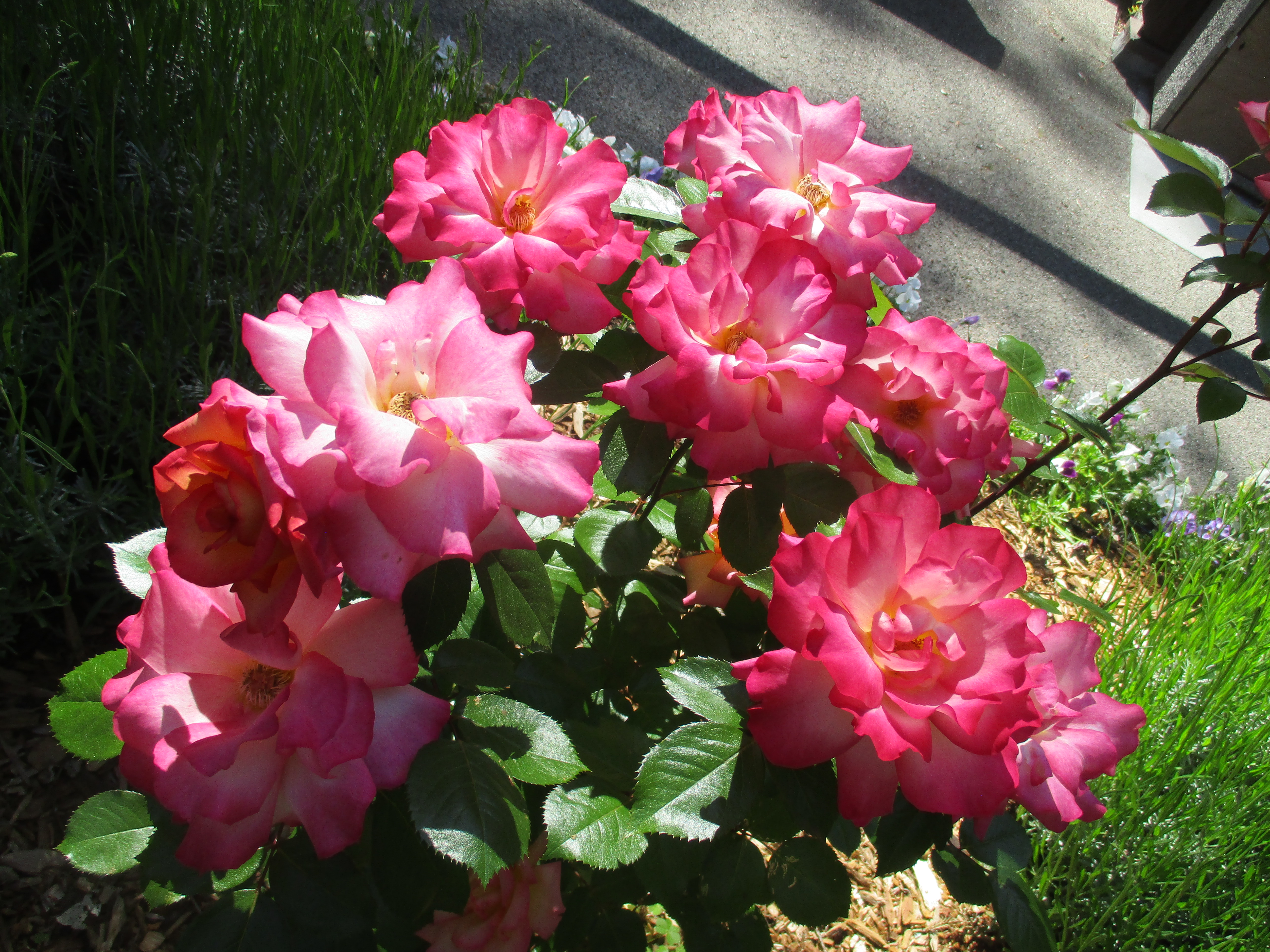

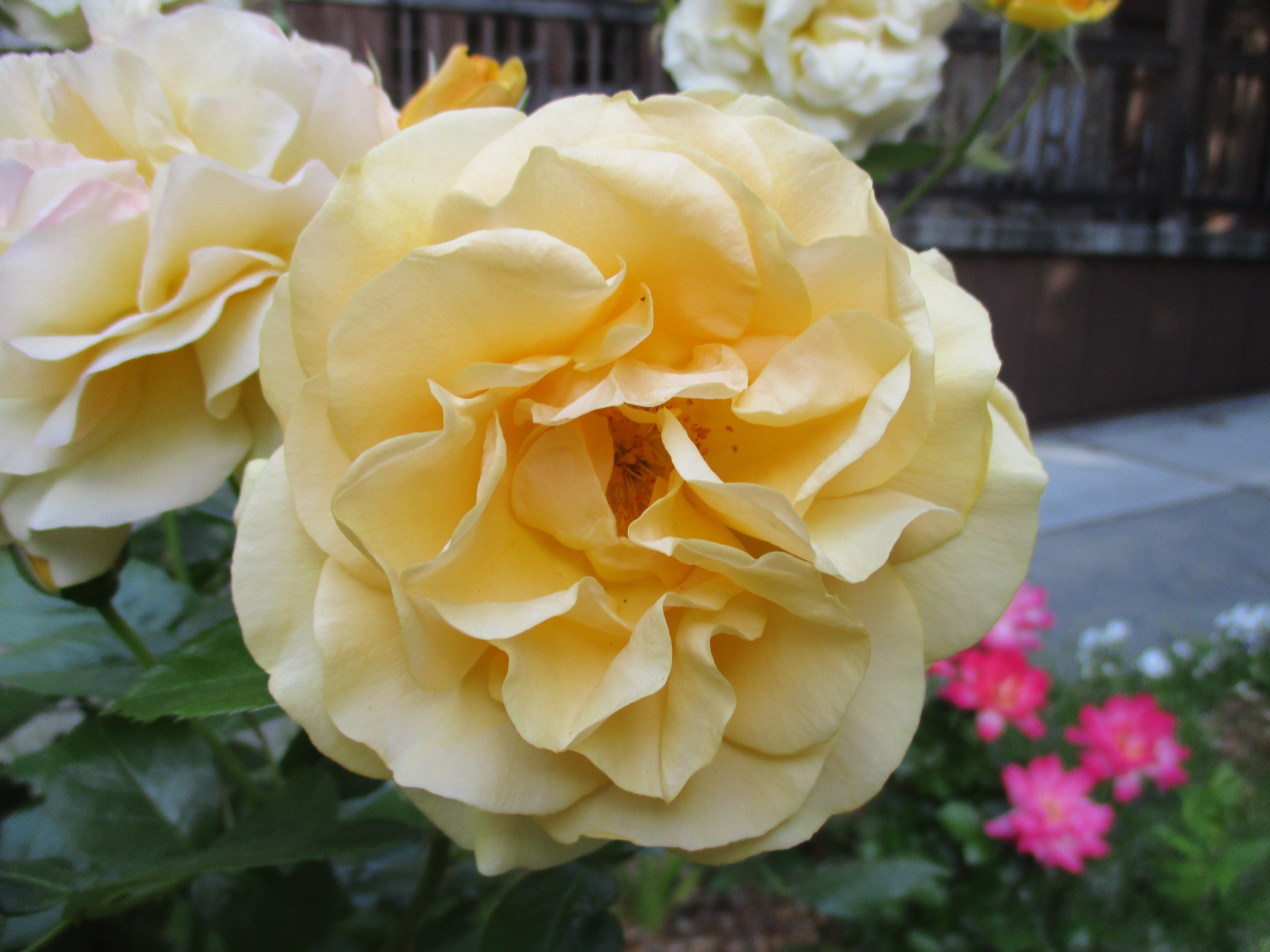
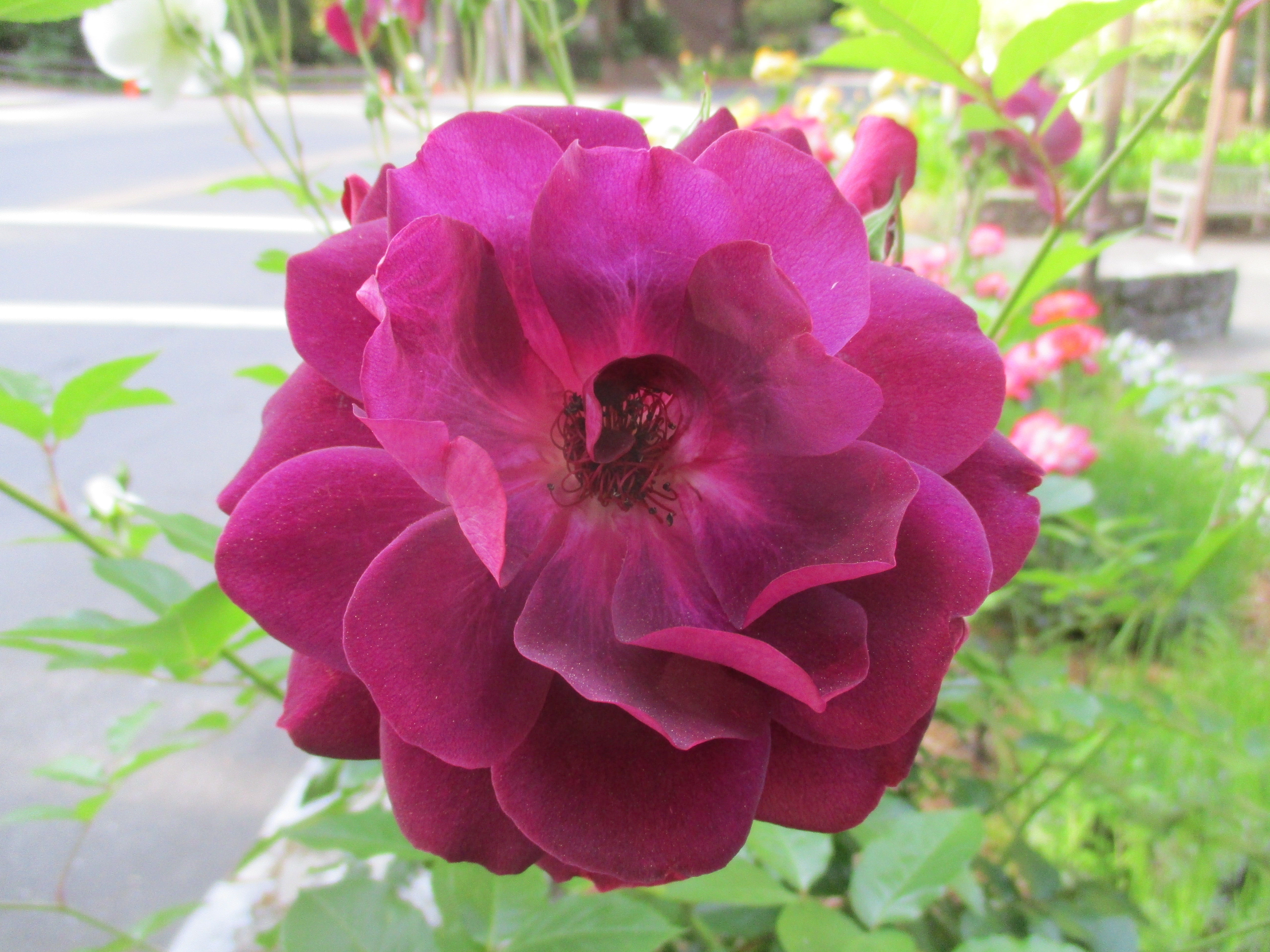
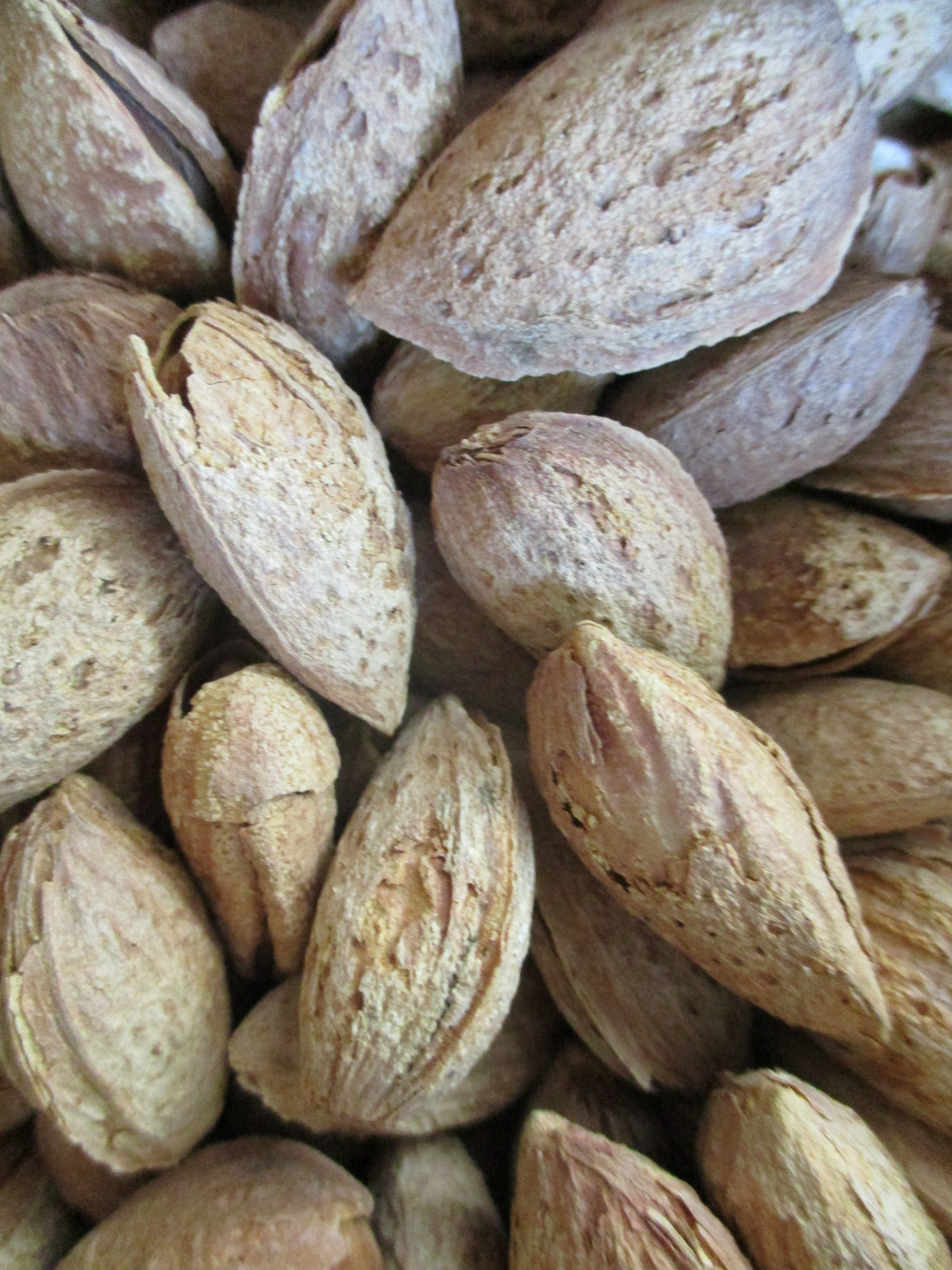

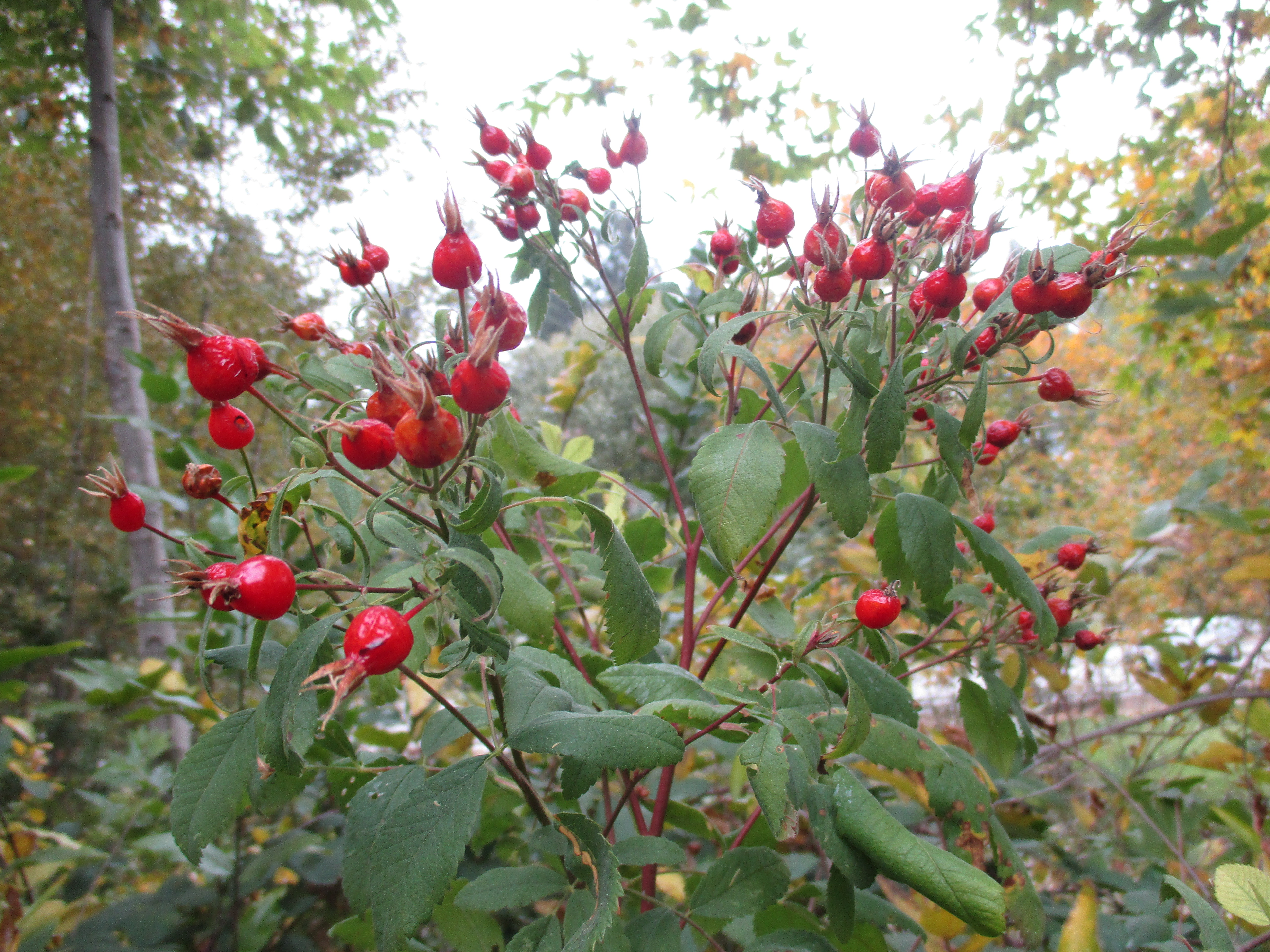 Chopped dried rose hips can be purchased from a supermarket in town that stocks an impressive variety of useful bulk herbs. They are used as a dietary supplement and remedy for several minor ailments. Although most of the copious vitamin C they contain while fresh is ruined by drying and storage, they are still popularly used as a remedy or preventative for colds and flu.
 What a delightful surprise! It happens sometimes here in the rose garden. It may not look like much, as a short stemmed single lily floret that is mostly overwhelmed by the English lavender that I held back with my boot for this picture. It should be three feet tall or so, with several florets. The surprise is that no one planted it. Well, at least no one planted it recently. This rose garden has more history than is obvious from what blooms here now.


 Tony Tomeo