The Need For Seed

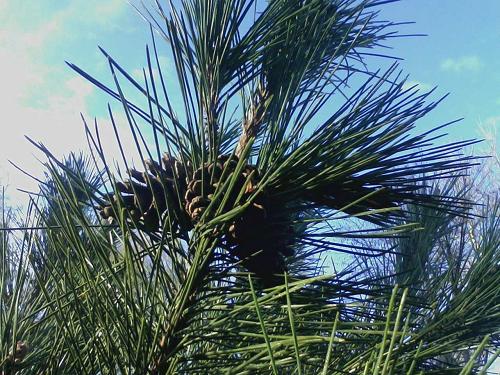
Seed for some pines is easy to collect as their cones open during warm summer weather. However, some pine cones must be dried or even heated to release their seed.

Lily of the Nile is so easy to propagate by division of congested old plants that not many of us bother to grow it from seed. No one wants to leave the prominent but less than appealing seed pods out in the garden long enough to turn brown and ripen after the blue or white flowers are gone anyway. Besides, only the most basic old fashioned varieties reliably produce genetically similar seed, and even these often revert between blue and white. Yet, collecting seed for propagation is still an option for those who do not mind the risk of genetic variation.

The natural variation of flower color among seedlings of some plants can actually make gardening a bit more interesting. No one really knows if naturalized four o’ clocks will bloom white, yellow, pink or red until they actually bloom. The few types of iris that produce viable seed almost always produce seedlings with identical flowers, but oddities sometimes appear. (Most bearded iris have serious potential for genetic variation, but do not often produce viable seed.)

Cannas are likewise likely to produce seedlings that are indistinguishable from the parents. However, seedlings of many of the fancier cultivars are often variable. Their seed are very hard so should be scarified before sowing. However, I find that I get so many canna seeds that even if less than half germinate without scarification, there are too many anyway! (Scarification involves scratching or chipping the hard seed coat to promote germination. It can be as simple as rubbing the seeds on a file or sand paper, but should not be so aggressive that it damages the seed within.) 

African iris are just as easy to divide as lily of the Nile are, and are as easy to grow from seed as naturalized four o’ clocks are. The difference is that they lack genetic variation, so are always indistinguishable from their parents. The only problem is that they are so easy to propagate that they can soon dominate the garden.

If seed capsules have not been groomed from the various perennials and annuals that can be grown from seed, or if they have been left out in the garden intentionally so that they can ripen, this would be a good time to collect them for their seed. (Four o’ clocks should have been collected earlier though.) Seeds from certain trees, such as silk tree, redbud and the many specie of pine, can likewise be collected. Most seeds prefer to be sown about now to chill through winter, since cold winter weather actually promotes germination when weather warms in spring. However, seeds for annuals and frost sensitive perennials, like cannas, that might germinate early and get damaged by frost, should probably wait until the end of winter to get sown.

The Spring Rush Is On

Pittosporum can be pruned aggressively now.

It is safe to say that any remaining frost damage can be pruned away. Frosted foliage and stems were only left through winter to help insulate inner stems from more damage by subsequent frost, and to avoid stimulating new growth that would be even more sensitive to frost. Now that there is no threat of subsequent frost, and surviving but damaged plants are growing anyway, there is no reason to retain unsightly frosted foliage. The few plants that do not regenerate probably did not survive.

Spring is the busiest time of year for most plants. By now, most have either bloomed or will be blooming soon. Early spring bulbs have already finished. Later bulbs will be blooming soon enough. Deciduous plants that were bare through winter are developing new foliage. Evergreen plants are likewise growing new foliage to replace older foliage that will get shed later in the year.

If necessary, flowering cherry, flowering crabapple, lilac, forsythia and mock orange (Philadelphus) can be pruned as they finish bloom. Flowering cherry should not need much; but flowering crabapple might be in need of aggressive structural pruning. Some of the older canes of lilac, forsythia and mock orange can be pruned to the ground, where their replacement canes are probably already emerging.

Overgrown or disfigured oleander, photinia, bottlebrush, privet, pittosporum and juniper that need restorative pruning can be pruned now. They recover most efficiently in early spring, and have plenty of time to develop plenty of new growth before they slow down again next autumn. If pruned much earlier, they would have stayed bare longer, since they would not have grown much through winter. Besides, almost all pittosporum are susceptible to disease if fresh pruning wounds are exposed to rainy weather.

Seed can be sown for any of the warm season vegetables and flowering annuals, such as zucchini, corn, okra, nasturtium, lupine and sunflower. Tomato, pepper, eggplant, petunia, marigold and busy Lizzie (Impatiens) can likewise be grown from seed, but are easier to grow from small cell pack plants. Cuttings of jade plant, iceplant, sedum and all sorts of succulents, as well as divided pups of aloe, agave and yucca, really get going well this time of year.

Six on Saturday: Do you know the way to San Jose?

Rhody and I needed to go to San Jose for the past three days, and will be going there again at least until April. We had not been there or even into the Santa Clara Valley for a very long time. I did not realize how long we had been gone until I collected my accumulation of mail on the way through town, and found Christmas cards!

1. Tecoma stans is the second most important topic of my Six for this week! The Shrub Queen sent me these seed from wild plants that are native to Southern Florida! It is so rare here that I had seen it only a few times prior. A compact cultivar became available only a few years ago. I wanted the straight species. Embarrassingly, these seed were in my mailbox since December.

2. Camellia japonica is still blooming, with buds that will continue even longer. Technically, it is not late. Some bloom as late as March. I do not remember the name of this particular cultivar.

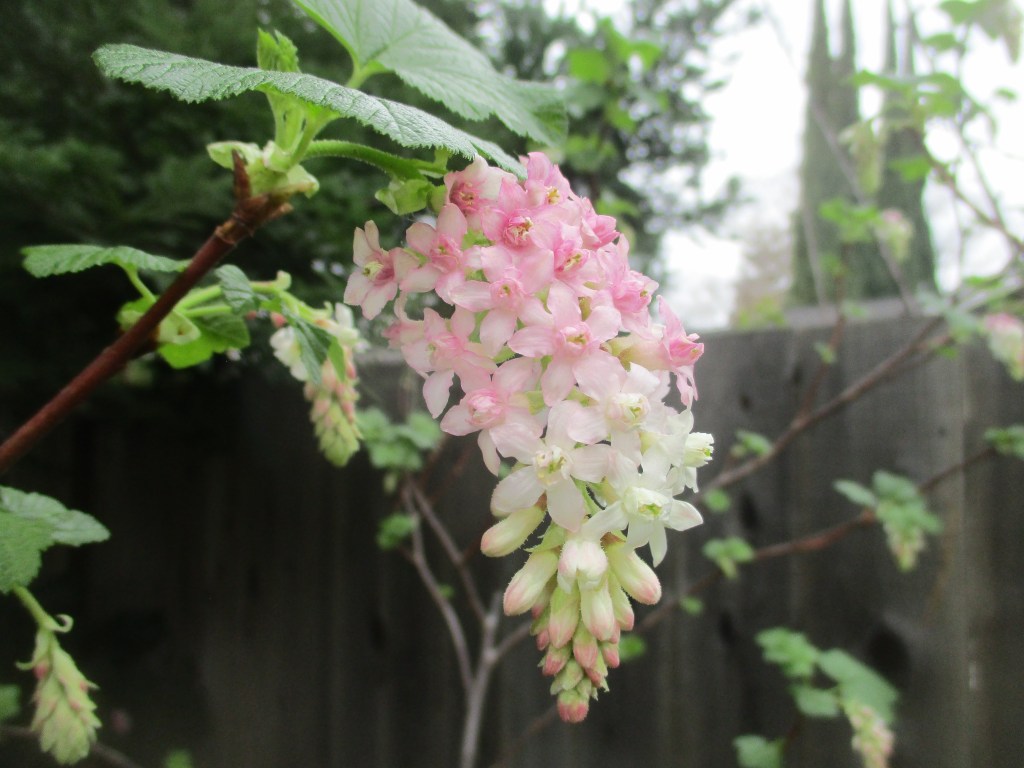
3. Ribes sanguineum is native to the forests only a few miles from here. This one and another like it were planted here a few years ago. Two others that bloomed white did not last very long.

4. Narcissus pseudonarcissus, or simply ‘daffodil’, bloom sporadically in the oddest of situations. Their bulbs remained where they got planted years ago, as the landscape changed over them.

5. Spirea prunifolia ‘Plena’ is sparsely branched, but perhaps delightfully so. I am surely no expert in regard to aesthetics, but it seems to me that more profuse bloom would be less delicate.

6. Rhody is the most important topic of my Six for this week. This was the moment immediately prior to his realization that I was aiming the camera at him, and his spry reaction to avoid it.

This is the link for Six on Saturday, for anyone else who would like to participate:

https://thepropagatorblog.wordpress.com/2017/09/18/six-on-saturday-a-participant-guide/

Collecting Seed For Another Season

00805thumb
From one year to the next.

Seed that is available in hardware stores and nurseries came from somewhere. Plants just like those that such seed grows into produced it. Someone, or many someones, collected all that seed to make it available to others. Similarly, several plants in our own gardens produce seed. Anyone who is interested in collecting seed to grow more of the same plants could make good use of it.

After bloom, most flowers deteriorate and disappear into the landscape. Some leave behind desirable developing fruits or vegetables. Many of the flashiest flowers are too extensively hybridized to produce seed. Many produce some sort of seed structure that typically gets removed, or ‘deadheaded’. This diverts resources from seed production to subsequent bloom or vegetative growth.

If not removed, such seed structures can mature to produce viable seed. Those who enjoy collecting seed often intentionally leave a few seed structures for that purpose, instead of deadheading completely. For plants with long bloom seasons, this technique should involve the latest blooms. The same applies to vegetables that normally do not mature prior to harvest, like summer squash.

Such seed or fruiting structures, including vegetables, must be completely mature before collecting ripened seed from them.

Sunflower, cosmos, calendula, marigold, campion, morning glory, columbine, hollyhock and snapdragon are some of the easiest flowers for collecting seed from. California poppy, alyssum, phlox, and several other annuals are happy to self sow their seed, although collecting seed from them is not so easy. Nasturtium and honesty (money plant) seed is easy to collect, but self sows as well.

Collecting seed is limited only by practicality. Some plants, particularly hybrids and exotics (which are not native and may lack pollinators), produce no viable seed. Extensively bred varieties are likely to produce progeny that are more similar to the basic species than the parent. Once collected, some seed need special treatment in order to germinate. All seed should be sown in season.

Edelweiss – Fail

P00627K
‘Small and white, clean and bright’? They only got as far as ‘small’ and ‘clean’, but did not get to ‘white’ and ‘bright’.

Edelweiss, edelweiss, every morning you greet me. Small and white, clean and bright, you look happy to meet me. Blossom of snow, may you bloom and grow, bloom and grow forever. Edelweiss, edelweiss, bless my homeland forever.”

Why are there no corny songs like this about California poppy?

Although I never met edelweiss before, I always thought that it must be quite excellent. Those who are familiar with it where it grows wild in European mountains seem to believe so. It does not look like much in pictures, so must be much more impressive if experienced directly.

A colleague here who met it directly in Austria decided to grow some, and easily procured seed online. The seed was chilled in a freezer to simulate winter in the Alps, and sown just prior to the last of the rain as winter ended. They germinated, and the seedlings started to grow, but then mildewed. The potting soil that they were in was likely too rich and too damp.

After all, edelweiss naturally lives in limestone scree, where the climate is harsh. Such environments are less than hospitable to fungal pathogens that cause mildew. Rich and well watered medium that would be considered to be a good situation for so many other seedlings may not be what edelweiss seedlings are comfortable with.

There are already plans to try edelweiss again next year. Seed might get sown in sandier medium, and a bit later in the year, so that they are not so regularly dampened by rain. If they survive beyond their seedling stage, they will likely become more resilient as they get established in an appropriate landscape. There are a few situations here where sandy soil drains well.

Perhaps I will eventually experience edelweiss, and see what all the fuss is about.

Horridculture – eBay

P00624
I certainly got good deals on these recent acquisitions. However, I have no idea what I will do with them.

It is such a bad habit! Even if I spend no money, I spend too much time perusing what I could spend a little bit of spare cash on. On rare occasion, I actually do spend a little bit on something that I can get a good deal on, not because I actually have any use for it, but merely because I got a good deal on it, . . . or because I believe that I may not be able to find it for sale again later.

Now, I have more than two hundred seed for Pygmy date palm, Phoenix roebelenii. They certainly were inexpensive, costing less than a few dollars. Most of the expense was for postage. It really was a good deal. However, I have no plan for so many Pygmy date palms. I do not expect all to germinate; but I have no plan for just half of them. Actually, I have no plan for just one.

The other seed to the right in the picture are for muscadine and scuppernong, Vitis rotundifolia. Although I purchased them as a ‘mix’, the seller kindly separated the two varieties. They are easier to accommodate than two hundred palms, and I really do have plans for them. I know growing them from seed is riskier than growing known cultivars, but I wanted them to be ‘wild’.

Regardless, I really should not have purchased even muscadine and scuppernong seed while there is so much other seed here that can not be accommodated. I really must sow all of the old seed this autumn or winter, whether I have plans for it or not. I suspect that most will not germinate. Some of the most questionable seed can be sown out in the garden rather than in flats.

No more eBay!

Sole Survivor

P00621-1
One is the loneliest number. (It is in the middle of the far edge of the flat.)

By now, I can safely assume that any of the various old seed that were sown late last February that have not yet germinated are not likely to do so. They were all so old that I knew at the time that their viability was questionable. Nonetheless, I could not discard them without confirming that they were no longer viable. Four months later, this empty flat just about confirms it.

So far, the sole survivor is a seedling of a California fan palm, Washingtonia filifera. It looks silly all alone in the otherwise empty flat. Yet, even if no other seedlings germinate, the effort will have been worth this dinky palm seedling. California fan palm happens to be my favorite palm; but I would have been just as pleased with something that is not a favorite.

This little seedling is still too young to be pulled and canned. It will therefore wait and grow in the flat for now, and perhaps until autumn. I still hope that other seed will germinate during that time. Even if they do not, the empty flat will get set aside where it will continue to be irrigated as needed until late next spring. Viable but old seed may be unusually slow to germinate.

I can not help but wonder if some of the seed did not get enough chill after they were sown late in February. Maple, ash, elm, birch and arborvitae might require more of a chill through more of winter to be convinced that the warm weather afterward really is spring. I am not quite ready to give up on them yet.

There are still many more very old seed to sow this autumn. For most, I do not expect germination to be any better than it was for this previous batch.

P00621-2
This little California fan palm seedling certainly seems determined to survive.

Six on Saturday: Leftovers


It is not easy to discard seedlings and cuttings that have potential. We are supposed to sow several seed for vegetable plants where we ultimately want only a few, which typically produces a few extra. Feral seedlings for other types of plants commonly appear in the garden. I happened to grow a few seed that were marginally old, but that I did not want to discard. Nor do I want to discard deteriorating but lingering cool season annuals from last winter.

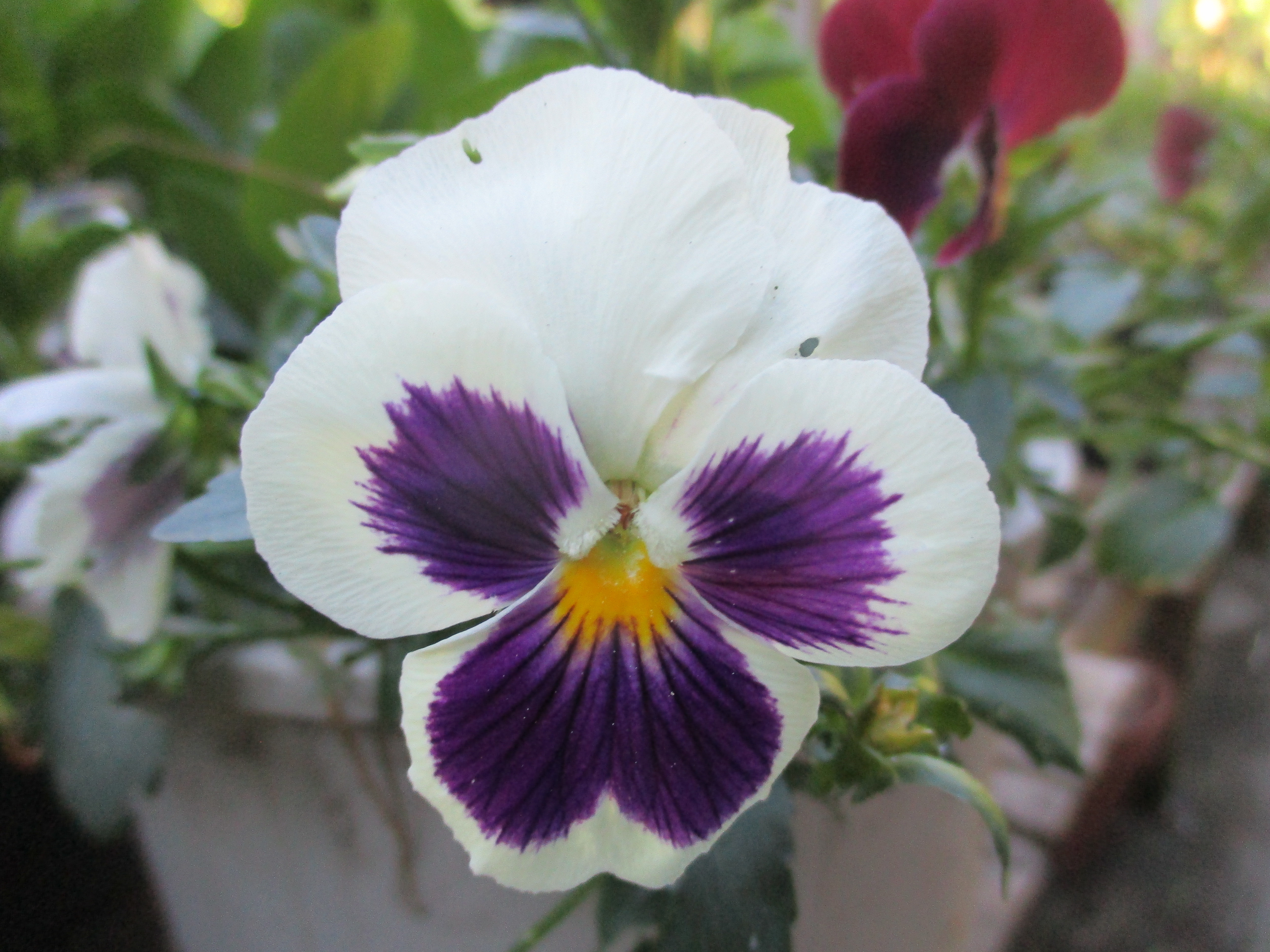
1. Since no new warm season bedding plants are going into the landscapes, cool season bedding plants are lingering until they succumb to the warmth. This pansy is not ready to give up yet.P00606-1

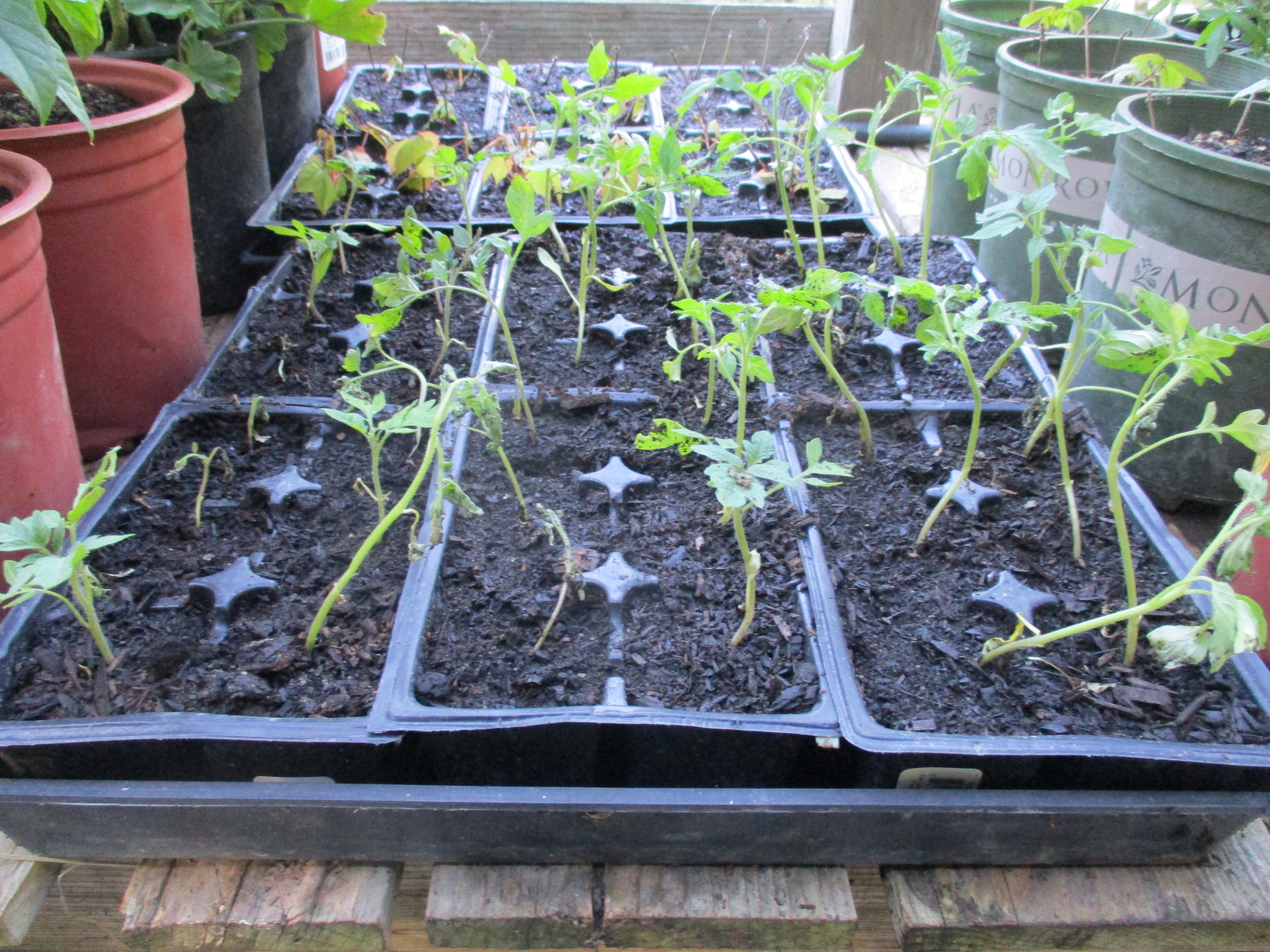
2. ‘Roma’ tomato seedlings that got plucked to favor stronger seedlings got plugged in cells for later. They got sown very late, and plugged even later, but might become a nice second phase.P00606-2

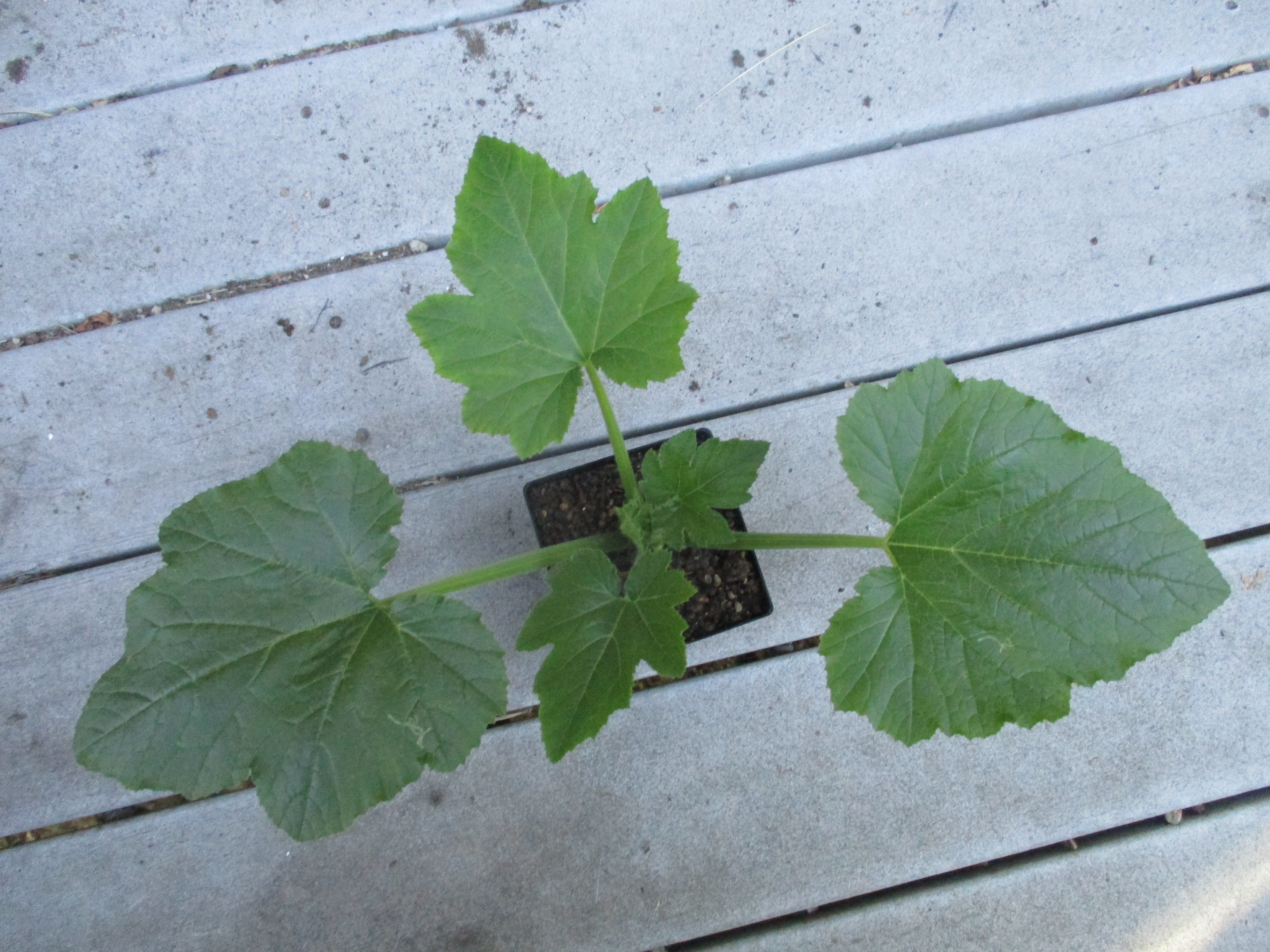
3. Extra summer squash seedling were also too good to discard. The main plants are producing now. This one should find a home quick. Since it can produce all season, no phasing is needed.P00606-3

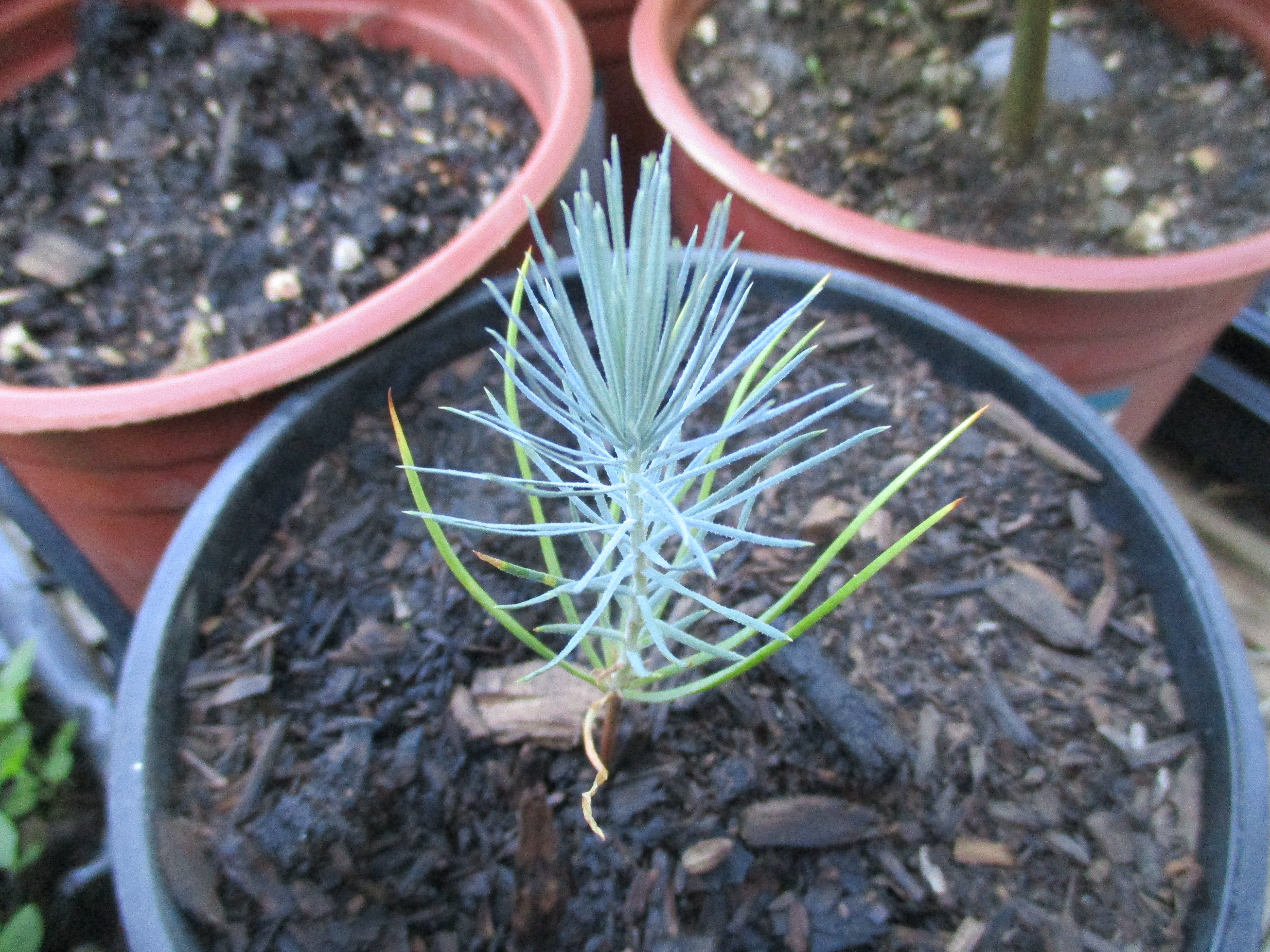
4. Ponderosa pines make extras too. This seedling got plucked along with other weeds, but was too exemplary to discard. (For the record, someone else salvaged it; so I can not be blamed.)P00606-4

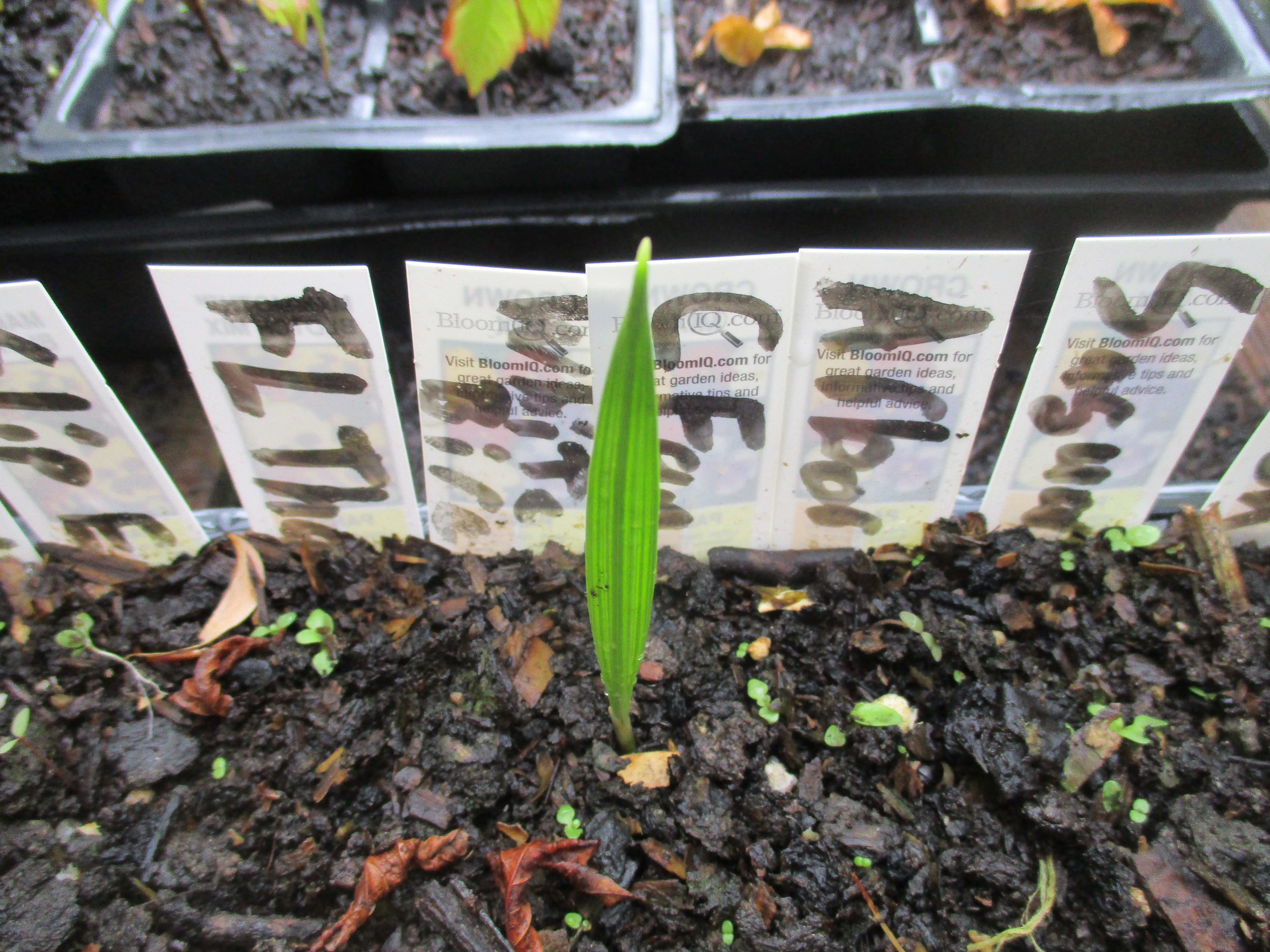
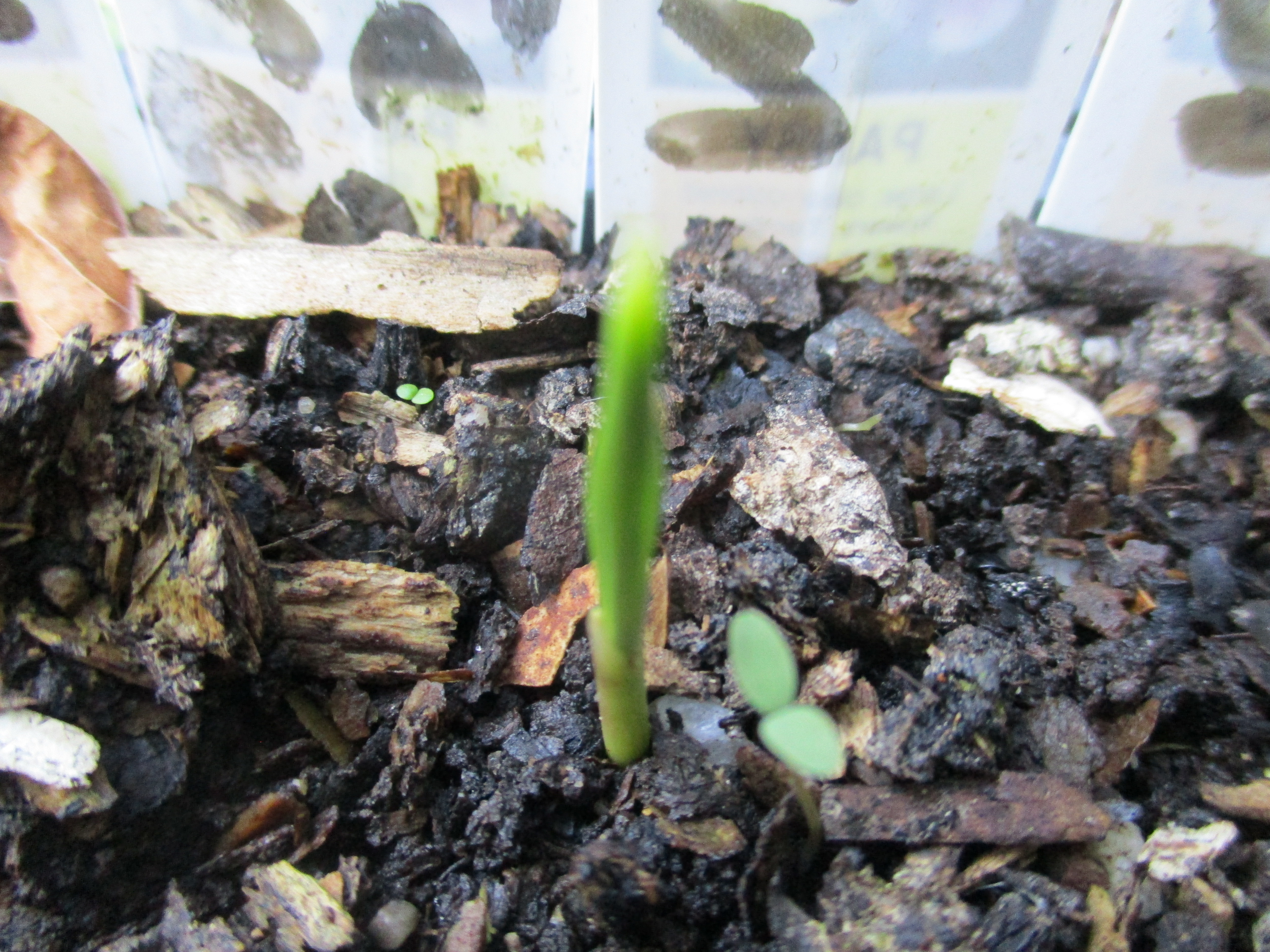
5. This is too blurry and dinky to look like much, but is a seedling of California fan palm. The seed was so old that I doubted its viability. I am very pleased with it, even if is the only survivor.P00606-5

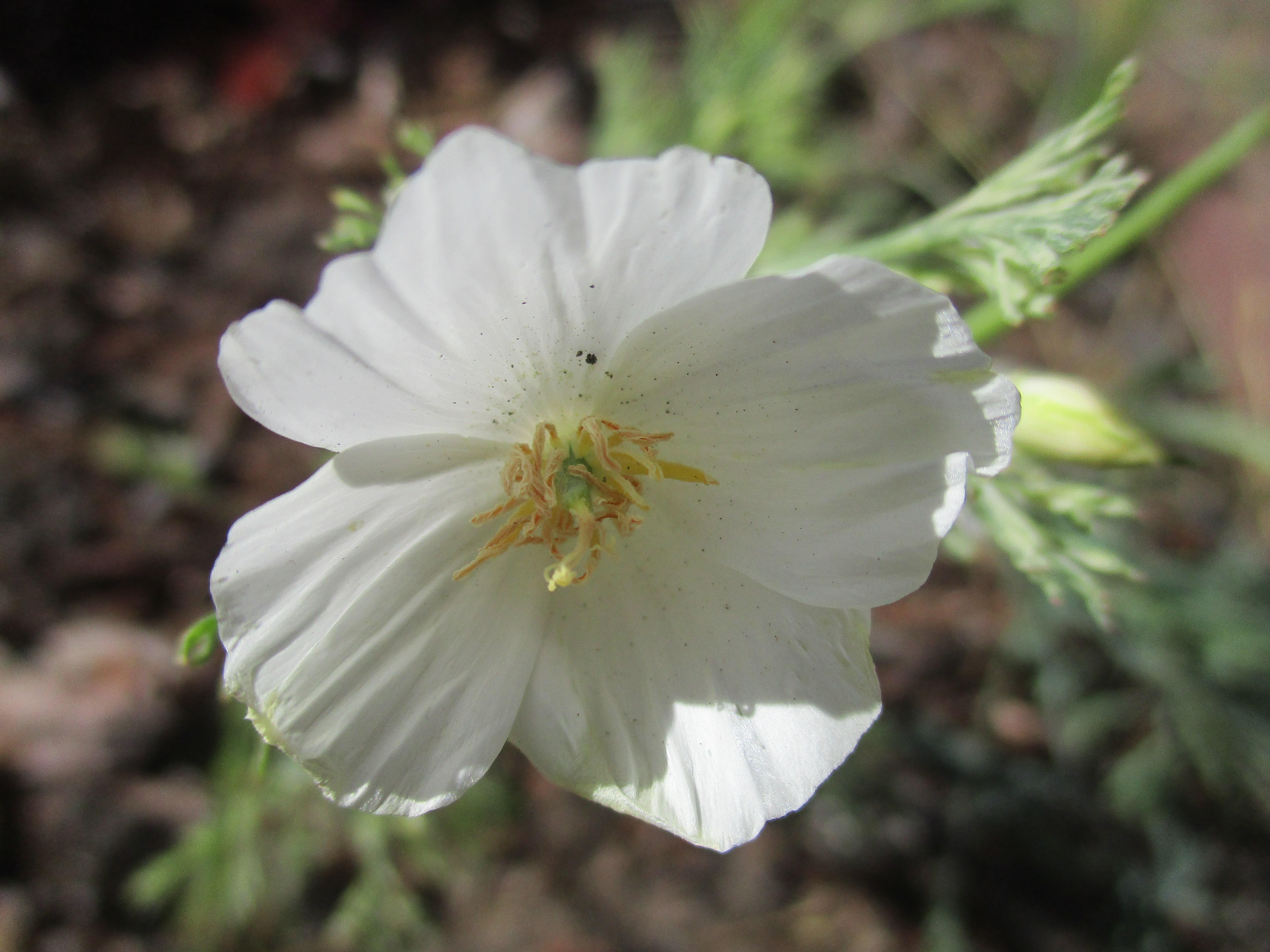
6. White California poppies are rare in nature. This one was left in the landscape while many of the orange poppies were removed along with weeds. There is another only a few yards away.P00606-6

This is the link for Six on Saturday, for anyone else who would like to participate:

https://thepropagatorblog.wordpress.com/2017/09/18/six-on-saturday-a-participant-guide/

Horridculture – Neglected Seedling

P00603-1
They are so cute when they are young.

This was not planned very well. Actually, it was not planned at all. While sorting through the seed for a vegetable garden, I found a can of seed for winter squash that was a few years old. They might be close to five years old. I really do not remember. I did not expect them to be viable, but did not want to discard them without at least trying to test them for viability.

Rather than just put them in damp rag for a few days, I plugged a few seed into a spider plant on a windowsill, and forgot about them. I really did not expect to see them again. When the first one emerged, I though it was a weed, so plucked it out. When I realized what it was, and that it came out intact, I felt badly for it, and like the original seed, could not discard it.

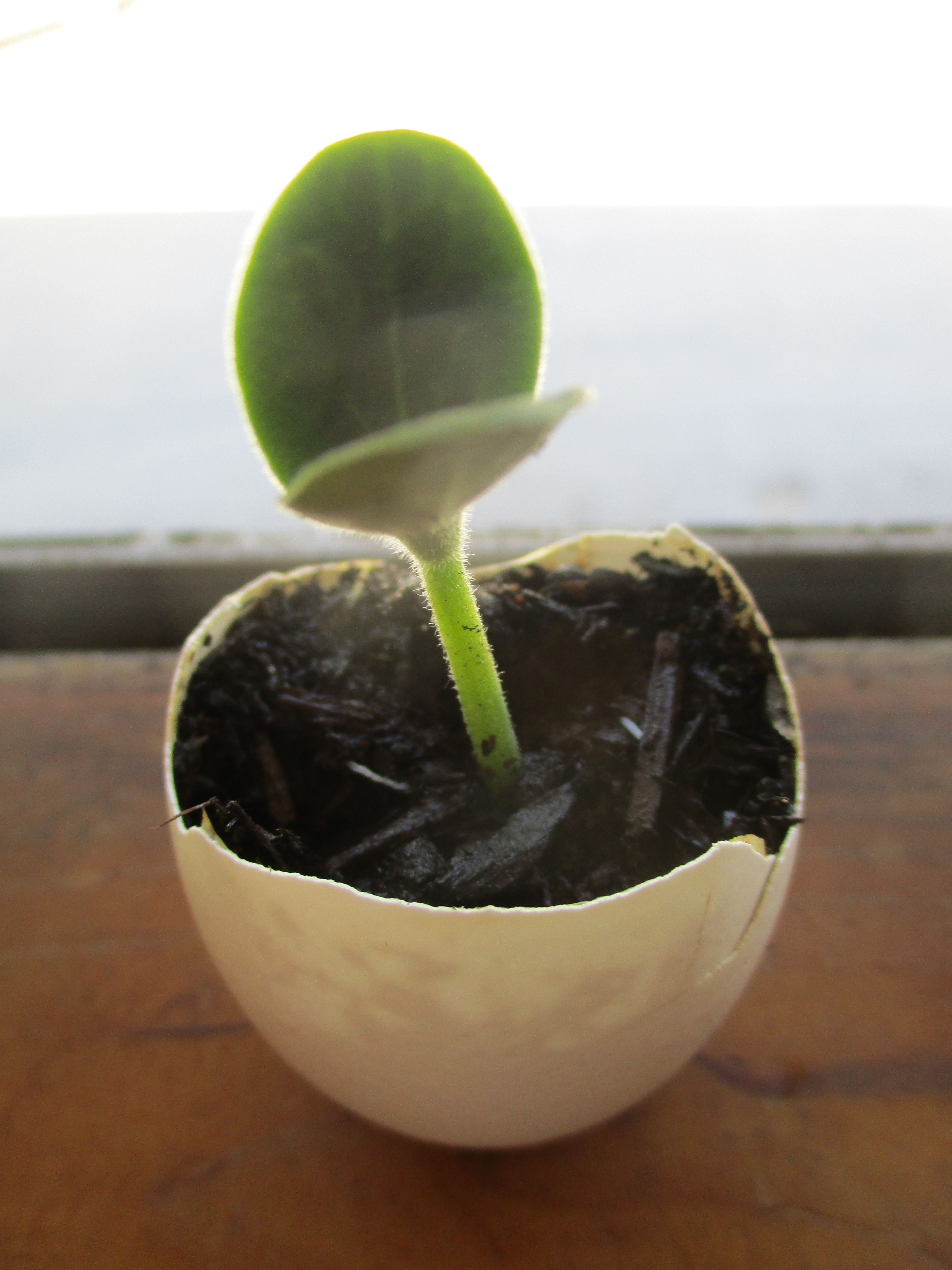
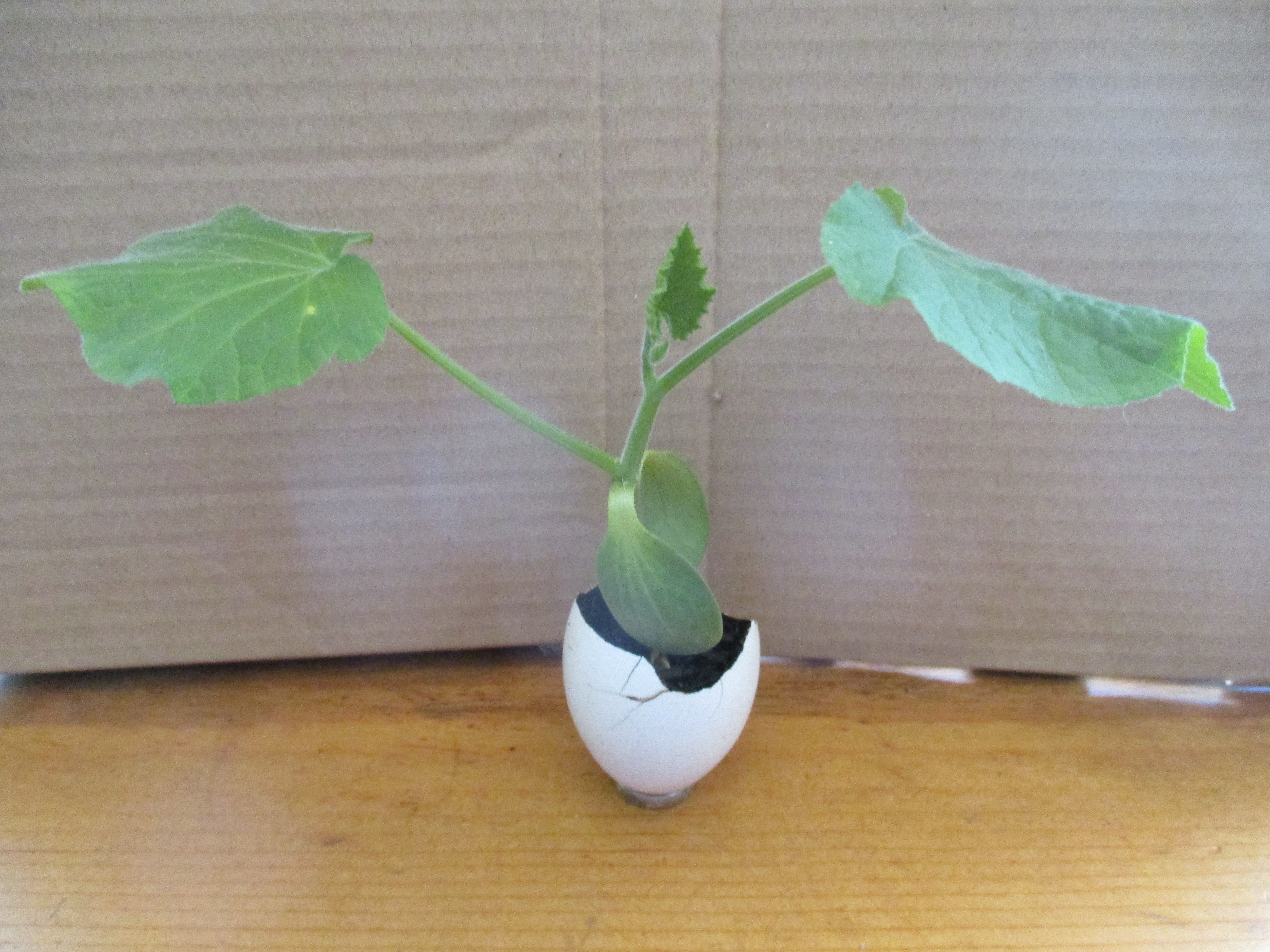
I do not remember why, but at the time, I did not want to go out to can it in a real pot. Nor did I want to plug it into the garden while I was still getting other seed situated. I therefore planted into an empty eggshell from those drying for coffee. I scraped a bit of medium from a potted bromeliad. It was happy on the windowsill for maybe a few weeks.

The other seed germinated too, but were more carefully removed and plugged into the garden. Since the seed was still viable, I sowed more around the junipers outside. Somehow, in the process, I neglected to put the little seedling in the eggshell out into the garden with them. It has not been happy in here, so has not grown much at all.

Now that the winter squash are already growing well outside, and the summer squash are already producing, this unfortunate seedling still needs to go out to join them.

If I were to grow seedlings inside again, I would do so in some of the cell packs that we recycle from work. They are more efficient, less wobbly, and they do not look so ridiculous.

P00603-2
Now it wants out!