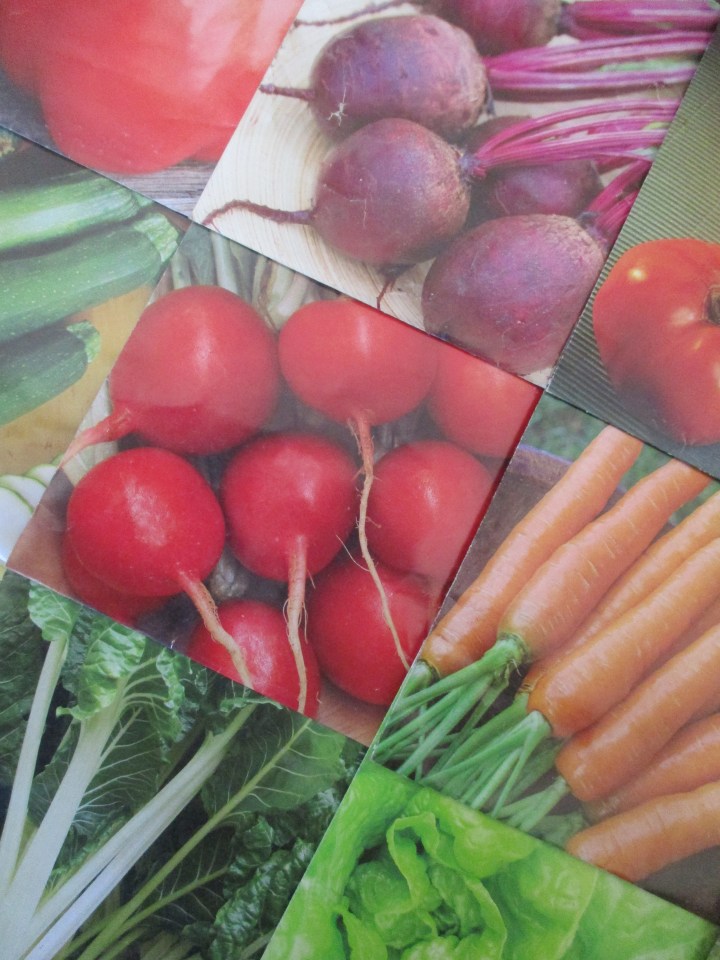
Many of us who are still sowing spring seed know the doubt. Seed for warm season vegetables and bedding plants is presently scarce. Consequently, we doubt that all the varieties that we want are still available. Many unusual varieties that we purchase by mail order or online are sold out. Some more popular and reliably obtainable varieties in supermarket seed racks are going fast too.
Home gardening is very suddenly more popular than it had been for a very long time. Those who can not work at their respective professions have much more time to work in their gardens. Many want to grow a bit more produce at home, in order to shop amongst others in supermarkets less frequently. Many who have never enjoyed gardening before are now taking a serious interest in it.
This adds a few more complications to planning the garden. Choices really are limited. Some of us must be satisfied with what we get. Instead of trying new and unusual varieties, we might need to try old and common varieties. It might be a new and unusual experience, and an interesting way to learn why they have been so popular for so long. This applies to young plants as well as seed.
Although more varieties are available online and by mail order, it is now more important to purchase them early. Delivery is not as prompt as it was prior to this increase in popularity of gardening. Seed providers are overwhelmed by the demand. Since it is already late in the season, it is probably too late to order seed that start in spring. It is not too early to start procuring seed for autumn.
It is also a good time to share surplus with friends and neighbors who may be experiencing the same scarcity of seed and seedlings. Although it is too late to wait for delayed delivery of seed that gets sown in spring, it is not too late to sow some types if they are already available. If left outside to avoid personal interaction with recipients, seed might need protection from rodents and birds.
Anyone who is experienced with gardening knows that it involves challenges. This is certainly a new one.


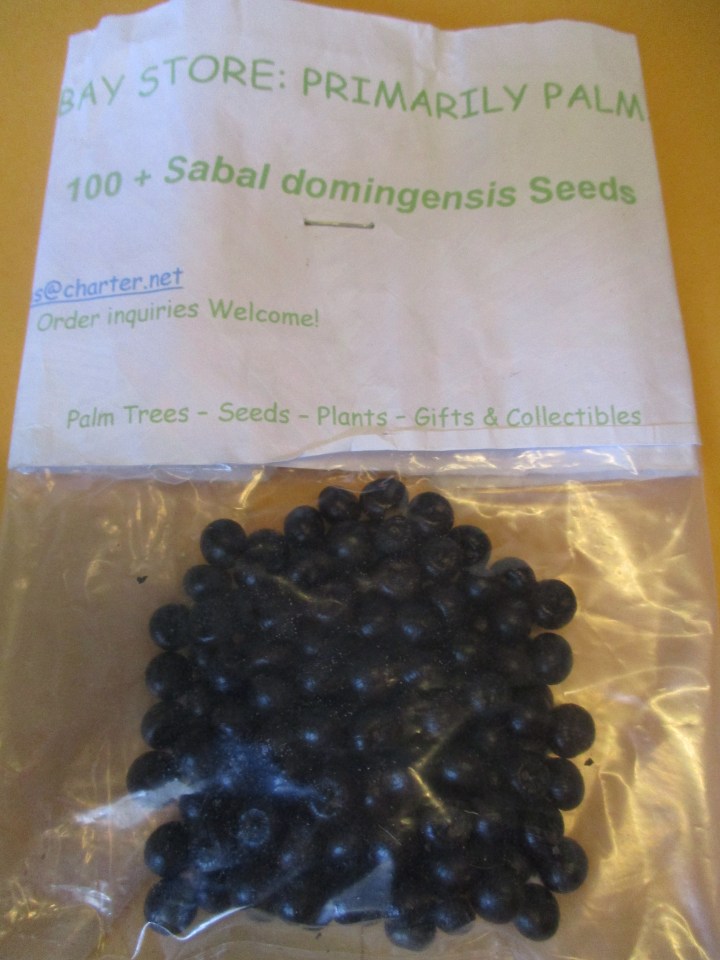


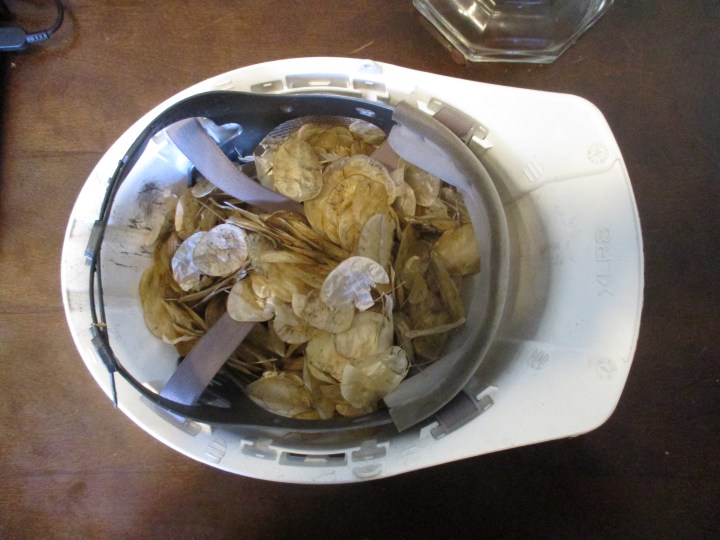


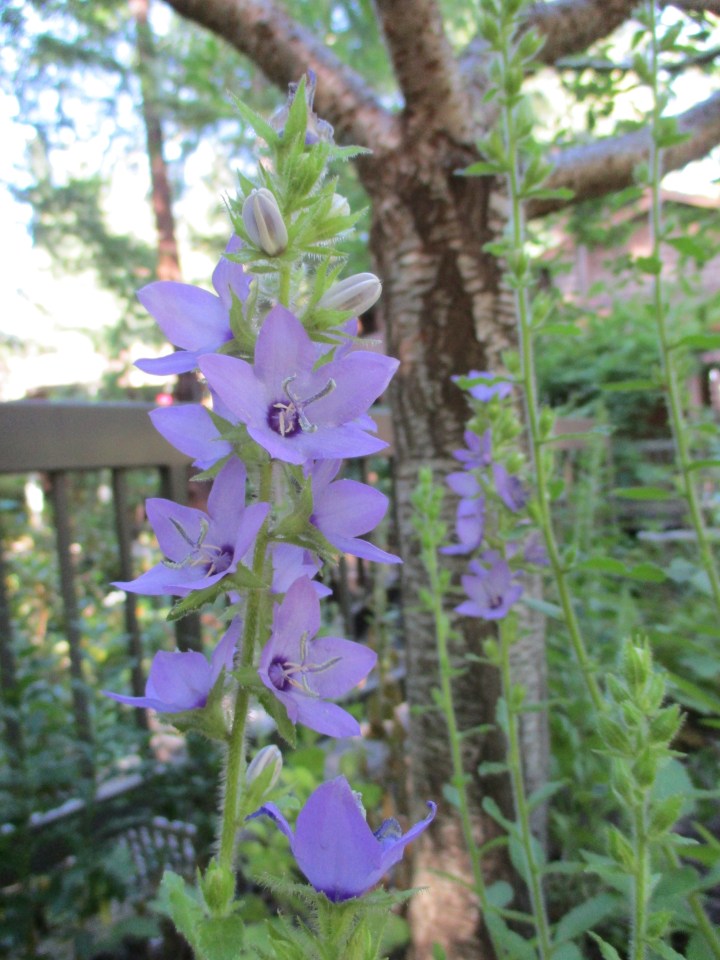 The seed is not really bad. At least I do not think that it is. It is merely misunderstood. Perhaps it would be more accurate to say that it is simply unidentified. I really do not know what it is. I do not say that very often, especially about seed that I bother to collect to sow elsewhere. I believe that it is of American bellflower, Campanula americana. If not, it is very closely related.
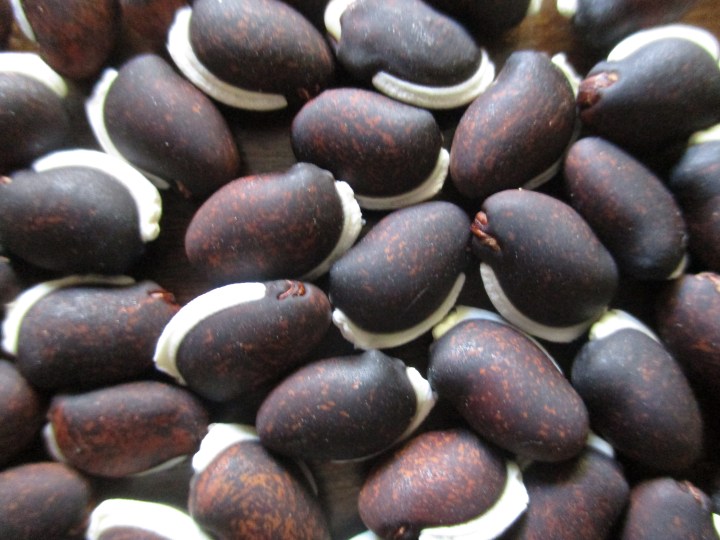 Hooey! It’s a bunch of hooey! Sweet pea seed that gets sown this time of year for next spring does NOT need to be soaked before sowing. In fact, unless there is some strange species of plant that has become that dependent on human intervention, NO seed need to be soaked prior to sowing. Not only is the technique completely unnecessary, but it is completely unnatural as well.




 The recent unseasonably warm weather was no problem for any remaining moss rose, Portulaca grandiflora. They usually start to look rather tired as the weather gets cooler this time of year, and eventually succumb to the first frost. Where allowed to do so, they can regenerate next year from seed. I like to collect their seed during the summer or autumn so that I can sow them after the last frost of the following winter. Through spring and summer, I find that additional plants are easy to grow from cuttings.
