
This is not the native Western sword fern of forested and riparian regions here on the West Coast. This sword fern, Nephrolepis cordifolia, is native to Northeastern Australia, Southeastern Asia and Hawaii. It is naturalized in many regions beyond its natural range, and is considered an invasive exotic species in some regions. Its resiliency and reliability are appreciated in local gardens.
If it resembles the popular houseplant, Boston fern, it is because this sword fern is of the same genus. It just happens to prefer to be out in a garden rather than inside a home. Much or even most of the light green foliage stands more upright, rather than cascading from pots or elevated planters. Foliage of mature plants can get almost three feet high, with an even broader horizontal reach.
In fact, sword fern is notorious for sneaking around the garden and spreading wider than just a few feet. It is not particularly aggressive about. It creeps slowly but steadily until someone eventually notices that it has gotten a bit too prolific. Their abundant runners are wiry and strangely hairy, and produce small round tubers. Foliage can be yellowish if not watered enough in sunny situations.
 Within its natural range on the West Coast between the southern extremity of Alaska and the southern extremity of California, Western sword fern, Polystichum munitum, is the most common of the native ferns. A few disjunctive wild colonies live as far inland as the Black Hills of South Dakota. Yet, with few exceptions, Western sword fern is difficult to cultivate outside of the natural range.
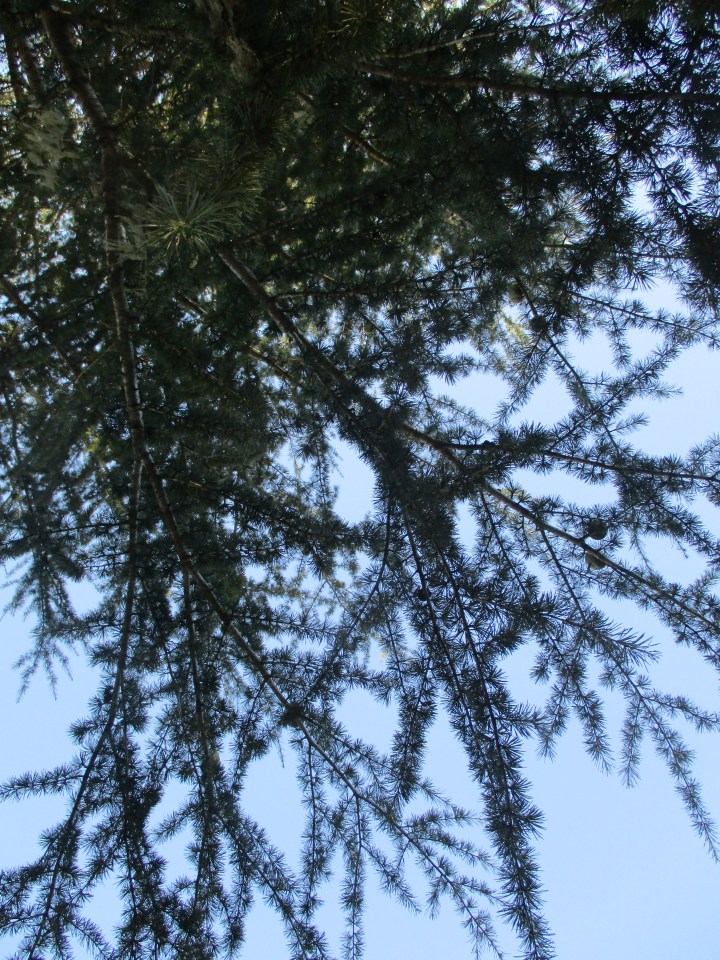 Just about every home garden has some sort of shade. Even if there are no substantial trees or shrubbery, there are northern walls of homes and garages, and they likely have eaves that extend their shadows a bit farther. Fences to the south create shade to the north. Gardens of modern homes are smaller, and surrounded by higher homes and fences, so are shadier than older gardens.
 It is gratifying to see renewed interest in this old fashioned flower. Naturally occurring varieties of some of the nearly three dozen species of Iochroma were popular decades ago. Some might actually be naturally occurring hybrids that have yet to be identified. Many modern cultivars (cultivated varieties) were intentionally bred or hybridized for more compact growth and profuse bloom.
 It is impossible to say who the parents were. So many specie were hybridized to develop the many cultivars of flowering maple that the Latin name of the collective group is simply Abutilon X hybridum, which means exactly what it looks like. They are hybrids of various and rarely documented species of Abutilon. The ‘X’ dispels any doubt. ‘Chinese lantern’ is another common name.
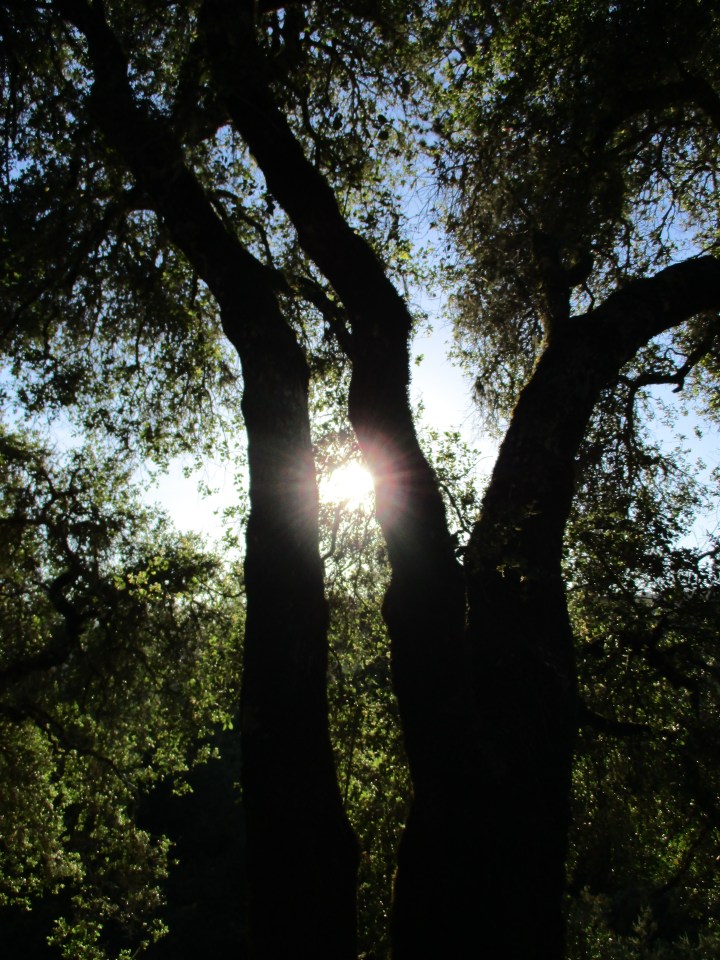 Modern urban lifestyles are becoming less conducive to gardening all the time. Bigger and taller homes cast larger shadows over smaller garden spaces. The taller fences between these homes do not help. The densely evergreen trees employed to obscure the views of other larger and taller homes also obscure sunlight. Not much sunlight reaches the ground where shorter plants need it.
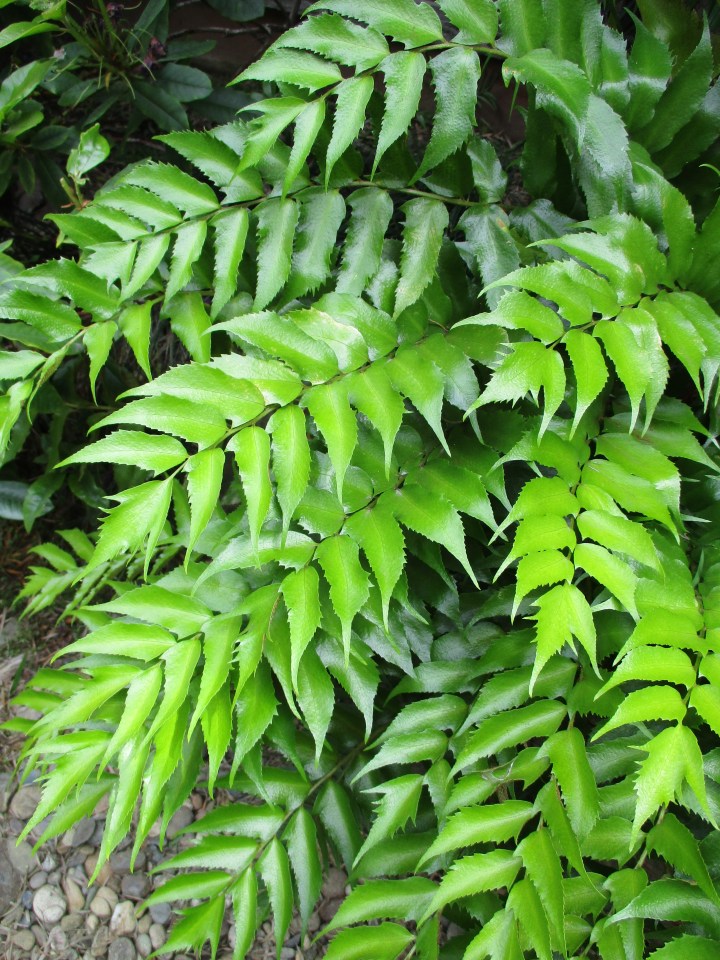 This is one of those perennials that has mixed reviews. Although relatively tough once established, holly fern, Cyrtomium falcatum, is susceptible to rot and fungal leaf-spot. It likes to be watered somewhat regularly, but rots if the soil is constantly saturated. Leaf-spot is not as dangerous as it looks, but can be unsightly. Too much fertilizer (to correct the damage) can burn the foliage too.
 There is something about the delicately intricate bloom and foliage of bleeding heart, Lamprocapnos spectabilis (formerly Dicentra spectabilis) that suits informal woodland gardens splendidly. Not only to they look like natural companions to small coniferous evergreens, but they are also quite tolerant of the acidic foliar debris, and to some extent, the shade that most conifers generate.
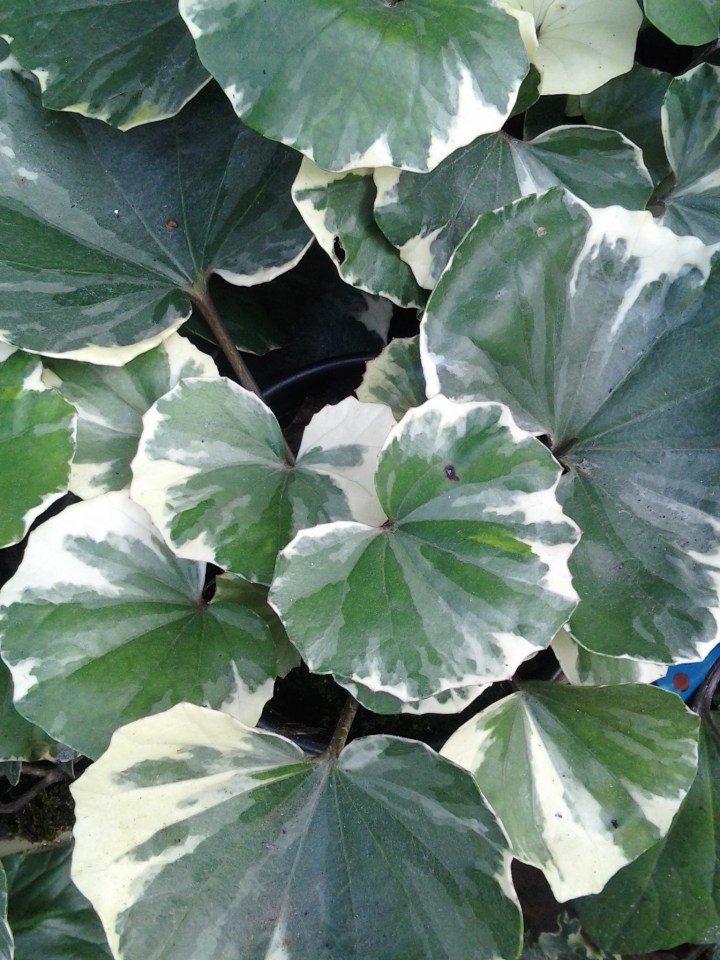 As an understory species that naturally grows under forest trees in its native environment in Japan, leopard plant, Farfugium japonicum, can be quite happy in parts of the garden that are too shady for other plants. If it does not get too warm or dry, it can tolerate full sun. It likes rich soil and frequent watering. Fertilizer should be applied moderately, since too much can cause foliar burn.
 The first half of the name sound appealing enough. The second half, not so much. Do the seeds grow into snails? Do they just look like snails? Not many have seen them. Tiny pale white flowers that are supposed to bloom in spring, as well as small black berries that develop after bloom, are rare. Laurel-leaf snailseed, Cocculus laurifolius, is grown just for its glossy evergreen foliage.
