Six on Saturday: Perks


It has been two year since I started my ‘part-time temporary’ job. I work here only three days weekly, and only if I can. That is what makes it ‘part-time’. After two years, I am not sure if it still qualifies as ‘temporary’. I do intend to eventually return to my normal work. However, this part-time temporary job will not be easy to leave. It is so excellent in so many ways! Besides, there are so many incredible perks!

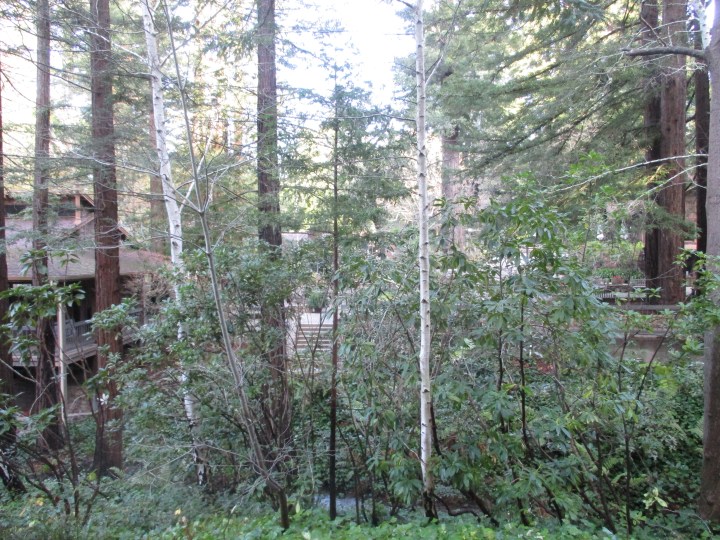
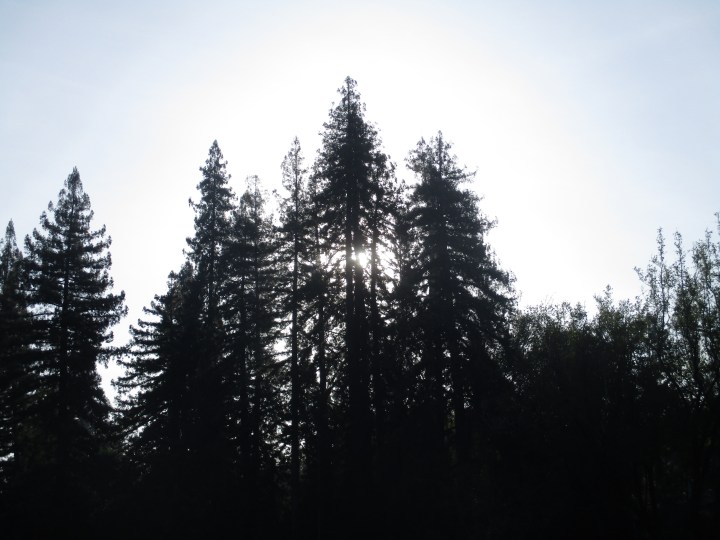
1. Scenery is incredible. The redwoods in the background to the left are on the other side of a deep ravine where Bean Creek flows through. All the scenery here could not fit into one picture.P00208-1
2. Native flora in the forest is incredible. Most of what is in the landscapes is native flora too, or garden varieties of native flora. There is no transition between the forests and the landscapes.P00208-2

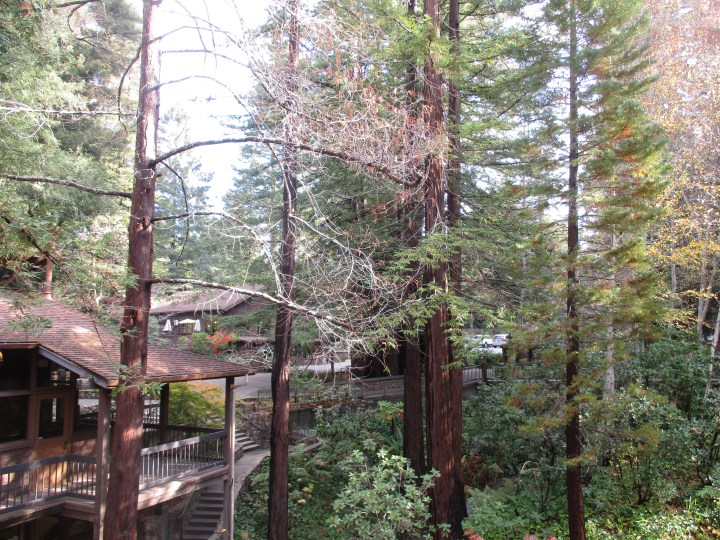
3. Redwoods are incredible. What is not obvious in the picture is that these grand wild redwoods with wild bay laurels to the right, are just beyond the landscaped perimeter of a vast lawn.P00208-3
4. Exotic flora is incredible too, but compatible with native flora. The simple landscapes are both horticulturally correct and environmentally sensible. Daffodil naturalize but are not invasive.P00208-4

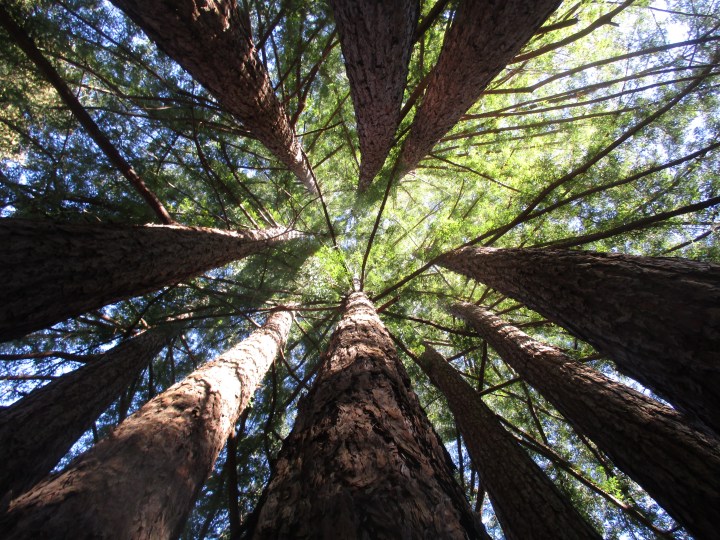
5. Redwoods are incredible. Did I mention that yet? They really are grand. That is why they are the Official State Tree of California. They never get old, but they live for thousands of years.P00208-5
6. The crew that I work with is the most incredible perk. I should write an article about them. Oh, I already did. I have no picture of them. There are too many for Six on Saturday anyway.P81010

This is the link for Six on Saturday, for anyone else who would like to participate:

https://thepropagatorblog.wordpress.com/2017/09/18/six-on-saturday-a-participant-guide/


Six on Saturday: Sow The Seed Of Doubt


There is serious doubt about the practicality of collecting seed that there is no use for. We have no time to sow any of it properly. Some gets tossed unceremoniously where it would be nice if just a bit of it grows and blooms next year. Such folly is better than the guilt of simply discarding all that seed, even if we get more of something we do not want.

1. Echinacea purpurea – coneflower – Deadheading left me with all these dead heads of seed. I have no use for all this seed; but a neighbor is happy to scatter it where some might grow.P91228-1

2. Lychnis coronaria – campion – This is all the seed I got, in a small pill can. Most was left in the landscapes to disperse where already established. This bit of seed goes to new territory.P91228-2

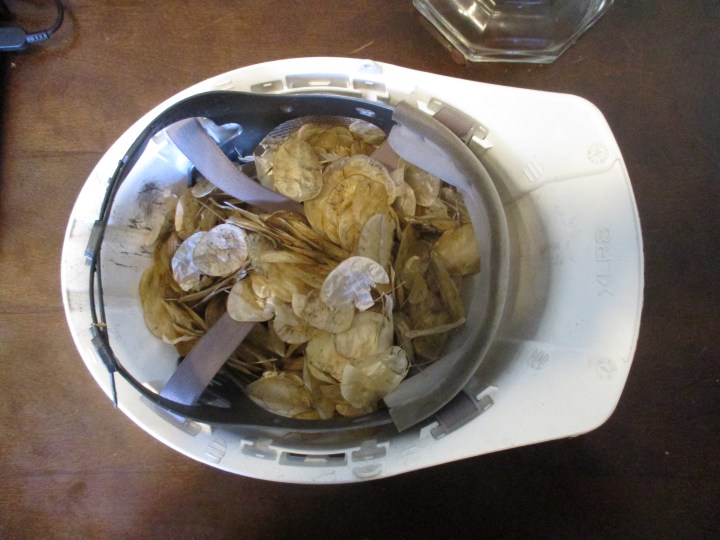
3. Lunaria annua – honesty – This is just one of several hard hat fulls. Seed already sifted down, leaving empty frass on top. I lack an article to link to, so linked to someone else’s article.P91228-3

4. Aesculus californica – California buckeye – This is what is starting to grow from four big seeds that I could not bear to discard earlier. Now there will be four baby trees without a plan.P91228-4

5. Pelargonium X hortorum – zonal geranium – Not all of this folly is from seed. Scrap from pruning geraniums got processed into more cuttings than we will plug. These are the last few.P91228-5

6. Rhus lanceolata? – prairie sumac? – There is even more folly in canning feral seedlings of this unidentified sumac. It is about as sensible as canning the four sweetgum to the upper right.P91228-6

This is the link for Six on Saturday, for anyone else who would like to participate:

https://thepropagatorblog.wordpress.com/2017/09/18/six-on-saturday-a-participant-guide/

Six on Saturday: Poison Ivy


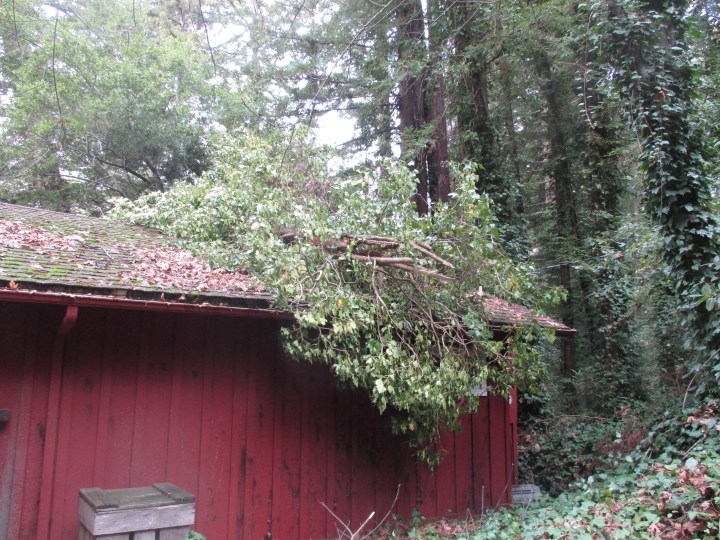
Poison ivy is not native here. Neither is English ivy. However, English ivy, Hedera helix, is an aggressively naturalized exotic species. Even after it had been designated as a voracious weed in the region, it was installed in some of the landscapes here many years ago. It is so common here now that we know it simply as the standard ‘ivy’. Algerian ivy was planted too, but it is not quite so aggressive.

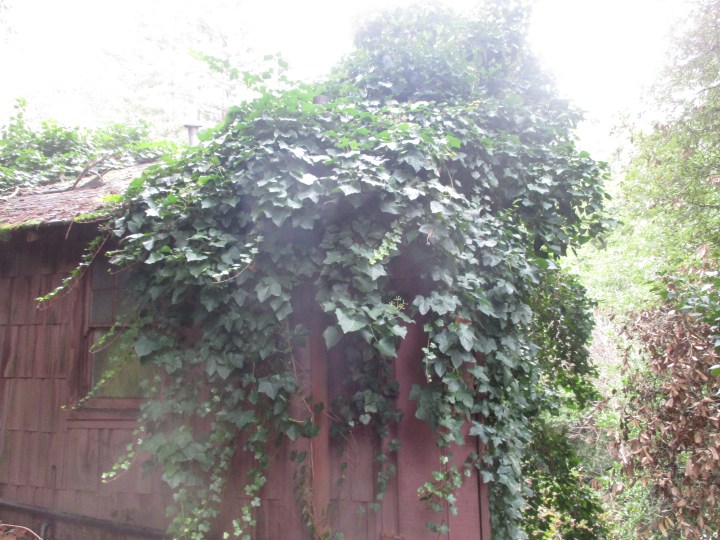
1. English ivy grew up and over this abandoned building, and accelerated the deterioration of the old roof. It would be pointless to remove it now. The building will eventually be demolished.P00125-1

2. This building is not abandoned. No ivy was on this roof just a few days earlier. All this ivy did not grow up and over the building this aggressively since then, but fell from above. Surprise!P00125-2

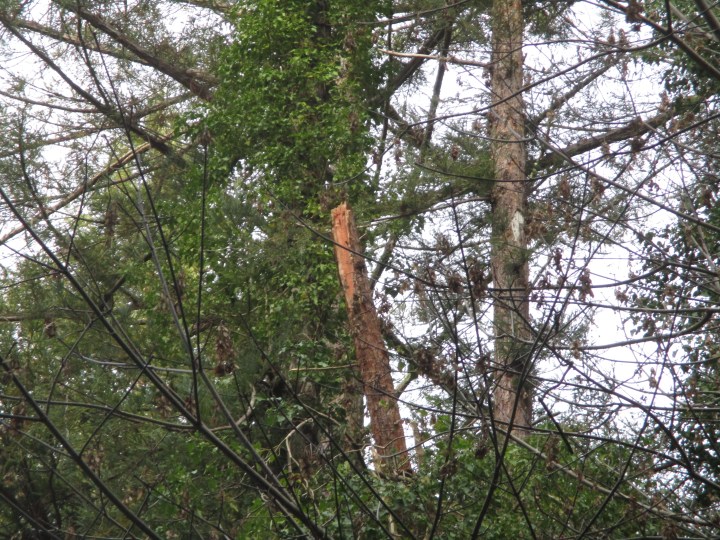
3. The yellow pointer shows where the dead redwood trunk that supported all the ivy broke and dropped the whole mess onto the roof at the bottom of the picture. It is about thirty feet up!P00125-3

4. What a mess! This close up of the same broken dead redwood trunk shows another dead redwood trunk to the right, and a viable trunk with another dense ivy thicket in the background.P00125-4

5. Surprisingly, this is the worst of the damage. It was likely impaled by the rotten redwood trunk. The ivy likely stayed connected to the rest of the thicket long enough to slow the descent.P00125-5

6. Even after getting Ginsu with saws and shears, and getting bounce-house with debris, the pulpy redwood trunk and ivy was still a full load. That was a lot of weight to land on an old roof!P00125-6

This is the link for Six on Saturday, for anyone else who would like to participate:

https://thepropagatorblog.wordpress.com/2017/09/18/six-on-saturday-a-participant-guide/
Six on Saturday: Calm Before The Storm


Six on Saturday‘ is a meme that I participate in on Saturday morning. The link below explains that participants post pictures from our gardens, landscapes, greenhouses, or wherever we find subjects of horticultural interest. You might post six of your own.

I posted this second set of six this afternoon both because these six pictures will be outdated by next Saturday, and because they are more relevant to horticulture than the six that I posted this morning.

1. Rose – Unless there is a rose out there somewhere that I neglected to prune, this is the last rose bloom of last year. It got pruned after I got this picture. Even here, roses get to hibernate.P00118K-1

2. Wallflower – Does it look like it cares that it is the middle of winter? Actually, from a distance, it is more obvious that sporadic bloom is somewhat subdued. It just never stops completely.P00118K-2

3. Sasanqua Camellia – This was one of the few last flowers, and likely disintegrated shortly after the picture was taken and the weather warmed up. That was actually before last Saturday.P00118K-3

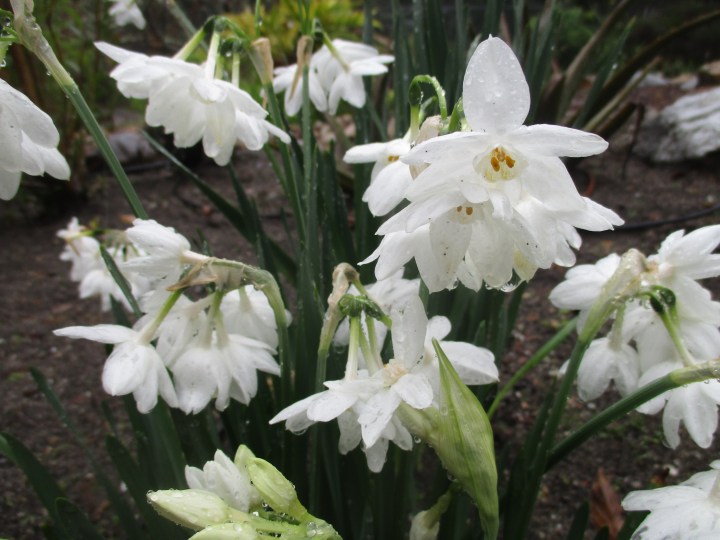
4. Narcissus – Since I so regularly express a preference for white flowers, I tried to find yellow daffodils. They were only beginning to bloom though. These paperwhite narcissus are prettier.P00118K-4

5. Pigsqueak – The name is rad. I intend to grow more in my own garden. It is such a classic winter blooming perennial. More importantly, I want to brag to my friends about my pigsqueak.P00118K-5

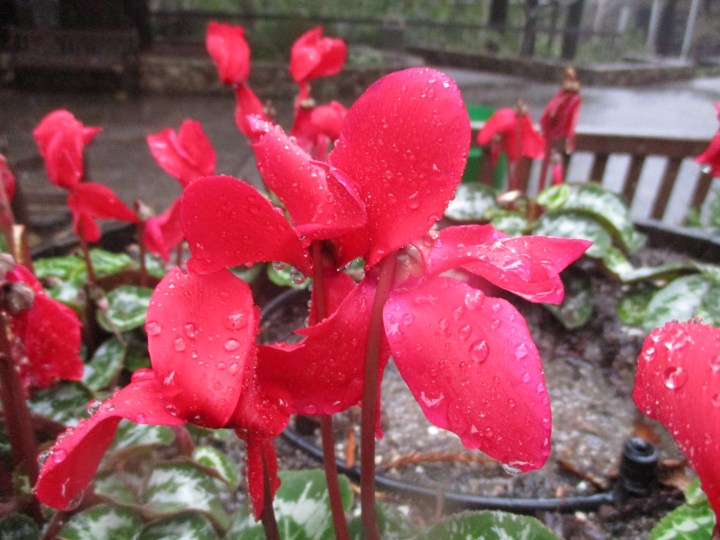
6. Cyclamen – I intentionally got a picture of the red instead of the white. I would prefer them to be more than just common winter annuals. Nevermind the irrigation line in the background.P00118K-6

This is the link for Six on Saturday, for anyone else who would like to participate:

https://thepropagatorblog.wordpress.com/2017/09/18/six-on-saturday-a-participant-guide/

Six on Saturday: When It Rains, It Pours


The frequency and duration of rainy weather here is not very much more than in the rain shadow where the inland base of the Santa Cruz Mountains merges into the Santa Clara Valley. However, the volume is about triple! My former neighborhood in town just about fifteen miles away gets about one foot of rain annually. The average annual rainfall here is about three feet.

That extra two feet sometimes seems to fall all at once.

1. Rain got heavy enough for me to bother recording this first of six brief videos. I do not know why the lights upstairs were pulsating and blinking. The downspout seems to be jet propelled.

2. This was certainly more than I expected. Off to the left, there were only two sandbags to put in front of a doorway that is three sandbags wide. This was a major problem. I did not panic.

3. Now I panicked. I called for help, but my radio was too wet to operate. There was nothing anyone could do anyway; or so I thought. I stopped the camera and went upstairs to investigate.

4. Removal of debris from the grate over this drain fixed everything fast. This was more than I expected too. We all know that this drain is partially clogged. The water and hail was freezing!

5. Within a minute or so, the water drained away surprisingly efficiently, leaving this icy mess on the small patio between the two stairways. It was like a Slurpee mixed with redwood debris.

6. More of the grungy Slurpee remained on the lower patio outside the doorway that lacked adequate sandbags. Water barely crossed the threshold to dampen a few square inches of carpet.

This is the link for Six on Saturday, for anyone else who would like to participate:

https://thepropagatorblog.wordpress.com/2017/09/18/six-on-saturday-a-participant-guide/

Six on Saturday: White Album


‘Album’ is Latin for ‘white’. That is why ‘album’ or a derivation of it is the species or varietal name for several plants. That does not apply to any of these six though. They are just incidentally . . . and coincidentally white. Even though white is my favorite color, I really did not intentionally select these because they are white. I just wanted to show off some of what is blooming now.

I would say that most are unseasonable, but our mild seasons can be rather vague.

1. Pelargonium hortorum – Two florets managed to bloom on a stunted truss that should have been plucked from rooting cuttings in the nursery. Full trusses are blooming in the landscape.P00111-1

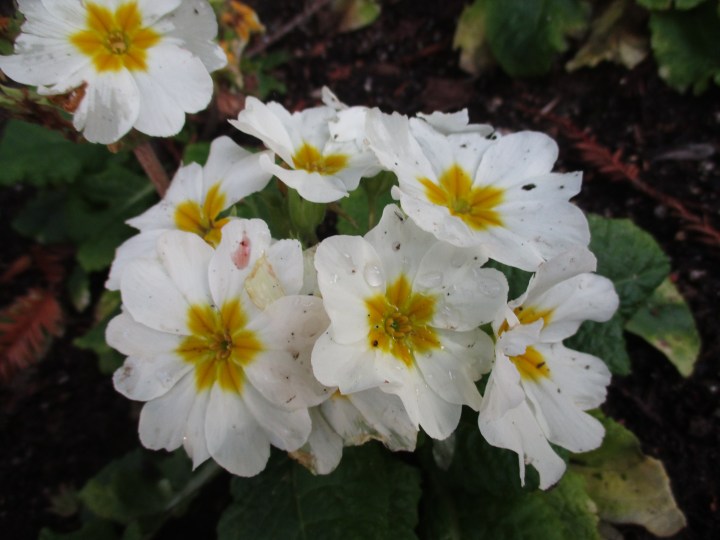
2. Primula vulgaris – Heavy rain overnight splattered a bit of the mulch onto the these and other nearby flowers that are low to the ground. A bit more drizzly rain should rinse them all off.P00111-2

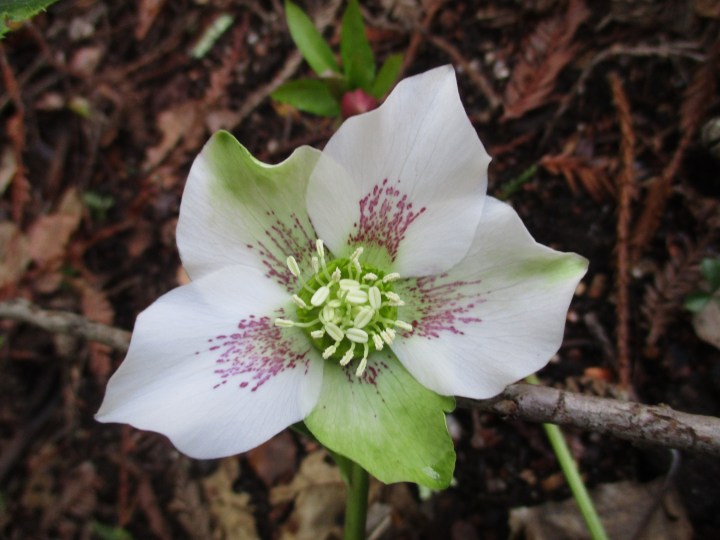
3. Helleborus X hybridus – Of these six subjects, only this and #2 above are actually in season. Their pale bloom is mediocre and faces the ground. This one is turned upward for this picture.P00111-3

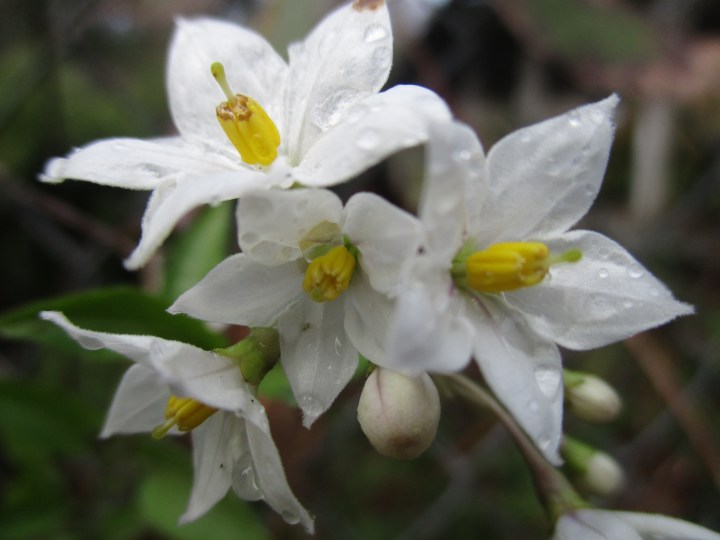
4. Solanum jasminoides – Foliage is pekid through cool winter weather. Vines will get pruned back before growth resumes in spring. Regardless, flowers bloom whenever they get a chance.P00111-4

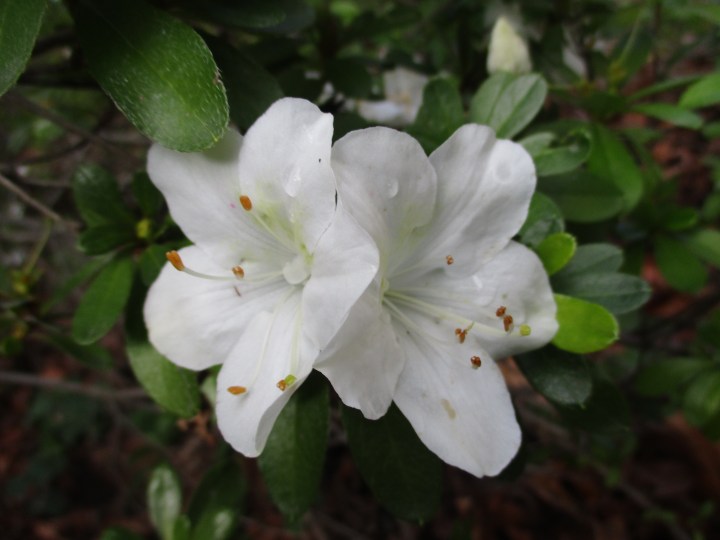
5. Rhododendron (Azalea) – As delightful as this unseasonable bloom is now, it would have been much better if it had waited until spring as expected. It will not last long in this weather.P00111-5

6. Hydrangea macrophylla – Bloom continues even as the yellowed deciduous foliage is falling to the ground. Other juvenile blooms are still developing. I will elaborate on this topic at noon.P00111-6

This is the link for Six on Saturday, for anyone else who would like to participate:

https://thepropagatorblog.wordpress.com/2017/09/18/six-on-saturday-a-participant-guide/

Six on Saturday: Two Too Many Redwoods


Redwoods are such admirable trees that no one wants to cut any of them down. On rare occasion, it becomes necessary to do so. Seedlings sometimes grow in situations where they can not stay. They might be too close to buildings or other infrastructure. Sometimes, they are merely in the process of crowding other important plants in the landscape. That was the problem with the young redwood pictured here, and another just like it.

1. There it is, an exemplary specimen barely left of center. The problem was that it would have crowded other trees if left to grow. The dogwood to the left is feral too, but will not get too big.P00104-1

2. This juvenile tree had been cut off at the ground, and regenerated. This meant that I expected it to be more firmly rooted than it would have been if it had not experienced such trauma.P00104-2

3. What a surprise! Roots on one side had already been severed by earlier excavation for a drainage pipe. As I cut a few more roots on other sides, this unfortunate young tree just fell over.P00104-3

4. There were enough roots remaining for this tree to survive if there had been someplace to put it where it could have been irrigated and guyed until it recovered and dispersed new roots.P00104-4

5. Guying would have been difficult though. The young and slender tree was just too tall and flimsy for any downward tension applied by guys. Sadly, this young redwood was not salvaged.P00104-5

6. This is really why I was here. Besides removing two feral redwoods, I dug two Japanese maples that had been stagnating in the landscape for years, and canned them to hopefully recover.P00104-6

This is the link for Six on Saturday, for anyone else who would like to participate:

https://thepropagatorblog.wordpress.com/2017/09/18/six-on-saturday-a-participant-guide/
Six on Saturday: Tracks


Tracking is not done for hunting here. Anyone who can hunt here would merely wait for deer or turkey to arrive as they so frequently do through the day. I only notice the tracks while they are so visible in the mud and damp soil. Most are from harmless animals. Some are from animals who control unwelcome rodents. Even notoriously destructive deer are not a problem here.

No one knows why deer avoid the landscapes here. There are no fences, so deer can come and go as they please. They are a serious problem for some of the home gardens nearby, but avoid others like they avoid our landscapes. I got these pictures outside of landscaped areas. Bobcats have never bothered anyone except the rodents who are not wanted in the landscape anyway.

I saw no tracks left by raccoons, skunks, turkeys or mountain lions, which is just fine. Mountain lions are rare, so their tracks are rarely seen around areas of human activity. The others are too lightweight to leave well defined tracks that I could get pictures of anyway. Skunks are actually beneficial to the landscapes, by eating grubs and slugs. They refrain from digging in lawns.

Turkeys are only becoming a concern because of their proliferation. The minor damage that they cause while scratching for grubs and pecking at anything colorful is likely to become a major concern when there are more of them shredding flowers, fruit and vegetation. Raccoons are more obnoxious for the messes they make with garbage than for their damage in the landscapes.

1. Deer often leave double prints, with the second set slightly back from the first. This pair seems to be single prints from different hooves that just happened to land right next to each other.00128-1

2. Bobcat prints must have appeared while the weather was still drizzly enough to mute the detail. Bobcats are common enough here for (La Rinconada de) Los Gatos to be named for them.00128-2

3. Coyote prints are fresher. They seem to be too small to be left by a coyote; but fox tracks are even smaller, and rare. Foxes are so lightweight that they leave tracks only in very soft mud.00128-3

4. Human prints are very fresh. I did not notice them on my way out, but found them on my way back. Whoever or whatever left these prints could have been dangerously close at the time!00128-4

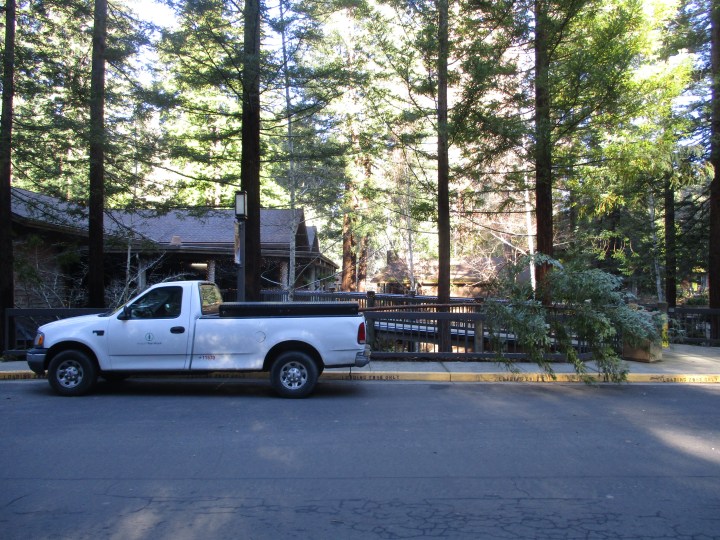
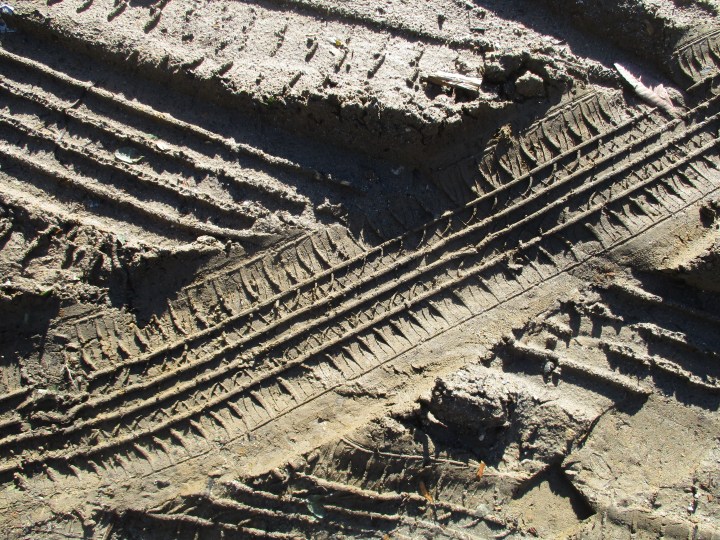
5. Chevrolet prints over John Deere prints are also rather fresh. There are prints of Ford, Dodge and even a rare Buick in the area. It must have been quite a herd! I should track that Buick!00128-5

6. Rhody the terrier leaves no more prints than a fox, since he too is so lightweight. I tried to press his paw into the mud for this one, but he did not cooperate. This was the best we could do.00128-6

This is the link for Six on Saturday, for anyone else who would like to participate:

https://thepropagatorblog.wordpress.com/2017/09/18/six-on-saturday-a-participant-guide/
Six on Saturday: Nursery Work


This is more like what I should be doing. My part time job here was supposed to be temporary, just until I went back to work growing things. It is not easy to leave. Actually, it is downright difficult. Well, that is another story. Yesterday, Friday, I got to pretend I was back at work, dividing perennials and plugging cuttings. It all came from what already lives in the landscapes.

These seasonal tasks had been delayed until the rainy season started.

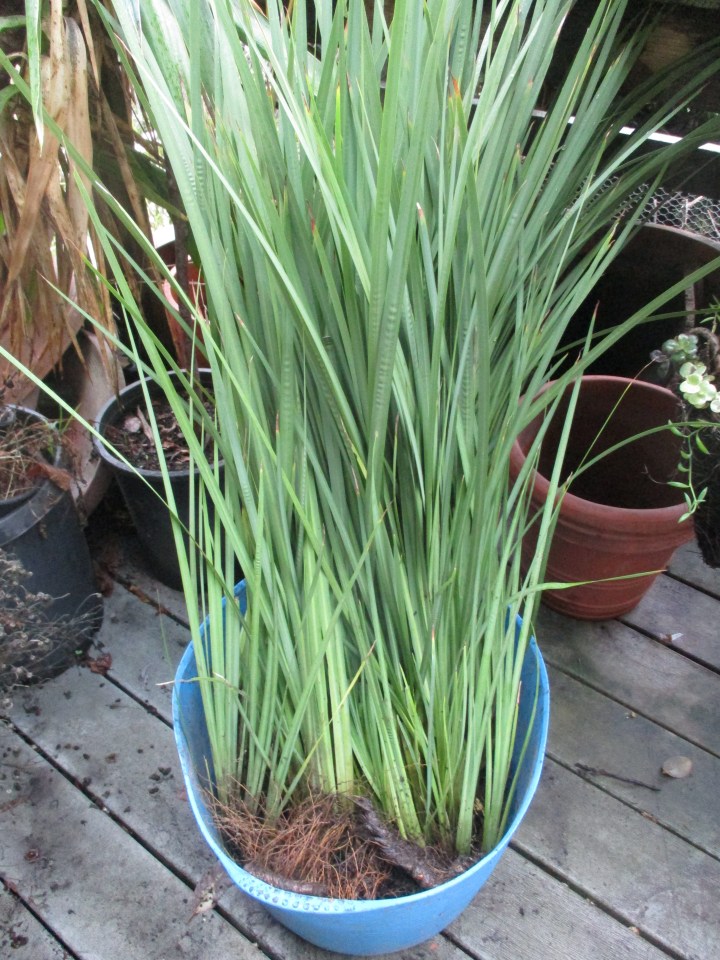
1. African iris, Dietes bicolor, got plucked around the edges where it was getting too close to a walkway. These plucked and groomed scraps will be plugged directly where more are desired.P91214-1

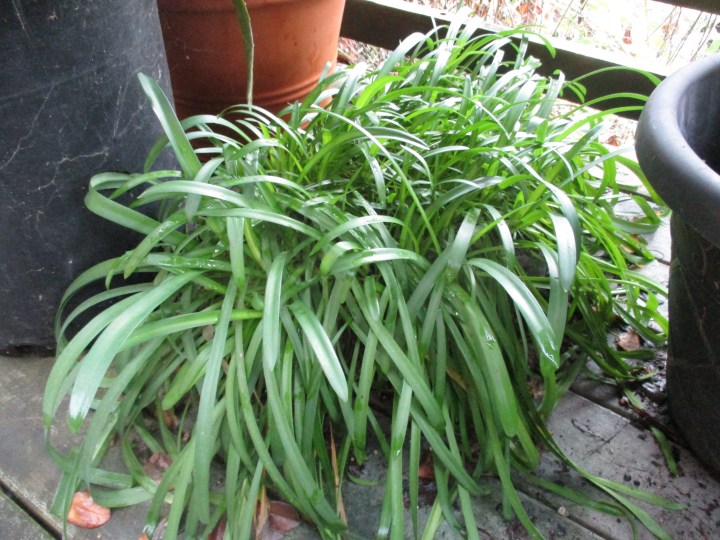
2. Lily-of-the-Nile, Agapanthus africanus, got pulled a long time ago, and just left here on the floor. It can get split into many individual pups, but will more likely be planted as a full clump.P91214-2

3. Pigsqueak, Bergenia crassifolia, got pulled where it was creeping over a stone wall. Most was plugged back behind where it came from. Sixteen groups of three pups were canned for later.P91214-3

4. Boston ivy, Parthenocissus tricuspidata, provided this mess when it was relieved of its stakes and groomed. It grew so fast in the first year, that there is concern about planting more of it.P91214-4

5. 100 cuttings is too many! There are only a few concrete structures that it can climb onto. It probably would have been more practical to plug a few cuttings directly into only a few cans.P91214-5

6. Cuttings would have fit better into cans too. These cuttings are plugged diagonally, leaning back toward the top of the picture, with the front row leaning toward the bottom of the picture.P91214-6

This is the link for Six on Saturday, for anyone else who would like to participate:

https://thepropagatorblog.wordpress.com/2017/09/18/six-on-saturday-a-participant-guide/

Six on Saturday: Pet Rock Amongst Redwoods


Macabee Gopher Trap was invented in Los Gatos. So was the Bean Pesticide Sprayer. Both were very useful in the vast orchards that formerly occupied the Santa Clara Valley. Another one of the more famous invention that originated in Los Gatos was not so practical. Actually, it was weirdly impractical. What was weirder was that it became such a craze in 1975 and early 1976.

It was the Pet Rock.

1. Pigeons don’t lay eggs in December. They certainly don’t lay such big eggs, or leave them without a few twigs to keep the from rolling away. Now that I think of it, pigeons don’t live here.P91207-1

2. Oh, it is just a rock, painted by someone named Madeline. Perhaps, it is a Pet Rock named Madeline. It seems to be of impeccable breeding. Form, color and temperament are exemplary.P91207-2

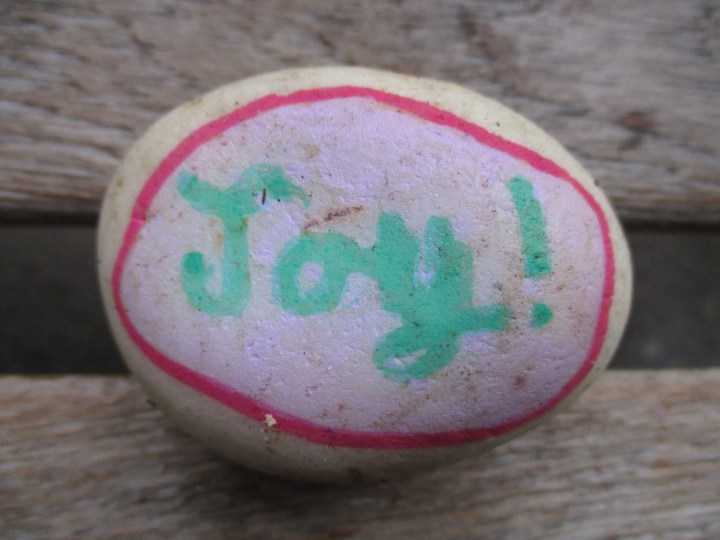
3. Perhaps it was painted by someone named Joy, or it is named Joy. Well, whatever or whoever it is, it seems to be very important. It was put back in the hanging basket of zonal geranium.P91207-3

4. That’s the hanging basket with the zonal geranium in it, right there, second from the left. It is not exactly a good place for a Pet Rock to nest. Notice the plaque over the rail right below it.P91207-4

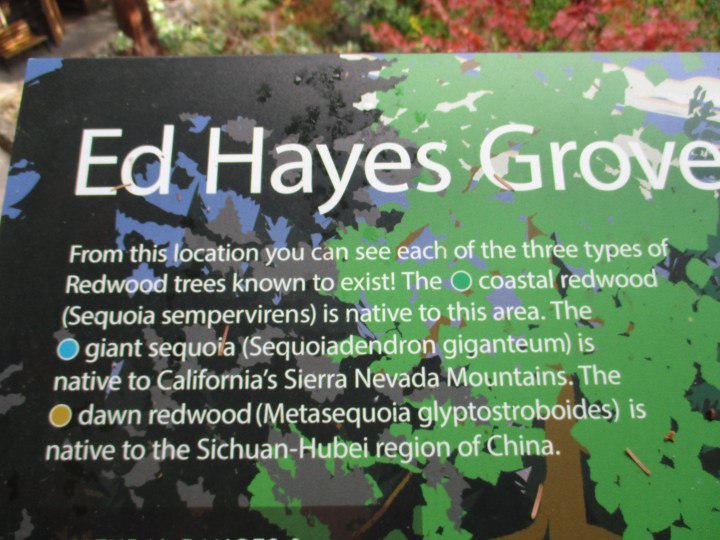
5. The plaque identifies all three species of redwood in the landscape. The green, blue and brown dots next to the names correspond to a diagram showing where each is within the landscape.P91207-5

6. The defoliated dawn redwood is to the left. The small giant redwood is to the right. Those in between and in the background are the native coastal redwoods, which grow wild in the region.P91207-6

This is the link for Six on Saturday, for anyone else who would like to participate:

https://thepropagatorblog.wordpress.com/2017/09/18/six-on-saturday-a-participant-guide/