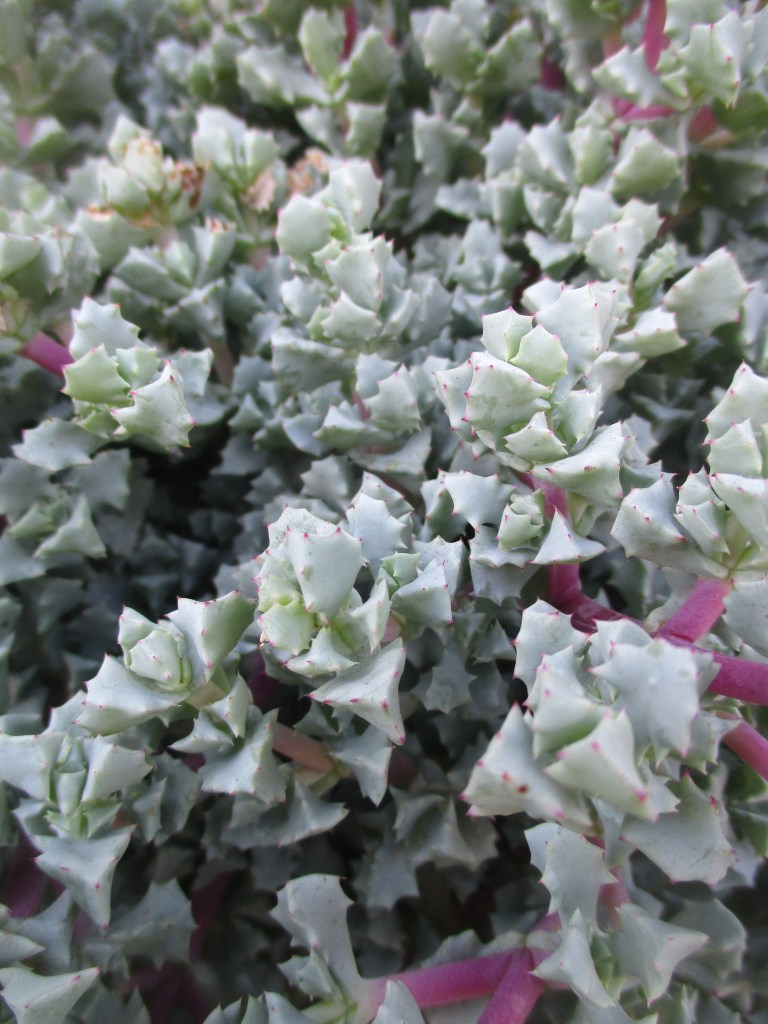
Lavender pink bloom in spring or early summer can be profuse in sunny situations. Individual flowers are like small daisies with yellow centers. They stay closed through most of the morning, then open by about noon. If the weather is conducive, they can be slightly fragrant. However, the evergreen foliage of pink iceplant, Oscularia deltoides, might be even more appealing than the bloom.
The plumply succulent leaves are a delightfully bluish hue of gray. With two sides and a flat upper surface, these leaves are triangular in cross section. Blunt foliar teeth provide a distinctive texture. Foliage is so dense that the relatively thin stems within are barely visible. Stems can blush with pink or purple. Bloom is better, and foliage is denser, with good exposure and occasional watering.
Mature growth gets at least half a foot deep, and can eventually get a foot deep. It slowly spreads about two or three feet wide. With age, outer stems develop roots where they lay on the soil, and spread even farther. New plants grow very easily from cutting. Pink iceplant cascades nicely from pots or over stone. It contrasts handsomely with richer or darker colors of other foliage or bloom.
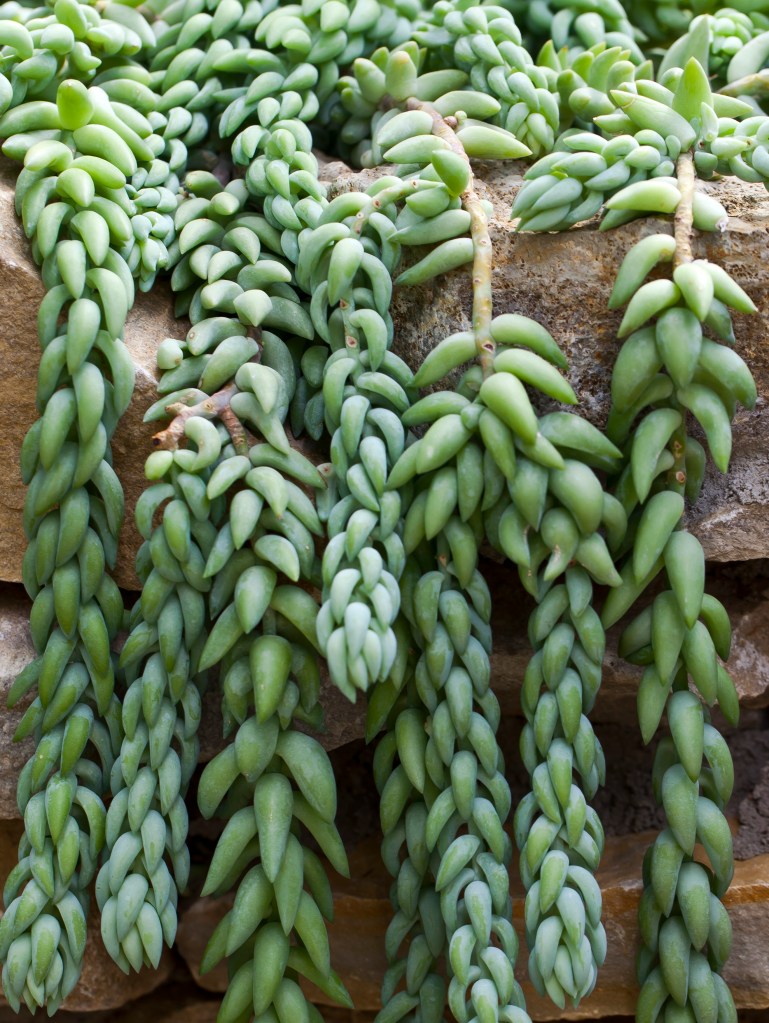


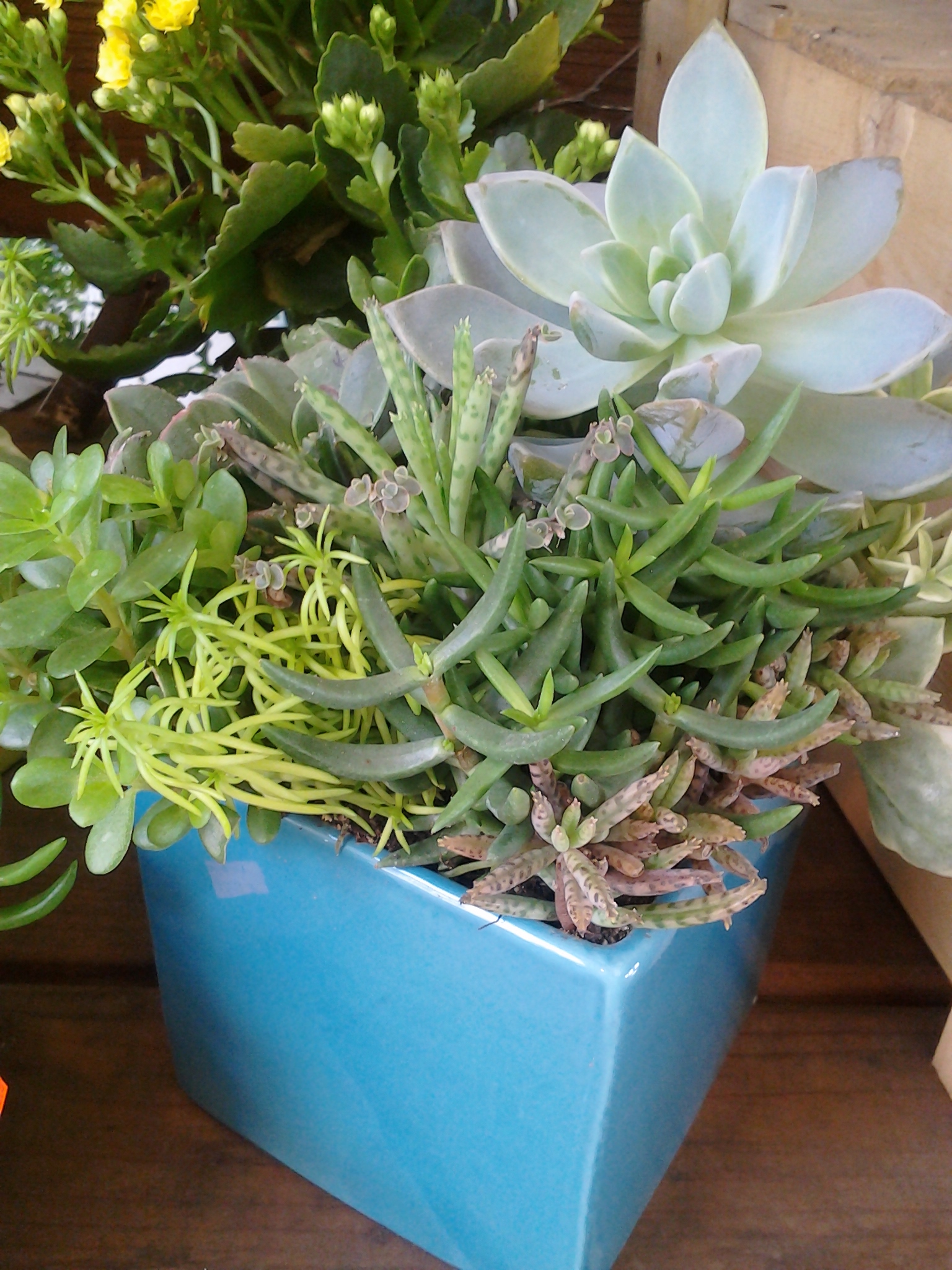

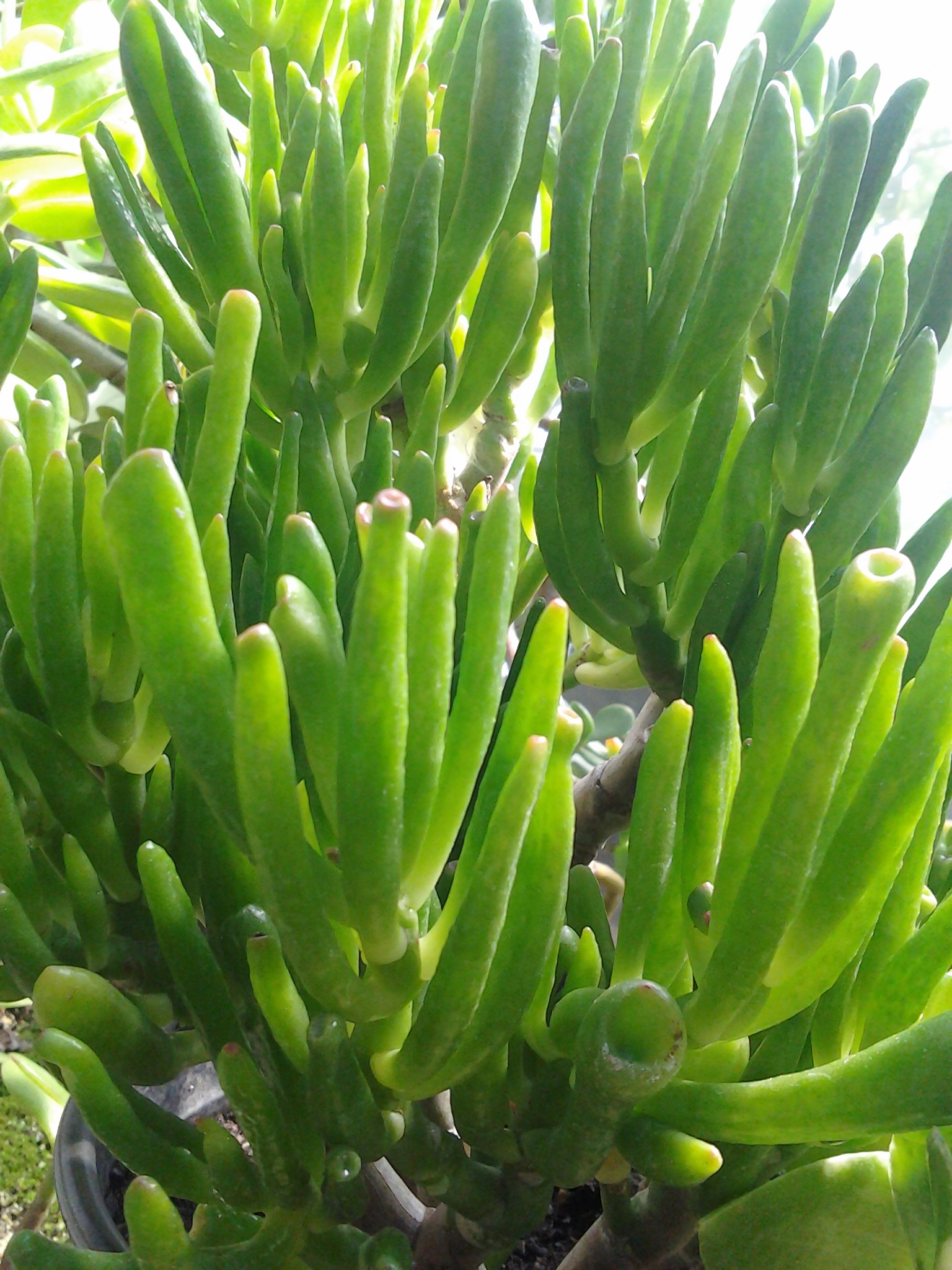
 It is unfortunate that, like Easter lilies and poinsettias, most kalanches, Kalanchoe blossfeldiana, are enjoyed while actively blooming, and then discarded as their blooms fade. It is so easy to simply snip out the deteriorating flowers, and grow the small perennials plants for their appealing succulent foliage until they bloom again. They do not get much more than half a foot tall, so can stay in small pots indefinitely. They seem to prefer the porosity of clay pots. Because they can rot, they should be watered when the surface of the soil seems to be getting dry, and their drainage saucers should not be allowed to hold water too long. Kalanchoes like bright but indirect sunlight. They can be acclimated to direct sun exposure, but might seem to be somewhat stunted. If brought in before frost, they can be happy out on a patio. The clustered small flowers can be white, pink, red or bright or pastel shades of orange or yellow.
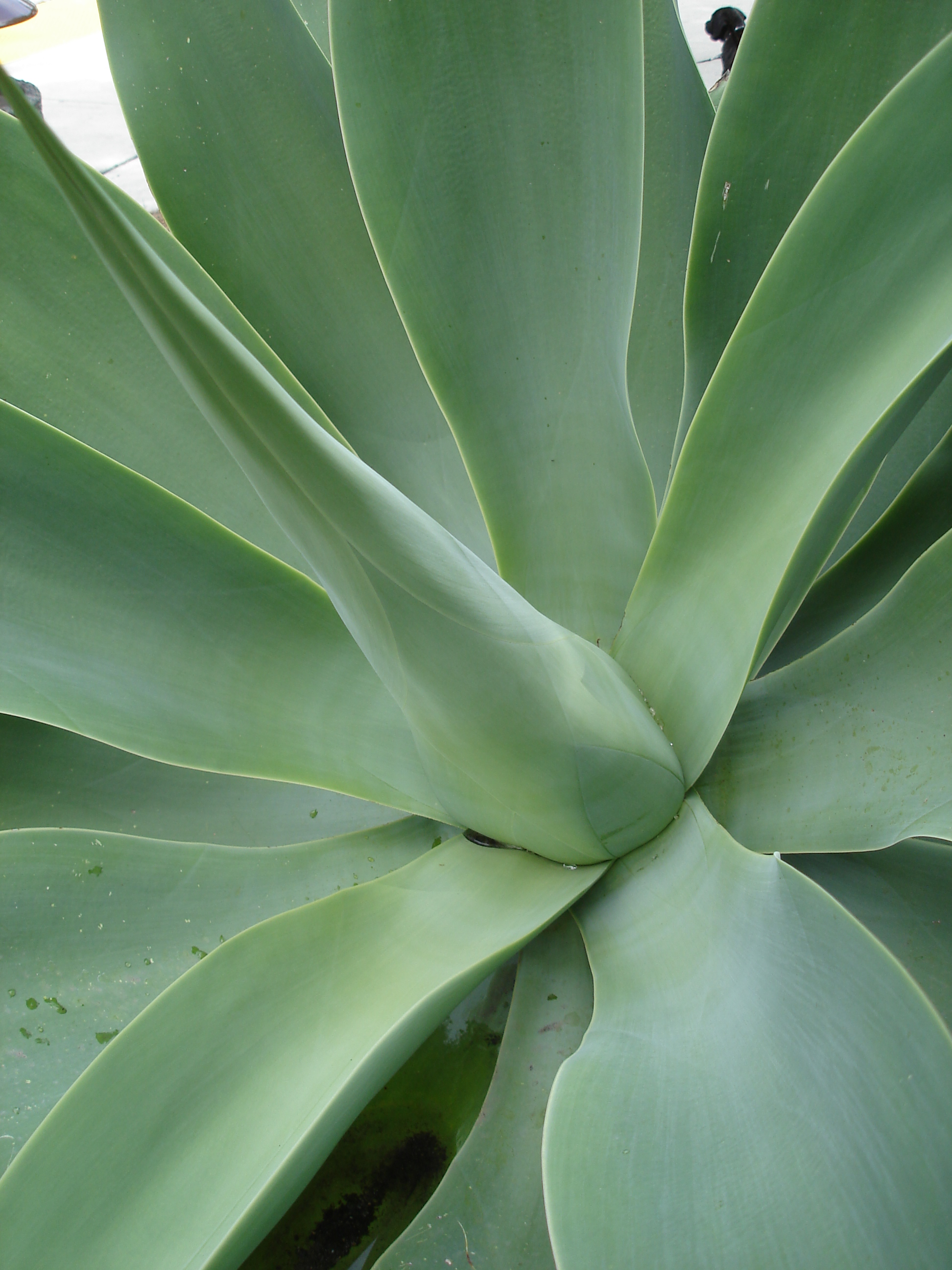 Agaves are innately tough and undemanding. The main reason that they are not more popular in home gardens is that they are outfitted with nasty foliar spines. The worst of these spines are the distal tips of the large succulent leaves. Most agaves are also armed with shorter recurved spines on the margins of their leaves. Gardening with such well armed perennials can be dangerous.
 Bright pink bloom that can be profuse enough to obscure the succulent foliage below is nothing new for iceplant. Some bloom bright purplish pink. Others are reddish pink. A few are softer pink or white. What is unexpected is iceplant that blooms bright yellow, orange or gold, like Lampranthus aureus does. (Freeway or beach iceplant that blooms soft yellow or pink is not a true iceplant.)
