 Flowers have a bigger and better agenda than coloring our gardens and homes. They bloom to get pollinated. Their color and fragrance are designed merely to attract pollinators. Less vain but more abundant blooms take advantage of the wind to disperse their pollen. Once pollinated, flowers fade and deteriorate as resources get diverted to the production of seed and fruit to contain it.
Some flowers are on a tight schedule. They bloom in a single brief season. Others have a bloom season that last significantly longer than the individual flowers do. They might bloom continually for a few months, replacing fading older flowers with new flowers; or they might bloom in phases, with each phase blooming simultaneously, and then getting replaced with a subsequent phase.
Fruit trees and many fruiting vegetable plants bloom once annually, and then produce fruit. Tomato, summer squash and bean plants bloom and produce fruit continually. Tomato fruits are best if allowed to ripen on the vine. Beans and summer squash like zucchini are better if harvested while young and tender. Also, the plants are more productive if regularly deprived of premature fruit.
The priority of these plants is to produce seed. Production of seed requires significant resources. Plants that are busy producing seed within maturing beans and zucchini do not put much effort into producing subsequent bloom and fruit. However, if deprived of maturing seed and fruit, these sorts of plants are compelled to divert resources into new bloom, and seed and fruit production.
The same applies to many flowering plants, particularly perennials and flowering annuals. ‘Deadheading’ is the removal of deteriorating flowers to promote continued bloom. It is not practical for plants with profuse small flower, such as sweet alyssum and lobelia. Nor is it necessary for some sterile or nearly sterile plants that do not produce much seed anyway, like busy Lizzy (impatiens).
French marigold, petunia, zinnia, floss flower and cockscomb all bloom better if deadheaded. Rhododendrons do not benefit directly from deadheading, but look better without old floral trusses. Conversely, the potentially picturesque dead flowers of sea holly might be left intact.
 Considering that some of the winter squash can last right through winter and into spring, there really is a squash for every season. By the time the last of the winter squash run out, the first of the summer squash will be ready later in spring. They get an early start here, and continue until frost. By that time, the earliest of the winter squash will be ready for autumn, and will last through winter.
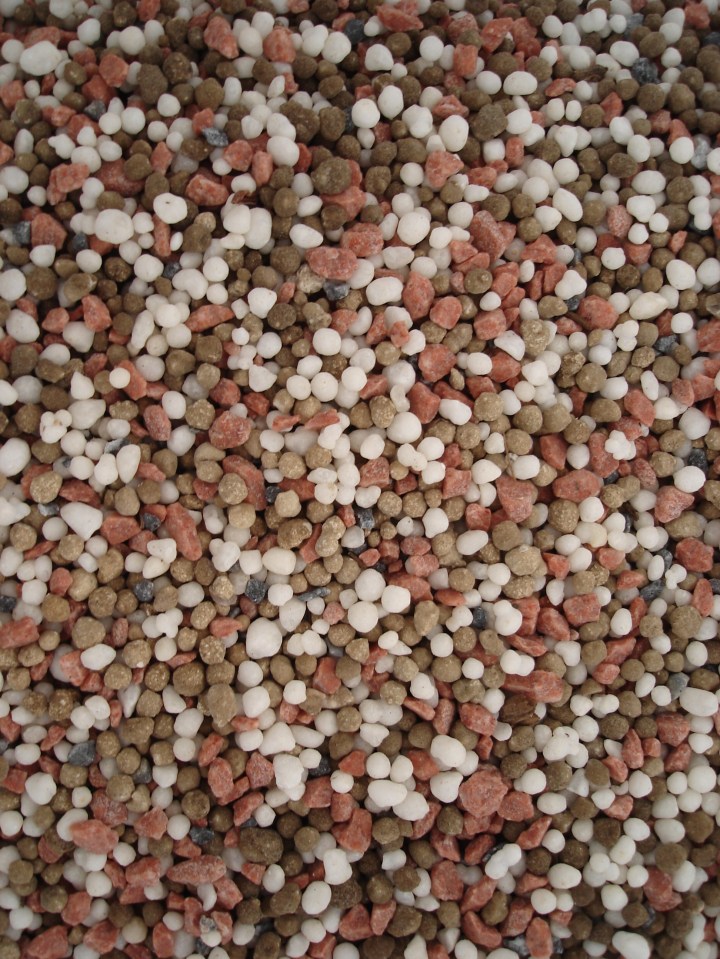 Too much of a good thing can be a problem. That is why bacon is not one of the four basic food groups. It is why sunny weather gets mixed with a bit of rain. It is why we can not give plants too much fertilizer. Since late last summer or autumn, there has not been much need for fertilizer. If fertilized too late, citrus and bougainvillea develop new growth just in time to be damaged by frost.
 If there are any cool season vegetables left in the garden, they should probably be harvested pretty soon. If left too much longer, they will be ruined by warming weather. Cabbage will bolt (start to bloom) once it realizes that it is spring. Cauliflower and broccoli, which are juvenile flowers, will become bitter as the flowers mature and try to bloom. Besides, they all need to get out of the way.
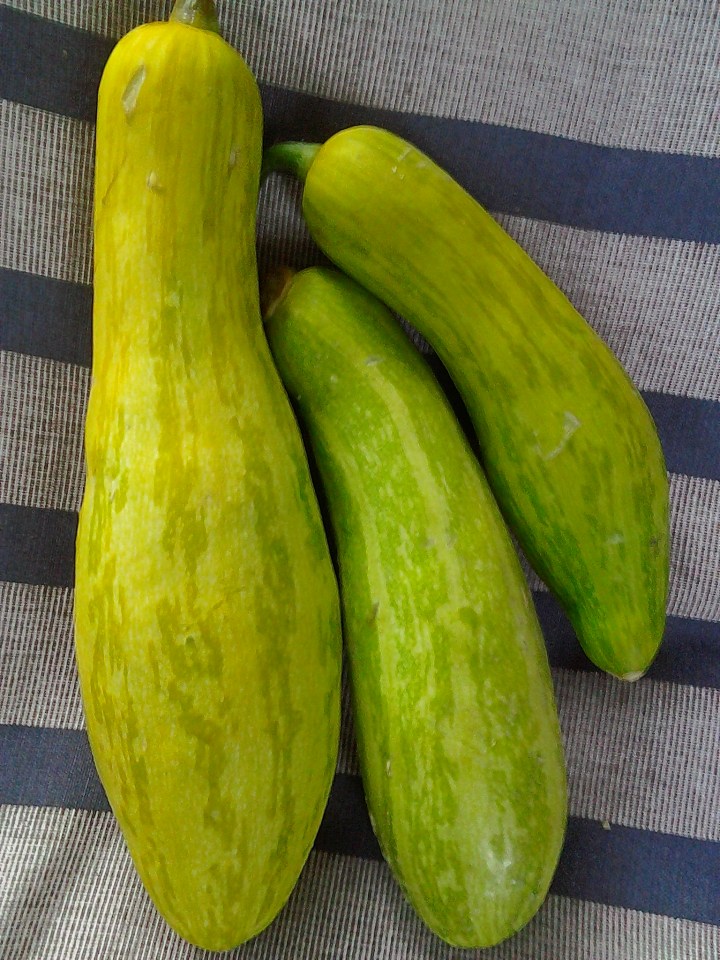 The calendar does not always agree with the weather. It really is about time to start replacing aging cool season vegetable plants with fresh new warm season vegetable plants. Earlier warm and dry weather had suggested that it was getting late. More recent frosty weather followed by rain suggested otherwise. Regardless, there is no point in arguing with what the calendar determines.
 Isn’t this a delightful meadow? It is located right across from the historic Felton Covered Bridge
  Apparently, someone thought that there might possibly be the remote chance of the potential for homeless people to maybe engage in activities that could perhaps be determined to be bad, right behind the Community Garden. If you look closely, you might be able to see them back there. Maybe not. (More accurate information can be found at the Facebook page of Felton League at
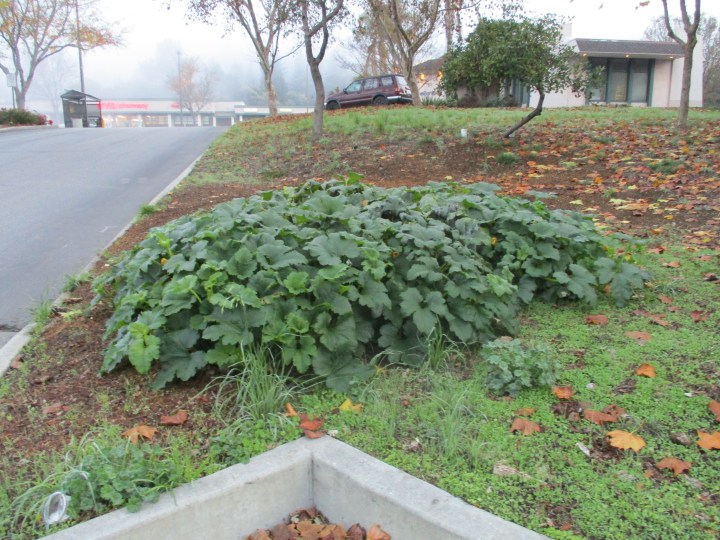 Just a few feet downhill from where the old valley oak had lived for centuries (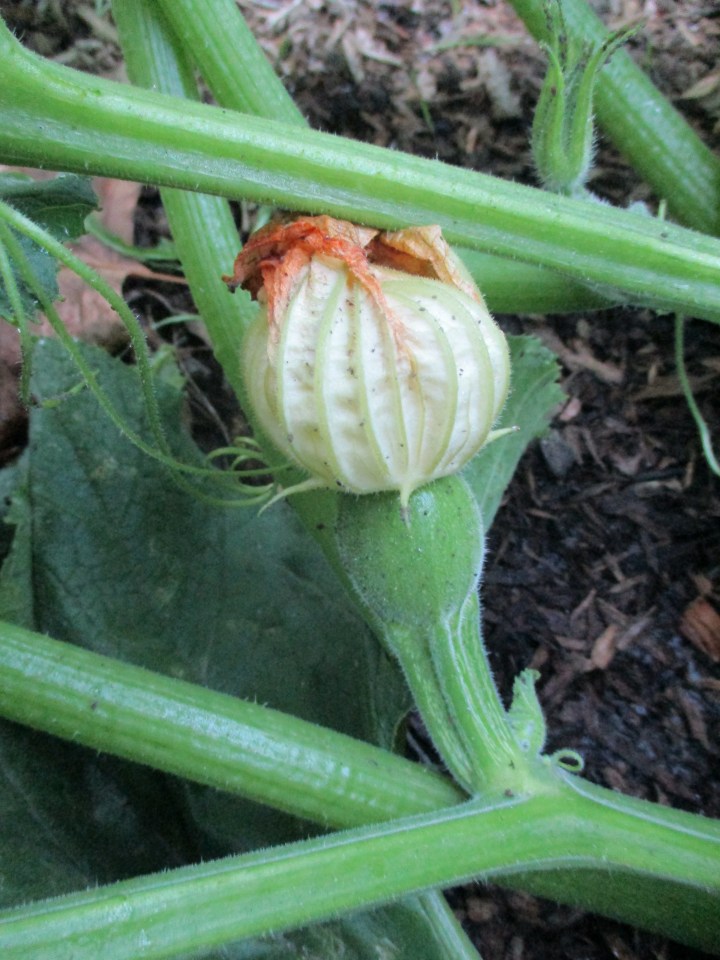
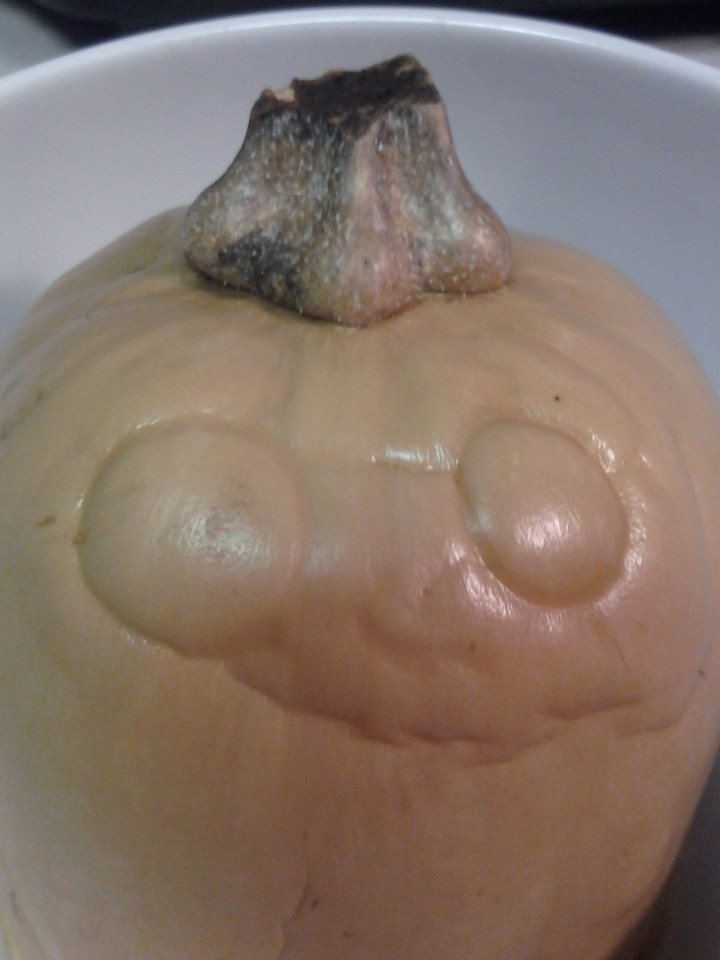 There are not many things that will grow in my zone that I will not at least try to grow if I have the space and resources to do so. I really like to grow fruits and vegetables, particularly those that I am familiar with from when I was young. They are just as productive now as they were then. The only problem is that I do not know how to cook. I can freeze, can or pickle large quantities of produce, but cooking is something that I leave to experts.
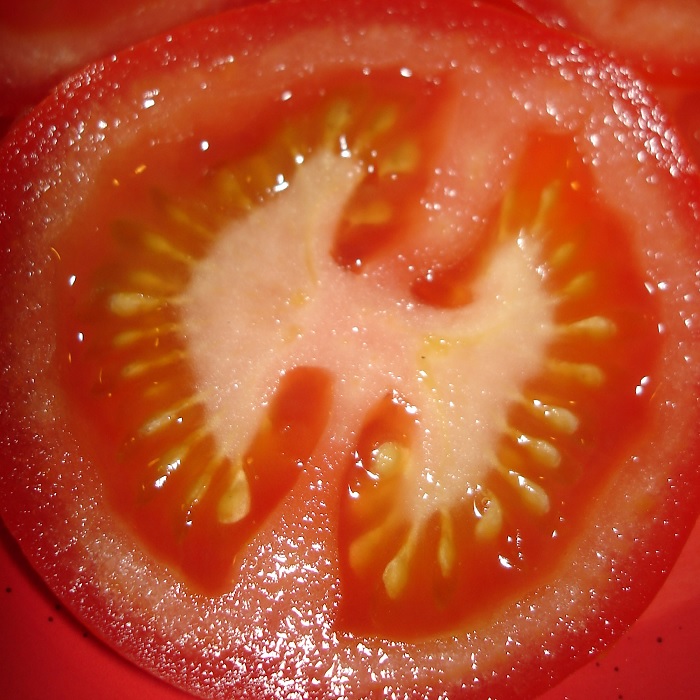 Certain fruits and vegetables were so much more palatable before studying botany. Knowing what they really are sort of puts a damper on things.
 The difficult part is pulling up the warm season vegetable plants while they still seem to be productive. It gets much easier after that. Putting new cool season vegetable plants back into the garden is much more gratifying. Vegetable gardening never stops here. One season starts before the previous season ends. If cool season vegetable plants get a late start, they take longer to produce.
