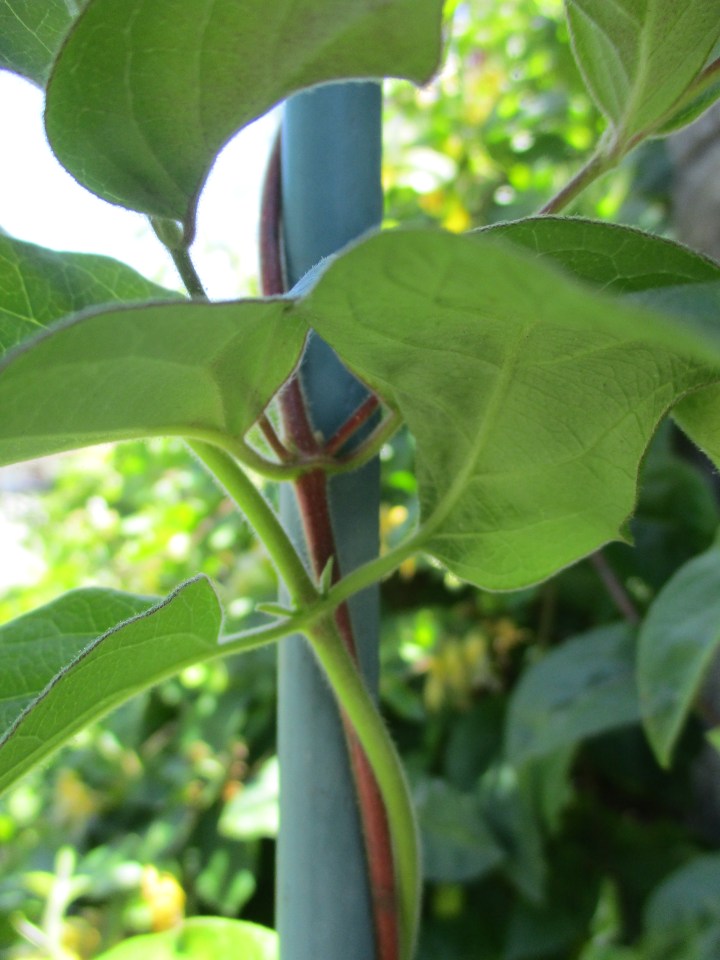
Grapevines that were not pruned aggressively enough last winter are tangled messes by now. Many grapevines that were pruned properly are tangled messes as well. That is their nature. Woody vines like grapevines grow rapidly and vigorously. They rely on other plants for support, and do what they must to get to the top. Woody vines are not concerned about the plants that support them.
Woody vines climb structures also. Some cling to stucco and siding with aerial roots or modified tendrils (holdfast discs), that ruin paint and promote decay. Woody vines with twining stems wrap around posts and beams, and then crush them as they grow. All sorts of vines can dislodge shingles, roof tiles, gutters, downspouts or window screens. Some sneak into basement or attic vents.
Even relatively docile woody vines can get out of control fast. Star jasmine performs well as ground cover, but can climb more than twenty feet up trees if neglected long enough. Pink jasmine, lilac vine and Carolina jessamine are tame enough for lattice, but get overgrown on top if not pruned down. American wisteria is much smaller than Chinese wisteria, but can still strangle small shrubs.
Woody vines are certainly worth growing. Chinese wisteria, autumn clematis, honeysuckle, bougainvilleas and various trumpet vines all have their attributes. They just require diligent maintenance and serious commitment. Most need more than just winter pruning. Some of the more vigorous sorts may need specialized pruning a few times annually. They also need serious accommodation.
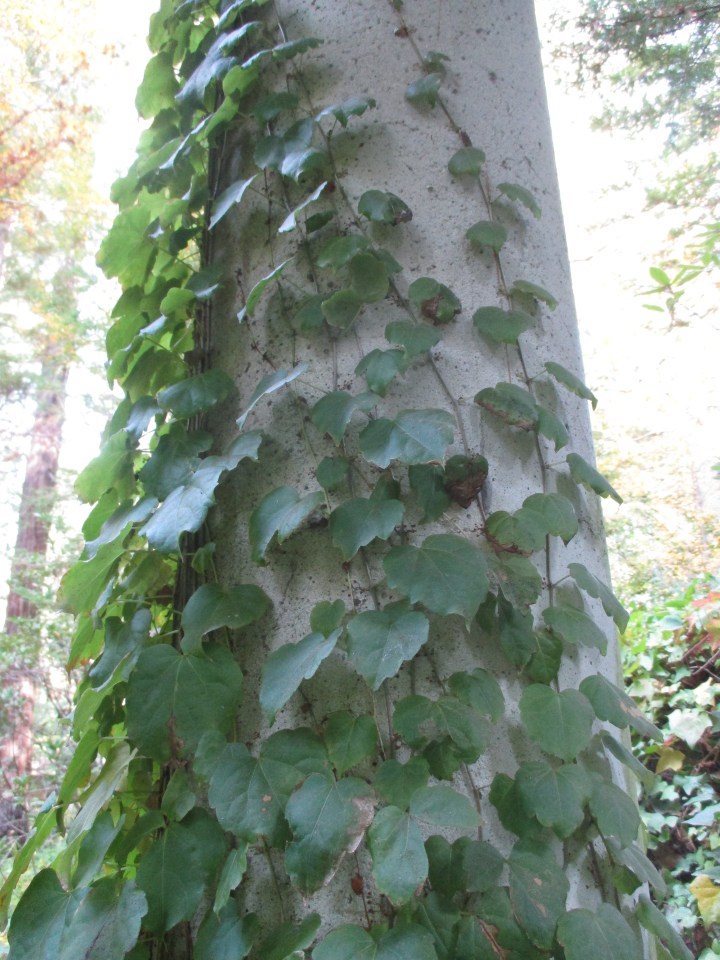
Trellises and supportive structures must be resilient to the destructive forces of particular woody vines. For example, Chinese wisteria deserves a trellis or arbor of posts and lumber that its heavy vines will not crush. Boston ivy can climb bare concrete retaining walls, but must not attach to painted or wooden surfaces. No vines should climb on roofs, chimneys, vents, gutters or utility cables.
Just as importantly, woody vines require enough room to grow without crowding or climbing into trees or other plants.





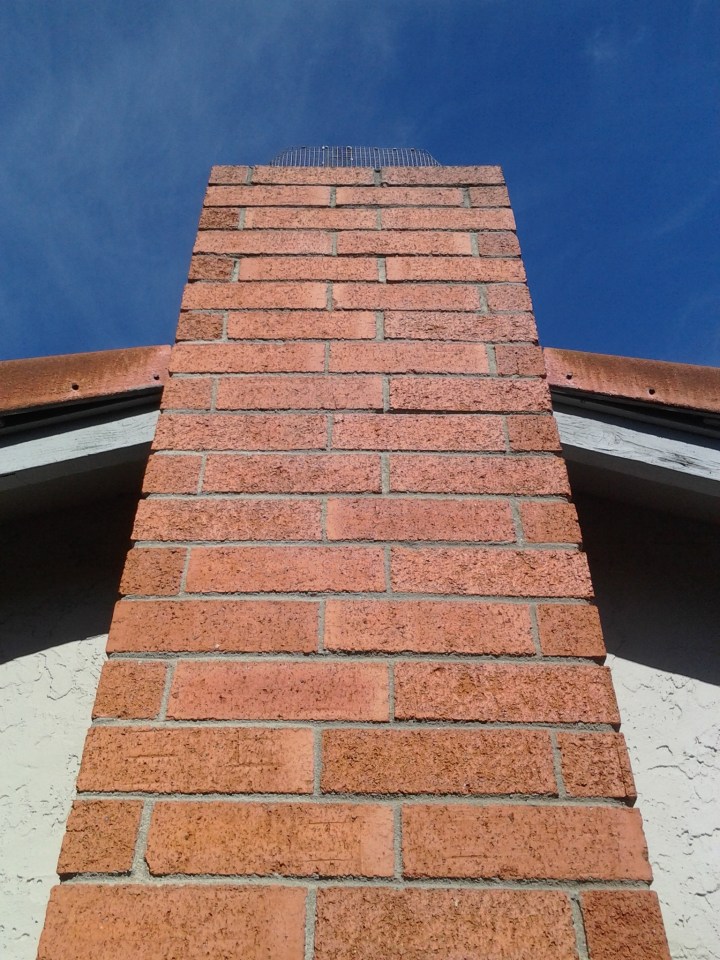 Fireplaces simply are not what they used to be. Building regulations in many municipalities do not allow for the construction of new fireplaces, except only for pellet stoves. Fireplaces that get damaged by earthquakes are commonly removed instead of repaired. Now that urban sprawl has replaced so many of the rural areas and defunct orchards, firewood is more expensive, even if purchased from a tree service. When a tree needs to be cut down, no one seems to have the time to cut and split the wood.

 Jocular reference was made to ‘The Grapes Of Wrath’ on our our backward version on the way to
