 Vegetables are annuals too, just like the flowering bedding plants that get replaced seasonally. Some are technically biennials, and a few might even have the potential to be short term perennials if they ever got the chance. Yet, for the purposes of home vegetable gardens, the warm season vegetables that produced through summer should now get replaced with cool season vegetables.
Yes, pulling up tomato plants to make room for cabbage is the same dilemma as pulling up petunias to make room for pansies. No one wants to do it while the plants are still productive. Tomato plants might continue to make a few more tomatoes until frost. Yet, planting cool season vegetables should not be delayed for too long. They want to disperse their roots while the soil is still warm.
Just like warm season vegetables, many of the cool season vegetables are more efficiently grown from seed sown directly into the garden. Root vegetables like beet, carrot, radish and turnip do not recover well from transplanting. Besides, cell packs do not contain many seedlings, even if multiple seedlings within individual cells are divided. It is more practical to sow seed evenly in rows.
Baby greens can also be grown from seed because so many small plants are wanted. Unlike heading lettuce that get harvested as individual mature plants, baby greens get plucked as they develop, from plants that may never reach maturity. Chard, kale and collard greens grow well from seed, or can optionally be grown from cell pack seedlings if fewer larger leaves are preferred.
Broccoli, cauliflower, cabbage and Brussels sprout are more typically grown from cell pack seedlings because only a few individual plants are desired. One or two six packs of cabbage might be more than one garden needs, and do not cost much more than a packet of seed. They mature at different rates, so larger ones can be harvested first, while smaller ones get more time to mature.
The root vegetables work the same way, maturing somewhat variably through a few weeks. However, secondary phases planted a few weeks after primary phases can start to mature as the primary phases get depleted. ‘Cole’ crops such as broccoli, cauliflower, cabbage and Brussels sprouts, consume the same resources, so perform best in small groups with a bit of separation.
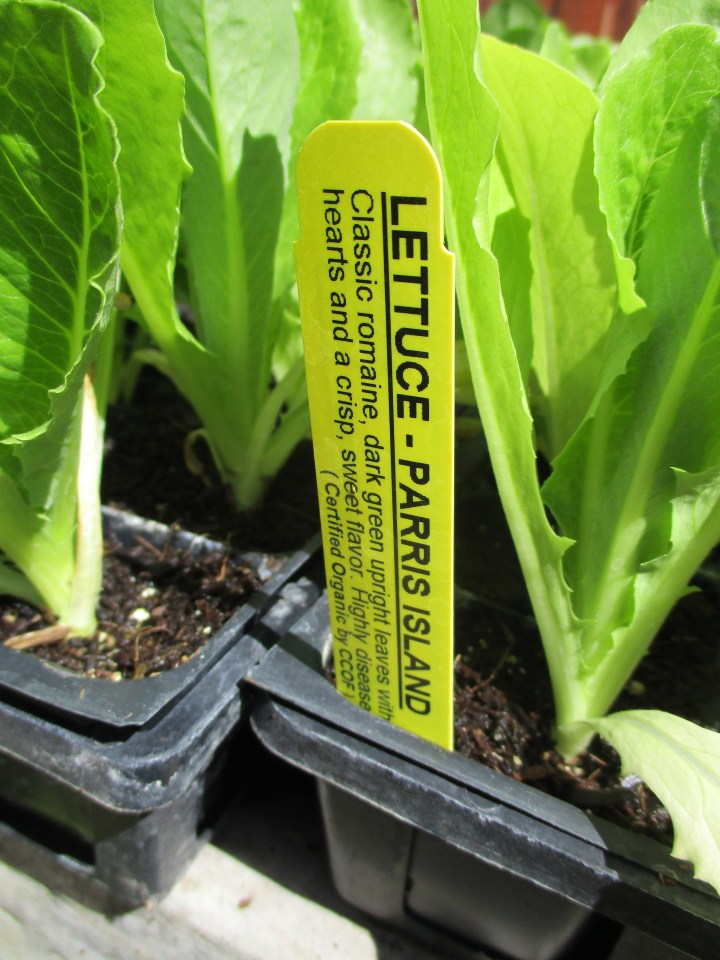 It is getting close to one of those two unpleasant times of year for the vegetable garden. It happened last spring, and it will happen again this autumn. Plants that so dutifully produced vegetables through the last season must relinquish their space for plants that will produce vegetables for the next season. In autumn, it will be cool season vegetables that replace warm season vegetables.
 Flowers have a bigger and better agenda than coloring our gardens and homes. They bloom to get pollinated. Their color and fragrance are designed merely to attract pollinators. Less vain but more abundant blooms take advantage of the wind to disperse their pollen. Once pollinated, flowers fade and deteriorate as resources get diverted to the production of seed and fruit to contain it.
 If there are any cool season vegetables left in the garden, they should probably be harvested pretty soon. If left too much longer, they will be ruined by warming weather. Cabbage will bolt (start to bloom) once it realizes that it is spring. Cauliflower and broccoli, which are juvenile flowers, will become bitter as the flowers mature and try to bloom. Besides, they all need to get out of the way.
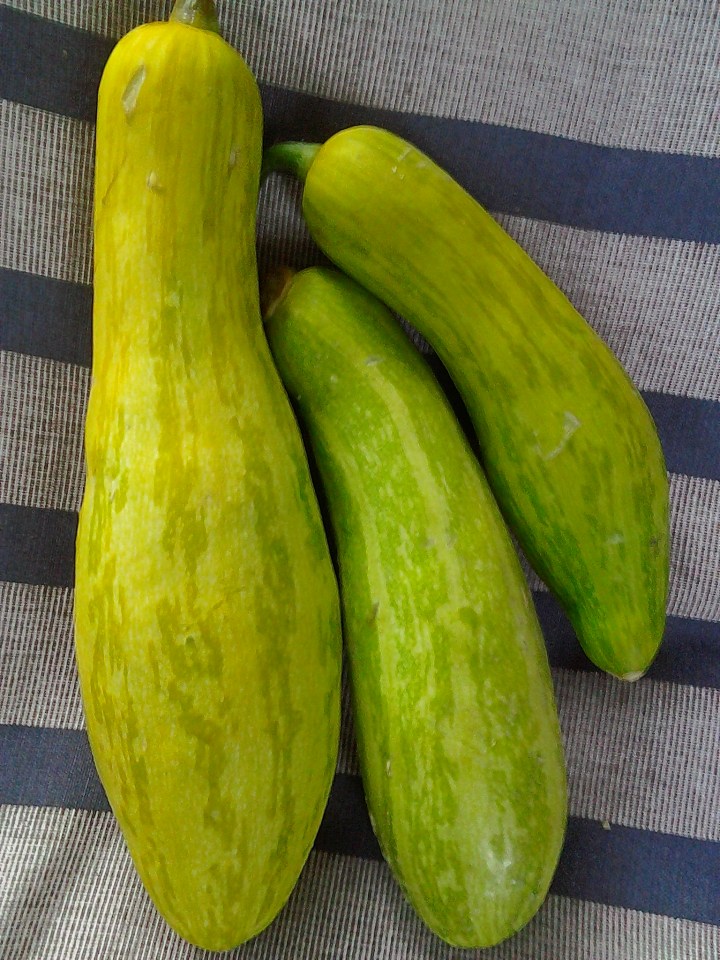 The calendar does not always agree with the weather. It really is about time to start replacing aging cool season vegetable plants with fresh new warm season vegetable plants. Earlier warm and dry weather had suggested that it was getting late. More recent frosty weather followed by rain suggested otherwise. Regardless, there is no point in arguing with what the calendar determines.
 Tony Tomeo