The frequency and duration of rainy weather here is not very much more than in the rain shadow where the inland base of the Santa Cruz Mountains merges into the Santa Clara Valley. However, the volume is about triple! My former neighborhood in town just about fifteen miles away gets about one foot of rain annually. The average annual rainfall here is about three feet.
That extra two feet sometimes seems to fall all at once.
1. Rain got heavy enough for me to bother recording this first of six brief videos. I do not know why the lights upstairs were pulsating and blinking. The downspout seems to be jet propelled.
2. This was certainly more than I expected. Off to the left, there were only two sandbags to put in front of a doorway that is three sandbags wide. This was a major problem. I did not panic.
3. Now I panicked. I called for help, but my radio was too wet to operate. There was nothing anyone could do anyway; or so I thought. I stopped the camera and went upstairs to investigate.
4. Removal of debris from the grate over this drain fixed everything fast. This was more than I expected too. We all know that this drain is partially clogged. The water and hail was freezing!
5. Within a minute or so, the water drained away surprisingly efficiently, leaving this icy mess on the small patio between the two stairways. It was like a Slurpee mixed with redwood debris.
6. More of the grungy Slurpee remained on the lower patio outside the doorway that lacked adequate sandbags. Water barely crossed the threshold to dampen a few square inches of carpet.
This is the link for Six on Saturday, for anyone else who would like to participate:
https://thepropagatorblog.wordpress.com/2017/09/18/six-on-saturday-a-participant-guide/
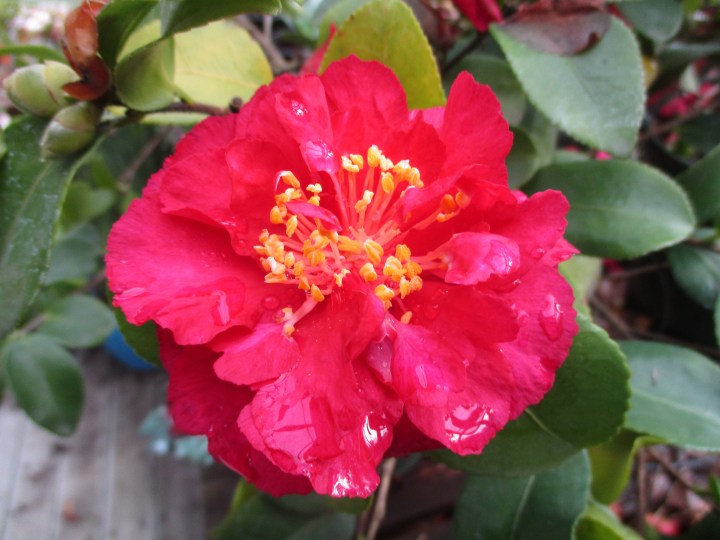 January 1, 2020! The first day of the Twenties!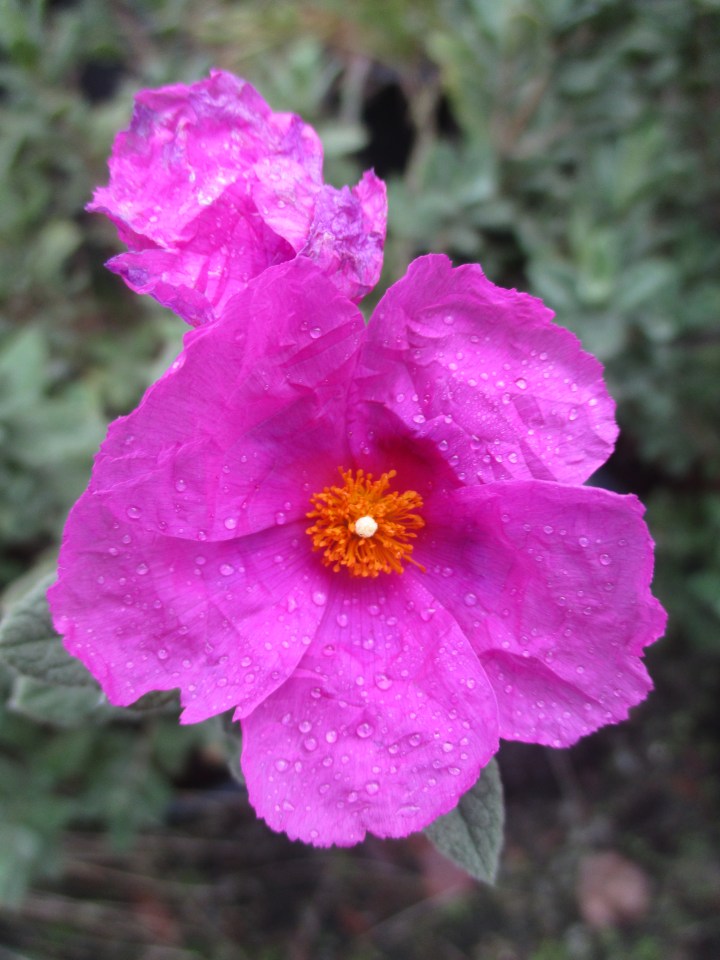
 Hollywood is famous as the Cinema Capital of the World. Niles was its predecessor. Both are within regions of remarkably diverse scenery that is so important to cinema. Mountains, deserts, chaparrals, forests, lakes and big cities are conveniently nearby. There are not many places in the World with such a thorough mix of geography and climate. California really does have it all.
 It is easy to snivel about the weather when it gets uncomfortable for us. The rain gets too wet. The temperature gets too cool. Even here on the west coast, without the cold of Minnesota, the heat of Arizona, the humidity of Louisiana or the rain of the west coast of Washington, we tend to think about weather by limited human standards. What we fail to consider is that many other organisms rely on a variety of weather conditions for their survival.

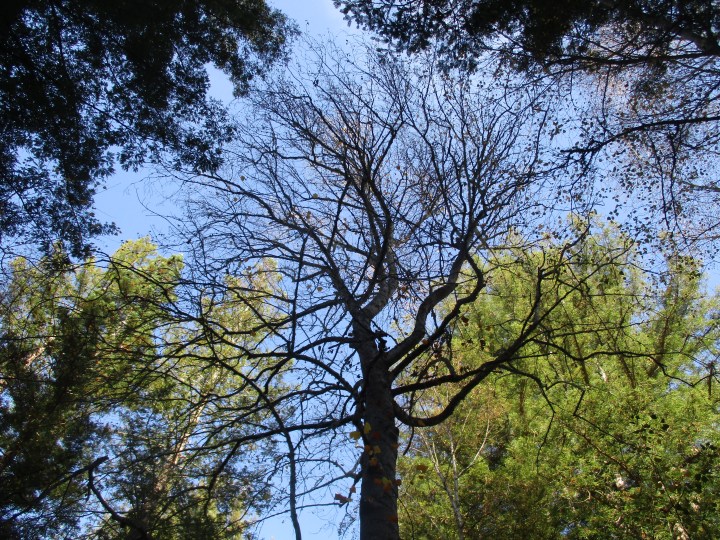
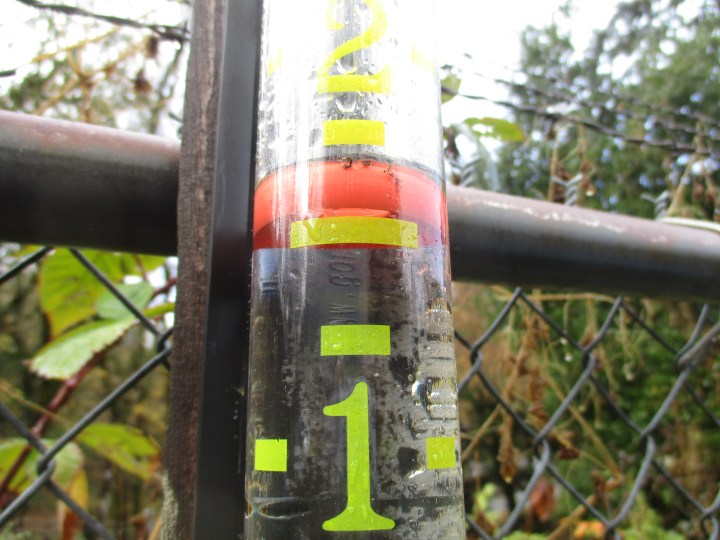


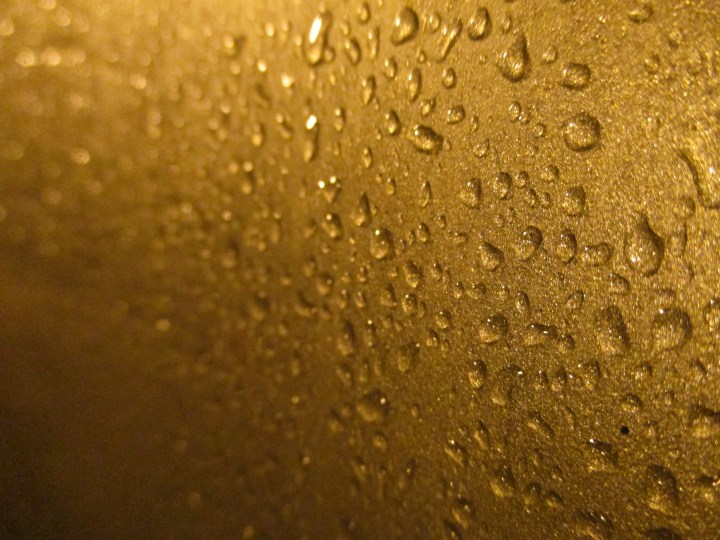 There have been only three hints at precipitation since last spring.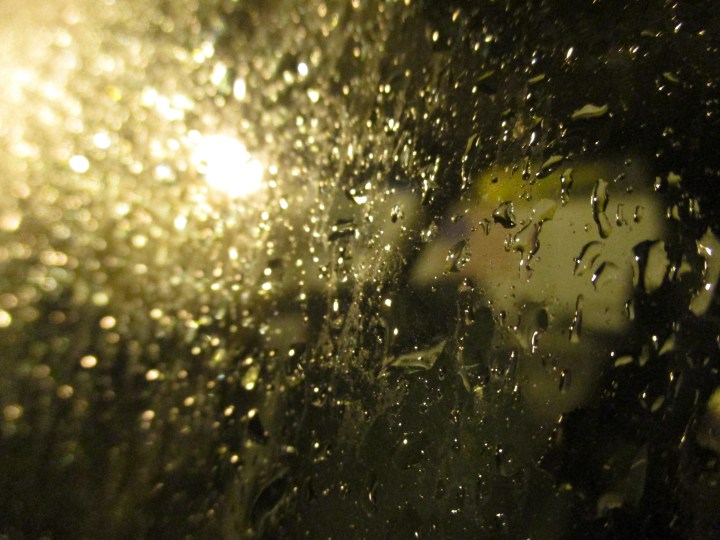

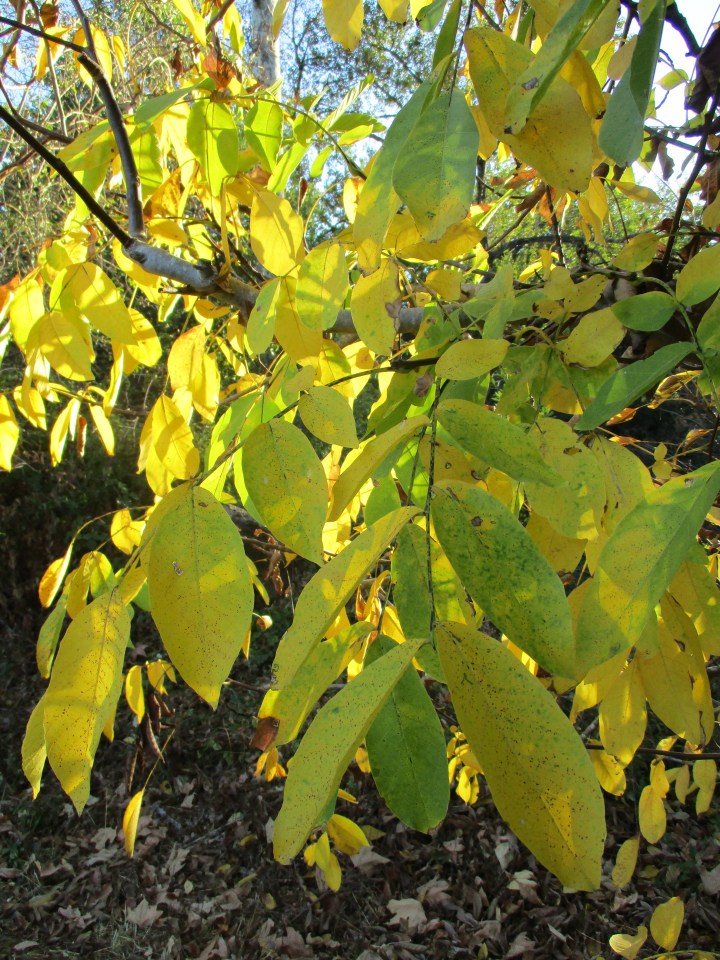 Mild climates allow more flowers to bloom through autumn and winter here than in most other parts of America. That is why cool season annuals like pansies and violas are so popular. Cyclamen can be planted now too. None will be obscured by snow. By the time cool season annuals start to fade, warm season annuals will be replacing them. There is something to bloom in every season.
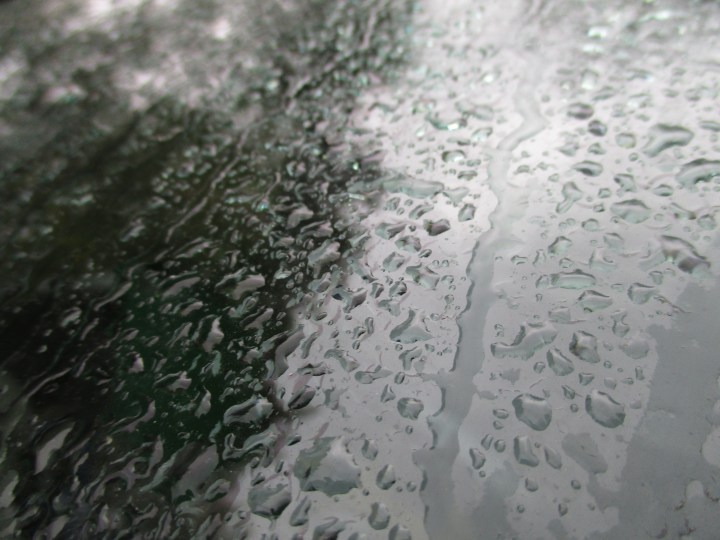 Most of us here agree that the minimal bit of precipitation that fell from the sky on Thursday was not real rain. There are a few different theories about what it actually was though. It could be considered to have been drizzle. It alternatively could have been heavy fog or mist. Some of us make up silly names for what it was, such as fine rain, dusting, spritzes, sprinkles or mizzle.



 Tony Tomeo