 Mild climates allow more flowers to bloom through autumn and winter here than in most other parts of America. That is why cool season annuals like pansies and violas are so popular. Cyclamen can be planted now too. None will be obscured by snow. By the time cool season annuals start to fade, warm season annuals will be replacing them. There is something to bloom in every season.
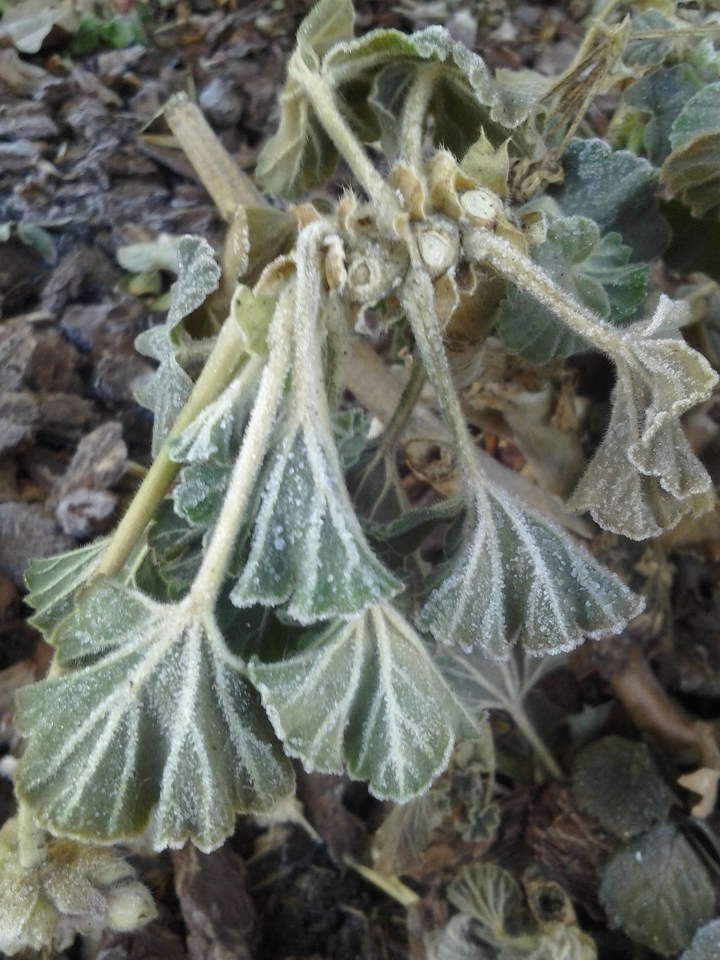
There are a few disadvantages to mild climates, though. Many plants rely on significant winter chill to stay on schedule. Inadequate chill limits the cultivars of apples and pears that are productive here. Not many spring bulbs will naturalize. Prior to winter, some deciduous plants are hesitant to resign to dormancy until they experience a chill that is cool enough to convince them it is autumn.
Some deciduous plants recognize a specific temperature as credible evidence of a change of seasons. Others want a specific temperature to be sustained for a specific duration or repeated for a few nights. Shorter days and longer nights are taken into consideration by species who want to confirm what they deduce from the weather. Different plants use different methods of observation.
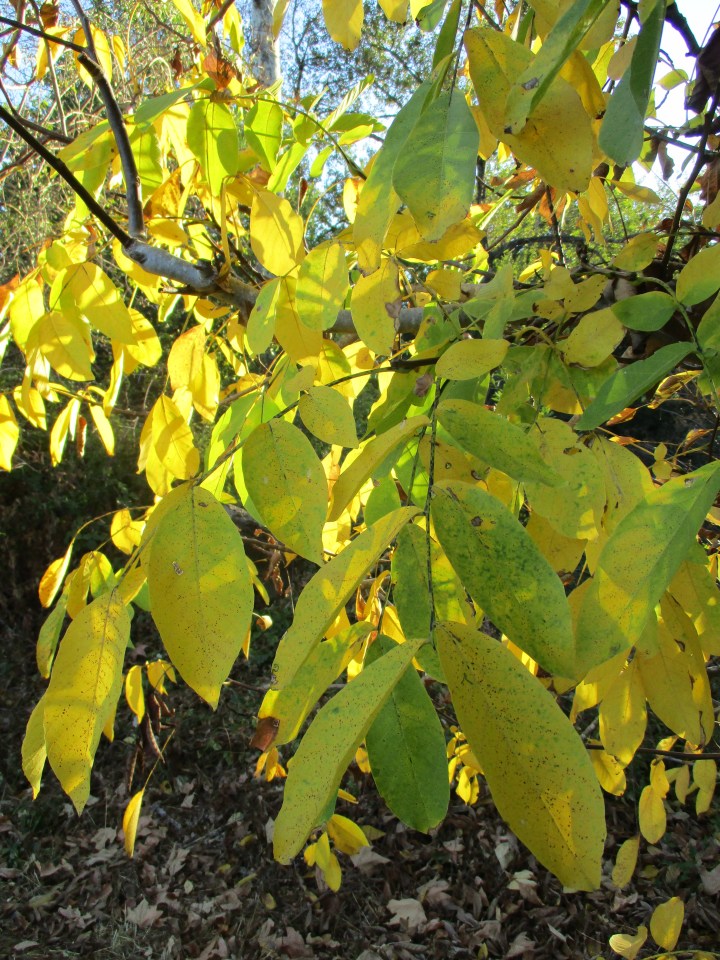
That is why deciduous plants who develop foliar color before defoliating in autumn do so on their own terms. Weather conditions that promote excellent color among birches may not be the same that cause flowering cherries to color well. Warmth and minimal humidity that sometimes prompt premature and blandly colored defoliation of sycamores might enhance later color of sweetgums.
Sweetgum, Chinese pistache, flowering pear and ginkgo are the most reliable trees for foliar color in autumn. Ginkgo turns only brilliant yellow. The others exhibit an excellent mix of yellow, orange and red. Crape myrtle can be about as colorful, but is not always as reliable.
Of course, there is more to these and other deciduous trees than their colorful foliage in autumn. After all, they are trees. Their particular characteristics and appropriateness must be considered before adding any of them to a landscape.
 Most of us here agree that the minimal bit of precipitation that fell from the sky on Thursday was not real rain. There are a few different theories about what it actually was though. It could be considered to have been drizzle. It alternatively could have been heavy fog or mist. Some of us make up silly names for what it was, such as fine rain, dusting, spritzes, sprinkles or mizzle.




 The climate here is pretty cool, at least in winter. Right now, it is pleasantly warm. It does not often get uncomfortably cold or hot, and when it does, it does not stay like that for too long. In between the warmest days of summer, the nights typically cool off nicely. In between the coolest nights of winter, the days typically warm up nicely. Humidity is normally minimal. Rain is adequate in season.


 Does the heat seem to have come on suddenly this year? There was all that rain through winter, then a quick but delightful spring, and now it is suddenly over a hundred degrees in some places! What happened?! There is certainly nothing abnormal about such warmth in the middle of June. It just comes as a surprise when it arrives so suddenly after such pleasantly mild spring weather.




 Scheduling of gardening chores is as important now as it ever was. We plant warm season vegetables and annuals in time for spring and summer. We plant cool season vegetables and annuals for autumn and winter. We pick flowers as they bloom. We harvest fruits and vegetables as they ripen. We watch the seasons change on our calendars, as well as in the locally specific weather.
 There are a few consequences to all this excellent rain. Gutters are flooding. Trees are falling. Mud is sliding. As much as we should be grateful for what we are getting while we are getting it, it is getting rather old. Clear and sunny weather that is forecast after today will be a welcome relief from all this muddy sogginess.

