Culinary herbs are mostly aromatic foliage. Their respective flavors are generally similar to their distinct aromas. Parsley, sage, rosemary and thyme are a few popular examples. So are basil, cilantro, chive, mint, oregano, dill, lavender and bay leaf. Ironically though, herbal flavors and aromas repel some insects or grazing animals. Such is their purpose.
The aromatic foliage of rosemary, for example, is a popular culinary herb. However, such foliage is aromatic primarily to repel grazing animals. So, it is both repulsive to deer, and coincidentally appealing for culinary application. Its endeavor to be unpopular has made it popular. For organisms that lack olfactory perceptions, plants make productive use of it.
Rosemary, though, is also popular because it is useful for landscape application. Some trailing cultivars grow as ground cover. Others are shrubby. Various species and cultivars of lavender are similarly useful for landscape situations. Bronze fennel became popular more for its visual appeal than its aromatic foliage. Many herbs can perform double duty.
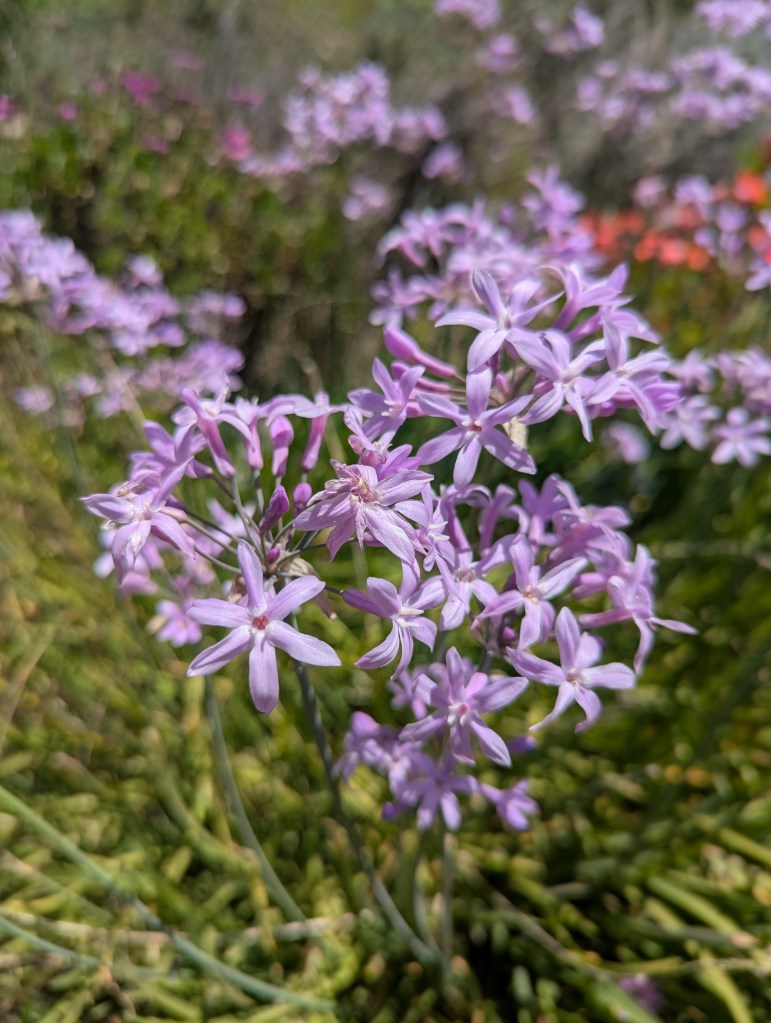
Also, several plants that are not herbs have exceptionally aromatic foliage. Both trailing and shrubby lantana are almost obnoxiously aromatic. Society garlic, breath of Heaven, rockrose and some salvias can be also. While aromatic foliage should be appealing, it is sometimes objectionable to some. Warmth and humidity typically enhance foliar aroma.
Some aromatic foliage only exudes its aroma when disturbed. Junipers can be aromatic during their pruning, but may not be otherwise. Incense cedar, camphor and the various eucalypti and conifers are very aromatic. However, their foliage is very often out of reach. Native bay trees are very big, but culinary Grecian bay is proportionate to home gardens.
Because of aromatic foliage, window boxes became popular in ancient European towns. They were convenient planter boxes for growing herbs where garden space was scarce. Also, they sustained aromatic foliage that repelled mosquitoes prior to window screens. Trailing rosemary, nasturtium and ivy geranium are still very traditional accompaniments.


Good post. I’ve been using peppermint oil spray around my pots this spring to repel the chipmunks and squirrels. This, along with the lava rocks that I’ve used for years, seem to be discouraging their digging. Your descriptions conjure pleasant sensory thoughts. Thank you.
LikeLiked by 1 person
You are welcome.
LikeLike