It has been quite a while since I shared pictures of the interesting bark around here.
1. Umbellularia californica, bay is known by several common names, such as California bay laurel, California bay, California laurel, Oregon myrtle, mountain laurel, spicebush, pepperwood, cinnamon bush, peppernut tree, headache tree and balm of Heaven. Wow!
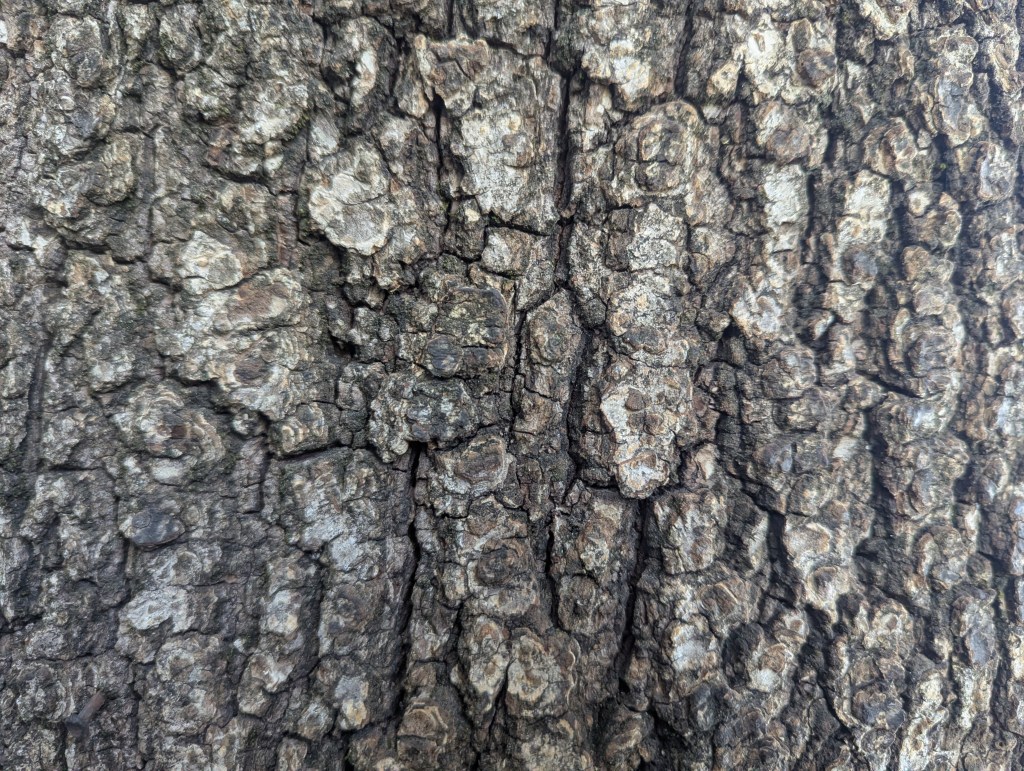
2. Platanus racemosa, California sycamore is technically not a riparian species, but does prefer to be near water. They can grow a bit too well in lawns, and then become too big.
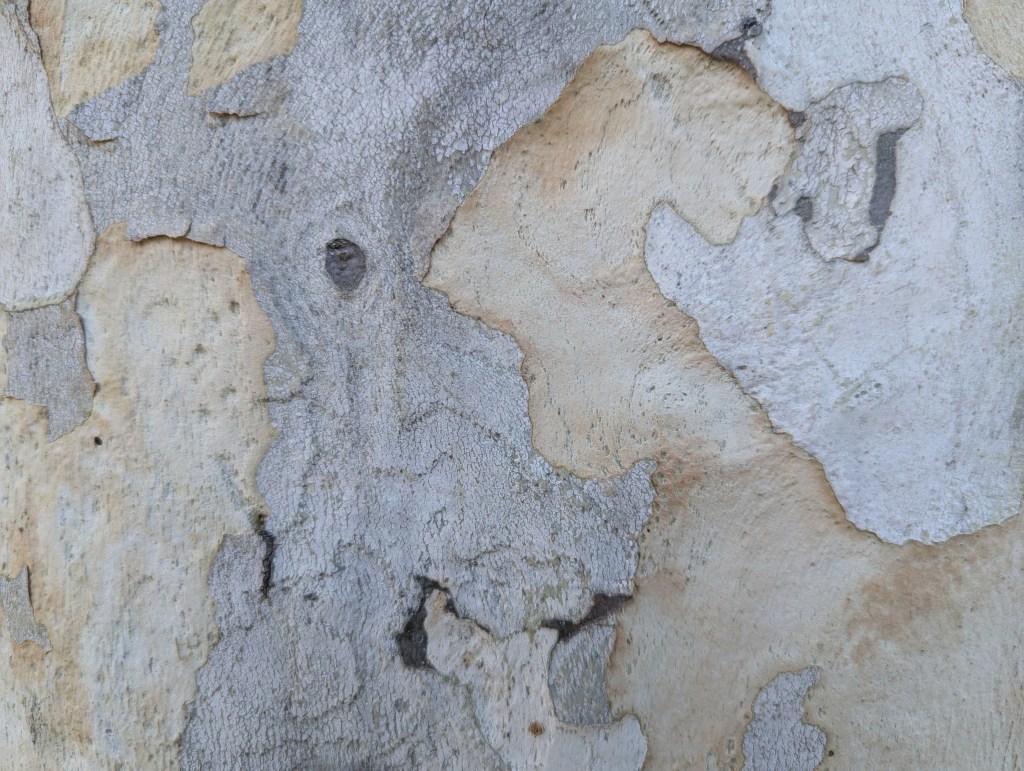
3. Arbutus mensiesii, madrone has both very smooth bark and finely checkered bark like this. The smooth bark is chestnut brown, and is about as smooth and shiny as chestnuts.
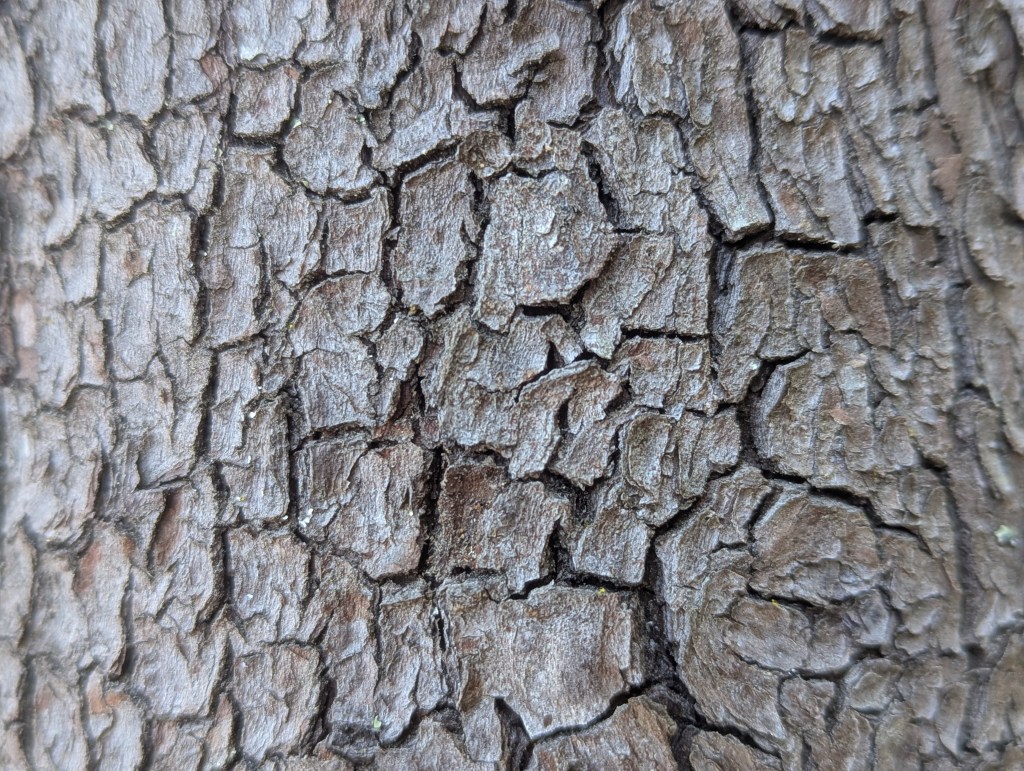
4. Quercus lobata, valley oak is still relatively young. Otherwise, its bark would be more deeply furrowed. It might be here for another six centuries, and grow impressively large.
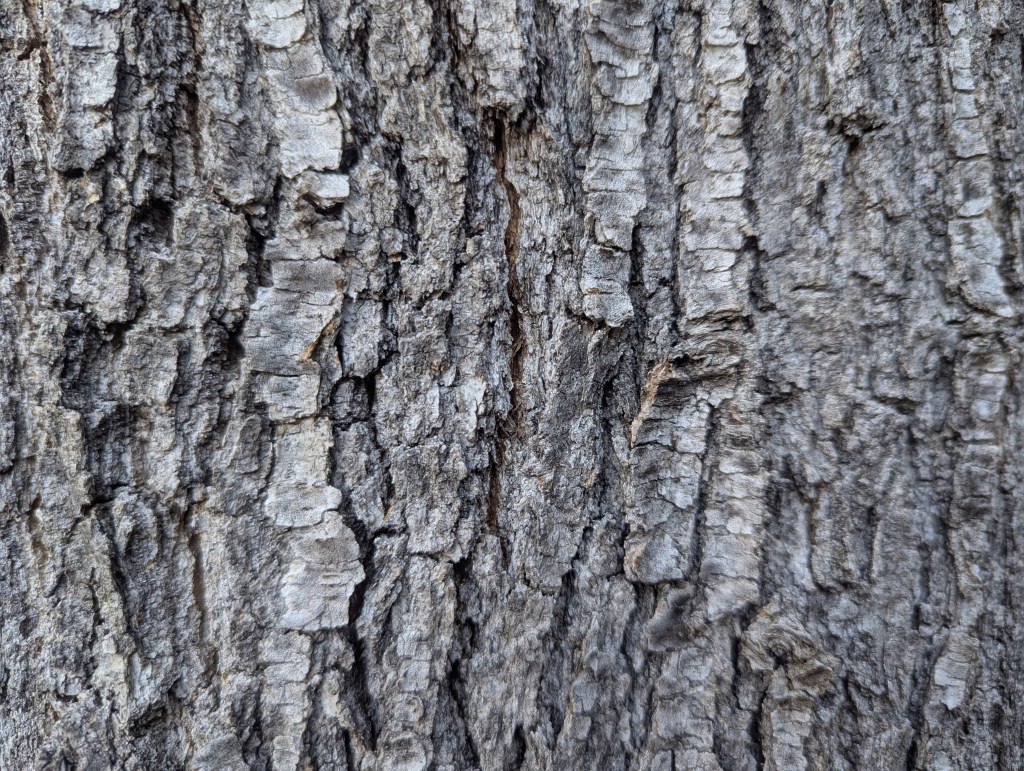
5. Quercus agrifolia, coast live oak has variable bark. It is mostly smooth and gray while young, but can get striated at an early age. It eventually roughens and darkens with age.
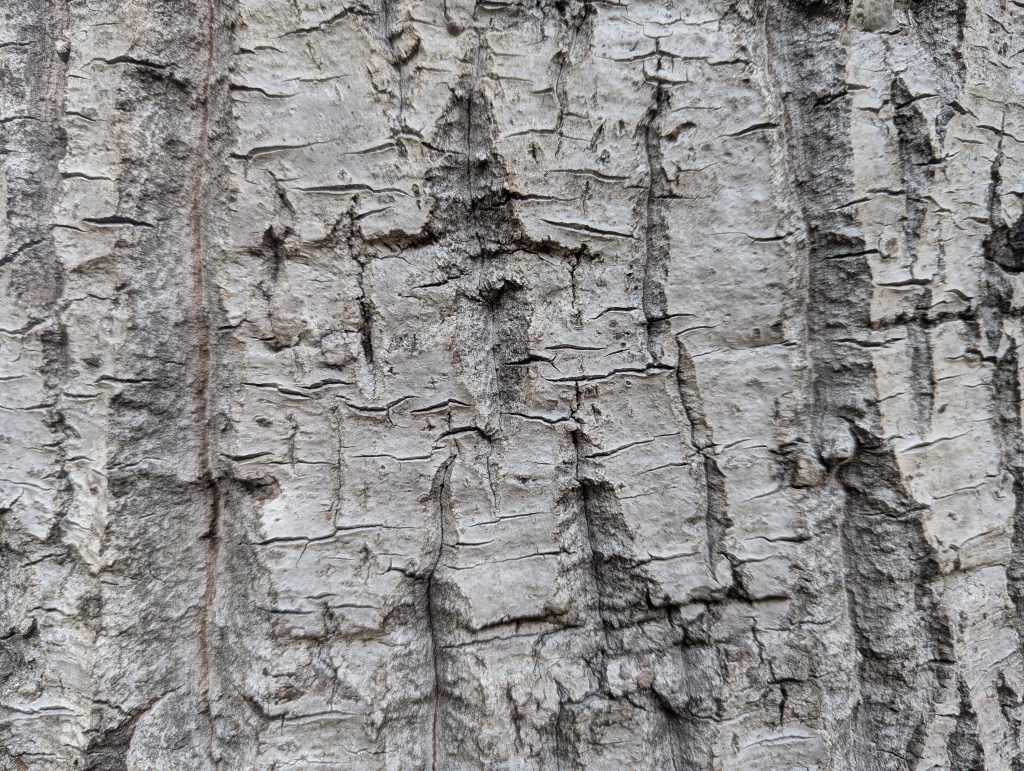
6. Lithocarpus densiflorus, tanoak is technically not an oak, but creates acorns anyway. The gray portions of its bark resemble that of coast live oak, but are not quite as smooth.
Anyone who would like to participate in this meme should peruse this participant guide for Six on Saturday.


It’s a great idea to have chosen six different types of bark, and my favorite is the California sycamore.
LikeLiked by 1 person
Yes, the California sycamore has the most distinctive bark, and is more mottled than that of common sycamore, Platanus X acerifolia.
LikeLiked by 1 person
That’s a fantastic selection of photos – I think you could set up an exhibtion in a fancy gallery and sell them!
LikeLiked by 1 person
No, I am a horticulturist, not an artist.
LikeLiked by 1 person
I just love these! But I must tell you that I expected #6 to be Rhody, the most exotic “bark” of all!
LikeLiked by 1 person
Ha! I knew someone would say something about that!
LikeLiked by 1 person
Oh, I love this! Thanks for the reminder: One of these days (maybe winter) I’ll do this with our Oaks and Shagbark Hickories and such. Bark is fascinating, although I confess I’m still learning when it comes to IDing from bark alone. Great post!
LikeLiked by 1 person
Shagbark hickories would be interesting. I know they are common some regions, but I have never seen one here.
LikeLike
This was an interesting and somewhat different six this week Tony. The pictures make me wantnto touch those textures!
LikeLiked by 1 person
I enjoy showing off the native trees here.
LikeLiked by 1 person