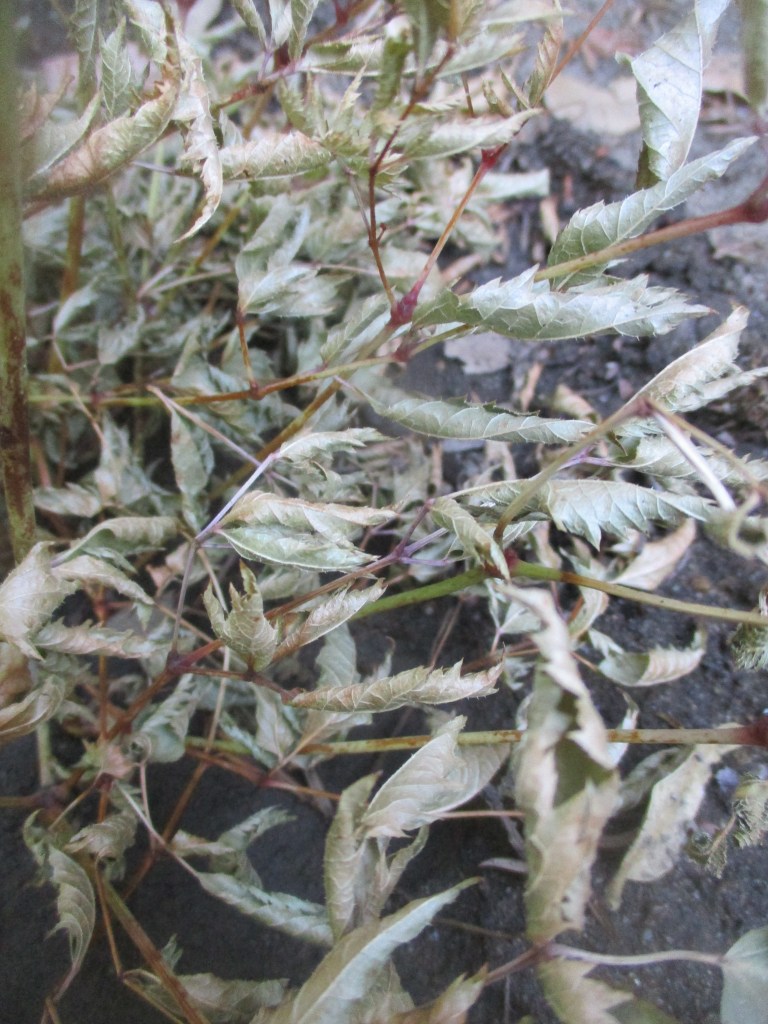
‘Mediterranean’ translates as an adjective that describes being at the middle of the Earth. Those who inhabited that region many centuries ago considered the Mediterranean Sea to be central to their World. That was long ago and far away. Nonetheless, climates here and now are somehow Mediterranean. Maybe semi arid climates of Italy are Californian.
Mediterranean climates are temperately warm with dry weather through summer. Rain is almost exclusive to a rainy season between autumn and spring. Although rain can briefly get abundant during the rainy season, the average annual rainfall is modest. Humidity is minimal for much of the time. Arid warmth is more comfortable than rarely humid warmth.
Desert climates accumulate less than ten inches of rain annually. Local climates receive more than fifteen inches of rain annually. They are therefore not sufficiently arid to qualify as desert climates. Technically, they are only semi arid chaparral climates. This climactic designation is perhaps more appropriate than the regional designation of Mediterranean.
Native plants and plants that are native to other chaparral climates are naturally pleased with the local climate. However, some initiate at least partial dormancy to survive through the long and arid summers. They may bloom early, but then partially defoliate for several months. Some delay dormancy if watered. A few dislike watering. It is unnatural for them.
Most plants in home gardens are not native to chaparral climates. They require watering to compensate for aridity during summer. Minimal humidity accelerates evaporation from foliar surfaces, which increases the demand for moisture. In conjunction with warmth and wind, aridity can desiccate foliage. Like people and pets, plants must maintain hydration.
Humid warmth that is less comfortable for people and pets is more comfortable for plants than arid warmth is. Humidity inhibits evaporation from foliar surfaces so plants consume less moisture. Incidentally, most pathogens, such as fungal diseases, bacterial diseases and most insects, also prefer warm humidity. People and pets seem to be in the minority.

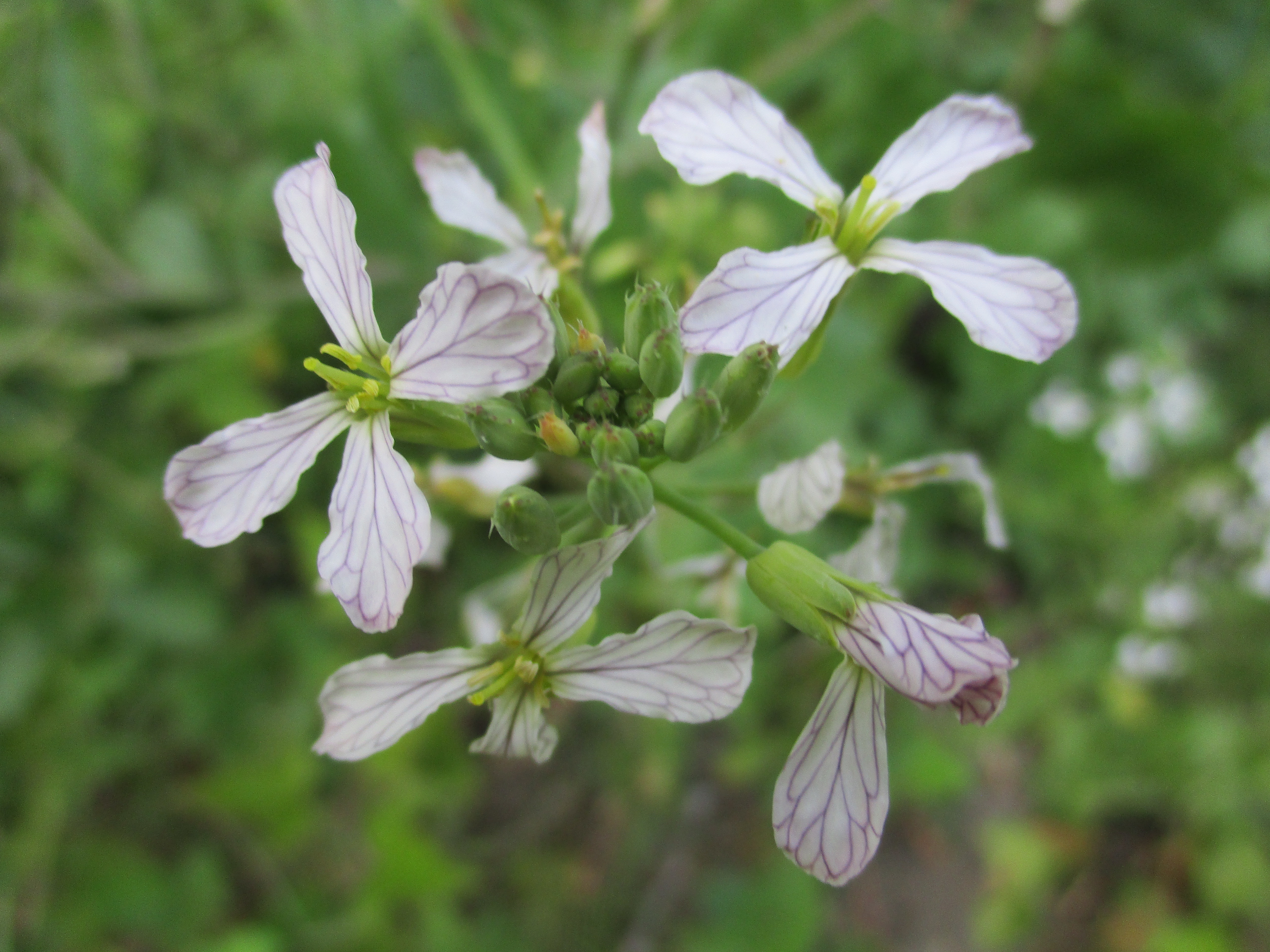 This is why I do not bother growing greens in the garden just yet. Wild radish grows here wild; and there is way too much of it. Most but not all of it gets mown in meadows or cut down with weed whackers on the edges of roadways. There is no need to cut down that which is out of the way. Besides, we could not cut it all even if we wanted to. There is wild turnip and mustard too. All are prolifically naturalized and invasive exotic species.
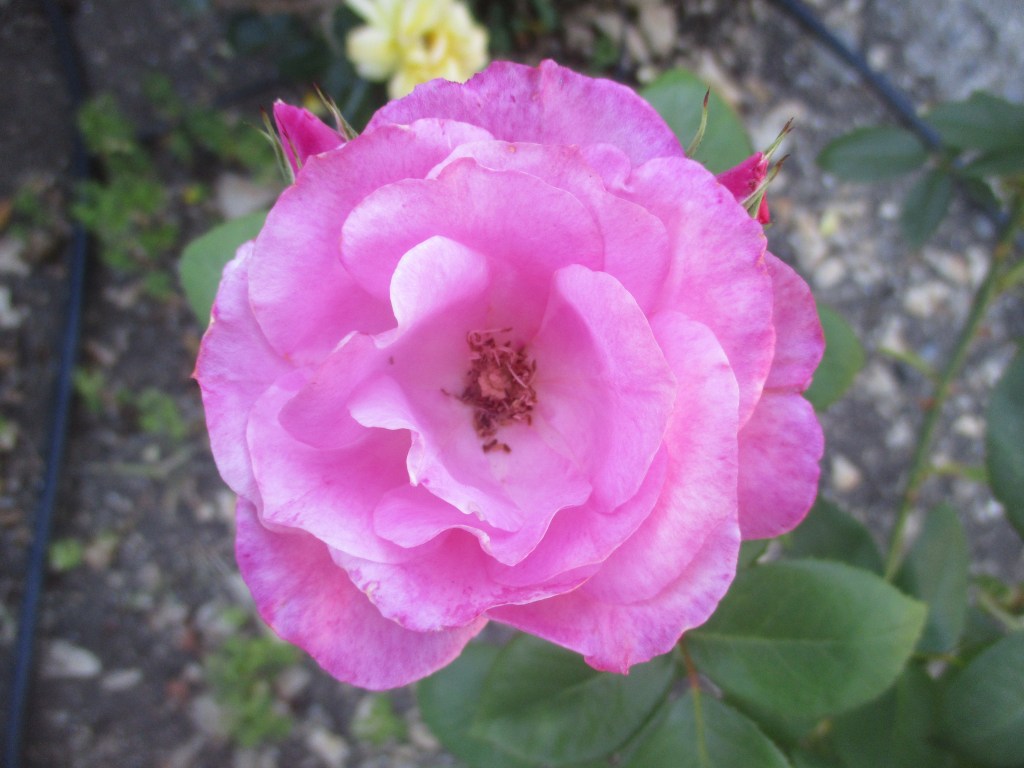
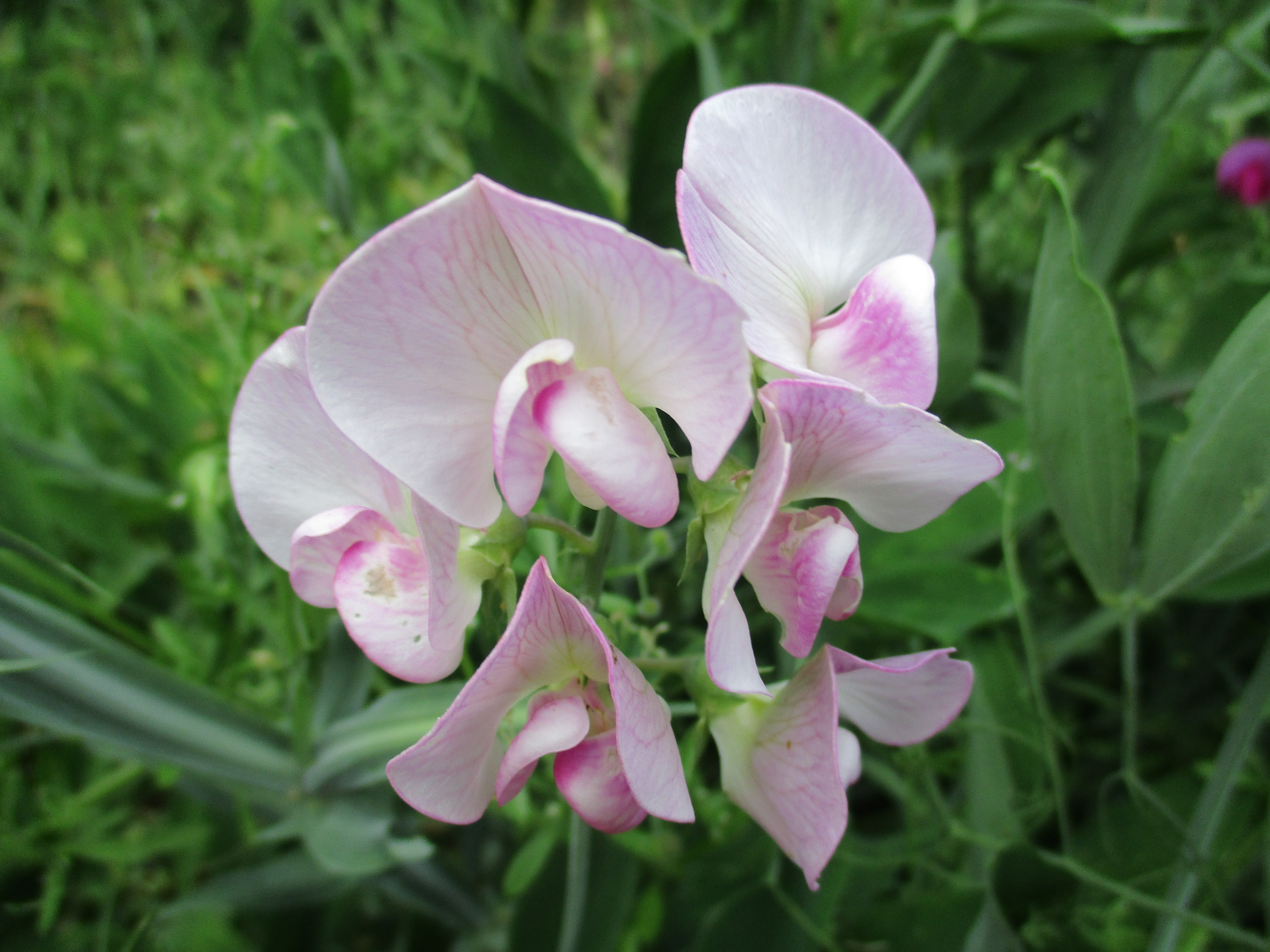 Generally, that is how they are. Almost all perennial pea flowers bloom with the same bright purplish pink color of the bloom in the picture below. That is, of course, before their pods develop, but you get the point. We sort of know what to expect from them.
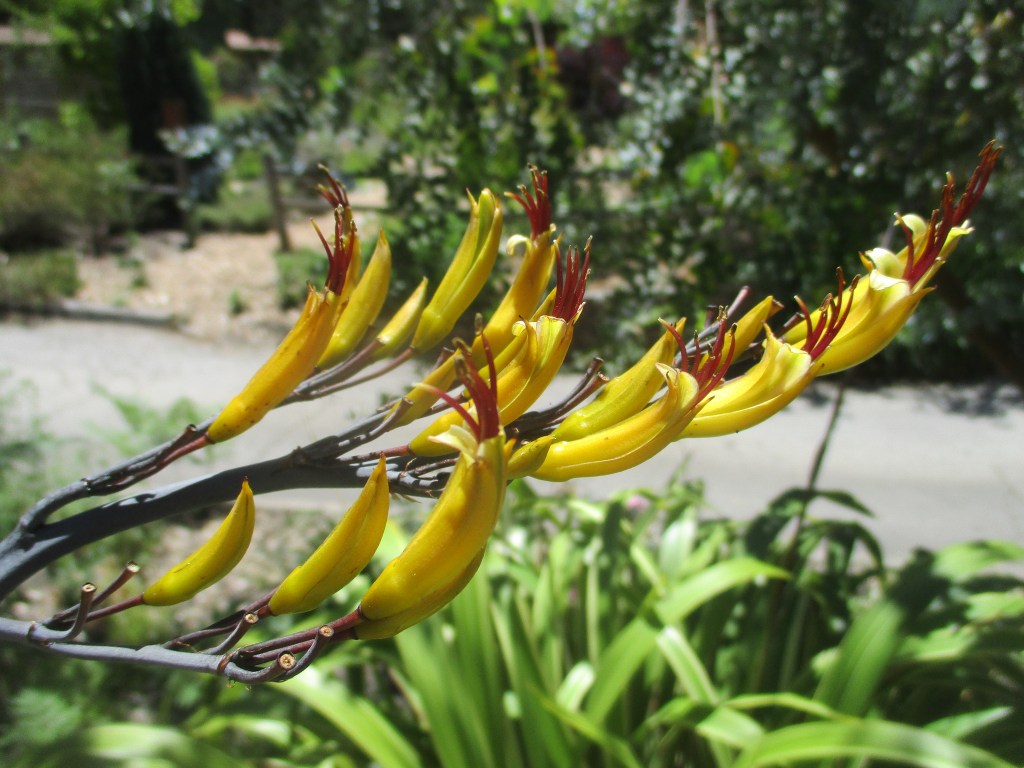


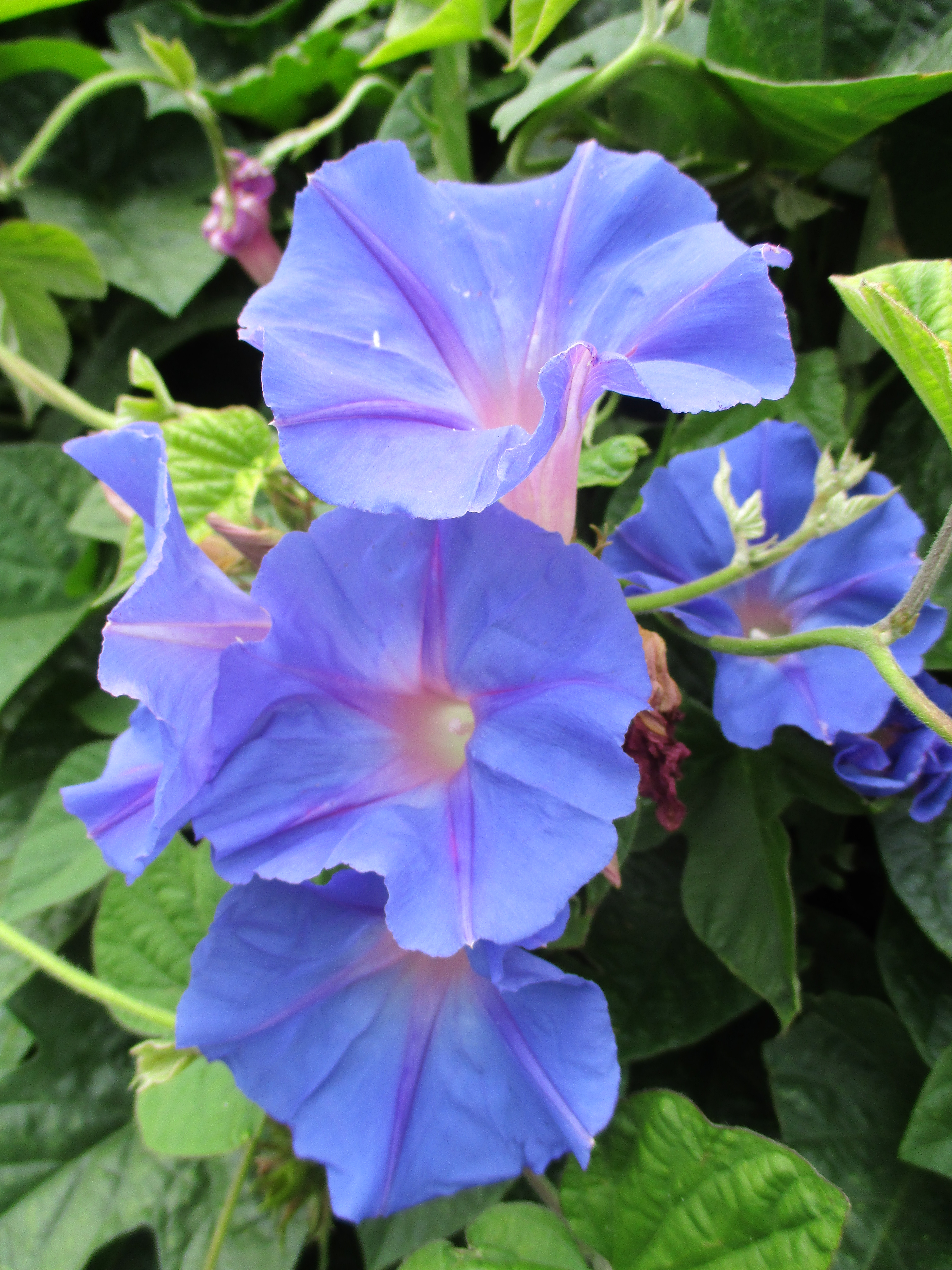 Even within its native range, blue dawn flower, Ipomoea indica, can be a problem. There are not many other plants in some coastal regions of Peru that can avoid getting overwhelmed by the aggressive wiry vines. These vines grow roots where they touch soil, so can spread indefinitely over the ground. Vines that succumb to frost over winter regenerate as if nothing ever happened.
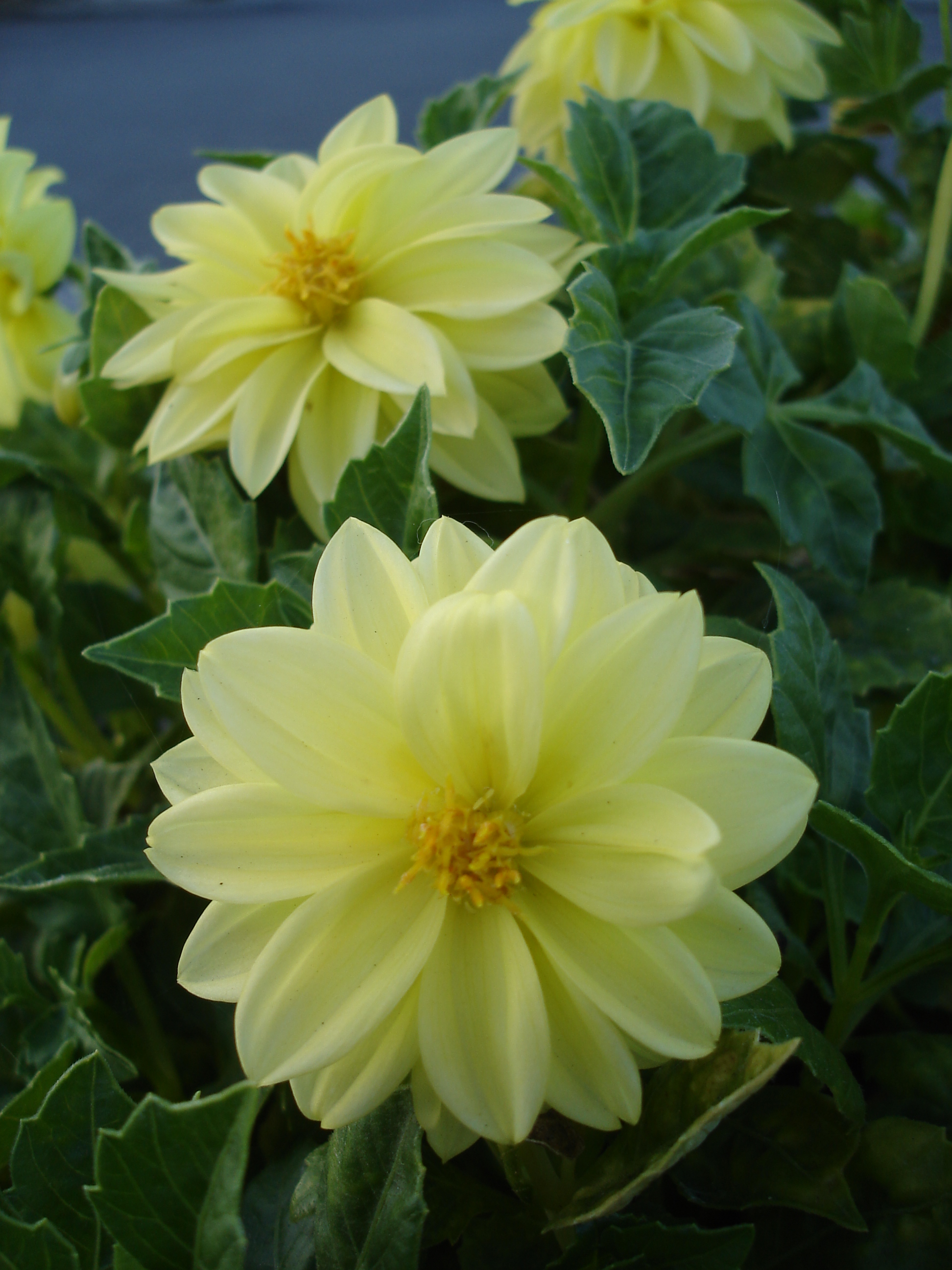 Annuals come and annuals go. There are cool season annuals for winter. There are warm season annuals for summer. Really though, there are all sorts of annuals that are not annuals at all. Most are some sort of perennial that has the potential to last longer than a single season. Only a few popular ‘annuals’ would necessarily die after blooming and producing seed, within a single year.
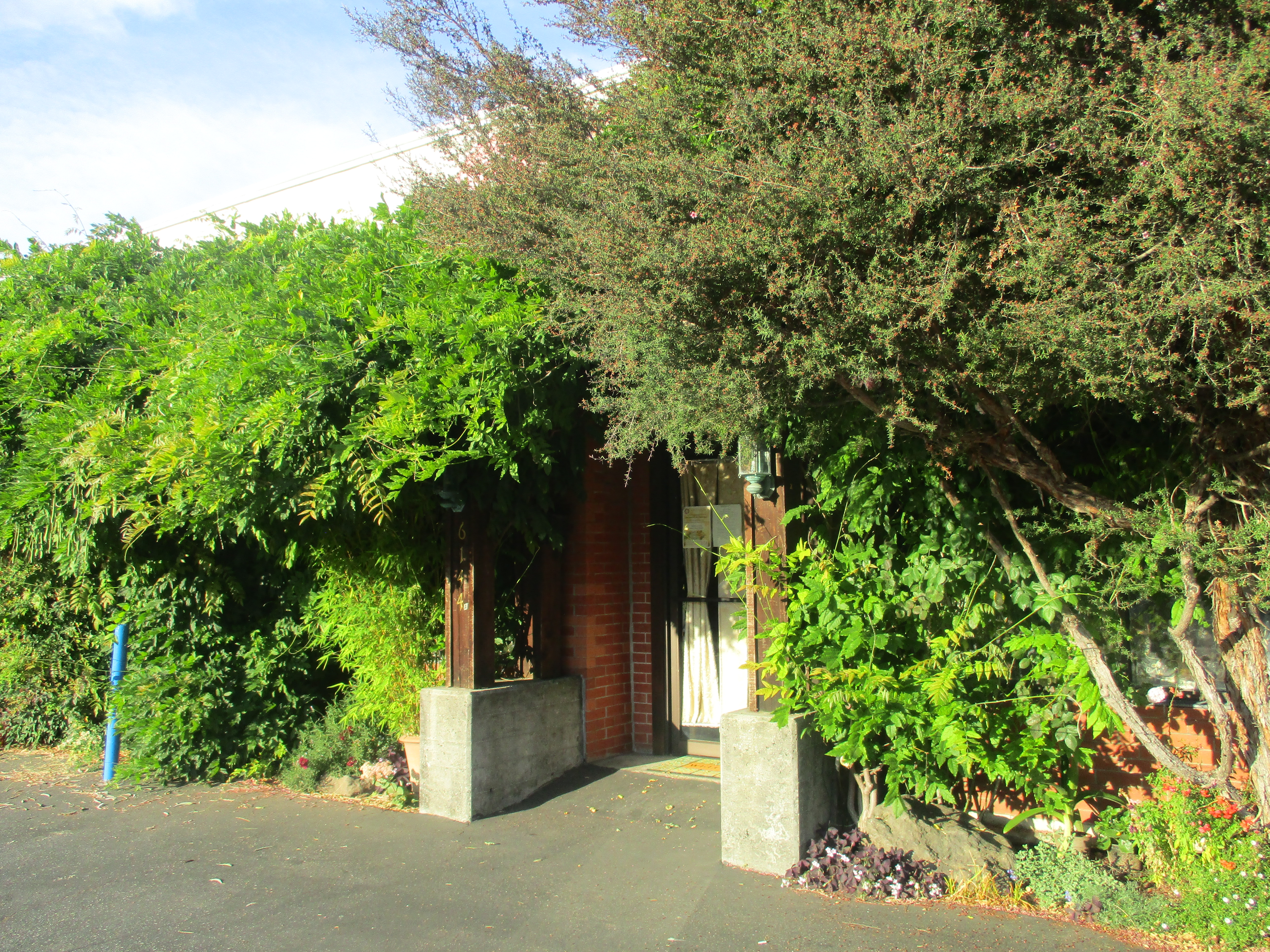 A well designed landscape should be an asset, not a liability. It should beautify and enhance the function of outdoor space, while harmonizing with associated indoor spaces. In order to continually do so, even a very well designed landscape requires maintenance so that it does not become so overgrown that it becomes unsightly and obstructive.

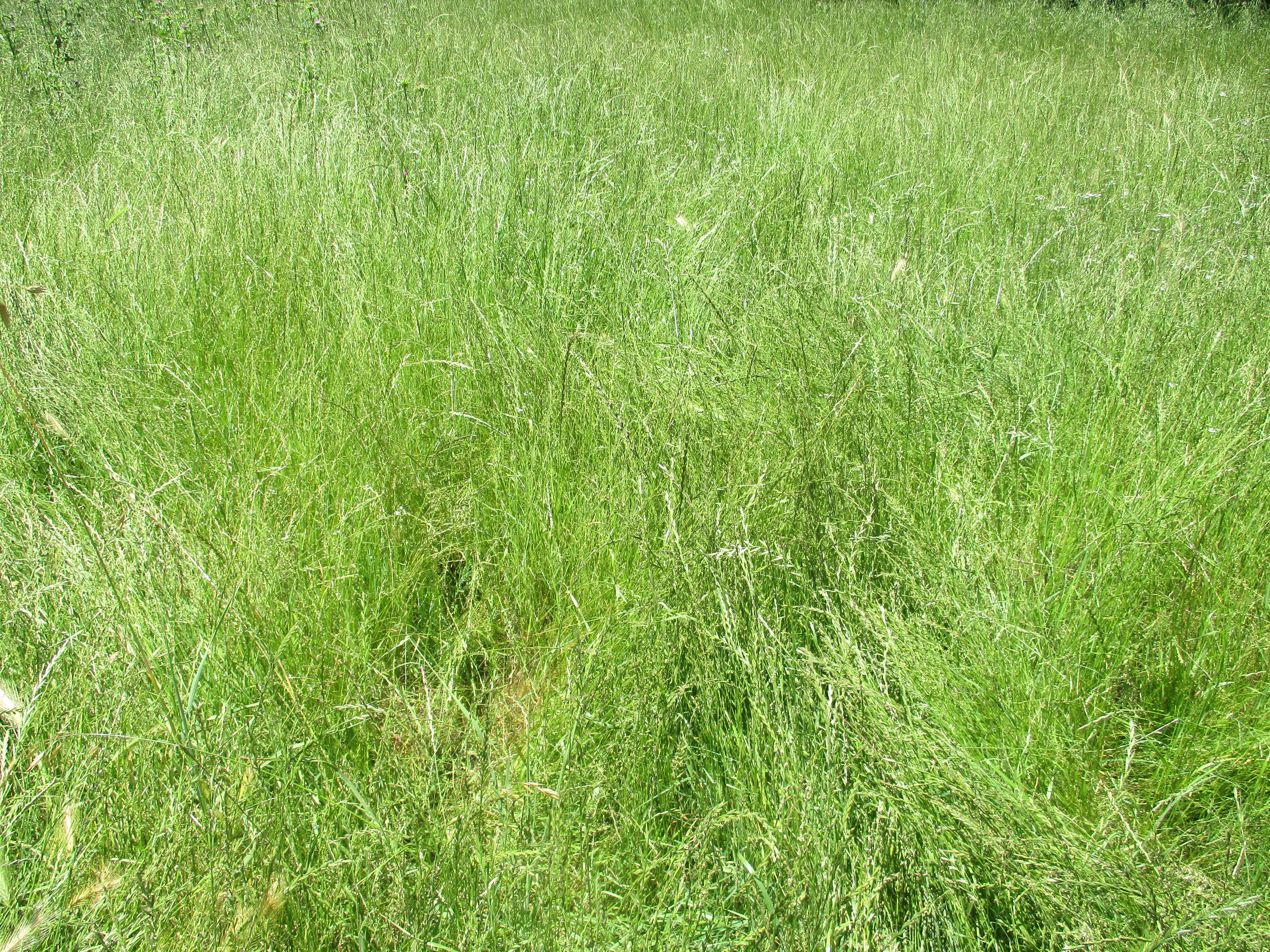 These are perfect conditions for crop circles. Even without any convenient grain crops, there is plenty of tall grass in unmanaged and ungrazed fields. All this grass needs is to be crafted into crop circles.

