So many plants that were difficult to obtain years ago are now much more available online. The internet does more than give everyone access to nurseries and seed suppliers that sell online. It also makes it possible to communicate with others who might want to share plants and seeds from their own gardens. The advantages are obvious, but there are innate problems with so many plants being too available.
Before humans started to relocate plants all over the world, plants were much more confined to certain regions. Once relocated to new regions, some plants naturalized and became problematic for the plants that were already there. Exotic (non-native) plants often had the advantage because pests that troubled them back home had not come with them.
For example, pampas grass had been confined to the Pampas region of South America. It was imported to California and Oregon because its fluffy flowers and graceful texture are so appealing. The problem now is that it naturalized, and continues to proliferate and crowd out native plants in coastal ecosystems, without natural pathogens to slow it down. The availability of so many more plants from so many more regions seriously increases the potential for the importation of invasive exotic plants, as well as plant diseases and even insects!
Another potential problem is that common names of plants can be very different in different regions. Now, this can be an advantage when seeds from a common yucca in Lubbock, Texas might actually be from the very uncommon plains yucca (Yucca campestris, which I recently purchases on Ebay!). The problem is that the yucca known as ‘Adam’s needle’ in Georgia may be a completely different species from what is known as such in Pennsylvania, Oklahoma or anywhere else. A plant described as a ‘mimosa’ could be a silk tree, a jacaranda tree, or any of several different acacia trees!

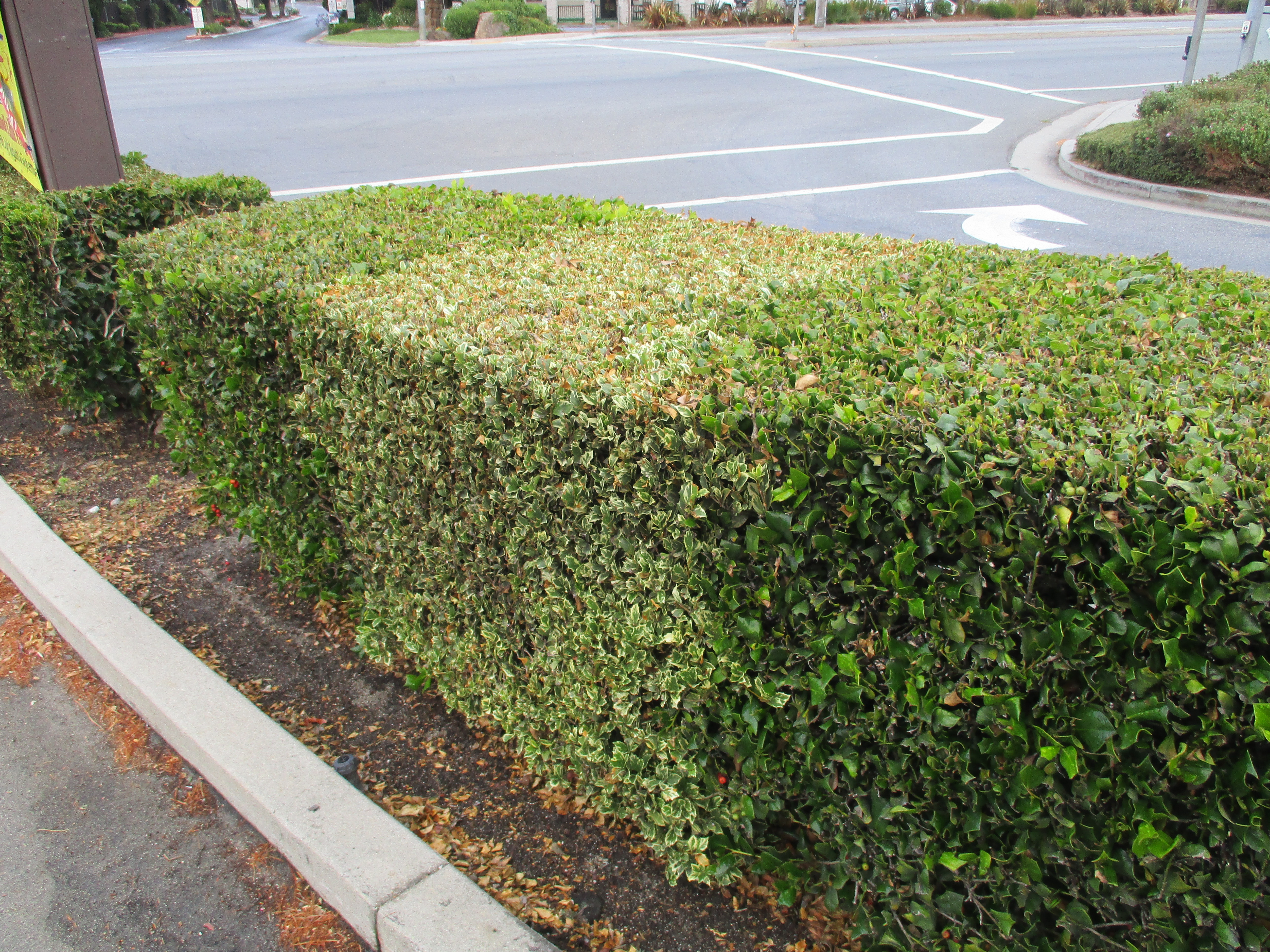 Baldness was not yet cool while Brent and I were studying horticulture at Cal Poly in San Luis Obispo back in the late 1980s. Nor were hairpieces yet tacky. Consequently, some middle aged men work toupees. As these men aged and grayed, their formerly well matched topees did not.

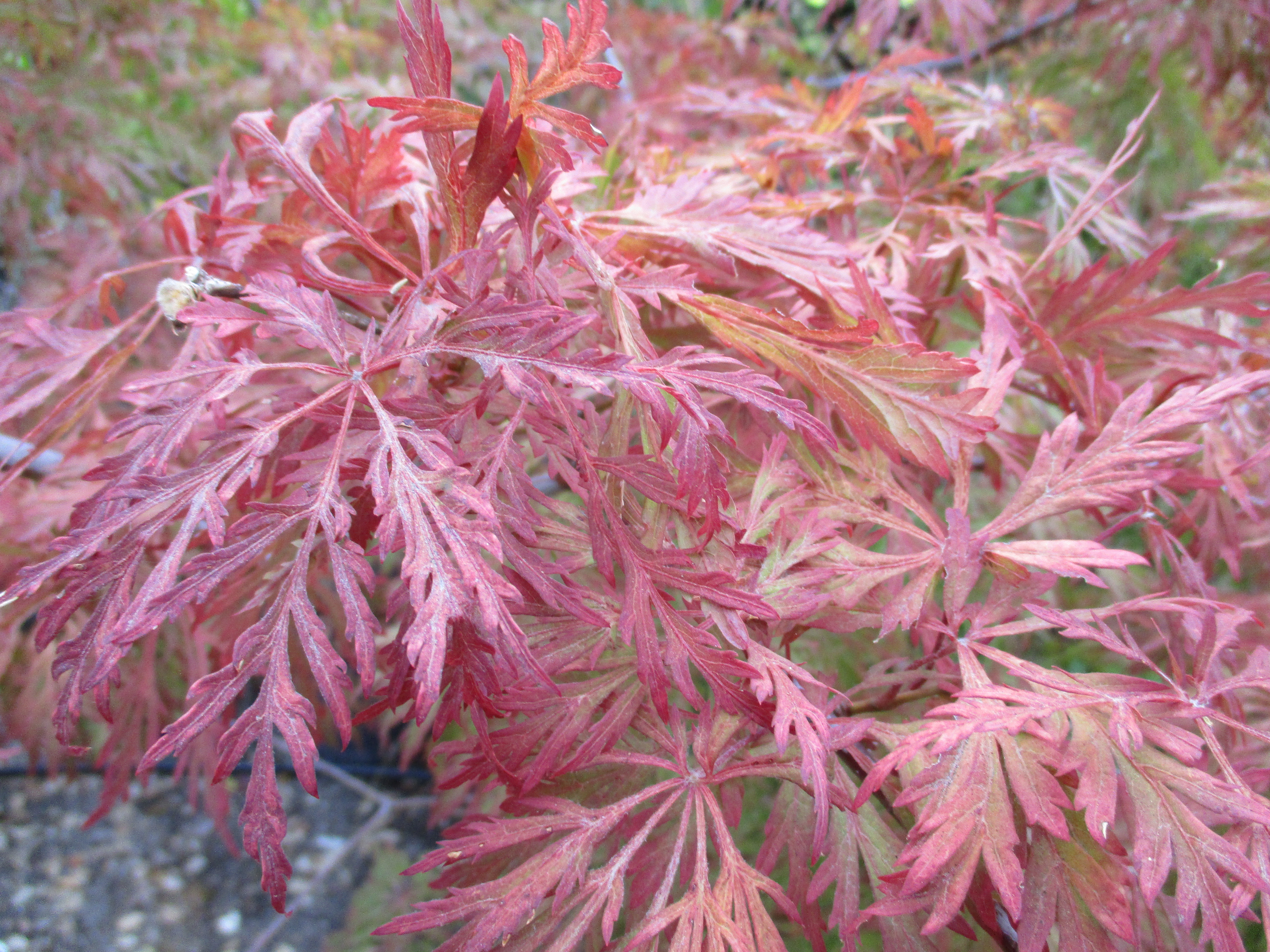 Halloween is my all time least favorite of the fake holidays. I will not elaborate on this now, but will say that the appearance of Halloween decorations as soon as the Fourth of July decorations were outdated on the fifth makes me dislike Halloween even more. Halloween is an autumn pseudoholiday. It is not meant for summer!
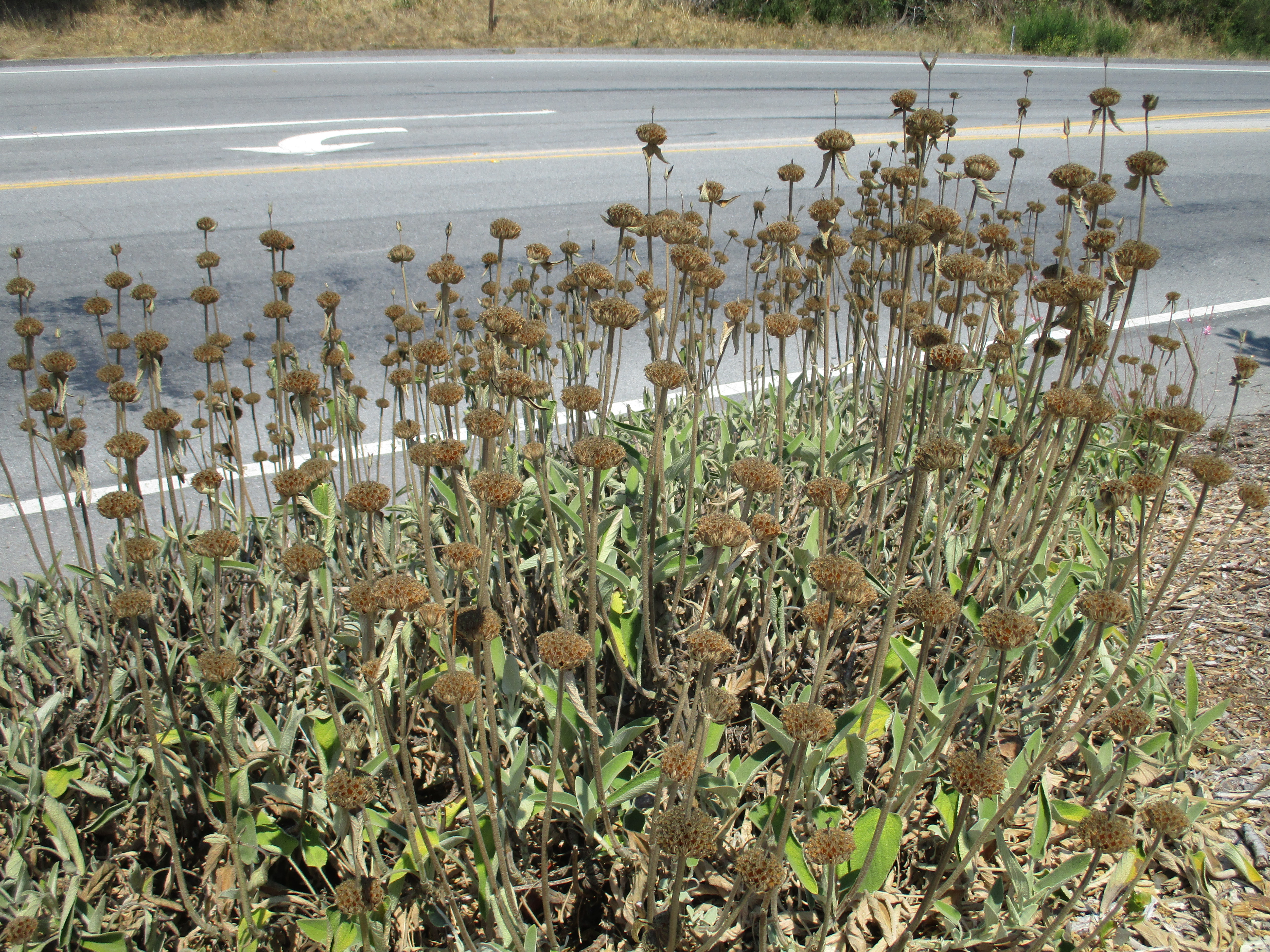 This salvia would probably look badder without it. Yes, that’s badder and not better. I mean, if all these slightly unsightly seeded stems were cut back, then the even more unsightly deteriorating foliage below would be more prominent. When one looks at it that way, the bad seed suspended above does not seem all that bad.