
African iris, Dietes bicolor, that I mentioned three weeks ago were finally installed into a new landscape. It may not be permanent. They may need to be relocated again if they happened to land where two of four birch will be installed as the landscape is slowly assembled before winter ends. The installation was done hastily before the last storm delivered a good dose of rain.
It could not be delayed any longer. These African iris had been divided and groomed so long before they were featured on the fourteenth of December that they were likely to succumb to rot or desiccation if installation was delayed any longer. They soaked in buckets of water for days at a time, and were then left to drain for days at a time so that they would not soak for too long.
I do not remember how many times I repeated the process. I knew it was getting risky. Surprisingly, by the time they were installed, only a few of the worst of the rhizomes were beginning to exhibit negligible indications of rot. Now that they are in moist but fluffy and well aerated soil, they can recover and begin to disperse new roots, even if they must be relocated again later.
If relocated again later, the process will be fast and direct. They will get dug and plugged within minutes. Compared to alternated soaking and draining for more than a month, it will be easy.
The formerly feral birch that will eventually be added to this landscape are also being reassigned. Of nine that were removed from another landscape in the neighborhood, five were already plugged directly into a landscape across the road. The other four were canned temporarily until we determine where they will fit into this new landscape. They will arrive before winter ends.
Lauristinus that formerly inhabited this area were already being reassigned as hedges in other landscapes before we planned to reassign extra African iris and feral birch to this landscape. A few got canned to replace any that do not survive the process. So far though, all have not only survived where they were reassigned, but were growing happily before the weather got cool.




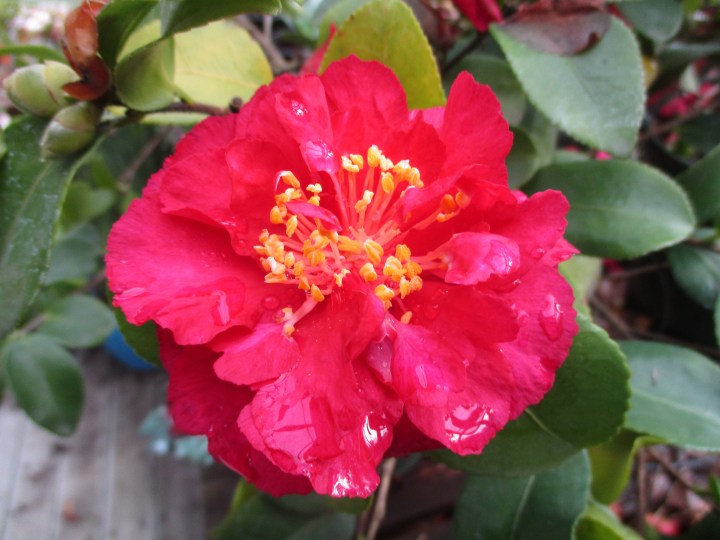 January 1, 2020! The first day of the Twenties!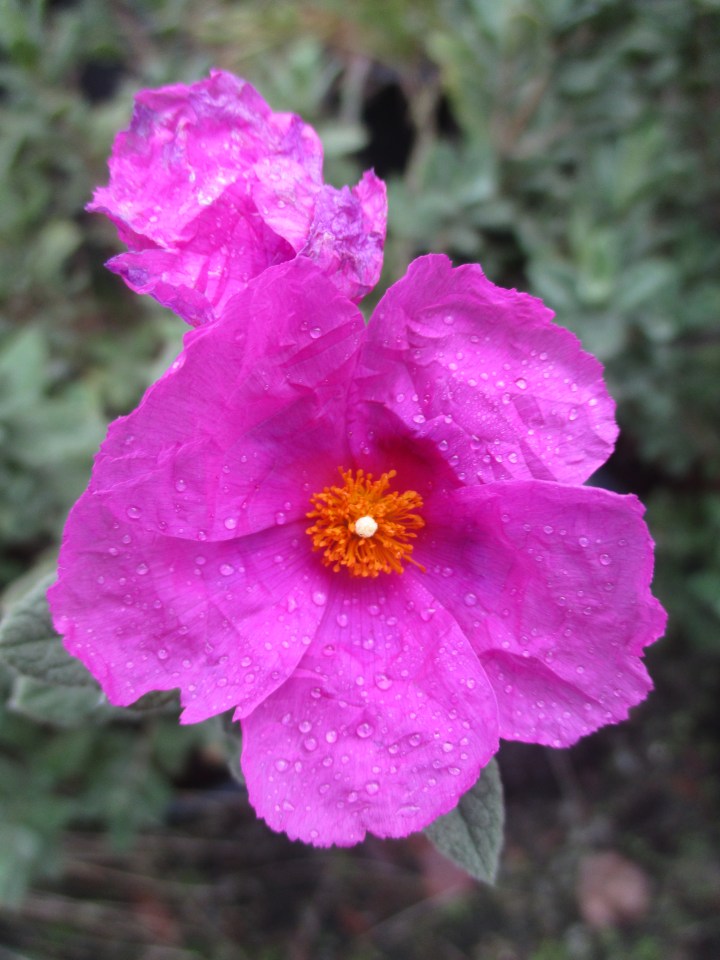
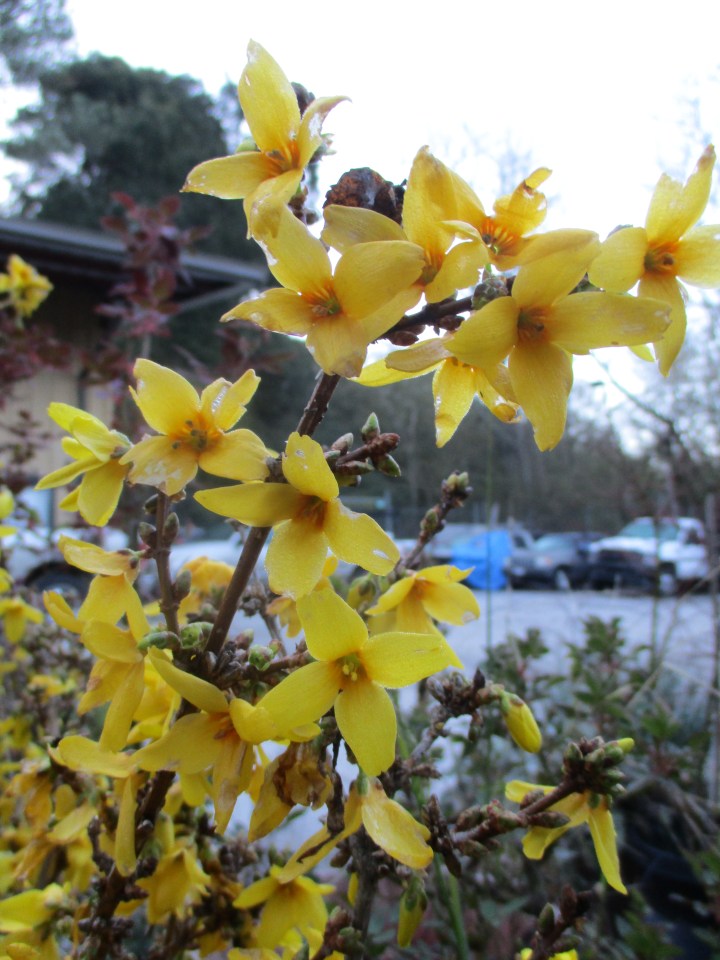 This may seem to be three months early, or an entire season out of season; but this is when bare root forsythia, Forsythia X intermedia, gets planted. Even so, the smaller of new bare root plants will bloom with only a few flowers early in their first spring, so will not produce their famously profuse and garishly bright yellow bloom for another year and three months. They will be worth the wait.
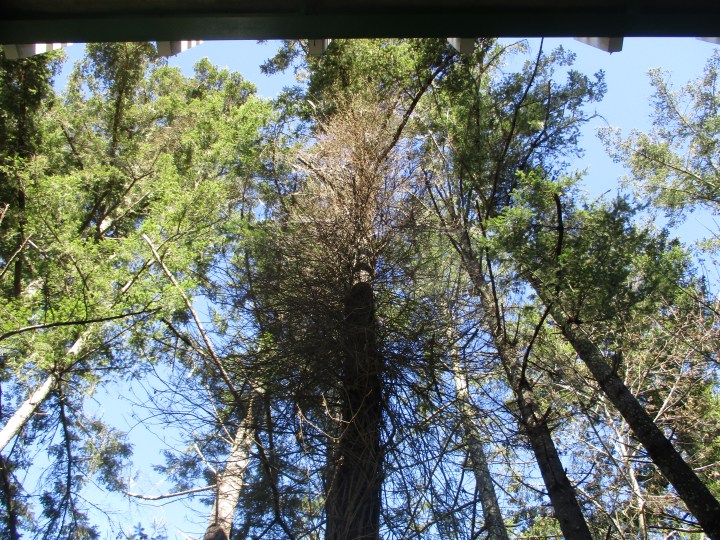 From below, this looks like a shrubby deciduous tree. It is really just a Douglas fir, like those around it. All the defoliated thicket growth is overgrown
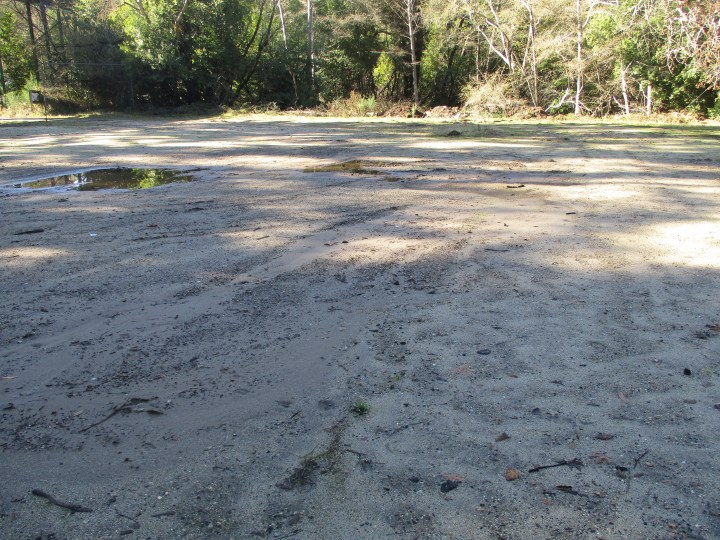 This . . . was a ball field. It might eventually be one again. The old backstop at the upper left corner of the picture is almost completely obscured under a thicket of blackberry brambles and a fallen boxelder. It would need to be replaced. So would the decommissioned irrigation system, all the bases, the basepath, the turf . . . and everything else that goes into a functional ball field.
