 As the name implies, ‘annuals’ need to be replaced ‘annually’. What is worse is that they do not even function for an entire year, but only for a specific season. Cool season annuals mostly work from autumn to spring. Warm season annuals mostly work from spring to autumn. Calendula is a popular cool season annual that may not last even that long, since it can mildew half way through winter.
Now that it is time for cool season annuals, it can be unpleasant to remove warm season annuals that are still performing well. In mixed plantings, new annuals can be phased in through autumn as older annuals deteriorate. Busy Lizzie (impatiens), wax begonia and other warm season annuals that are actually perennials can get cut back and overplanted with cool season annuals. The cool season annuals that temporarily overwhelm them can provide shelter from frost. As the cool season annuals finish next spring, the warm season ‘annuals’ can regenerate
However, not all cool season annuals need to finish next spring. Sweet William, cyclamen, chrysanthemum and the various primroses are popular cool season annals that are actually perennials. When the time comes, they can be overplanted with warm season annuals, so that they can regenerate the following autumn. In cool spots, sweet William and some primroses can actually perform all year. (Some people are allergic to primroses like poison oak.)
Alyssum and nasturtium really are annuals, but can function both as warm season and cool season annuals. They sow their own seeds so that new plants can reliably replace old plants without being noticed. The old plants only need to be pulled as they deteriorate. Alyssum is white, or pastel hues of pink or purple. Nasturtium is just the opposite, with bright hues of yellow, orange and red, with only a few pastel options.
Pansies and smaller violas are the two most popular of cool season annuals, since they function like petunias for cool weather. They lack few colors. Most have two or three colors. Ornamental cabbage and kale produce big and bold rosettes of pink, white or pink and white foliage. Kale has weirdly distinctive foliar texture. White, lavender, pink, purple and rose stock is the most fragrant of cool season annuals, and taller varieties are great for cutting. Iceland poppy has delicately nodding flowers on wiry stems. They can be pastel hues of white, pink, yellow, orange or soft red.
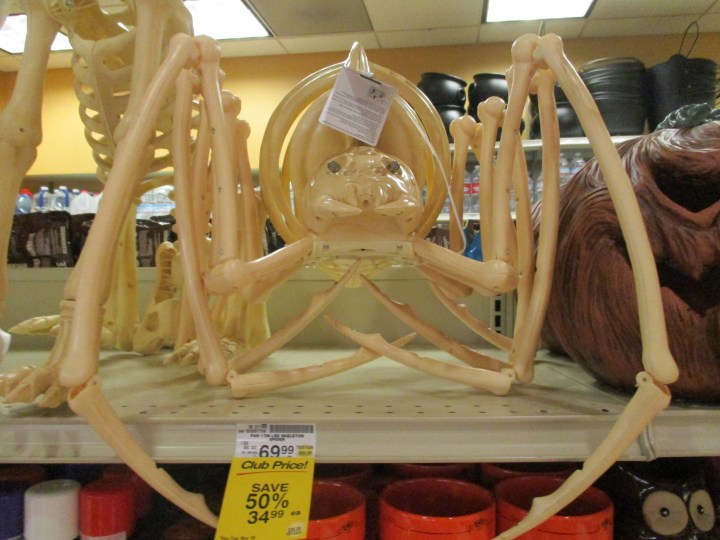 Halloween is a topic that I could rant about for days. Seriously. I loathe it. I dislike any formerly respectable holiday that has been ruined by excessive commercialization. We all know what happened to Christmas. For me, Halloween, in some regards, is even worse. Christmas is at least pretty. Halloween is intended to be morbid and grotesque and creepy and . . . just plain bad.

 This is not an easily defined flower. There are hundreds of species within the genus of Viola. Many are known as pansies. Many are known as violas or Johnny-jump-ups. Many are in between. The main difference between these two major groups is that, although very closely related, pansies bloom with bigger flowers, and violas bloom with smaller, simpler and more abundant flowers.
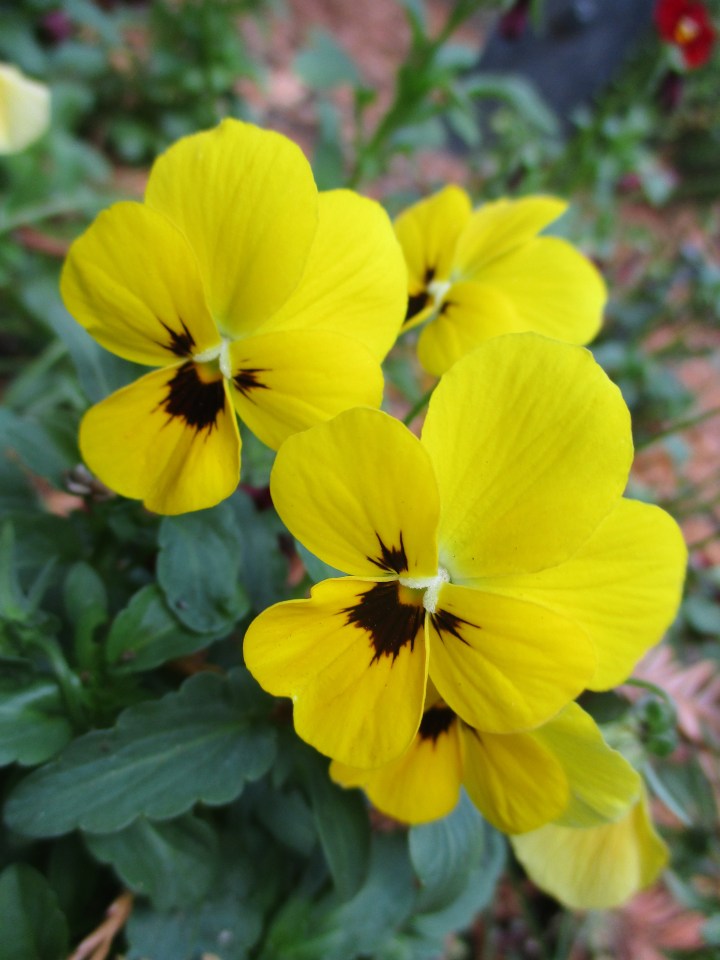 All that unpleasant annual business of removing warm season vegetable plants to relinquish space for cool season vegetables applies to annual bedding plants too. Those of us who do not grow vegetables were spared the agony of pulling up tomato plants that might have still been producing a few tomatoes, just to make room for broccoli. Now, it is time to replace petunias with pansies.
 Jocular reference was made to ‘The Grapes Of Wrath’ on our our backward version on the way to
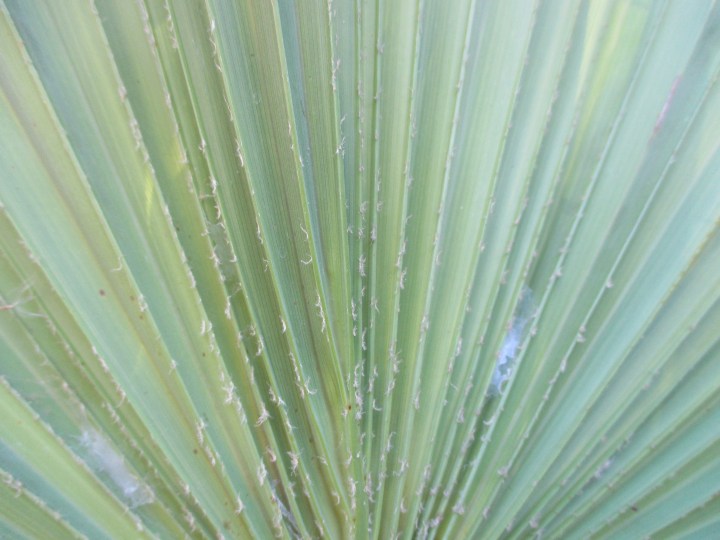
 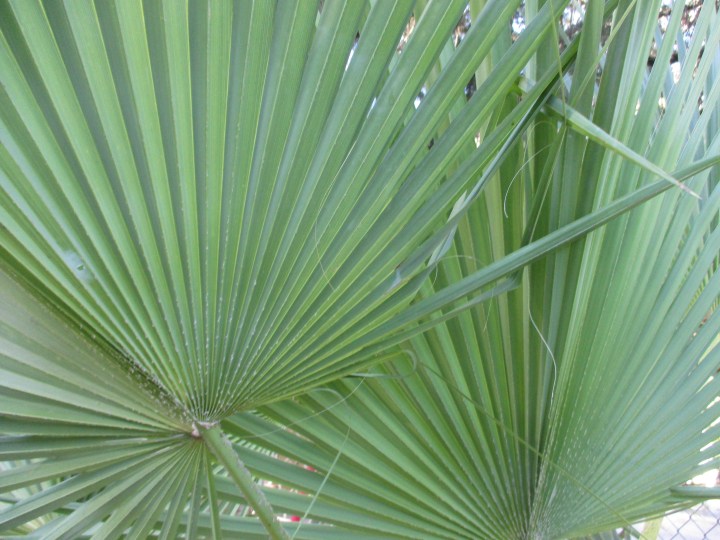 Palms are like ‘Red Delicious’ apples. It seems that most people dislike them; but they also seem to be very popular. Seriously, if only a few people like ‘Red Delicious’ apples, why are they so common in supermarkets? If most of us dislike palms, why are they so common in the San Jose Skyline?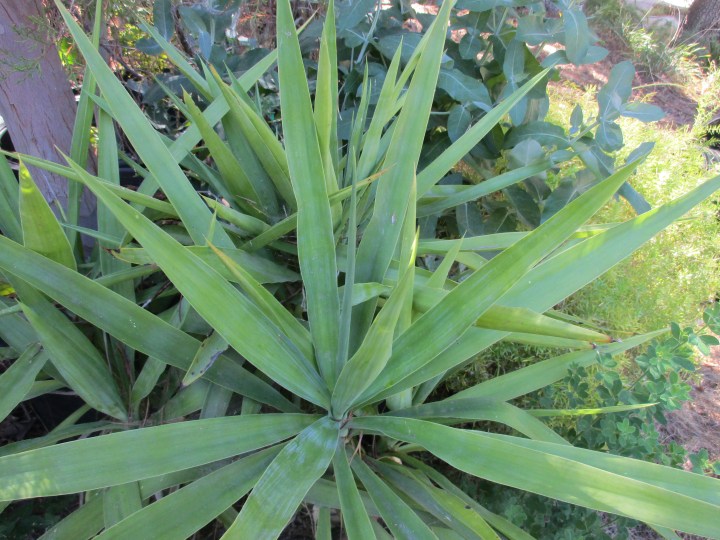


 Actually, it is a fruit; a rather BIG fruit. It happens to be one of the more familiar of winter squash, but is not too commonly eaten. Although it makes excellent pie, and provides edible seeds and flowers, pumpkin is more popularly known as jack-o’-lanterns or Cinderella’s ride to the ball. Pumpkin is not for every garden, since each big and coarsely foliated annual vine needs regular watering, rich soil and considerable space to grow all through summer to produce only one or two big fruit in autumn.
 Zucchini is probably the most reliable of warm season vegetable through summer, even when tomatoes are having a bad year. A single zucchini plant produces enough for a household. Two plants produce enough to share with neighbors. Pattypan, crookneck and other varieties of summer squash may not be quite as reliably productive individually, but can be assembled as a delightfully variable team that produces early in summer, and is just now finishing.
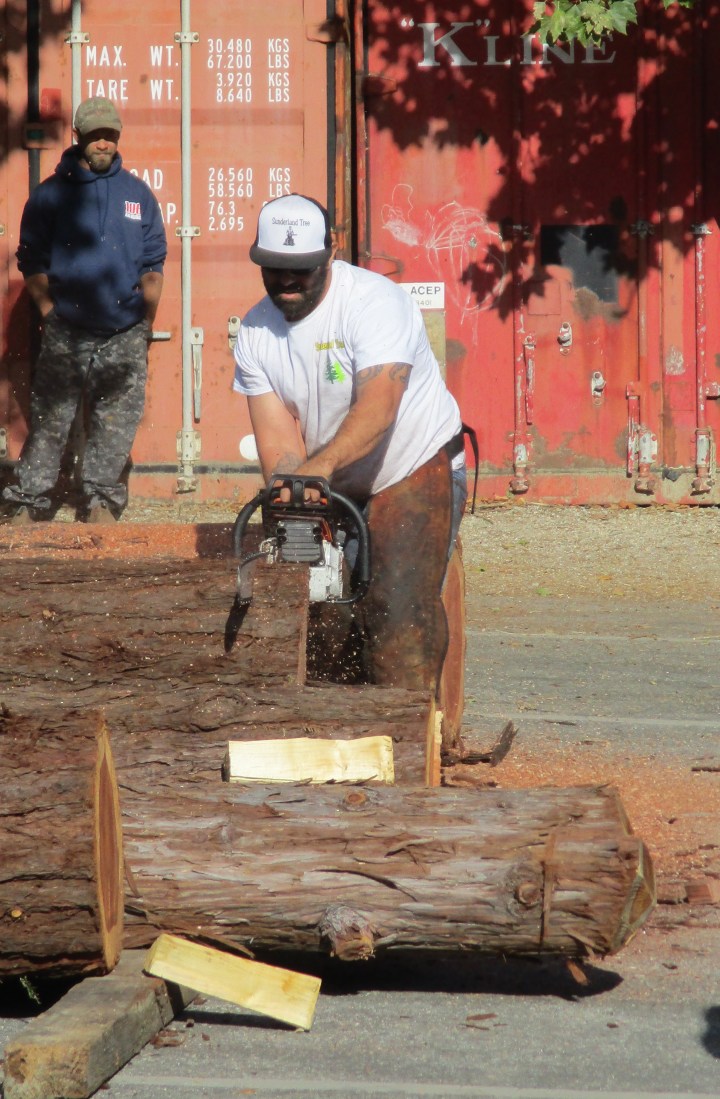 Personal Protective Equipment. That is what PPE is for. Acronyms can be so vague. PPE could be for Purple People Eater for all we know. That movie just happened to be released to cinema at the end of 1988, just a few months after my summer internship with an exemplary crew of arborists who instructed be about the importance of PPE. I am glad to have missed the movie.
