With all the rain, it was no surprise. Mudslides are somewhat common here, and they sometimes close roads. In fact, we were sort of expecting a small mudslide almost in this particular spot right when we got the call about it. The only slight surprise was that it was right next to where we expected it to be. The cliff that we expected to make this sort of mess was still intact under the tarps put over it to deflect some of the rain.
Fortunately, it was a small mudslide that blocked only one lane. We were able to direct traffic through the other lane while the blocked lane was cleared of debris by a small bulldozer.
The top of the cliff slid to the bottom along with a stump of a Douglas fir that was cut down many years ago. The Douglas fir was cut down so that it would not destabilize the soil that it was rooted into as it moved in the wind. However, The soil was destabilized as the Douglas fir roots that held it together decayed. This is actually a common dilemma, since trees sometimes need to be cut down before they cause such problems, but the death and decay of the roots of such trees ultimately cause the same problems.
The sorts of trees that could be coppiced do not do so well in the dry soil on top of cliffs. Otherwise, we could plants willows, cottonwoods or something of the sort, and cut them down as they get too big, without killing the roots. They would be happy to regenerate and continue the process. The sorts of plants that prevent surface erosion do not do much to stabilize the soil. Otherwise, we could put something as simple as freeway iceplant (Carpobrotus chilensis) on top, and let it cascade downward over the unstable area.
1. It was nothing too serious, but just enough to block the inbound lane. Tarps over the cliff that we expected to make this sort of mess are visible above the retaining wall just beyond. My work pickup in the lower right corner of the picture blocked the inbound lane with its headlights and hazard flashers on. I directed incoming traffic around it into the clear outbound lane as it was available. The young man off in the distance moved his pickup out of the outbound lane, and also directed traffic accordingly. When necessary, he stopped traffic while incoming traffic used the outbound lane. We communicated by radio and hand signals.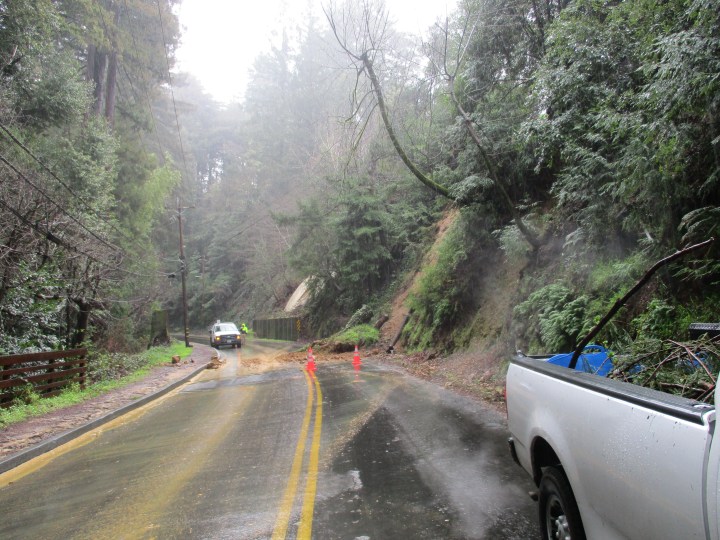
2. This is the stump of the Douglas fir that was cut down so that it would not dislodge the soil and cause a mudslide. A decayed stump of a smaller madrone tree is to the right. Their rotting roots and the English ivy were insufficient to stabilize the top of the cliff.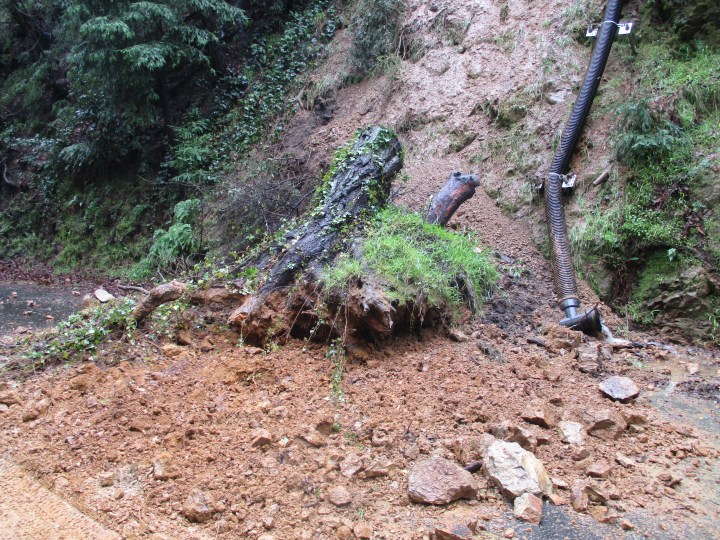
3. These significant mudstone boulders on the far side of the road could have done some serious damage to a car if one had gotten in their way.
4. That is where the Douglas fir stump came from, just to the left of the drainage pipe. It did not get very far. That is it at the lower left corner.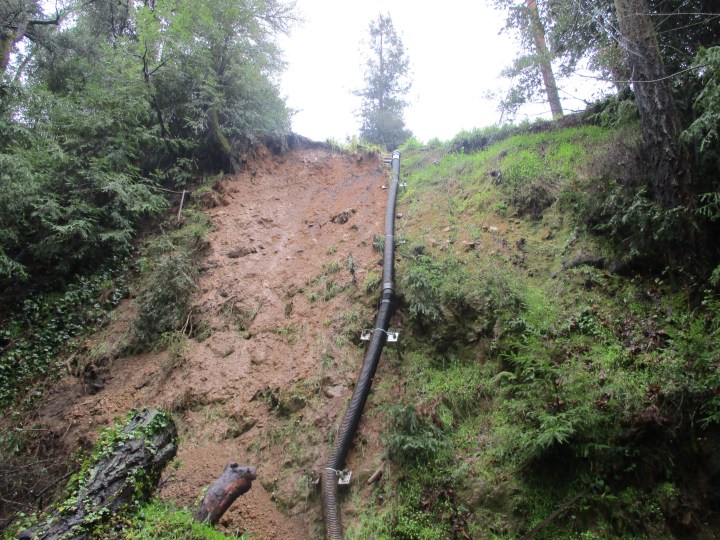
5. We arrived about ten. By noon, there was not much evidence of what had happened. We left the cones because the road was slippery with mud.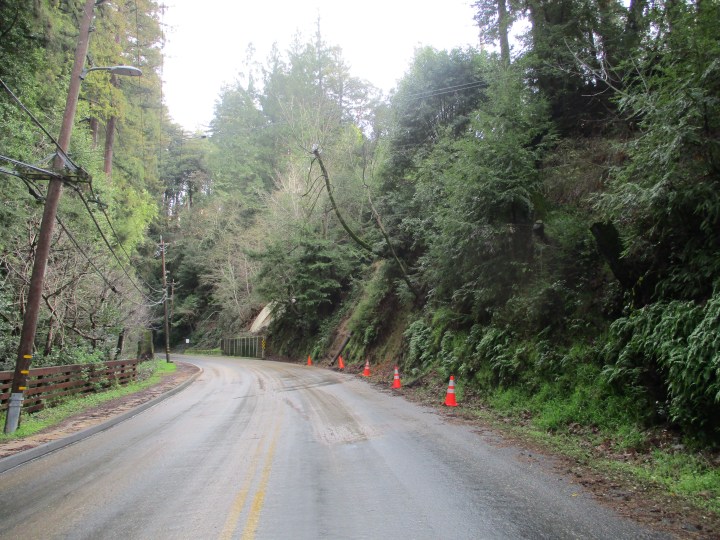
6. This is supposed to be a gardening blog, so here is an unidentified fern that witnessed the whole ordeal from a stable portion of the same cliff. There is slightly more flora to this story than two dead stumps and a bit of ivy.
This is the link for Six on Saturday, for anyone else who would like to participate:
https://thepropagatorblog.wordpress.com/2017/09/18/six-on-saturday-a-participant-guide/
 There are too many varieties of chili or pepper to count; but there are surprisingly few that are known as bell pepper, Capsicum annuum. They are the select few that lack capsaicin, which is what makes others so distinctly ‘hot’ and ‘spicy’. Most are quite mildly flavored. Green bell peppers, particularly those that are green because they are unripe, are generally more bitter and less sweet.
 Every year at about this time, there is the same concern that it is too early to put summer or warm season vegetables into the garden. When the time comes, replacing warm season vegetables with winter or cool season vegetables will also seem to be too early. Nonetheless, it is best to start the transition early so the garden will be ready for production as the weather warms into spring.
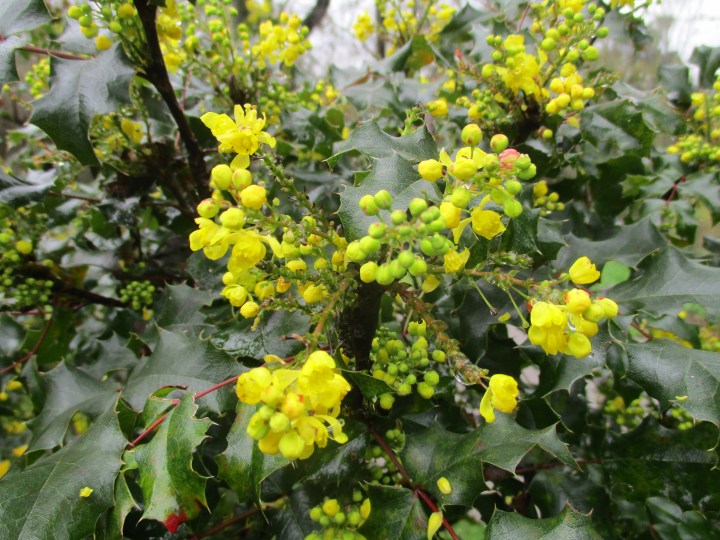 If California is the most excellent state in the entire Unites States of America and surrounding Universe, and Oklahoma is the second most excellent, then Oregon might be number . . . hmmm . . . fourteen or fifteen . . . or maybe like twenty or something. However, in MY (very important) opinion, Oregon is like the third most excellent state, and almost ties with Oklahoma! That makes it even slightly more excellent than Pennsylvania, Vermont and Arizona! Yes, it is THAT excellent!
 There are a few consequences to all this excellent rain. Gutters are flooding. Trees are falling. Mud is sliding. As much as we should be grateful for what we are getting while we are getting it, it is getting rather old. Clear and sunny weather that is forecast after today will be a welcome relief from all this muddy sogginess.
 There are thousands of them, these weird motionless caterpillar like ‘things’, in big herds under all the cottonwood trees. They make a squishy mess in the rain, and stain concrete. They may not look like much from a distance, and are merely ignored as a minor nuisance that must be swept from pavement, but on closer inspection, they really look unworldly, like something from another planet, or a bad Japanese science fiction movie.
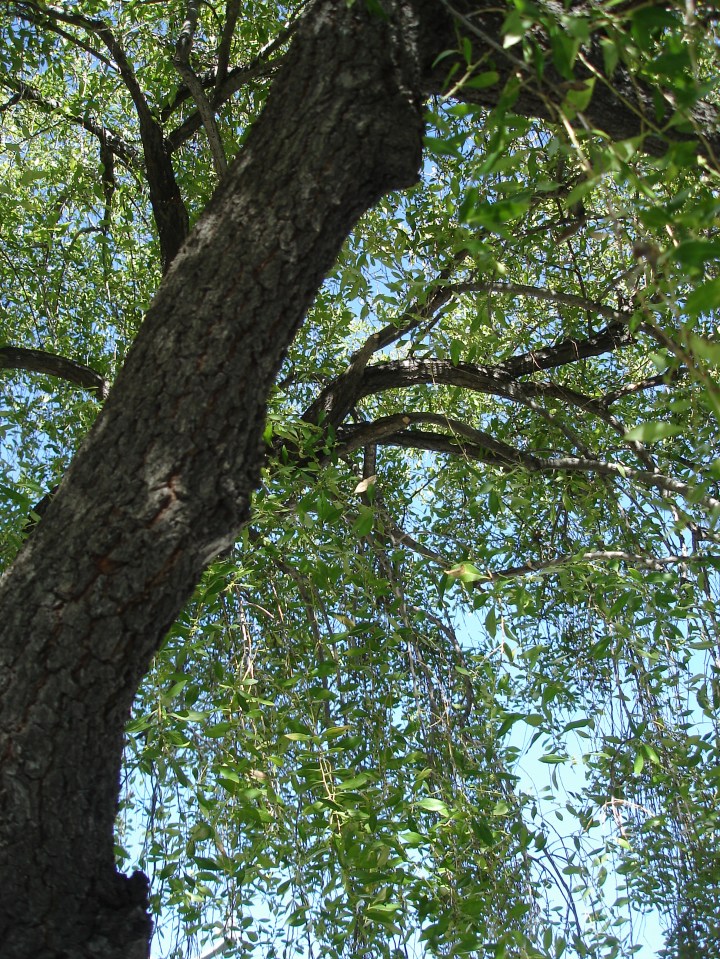 It does not grow fast, but by the time it gets old, mayten, Maytenus boaria, might be tall enough to reach upstairs eaves, and nearly as broad. The main trunk and limbs are nicely outfitted with uniformly checked grayish bark. Smaller stems are so very limber that it is a wonder that trees are able to gain any height at all. These stems arch gracefully, with their wiry tips hanging vertically.
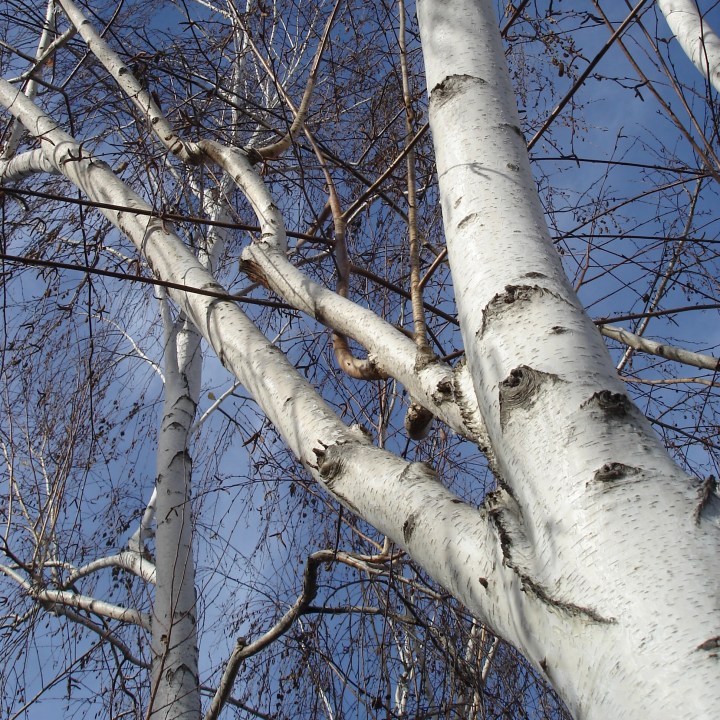 Landscapes appeal to our senses. The colors and textures of blooms and foliage are visually appealing. Floral fragrance and foliar aroma appeal to the sense of smell. Fruits and vegetables can provide flavor. Wind chimes, fountains and birds visiting bird feeders might add a bit of delightful sound and motion. Yet, the motion of certain plants in the breeze is rarely considered.
 English ivy, Hedera helix, is probably the nastiest and most aggressively invasive exotic species that I work with. It climbs high into redwood trees and overwhelms understory plants (that live below the trees). It invades many of the landscapes, and worst of all, it climbs building where it ruins paint and causes rot. It grows faster than we can keep up with it.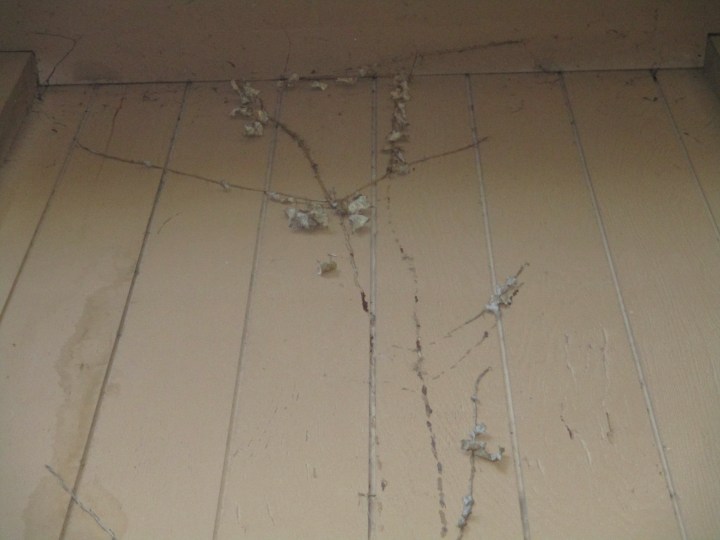
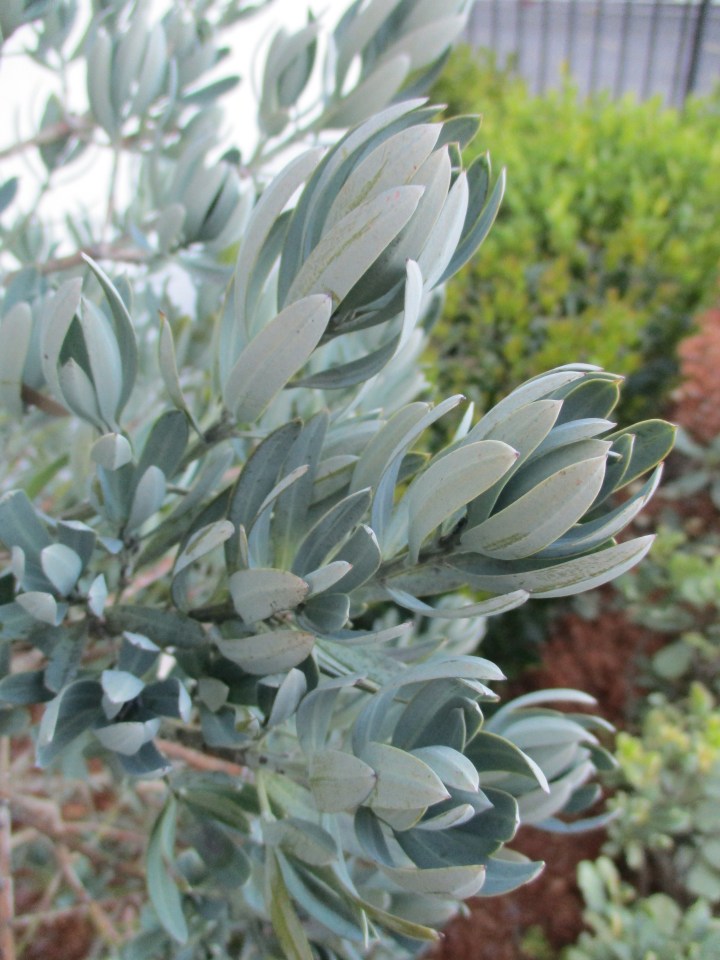 No, it is not an oxymoron. ‘Yellowwood’ is the common name for a few specie of Podocarpus. The evergreen (or ‘everblue’) foliage of ‘Icee Blue’ yellowwood, Podocarpus elongatus ‘Monmal’, really is as silvery grayish blue as the name implies. It can be as striking as some cultivars of Colorado blue spruce. It grows slowly in narrow columnar form to only about fifteen or twenty feet tall.
