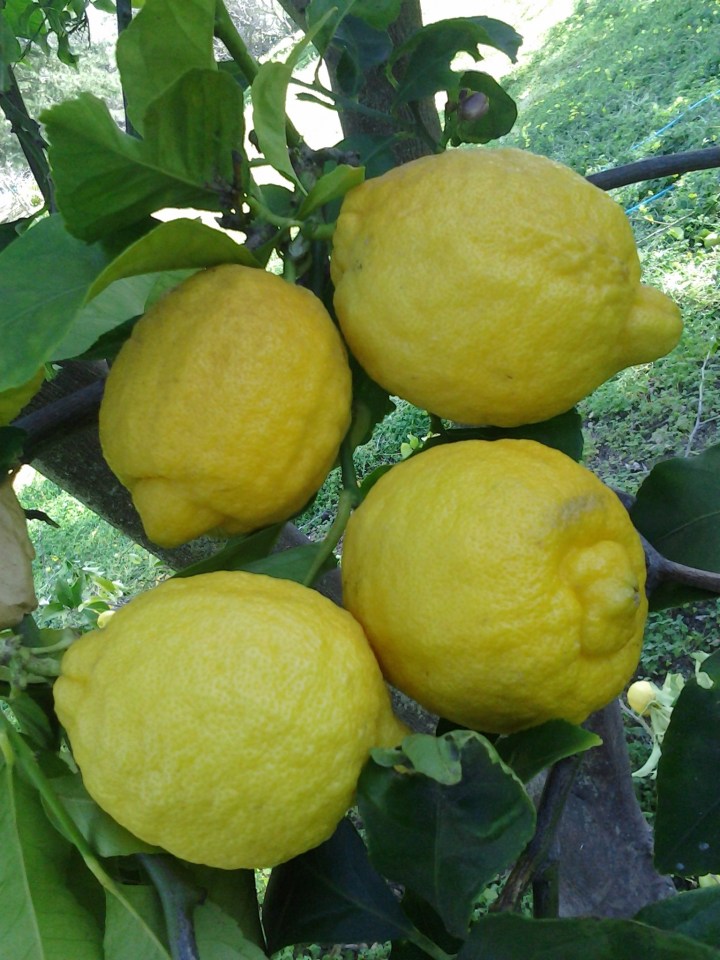
 When life gives you lemons, it is likely this time of year. Although, the most popular garden varieties of lemon, like ‘Meyer’ and ‘Eureka’, continue to produce at least a few more fruits sporadically through the year. ‘Lisbon’ lemon that is still used in orchard production, and is the ancestor of the household ‘Eureka’ lemon, produces almost all of its fruit in winter, and blooms shortly afterward.
Ripe citrus in the middle of winter impresses those in climates where winter is too cold for much to happen in the garden. They could not grow a citrus tree if they wanted to. Even here, frost can damage some of the more sensitive citrus varieties, like ‘Mexican’ lime. Unlike the fruits of summer, citrus fruits ripen slowly and are not so perishable, so do not need to be harvested right away.
This means that if it is raining, cold or just to wintery to go outside, citrus fruits can be left on the tree until the weather improves. Most of us prefer to pick them in small batches anyway. Ideally, fruit should get picked as it is consumed. Lemons and limes typically get picked individually as needed, until there are so many that some need to be bagged and shared with friends and neighbors.
Mandarin oranges are the most perishable of the citrus. Because their skins are so loosely attached to the pulp, the pulp can oxidize, lose flavor and eventually get dry and pithy. Incidentally, a ‘tangerine’ is merely a Mandarin orange that was developed in North or South America. A surprisingly sour (unknown) Mandarin orange might really be a ‘Rangpur lime’, which is not a lime at all.
Unlike most fruit that continues to ripen after harvest, or pears that actually delay ripening until after harvest, citrus fruits stop developing flavor once picked. It is best to taste them for confirmation of ripe flavor prior to harvest. Some Mandarin oranges may have slightly greenish blotches on them even when completely ripe. The best ‘Valencia’ oranges can look rather yellowish. Grapefruits might mellow if left in their trees past ripeness, but can also inhibit bloom.
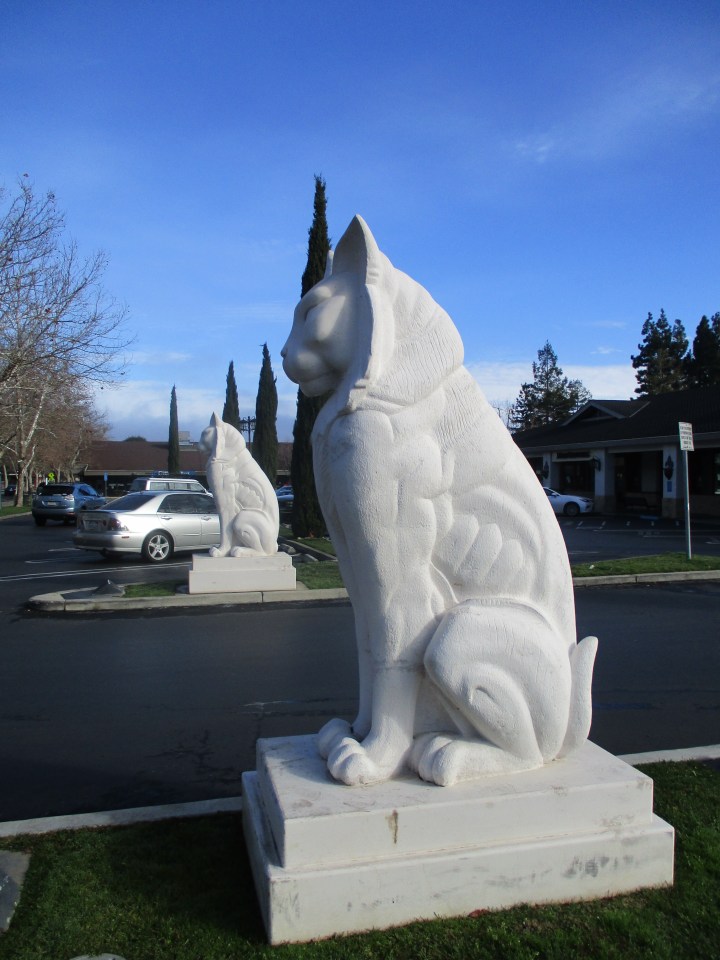
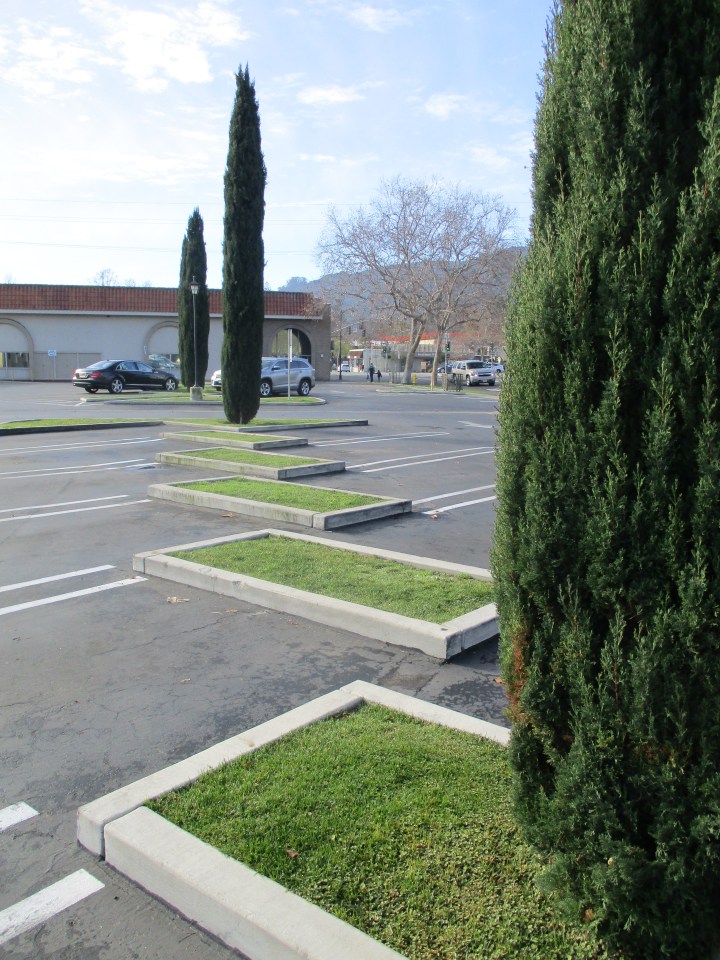 Perhaps I should elaborate on the ‘litter boxes’ in the ‘Six on Saturday’ post earlier this morning. As I already mentioned, they are in the same parking lot as the Leo and Leona sculptures. They were formerly inhabited by Italian cypress trees that would now be like those nearby if they had survived.
 1. What have we here?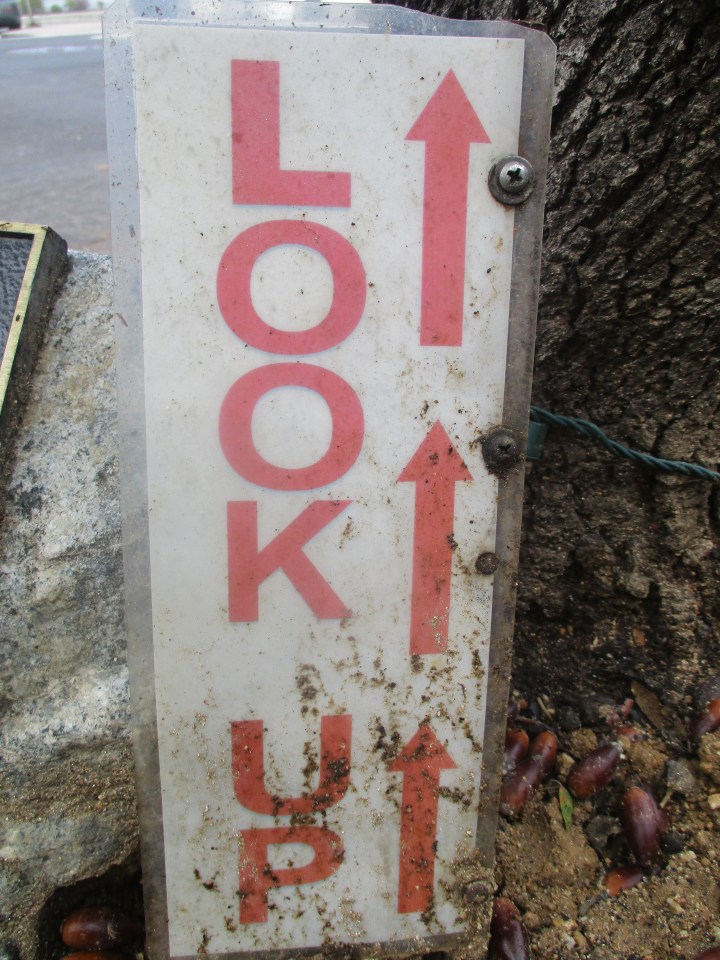


 Like euryops daisy, sweet pea shrub and New Zealand tea tree, the blue hibiscus, Alyogyne huegelii, blooms whenever it wants to, even if it wants to bloom sporadically through winter. It should bloom more abundantly in phases though spring and summer, but even that is difficult to predict. The three inch wide flowers are lavender blue, but can be rich purple or white. Pink is very rare.
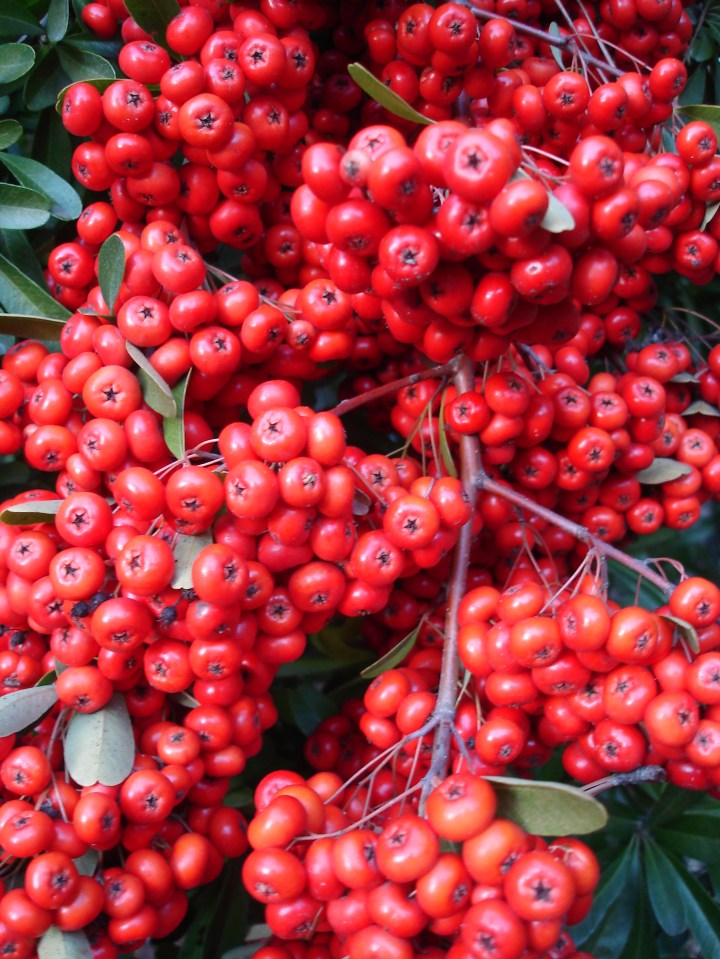 It is probably no coincidence that certain berries and small fruits are so colorful through winter while colorful flowers are relatively scarce. Like flowers, they want to get others to do something for them. Flowers use color, aroma, flavor and sometimes even texture to attract and reward pollinators. Colorful berries and fruits do the same to attract birds and animals who disperse their seeds.
 Wire haired terriers know how it works. They wear wiry hair through summer to shade their skin while allowing cooling air circulation. Their softer and fuzzier undercoat that develops in autumn provides better insulation from cold weather through winter.
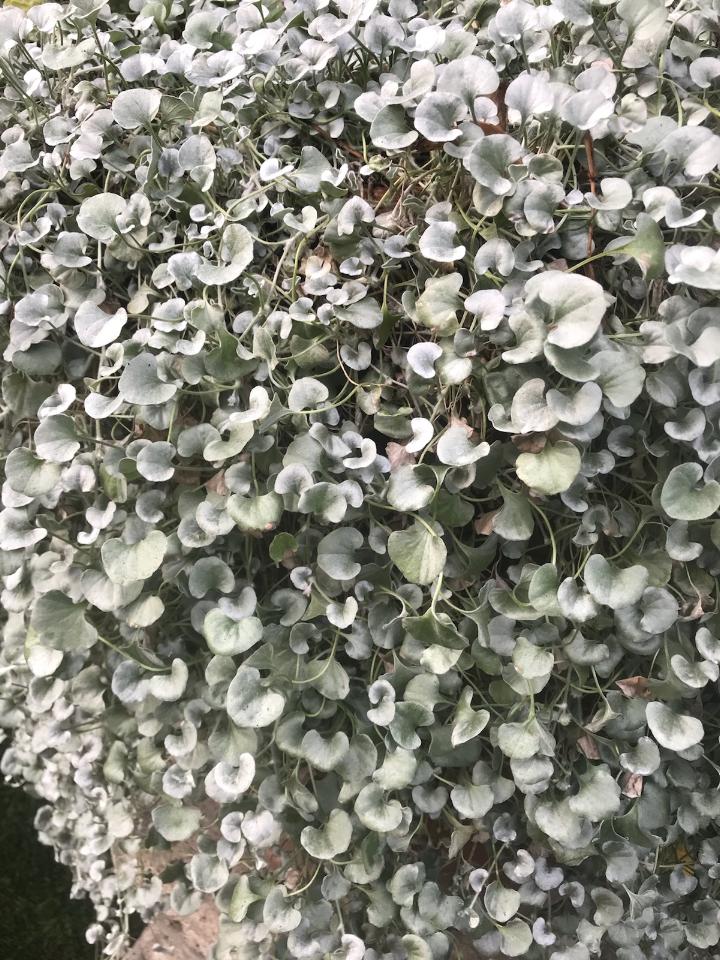 No one seems to know what ever happened to old fashioned dichondra lawns. Everyone seemed to like them, especially those of us who dislike turf grasses. Somehow, they became passe and very rare. The formerly common dichondra that such lawns were made of is now merely a resilient weed in turf lawns. But wait! We have not heard the last of this resilient and appealing perennial.
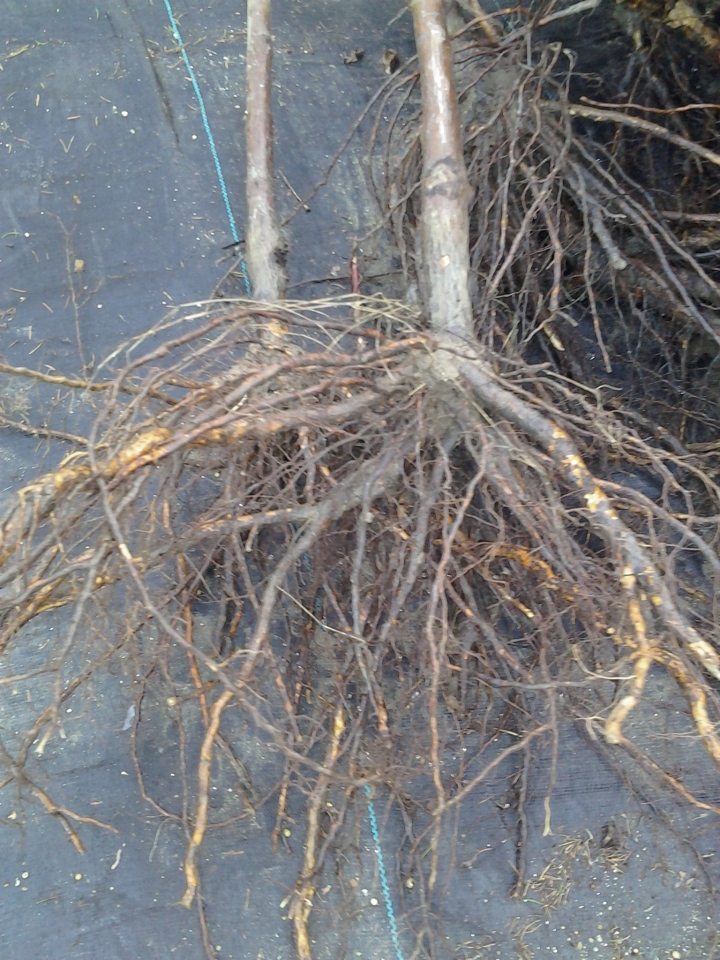 Bare root plants are less expensive, easier to handle, and easier to prune into a desired form than canned (potted) plants are. Also, they get established into the garden easier. Yes, even with less roots, they disperse their new roots directly into the surrounding soil more efficiently than secondary roots escaping from crowded roots that had been confined to cans of media (potting soil).
 Only a few bits and pieces of natural native vegetation can be found on the floor of the Santa Clara Valley. They are primarily in spots that were not useful for some sort of development. Almost all of the big coast live oaks and valley oaks that lived in the flat areas are gone. Riparian vegetation still survives on the banks of creeks, and in adjacent areas where it has not yet been cleared.
