 What happened with the tomatoes?! In past years, they were inhibited by mild summer weather. This year, they had plenty of warmth, but did not seem to perform much better. Perhaps they wanted more humidity. Now that those that started slowly are starting to produce better, they do not have much time left before warm summer weather gets cooler towards autumn.
Eventually, cool season vegetables will move into the garden. Seed for the earliest beets and chard may have already been sown directly into the garden. Subsequent phases of beet seed can be sown every three weeks or so until about a month prior to the return of warm season vegetables at the end of winter. Each subsequent phase should begin to produce at about the time that the previous phase gets depleted.
Unlike beet roots that get pulled up completely when harvested, chard produces foliage for quite a while, so is often planted only once. A second phase added sometime in winter may prolong production into late spring. However, by the time the first phase actually finishes, there will be plenty of warm season greens to grow. Because only a few chard plants are enough, they do not need to be grown from directly sown seed, but can alternatively be grown from cell-pack seedlings purchased from a nursery.
Cell-pack seedlings are actually often more practical than seed is for broccoli, cauliflower, cabbage and some heading lettuces. Seedlings get growing faster, so are less likely to get eaten by pests as they germinate. A cell-pack of seedlings does not cost much more than an envelop of seed, but contains about as many plants as one garden needs.
Carrots, radishes, peas, spinach and leafy lettuces should be grown from directly sown seed because so many individual plants of each variety are needed for adequate production. Besides, carrots and radishes are roots that get disfigured if initially confined to cell-packs; and peas have very sensitive roots that do not like to be transplanted. Seed for leafy lettuces grown for ‘baby greens’ can be sown densely because leaves get plucked through the season, without getting very large.
There are three options for growing onions. Seed is practical, but takes a while, and can be the riskiest option for large bulbing onions. Onion sets are tiny onions that grew from seed last year, and only need to be grown another year for plump mature bulbs. They will grow as green onions if planted deeply and harvested early. Crowded cell-pack seedlings grow into tight clumps of disfigured onions, but can be separated and grown into well formed individual onions.
 Pretty soon, as autumn weather starts to get cooler, some deciduous plants will develop brilliant color before defoliating for their winter dormancy. Throughout the rest of the year, evergreen plants with gold, silver, bronze, bluish, purplish, reddish or variegated foliage are more colorful than common green foliage is. A few deciduous plants with colored foliage turn different colors in autumn.
 Black-eyed Susan, sunflowers and a few of the late warm season annuals and perennials are still blooming, and a few will continue into autumn. By that time, cool season annuals can move in; and some of the deciduous trees, shrubs and vines that turn color for autumn will be doing so. Realistically though, this can be the leanest time of year for color in the garden. Even some of the foliage that is colorful through spring and summer has faded.
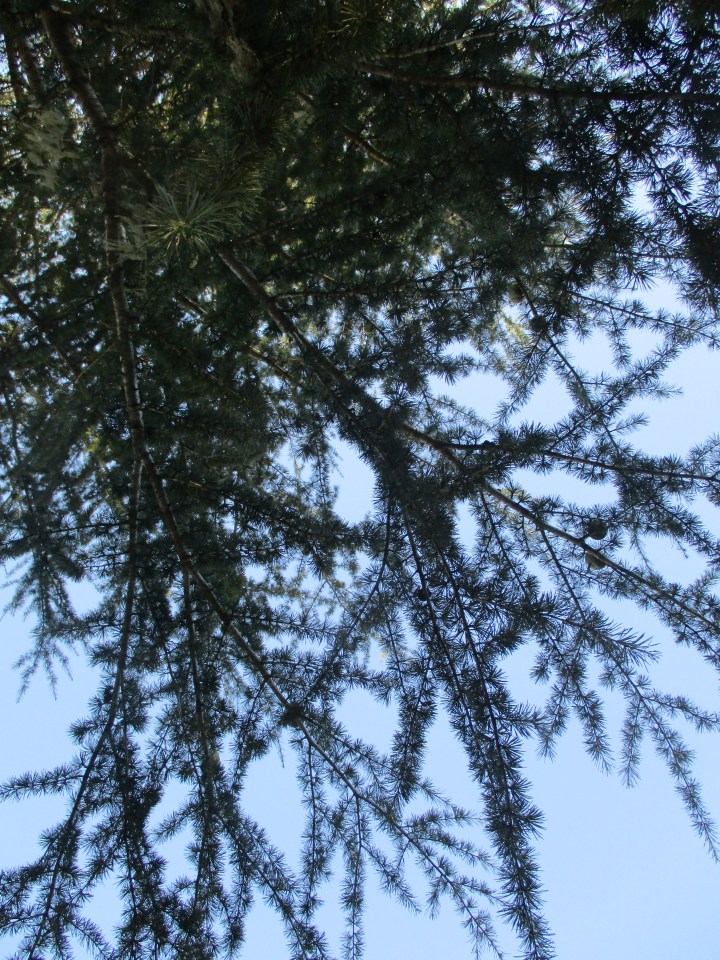 Just about every home garden has some sort of shade. Even if there are no substantial trees or shrubbery, there are northern walls of homes and garages, and they likely have eaves that extend their shadows a bit farther. Fences to the south create shade to the north. Gardens of modern homes are smaller, and surrounded by higher homes and fences, so are shadier than older gardens.
 The original Dodge Dart, with the slant-six engine, was not much to look at, but was built to last. While cars were expected to last ten years or a hundred thousand miles, Darts easily lasted twice as long or twice as far. A few are still going now! Such resiliency really made a reputation for Dodge. The problem was that those who bought Darts had no need to buy another car for a long time.
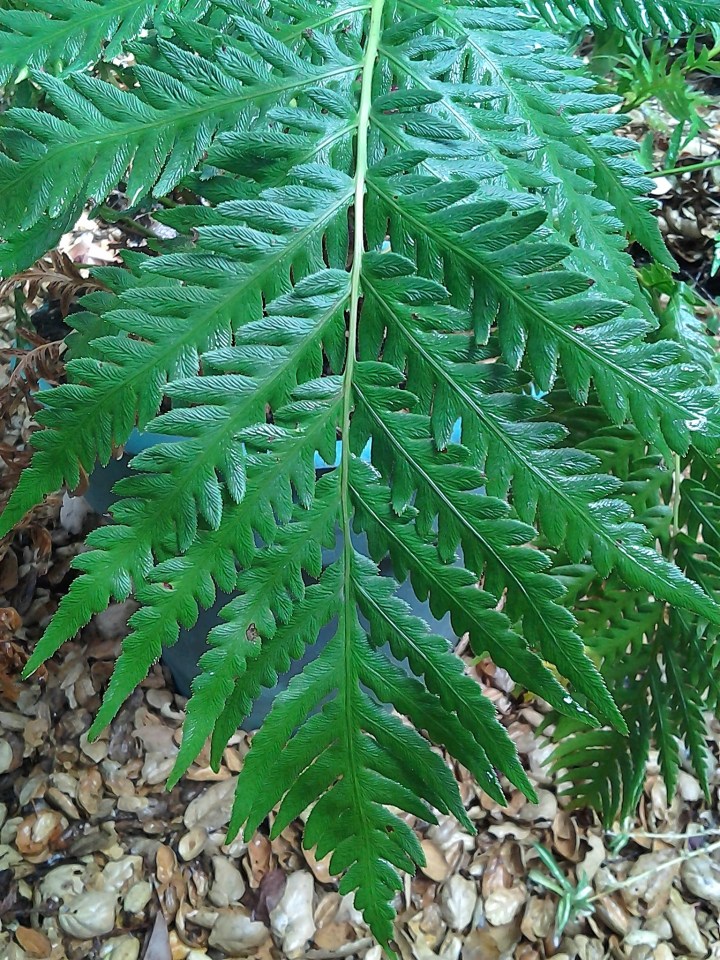 Many of the most popular plants are expected to bloom to add color and fragrance to the garden. Many others are grown to produce fruit or vegetables. Some are appreciated for their foliar color in autumn. Big trees are grown for shade. Turf grasses are grown as lawn. Evergreen shrubbery makes hedges. It seems that all plants perform particular tasks in the gardens which they inhabit.
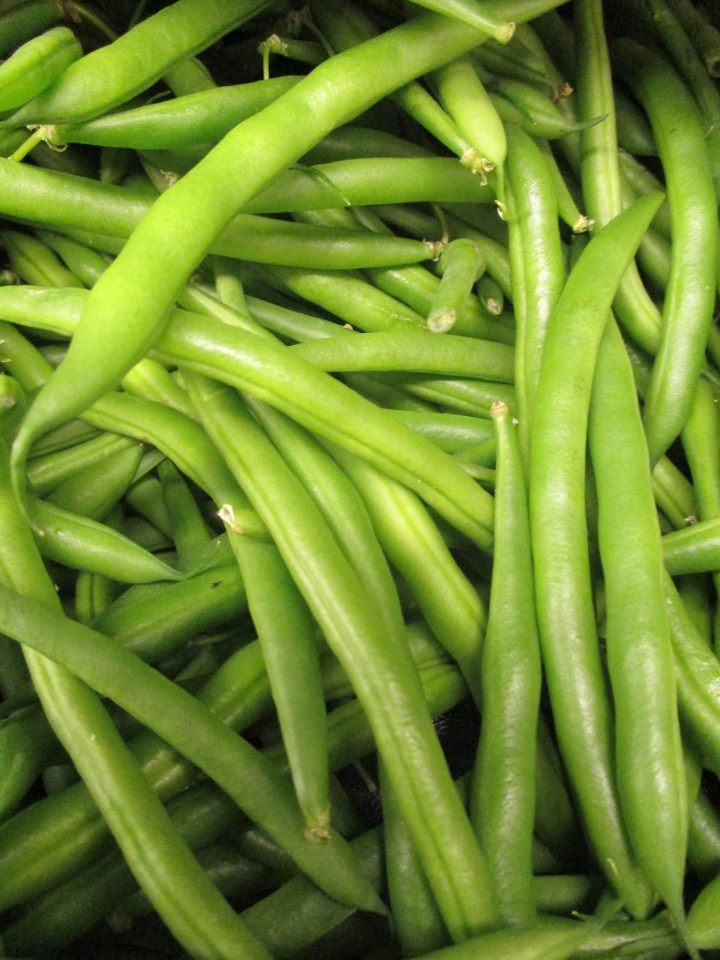 ’Zucchini’ is Italian for ‘little squash.’ They certainly can grow to become big squash, but by then, they do not taste so good. They are best before they get to about six inches long. As they mature, they get bitter and tough, and the seedy pulp within develop an unappealing texture. Maturing zucchini also waste resources that would otherwise go to the development of more younger zucchini.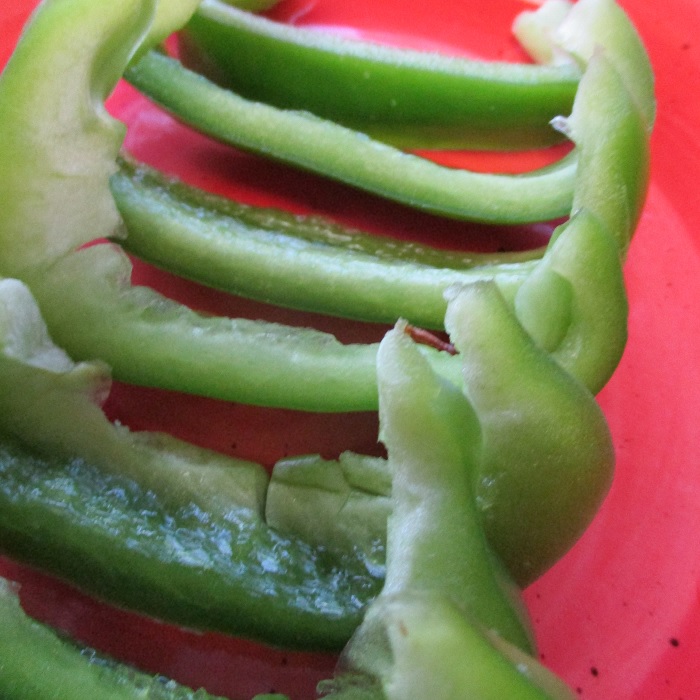
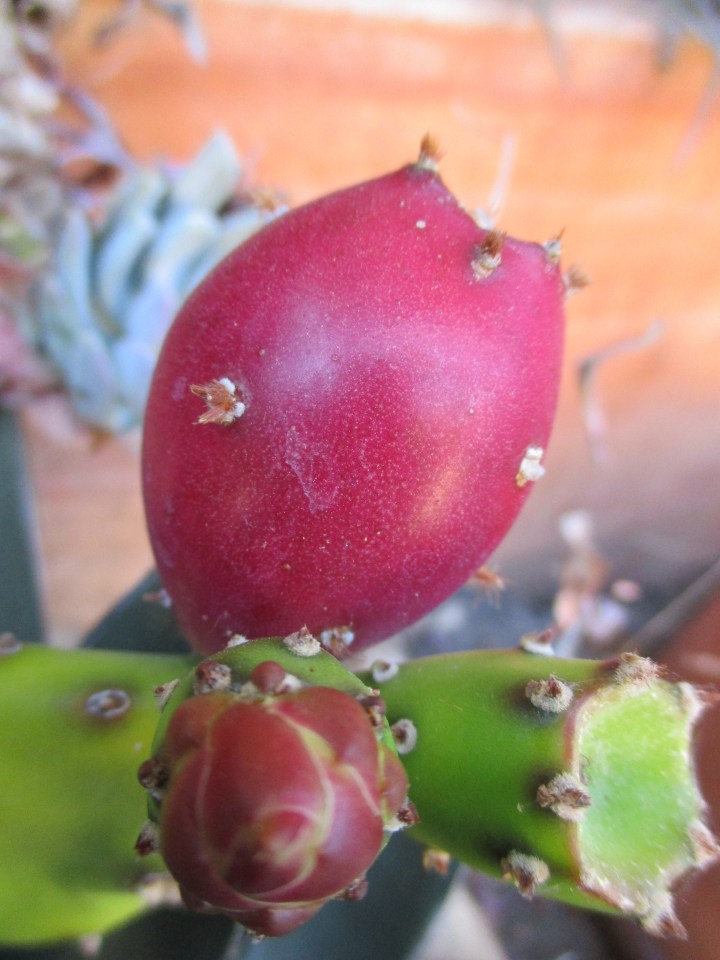 Those of us who grew up with the old fashioned stone fruit orchards or vineyards might remember some of the traditional methods for protecting the ripening fruit from birds. Mulberry trees were grown on the corners of some orchards to keep birds well fed and less hungry for the ripe orchard fruit. Mulberry cultivars were selected to ripen just prior to the fruit within the particular orchards.
 Autumn foliar color is not the concern yet. It develops later as deciduous plants defoliate for winter. Purplish, reddish, yellowish, bluish or gray foliar color that can be seen now is provided by plants that are colorful while actively growing. Almost all of this sort of foliage is most colorful when it is young and fresh, early in spring. Then, through summer, some of the best foliar color fades.
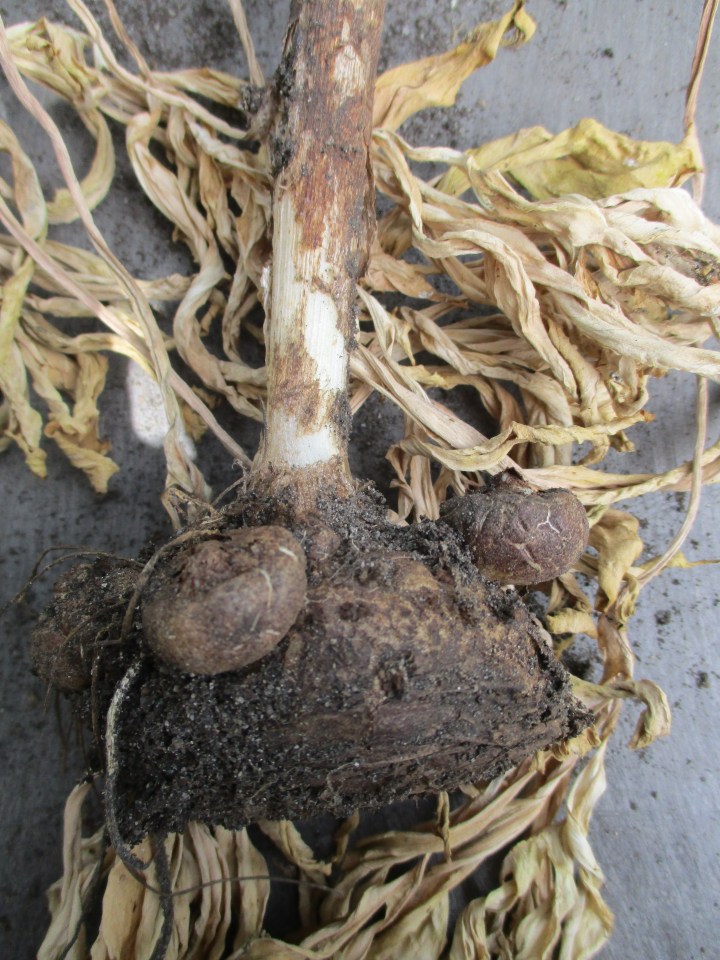 California buckeye, Aesculus californica, is an enigma. How does it survive while defoliated for so much of the year? Not all are so mysterious. Those that live in sheltered or forested situations behave like normal deciduous trees, by defoliating in autumn, and refoliating in spring, after a brief winter dormancy. Those that are more exposed in warm and windy situations make us wonder.
 Tony Tomeo