 Anyone who has ever owned a cat knows that no one owns a cat. They do whatever they want to do, whenever and however they want to do it. They take orders from no one. If they decide to use a dry spot in the garden as their litterbox, or a tree trunk as their scratching post, it is impossible to dissuade them. They are so smug and arrogant. It is no wonder that so many dogs dislike them.
Cats live in our homes and gardens because we are not as sensible as so many dogs are. We succumb to their charm and devious mind control techniques because they really can be adorable when they want to be. Fortunately, most of us would agree that this sort of symbiosis is mutually beneficial. An occasional delivery of a dead rodent proves that some cats actually work for a living.
As pompous as cats are, they are surprisingly tactful about their poop. Cats that are confined to a home leave it in their litterboxes, and even bury it with kitty litter that absorbs the objectionable aroma. From there, it can be collected and disposed of by human servants. In the garden, cats seem to put considerable effort in burying it out of the way, where it is less likely to offend anyone.
However, what is out of the way to a cat might not be so conveniently situated for others. The most refined and regularly watered gardens might not leave many options for cats, who prefer dusty and dry spots. There is not much to deter cats; so the best option may be to plant and occasionally water something in problematic spots, in conjunction with providing a litterbox somewhere else.
Sneaky cats sometimes use flat or parapet roofs where there is plenty of dry gravel and perhaps other dry detritus. For most single story roofs, it is nearly impossible to obstruct access; but in rare situations, it might be as simple as pruning trees and shrubbery back farther than cats will jump. Obstruction of access to the dusty dry soil of basements and crawlspaces is easier since it usually involves relatively simple repair of vent screens, access hatches or windows.
 Weeds are weeds because they grow where they are not wanted. They might be desirable plants in the wild within their native ranges, or beyond their native ranges where they are useful, but for one reason or another, are undesirable in other situations. In fact, many of the most invasive exotic (non-native) weeds were imported because they were useful for something, and then escaped.
 Lawn is the carpeting for our outdoor spaces. Like pavement or decking, it makes the space in or gardens useful for more than growing other plants. Since it is designed to share its space with us, we give it more ground space than any other type of plant. For what it contributes, most of us do not mind giving lawn all the water and attention that it requires. It really seems indispensable.
 It is hard to say why boulders and sculptural stone are sometimes incorporated into American landscapes. A long time ago, boulders were only left in landscapes if they were to big and heavy to move out of the way or break apart. Early American landscapes were designed to express dominance over nature by replacing as much of it as possible with unnaturally organized landscapes.
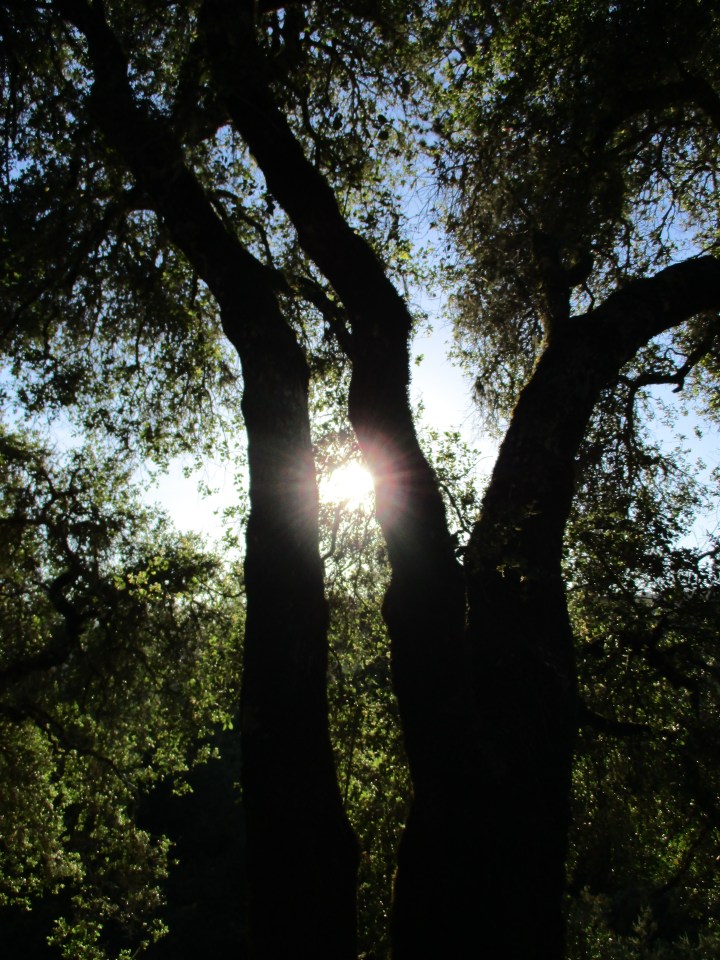 Modern urban lifestyles are becoming less conducive to gardening all the time. Bigger and taller homes cast larger shadows over smaller garden spaces. The taller fences between these homes do not help. The densely evergreen trees employed to obscure the views of other larger and taller homes also obscure sunlight. Not much sunlight reaches the ground where shorter plants need it.
 Does the heat seem to have come on suddenly this year? There was all that rain through winter, then a quick but delightful spring, and now it is suddenly over a hundred degrees in some places! What happened?! There is certainly nothing abnormal about such warmth in the middle of June. It just comes as a surprise when it arrives so suddenly after such pleasantly mild spring weather.
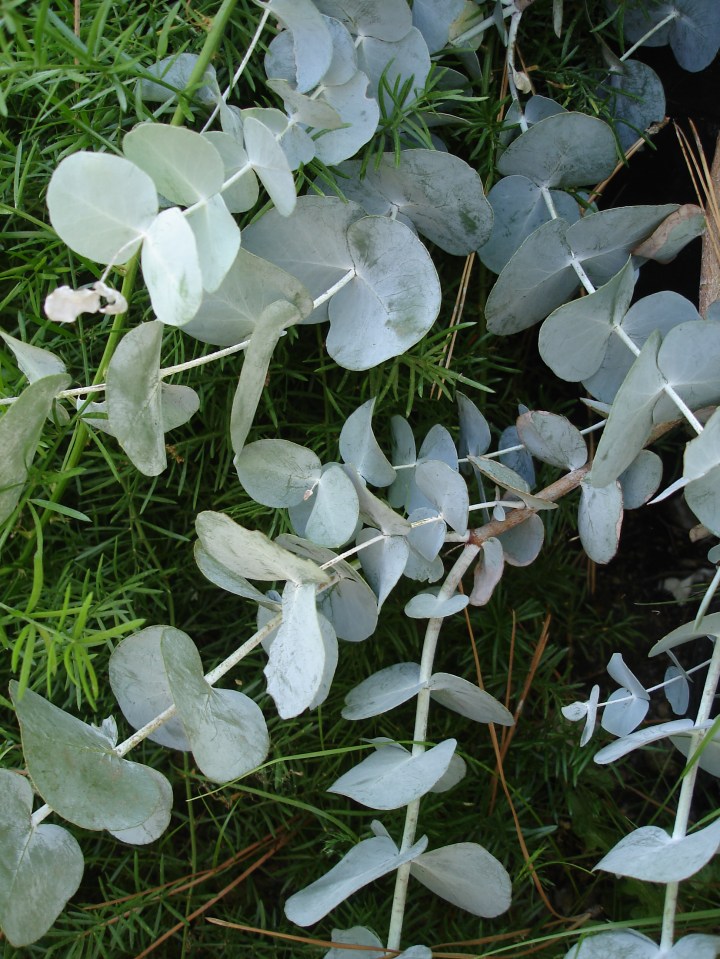 The best and brightest color in the garden is obviously still provided by flowers. Autumn color can be spectacular, but only amongst relatively few deciduous trees, shrubs and vines that turn color reliably in mild climates, and only if the weather is conducive to coloration. The next best option for color beyond green is the sort of colored foliage that does not wait for autumn to materialize.
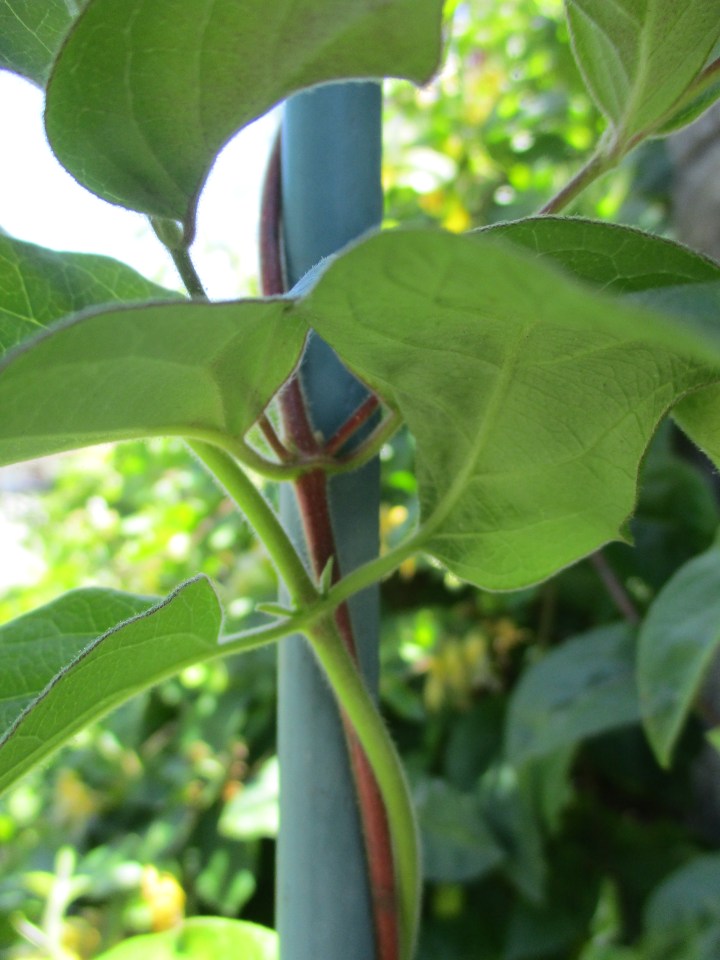 Vines in the wild are downright exploitative. They do not support their own weight, so instead climb or sprawl over shrubbery and trees. Some are satisfied staying down below the canopy of the hosts who support them, as if aware that a healthy host will support them for a good long time. Many vines climb aggressively to the top and overwhelm their hosts, even if it eventually kills them.
 Not many plants are sensitive to mere heat alone. Actually, many plants prefer warm weather. The difficulty that some plants have with heat locally is that it typically accompanies aridity, and often accompanies afternoon breezes. As appealing as breezes and minimal humidity are to us while the weather is warm, they promote and accelerate desiccation of exposed sensitive foliage.
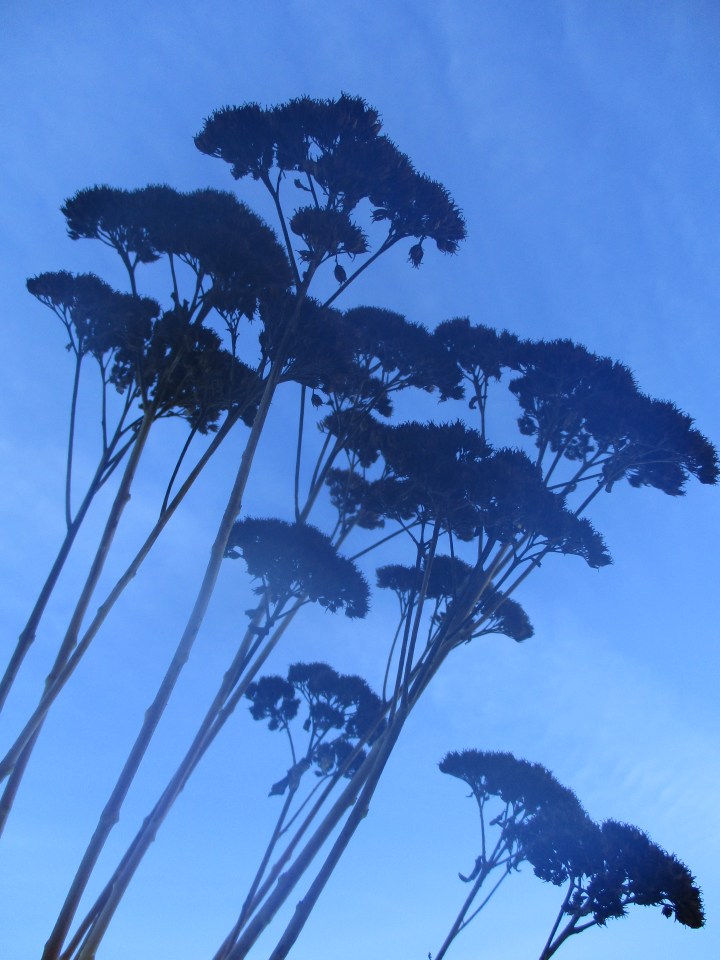 April showers bring May flowers. May flowers make a mess. Well, some of them do. Most simply disintegrate and fall from the trees, shrubs and vines that produced them, and decompose into the soil below. Some might have needed to be swept off of pavement and decks. Regardless, most of us do not notice the very minor consequences for the majority of spectacular spring bloom.
 Tony Tomeo