Motion As A Landscape Element

60120+Landscapes appeal to our senses. The colors and textures of blooms and foliage are visually appealing. Floral fragrance and foliar aroma appeal to the sense of smell. Fruits and vegetables can provide flavor. Wind chimes, fountains and birds visiting bird feeders might add a bit of delightful sound and motion. Yet, the motion of certain plants in the breeze is rarely considered.

Weeping willow is famous for the way it blows softly in even a slight breeze. Unfortunately, it is also famous for thirsty roots, structural deficiency, and getting too big too fast. Mayten can do the same on a smaller scale, and in drier situations. California pepper is somewhere in between, since it can eventually get too big, and might have structural problems, but takes a while to do so.

Some of the various eucalypti have softly pendulous stems as well. Lemon gum and red ironbark are two of the better known specie that know how to blow in a breeze. Silver dollar gum is nice too, even though it is not as pendulous or as dynamic in the wind. Eucalypti that get too big for home gardens can be seen blowing in the wind in larger landscapes, such as parks or on freeways.

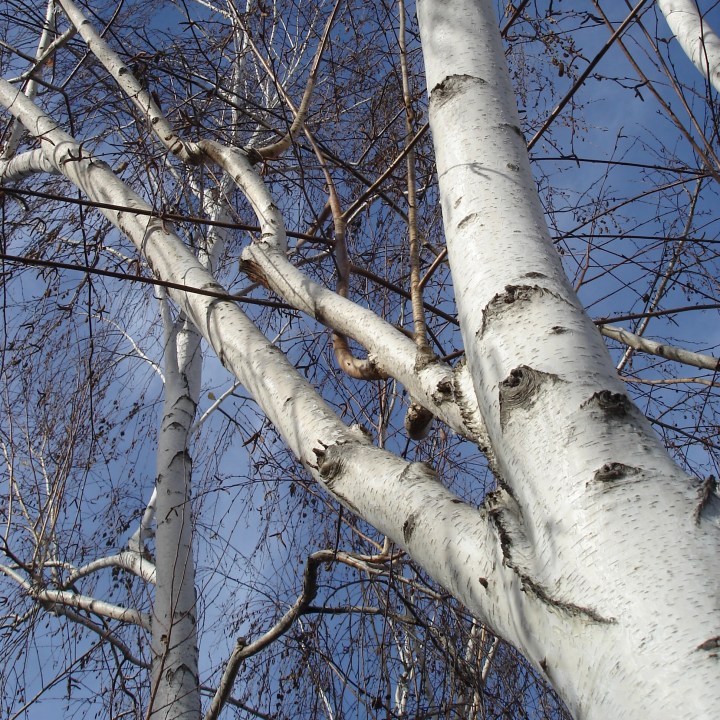
Two of the best trees for motion in the wind are not as popular as they used to be. European white birch that was so popular in the 1970s has become considerably less common that the less pendulous (but brighter white) Himalayan birch. The elegant and formerly popular Chinese elm has been replaced by modern ‘improved’ cultivars with stiffer stems, like the Drake Chinese elm.

Almost all bamboos, most big clumping grasses, and many palms are ideal for taking advantage of breezes. Mexican weeping bamboo really is comparable to weeping willow, but on a much smaller scale. Taller bamboos can catch a breeze on top even if lower foliage is sheltered. Pampas grass, although certainly not for every garden, has both dynamic foliage and dynamic blooms.

Of course, plants that move in a breeze can only do so with a breeze. They can not do much if sheltered by larger trees or buildings.P81222++++

Pruning Late Might Be Justified

90313thumbThere may not be exceptions to every rule, but there are a few exceptions to the rule that winter is the best time for pruning. It is generally true that most plants are the most dormant through the coolest part of winter. It is also true that while they are the most dormant, most plants are less sensitive to pruning, as well as other horticultural techniques that interfere with their normal function.

However, certain ‘special’ plants get pruned later, either because it is healthier for them, or just because they are allowed to do what they do best in spring before getting deprived of some of what they need to do it with. Some get pruned rather soon after coming out of winter dormancy. Some should probably wait for their new spring growth to mature a bit. It is not as confusing as it sounds.

Evergreen plants that drop much of their older foliage through winter should probably be pruned late in winter or early in spring, essentially at the last minute, just before new foliage develops. If shorn early and deprived of outer foliage that should survive through winter, photinia looks scraggly as it continues to lose much of what had been inner foliage until new foliage develops in spring.

Red twig dogwood and some types of willows that are coppiced or pollarded to maximize production of their colorful twigs should be allowed to show off their colorful bark for as long as possible. Like photinia, they too can be pruned at the last minute, just before vascular activity resumes. However, red twig Japanese maple really should be pruned in winter so it does not bleed afterward.

Flowering cherry, plum, peach, crabapple and quince are grown for prolific but sterile bloom which is diminished by winter pruning. If they need it, they can instead be pruned after bloom, but before too much foliage develops, or after such foliage matures in late spring or early summer. They do not need to be pruned nearly as aggressively as fruiting trees that would otherwise produce too much burdensome fruit. Some may only need to have dead stems pruned out.

Nomenclature Is The Name Game

60302thumbNomenclature is a standardized technology of naming. It dictates the universal ‘botanical’ names of all plants, so that everyone everywhere can communicate more efficiently about horticulture. Botanical names might seem confusing, and maybe even unflattering, but they eliminate the confusion associated with regional common names that are as variable as languages and cultures.
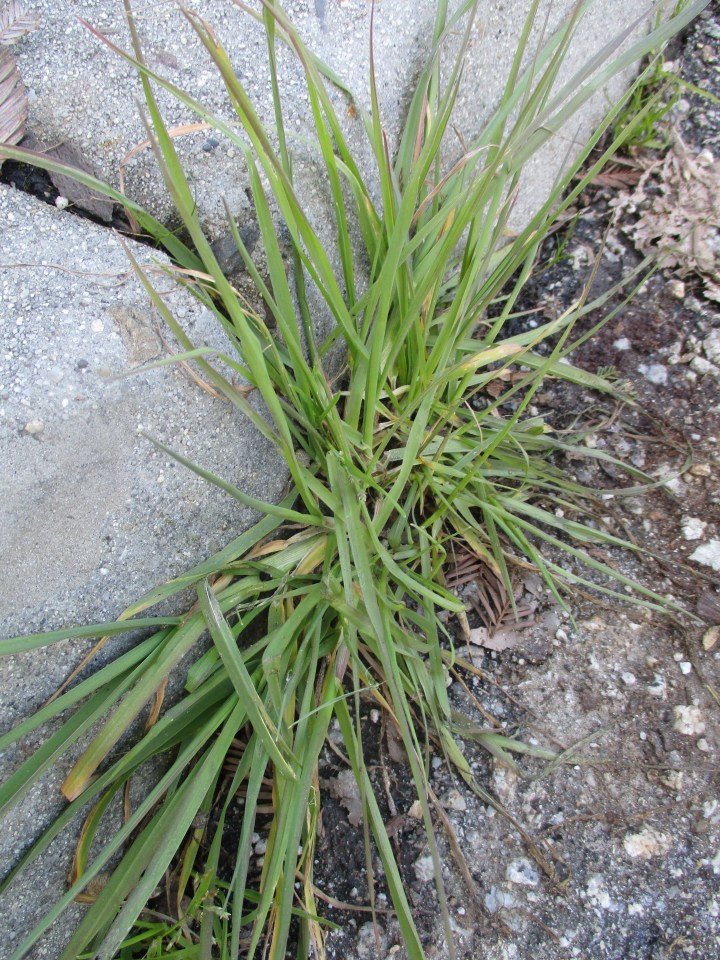
For example, the white pine from Northern California is not the same as the white pine from Maine, even though they both have the same common name. However, Pinus monticola, the white pine from Northern California, is the same everywhere, even if grown in Maine. This particular botanical name is only for this particular white pine, so eliminates confusion with other white pines.

Botanical names are also known as ‘Latin’ names because they are (obviously) Latin. The first name is the more general part of the name, so is known as the ‘genus’ (or ‘genera’ in plural). The second name is the more specific part of the name, so is known as the ‘species’ (or ‘specie’ in plural). The genus name should be capitalized; but the species name is not. Both are italicized.

Acer is the genus of all maples. Salix is the genus of all willows. These names identify particular genera, but are no more specific alone. Acer rubrum more specifically identifies a popular North American maple that is known locally as red maple. Salix babylonica specifically identifies a common willow known locally as weeping willow. This is almost as specific as nomenclature gets.

A few specie have varieties or cultivars (cultivated varieties) which are variants of the basic species. Variety or cultivar names are added after specie names. They are capitalized, unitalicized and semi-quoted. For example, Acer rubrum ‘October Glory’ is the October Glory red maple. Olea europaea ‘Little Ollie’ is a fruitless, dense and short cultivar of the familiar European olive tree.

Nomenclature of plants is similar to nomenclature of cars. Buick, Chrysler and Mercury are genera of cars. Electra, Imperial and Grand Marquis are specie of Buick, Chrysler and Mercury, respectively. ‘Limited’, ‘Custom’ and ‘Brougham’ are their cultivars. There are of course many more plants with bigger and stranger names, but the system for identification works the same way.

Weeds Obviously Grow Like Weeds

90306thumbNot many of our favorite plants grow like weeds. We must help most of them along, and give them what they want. A few might naturalize and perform well on their own, but if they do too well and become aggressive or invasive, they too become known as weeds. Although we might prefer some of our favorites to be easier to grow, we are probably fortunate that more do not do too well.

Conversely, not many weeds are appealing plants when they invade our gardens. They might not be so disdainful if they provided fruit, vegetables or flowers, or were less aggressive with other plants. Instead, the conquer and occupy useful space, consume resources, and then toss their seed for the next invading generation. Their aggressive invasiveness is what makes them weeds.

There is no easy definition of ‘weed’. We know them only as unwanted plants, or plants where they are not wanted. Most are exotic (nonnative) plants that were once imported at a time when they were actually desirable. Some were vegetable or flowering plants grown in home gardens. Some were forage crops. Blue gum eucalyptus was imported for wood pulp. A few weeds are native.

Weeds become weeds because they have distinct advantages. Most get an early start at the end of winter, while other plants are still dormant. Then, many weeds bloom and toss seed for the next generation earlier than other plants. Many lack the pathogens of their homelands. Weeds generally survive on less resources, or complete their life cycles before resources are exhausted.

Most weeds are annuals. Many are perennials, Some are shrubby or vining. A few are trees. One commonality is that they should be pulled as soon as they are big enough to get a grip on. They are easier to pull while the soil is moist from winter rain, and before they have dispersed their roots much. Some of the short term annuals are pretty quick and sneaky about dispersing seed too!

Weeds that are woody shrubs, vines or trees need to get pulled like the rest. If merely cut to grade, they will likely regenerate from their stumps, and need to be dug later.

Bloom Is Earlier If Forced

60224thumbProperly pruned deciduous fruit trees probably do not have too many extra stems to spare now. Neglected trees would have more to offer. Believe it or not, a few of us who prune deciduous fruit trees diligently and meticulously in winter sometimes leave a few unwanted stems to prune out and take into the home now that the flower buds are beginning to swell and are about to bloom.

Bloom accelerates once the bare twigs are inside where the nights are warmer than outside. If the buds are plump enough, they can bloom in a day or a few. (If not plump enough, the buds may desiccate before they bloom.) Twigs that are already blooming can be brought in as well, but do not last quite as long. Blossoms are a bit messy as they later drop petals, but are worth the bother.

The technique is simply known as ‘forcing’, which works something like forcing bulbs to bloom prematurely. Timing is critical. If a few blossoms are already blooming elsewhere on the tree, the fattest unblooming buds that are already showing color are ready to be cut and brought in. They only need to be put in a vase with water like any other cut flower, and can mix with other flowers.

Stone fruits (of the genus Prunus) like almond, apricot, plum, prune, peach, nectarine and cherry, start to bloom about now, although not in this order. Apple and pear bloom later. All their fruitless counterparts, known simply as flowering plum, flowering cherry, flowering crabapple and so on, are even more colorful, and some types bloom with ruffled double flowers. All bloom without foliage.

Flowering quince and forsythia have already bloomed, but would have been the most spectacular bare twigs to force into bloom. Pussywillow is probably the most familiar forced bloom twig. Hawthorn (Crataegus spp.) blooms something like pear, but the aroma may be objectionable to some. More adventurous garden enthusiasts force witch hazel (winter), redbud and star magnolia.

Colorful Foliage Needs No Bloom

90227thumbThere is no shortage of color for the garden here in our mild climates. If we want to, we can grow various flowers to bloom at various times throughout the year. If that is not enough, we can grow plenty of colorful foliage too. Evergreen sorts can stay fresh and resilient to minor frost all winter. A few deciduous plants and warm season perennials with colorful foliage will refoliate in spring.

Besides the various shades and hues of green, foliage can be variegated with white, cream, gray, chartreuse, yellow, gold, red or pink. Such variegation can be stripes, blotches, spots, margins or lacy patterns. New spring growth of some variegated plants is blushed with pink or red. Plants with blue, gray, silvery, bronze or purplish foliage are mostly monochromatic, without variegation.

Just as most popular flowers became less efficient at their primary function of attracting pollinators, as they were bred and developed to be bigger and more colorful than they naturally were, most colorful foliage is not an an advantage to the plants that produce it. After all, foliage needs chlorophyl for photosynthesis. Variegated portions of leaves lack chlorophyl, so are much less efficient.

In fact, many variegated plants originated as mutant growths, known as ‘sports’, that appeared on unvariegated plants, and were cloned. Many try to revert back to green by producing their own unvariegated sports. These green sports grow faster with more chlorophyl, so can overwhelm variegated growth if not pruned out. Monochromatic blue or gray foliage is not mutant growth, but is instead a natural adaptation to extreme exposures, mostly at high elevations, so is not prone to reversion.

English holly, English ivy, euonymous, silverberry, New Zealand flax, mirror plant and various pittosporums are some of the more popular variegated plants. Purple leaf plum, purple smokebush and a few cultivars of Japanese maple are popular plants with purplish or bronze foliage. Blue spruce, American agave, Arizona cypress and various junipers have exquisite bluish or gray foliage.

Warm Weather Confuses Dormant Plants

60217thumbClimate is what makes gardening so excellent here. It is just warm enough in summer for plants that like a bit of heat, but not too unbearably hot for too long. It is just cool enough in winter for plants that like a chill, but not cold enough for hard frost or heavy snow. The climate is also comfortable for us while out in the garden! Yet, even local climate is neither perfect nor predictable.

El Nino is still out there, and likely to deliver an abundance of rain. The rain last month was great while it lasted. This presently dry and warm weather in between has been excellent, but is likely to cause serious consequences. Some deciduous plants that are normally bare through winter are being deprived of adequate dormancy. Some are blooming prematurely, and may foliate soon.

When the rain resumes, it will ruin some of the premature bloom. This is generally harmless for most fruitless flowering trees like the various acacias, flowering plums and saucer magnolias, but compromises their most alluring feature. It can be more dangerous to flowering pears (including evergreen pear) and flowering crabapples, because wet blossoms can be infected with fire blight.

The more serious problem is that rain ruins blossoms and juvenile fruit of various deciduous fruit trees. Stone fruits such as almonds, apricots, cherries, plums, prunes, peaches and nectarines bloom first, and do so with delicate blossoms. If the blossoms do not get knocked off by rain, the juvenile fruit will rot if it stays damp too long. Many fruit trees are likely to lose all fruit this year.

Apple and pear trees should be safer because they bloom later, and bloom with more substantial flowers. (However, like their fruitless relatives, their wet blossoms are very susceptible to fire blight.) Persimmons and pomegranates bloom even later, and with even tougher flowers, so should be safe. Figs are in a league of their own, and should be fine if summer is warm.

Fortunately, destruction of bloom and fruit, although disappointing to us, is harmless to the affected trees.

Finish Transplanting Before Winter Ends

90220thumbAutumn is for planting; and for good reasons. It is the beginning of dormancy for almost all plants, including evergreens. It precedes cool and rainy weather that inhibits desiccation until new roots are able to disperse sufficiently to sustain new plants. Some plants need to be in the garden in time for winter chill in order to initiate bloom. However, not everything should get planted in autumn.

Winter is the best season for some plants. Many summer blooming bulbs get planted in winter because they are likely to start growing prematurely and get damaged by frost if planted in autumn with spring bulbs. Some perennials that are slightly sensitive to frost may get planted after average frost season so that they can bulk up enough to be more resilient to frost by the following winter.

Besides new plants that are purchased from nurseries to be planted in the garden, there are plants that are already established in the garden that might need to get dug, divided, and then planted back into the garden, or shared with friends and neighbors. Some might need to be transplanted because they are crowded or in the way of something. These present a different set of variables.

Once divided and transplanted, grasses, New Zealand flax, lily-of-the-Nile, African iris and other stoloniferous perennials (that spread by creeping stems known as stolons) are more susceptible to rot than nursery grown plants, because so many of their roots get severed. Even if aggressively pruned while getting divided and transplanted, shrubby plants, like lilac and forsythia, are more susceptible to desiccation than nursery grown plants, simply because they lack sufficient roots.

If divided or transplanted through winter rather than autumn, plants get a few weeks of cool and rainy weather to settle and disperse their roots, but do not have enough time to rot or desiccate before the weather gets warm enough for them to resume growth and recover resiliency. Perennials that get cut back in the process spend less time looking shabby before new growth develops.

Attack Roses While They Sleep

8bd4This theme may be getting a bit redundant about now. There is just so much that needs to be done in the garden through winter for what will bloom in spring and summer. We plant new fruit trees, and prune mature ones. When we finish planting spring bulbs, we can start planting summer bulbs. Berries, rhubarb and grapes all get planted. With all this going on, it is also time to prune roses.
Like so many fruit trees through the past few centuries, modern roses were bred to maximize production. Instead of big and abundant fruit, they produce big and colorful flowers. Such enhanced production is more than overgrown rose plants can sustain. Pruning eliminates superfluous stems to concentrate resources into fewer but more vigorous stems, and flowers of superior quality.

Pruning also eliminates diseased, damaged, dead and dying stems; which are known as the ‘four Ds’. Foliage falls from the stems naturally through winter, but should be raked and disposed of because it can spread disease to new foliage in the spring. (Dormant fungal spores and bacteria overwinter in fallen foliage.) Foliage that clings to stems after pruning should be plucked away.

Pruning should ideally be done by the time buds begin to swell in late winter. Of course this is not as easy as it sounds in the mild local climate. Buds swell early, and may even start to grow before rose flowers from the previous season finish blooming! Modern ‘carpet’ roses and a few other shrubby types barely go dormant, but fortunately, they do not need such meticulous pruning anyway.

Hybrid tea roses need the most severe pruning, which leaves only three to seven canes approximately two feet high. These canes should ideally be unbranched below where they get pruned, and be spaced somewhat evenly around the center. Stout canes that grew last summer from the base of each plant are best. However, canes below graft unions are suckers that need to be removed.

Floribunda roses are pruned similarly, but can retain a few more canes. Some grandiflora roses are allowed to get significantly taller, with new canes on top of canes from the previous year, which may already be on top of canes from another previous year. It may take a while before they develop replacement canes from the base. Climbing roses likewise retain old canes for a few years.

Tree roses should be pruned as if the upper graft union is at ground level, so that canes should be about two feet high above the graft union. (Although, tree rose canes are usually pruned shorter.) Carpet roses and a few bramble types only need to be pruned low, but cane quality is not so important. They are not grafted, so can not develop suckers.

Bulbs Are Not Finished Yet

90213thumbIt was easy to forget about spring bulbs after they went into the ground so unceremoniously last autumn. They got buried without so much as proper funerals. Cool season annuals got planted over the grave sites of some, just because bare soil is not much to look at. They stayed silent out in the garden through the cool and rainy winter weather. It might have seemed like the perfect crime.

Now they are back. Daffodil, narcissus, crocus and snowdrop might already be blooming. If not, they are at least extending their vertical foliage. Tulip will be right after them. Spring bulbs tend to bloom in very early spring or late winter here, just in time to remind us that there are even more bulbs and bulb like perennials to plant. This is the time of year for planting summer blooming bulbs.

As the name implies, summer blooming bulbs bloom later than spring blooming bulbs. They also get planted later. Unlike spring bulbs, they do not enjoy winter in the garden. (Most spring bulbs are chilled before sale, but would otherwise need winter chill to bloom in spring.) In fact, some summer bulbs are sensitive to frost if they start to grow too early. Types that bloom only once can be planted late to extend bloom, but will need to be watered more carefully after the rain stops.

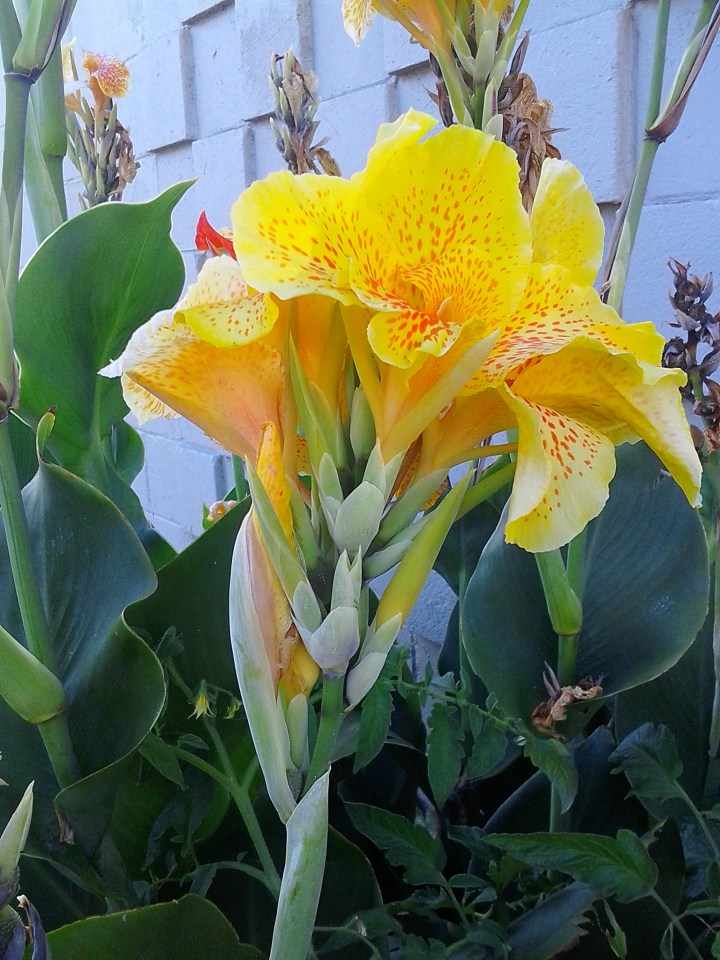
Dahlia, canna and the old fashioned big white calla are the easiest of summer bulbs. Happy dahlias can last for years, and can be divided if they get big enough. Cannas are even more reliable and more prolific. Big white callas are slow to get started, but can be difficult to contain of once they get established. However, the smaller colorful types are quite demanding, and not so reliable.

Gladiolus and the various lilies are among the most impressive of summer bulbs, but they bloom only once annually, and if not grown in ideal conditions, are unlikely to bloom more than once ever. Lilies want to be watered and fertilized regularly, and grown in rich potting medium. Gladiolus bulbs are typically planted in groups, but only a few in each group will likely regenerate after bloom.