Six on Saturday: Suburbia II

As I said last week, the Santa Clara Valley is the best place in the entire Universe for horticulture. That is where these pictures came from. Although I planted only the Ilex aquifolium of the second picture, I collected all six of these plants from various sources over the years. They have been quite happy here. I will now be taking more copies or originals of all but Ilex aquifolium.

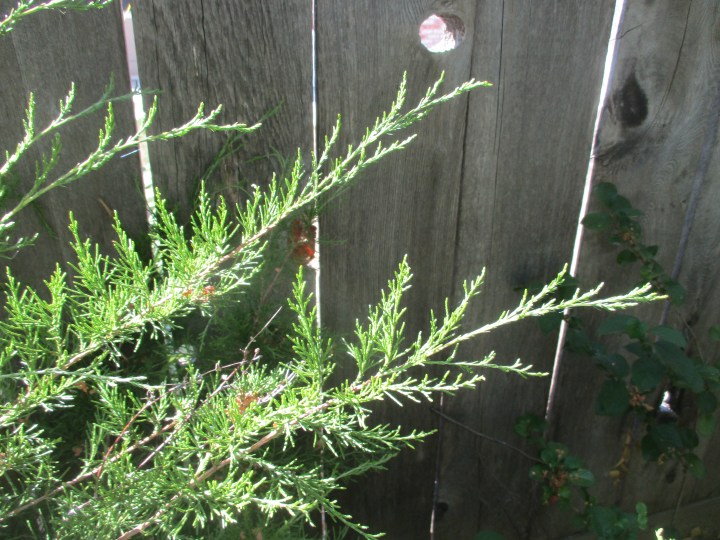
1. Juniperus virginiana – is my favorite this week. I know it is uninteresting to those who are familiar with it, but it happens to be one of only a few that I brought from Newalla in Oklahoma.P00808-1
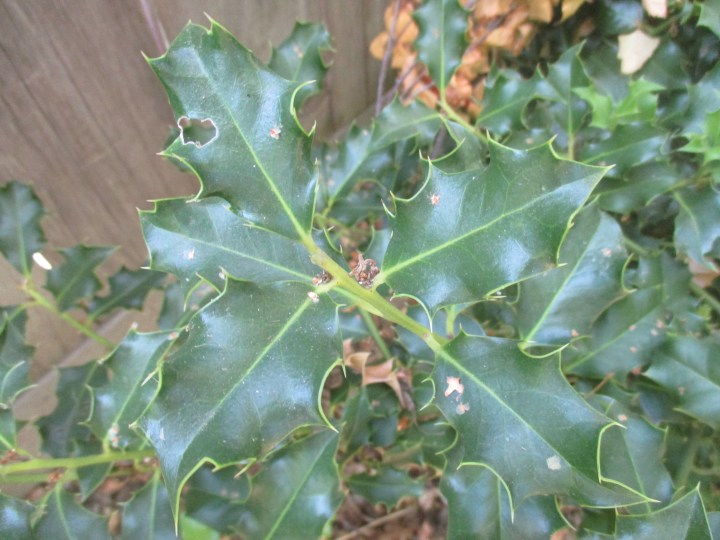
2. Ilex aquifolium – is the only one this week that I actually purchased from a nursery, while in school in San Luis Obispo in the late 1980s. It is uncommon (and unpopular) here. I still dig it.P00808-2
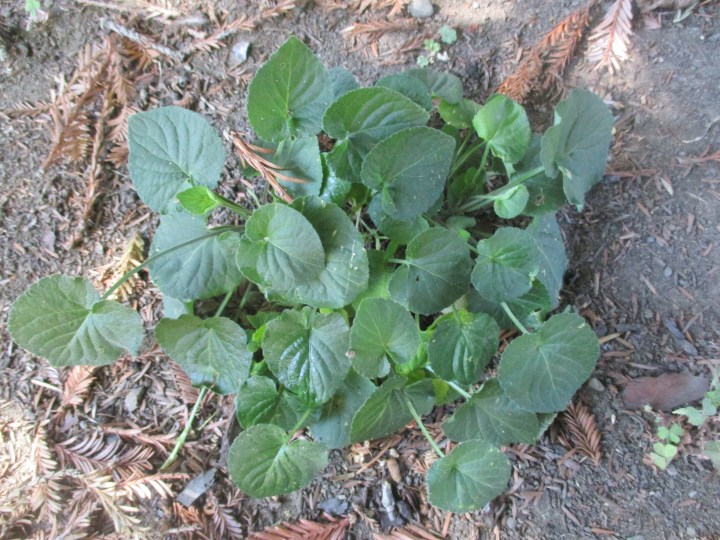
3. Viola odorata – came from Santa Clara while I was in high school. (I thought) I wanted it because it blooms white. It is not very pretty, but I can not get rid of it. Violets should be ‘violet’.P00808-3
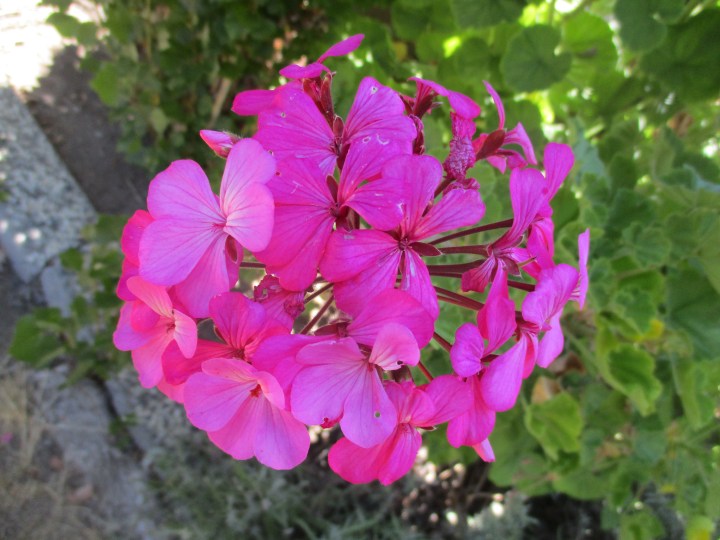
4. Pelargonium hortorum – is not the original that I found in a compost pile in Montara in about 1980, but is very likely the same ‘unimproved’ species or whatever it is. I found it downtown.P00808-4
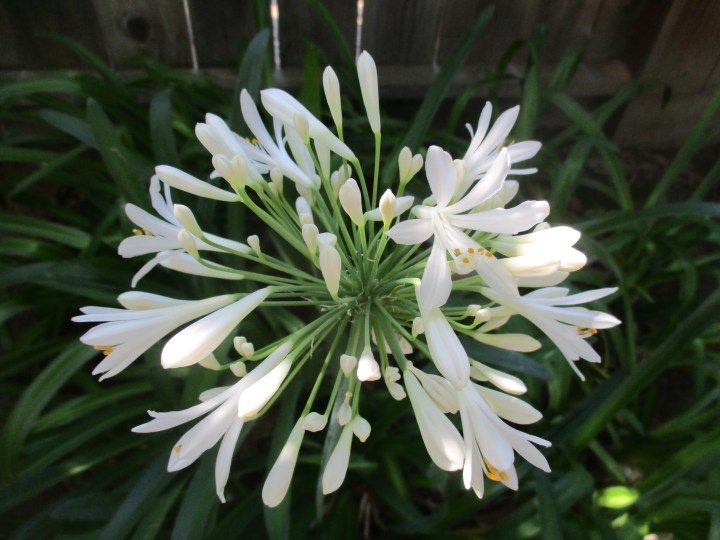
5. Agapanthus orientalis – from Watsonville in 1992, is one of my two favorite agapanthus; because it is white, but is otherwise identical to my original blue agapanthus from the late 1970s.P00808-5
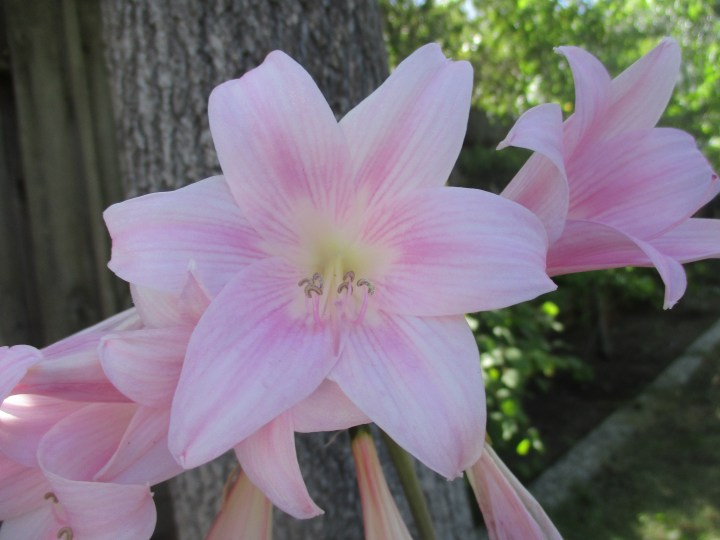
6. Amaryllis belladonna – came from Hoot Owl Creek in Oklahoma. It lived in the same garden with my Iris pallida! I know it is no more interesting that these others here, but it has history!P00808-6
This is the link for Six on Saturday, for anyone else who would like to participate:

https://thepropagatorblog.wordpress.com/2017/09/18/six-on-saturday-a-participant-guide/
Six on Saturday: Suburbia

The Santa Clara Valley is the best place in the entire Universe for horticulture. Yet, few of the nearly two million people who live there now appreciate it, or realize that some of the area was still occupied by orchards only half a century ago. These pictures are from the garden where I lived before graduating from high school, and subsequently planting the peach tree #5 in 1985. Apricots and cherries were finishes quite a while ago. Peaches will be ready soon. These are not orchard trees, but they are happy to be here.

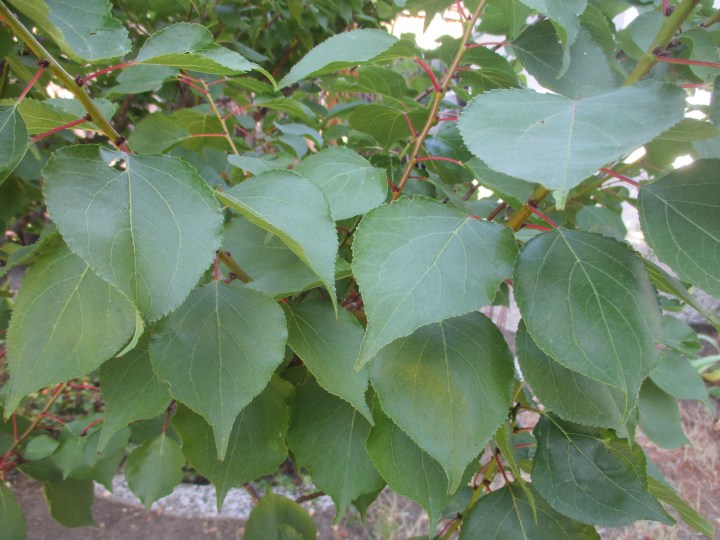
1. Garden Annie apricot – is, as the name implies, a garden variety rather than an orchard variety. With surprisingly minimal pruning, it stays compact and proportionate to a home garden.P00801-1

2. Stella cherry – is likewise a garden variety. It was selected because it is self fruitful, so does not need a pollinator. It also has stayed relatively compact and proportionate to limited space.P00801-2

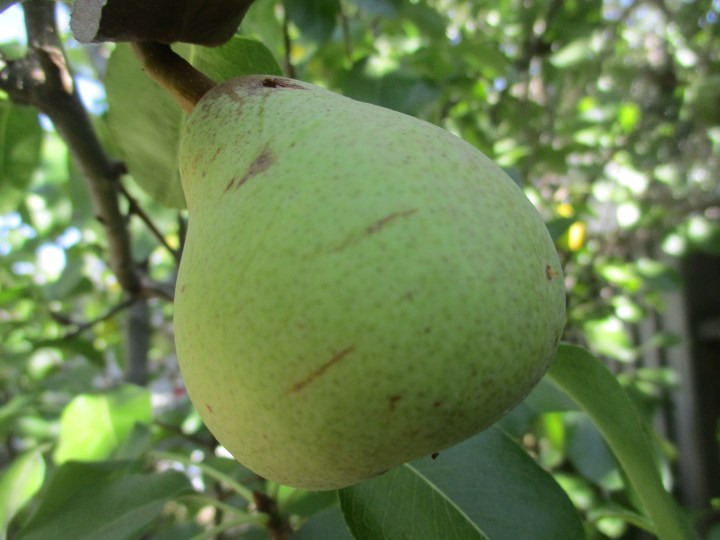
3. Anjou pear – is also known as D’Anjou or Beurre D’Anjou pear. Pears and apples were not common in the orchards of the Santa Clara Valley, but were grown in the Santa Cruz Mountains.P00801-3

4. Golden Delicious apple – is more commonly and more appropriately known as Yellow Delicious apple. It was selected as an all purpose ‘only child’ apple for baking, cooking or eating fresh.P00801-4

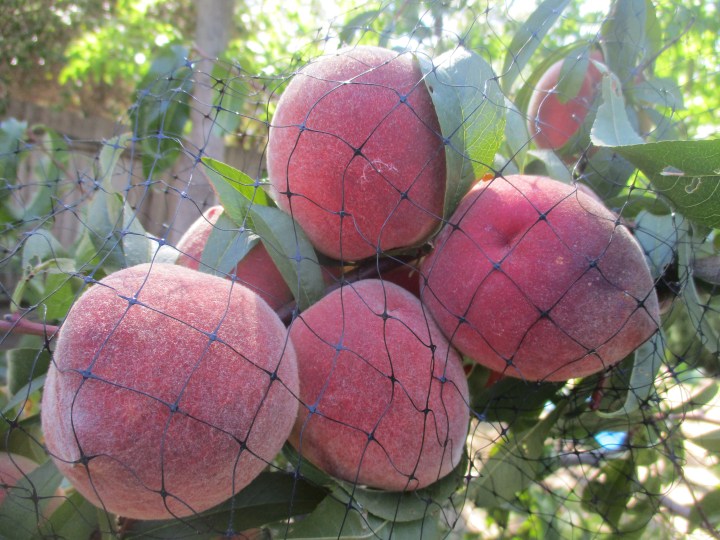
5. seed grown peach – came here from a compost pile in Santa Clara in about December of 1985. The fruit is excellent. However, after all these years, I have never been able to propagate it.P00801-5

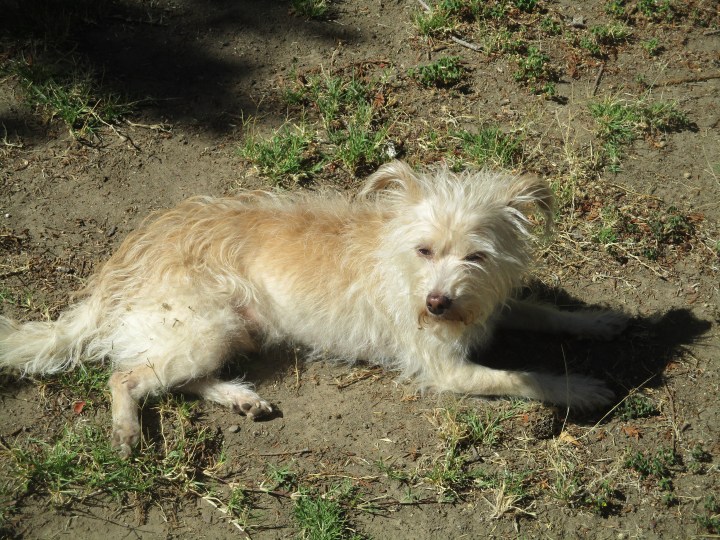
6. Rhody – performs pre-emergent weed abatement by collecting large quantities of burclover seed. He does not enjoy getting them removed from his finely textured fur afterward though.P00801-6

This is the link for Six on Saturday, for anyone else who would like to participate:

https://thepropagatorblog.wordpress.com/2017/09/18/six-on-saturday-a-participant-guide/

Six on Saturday: Nursery Schooled

Horticulture can be such a bad habit. (Where have I heard that before?) Once one learns how to grow horticultural commodities, it is difficult to stop. Pruning scraps get processed into more cuttings. Self sown seedlings get relocated instead of discarded. Extra pups (divisions) get salvaged as if the garden can accommodate more. There are several acres of landscapes here, but it is not enough for what we could grow.

1. While dividing a bunch of Morea bicolor, I found a single shoot of Morea iridioides. How did that get in there? I should have discarded it. Perhaps it will grow to become something useful.P00725-1

2. Pruning scraps of zonal geraniums got plugged as cuttings, but then did not get separated as they grew. There may be a dozen in there. They are nice, but we really do not need any more.P00725-2

3. When composting just is not good enough, plug cuttings instead. There may be a dozen Ponderosa lemon cuttings here. One is too many. They are not grafted, so will be on their own roots.P00725-3

4. Boston ivy is fortunately not as abundant as I thought it would be. We wanted four, so I plugged a hundred cuttings. It seemed to make sense at the time. Most did not survive. Plenty did.P00725-4

5. This self sown bigleaf maple is not in the nursery, but I want it to be. It should not remain where it is. I may dig and can it this autumn, as if there is a situation into which to install it later. P00725-5

6. These summer squash are not from the nursery, but from right downstairs. They are happy with all the runoff they get from above. Neighbors have been getting many pounds of squash.P00725-6

This is the link for Six on Saturday, for anyone else who would like to participate:

https://thepropagatorblog.wordpress.com/2017/09/18/six-on-saturday-a-participant-guide/
Some Edible Plants Start Out Toxic

41126thumb
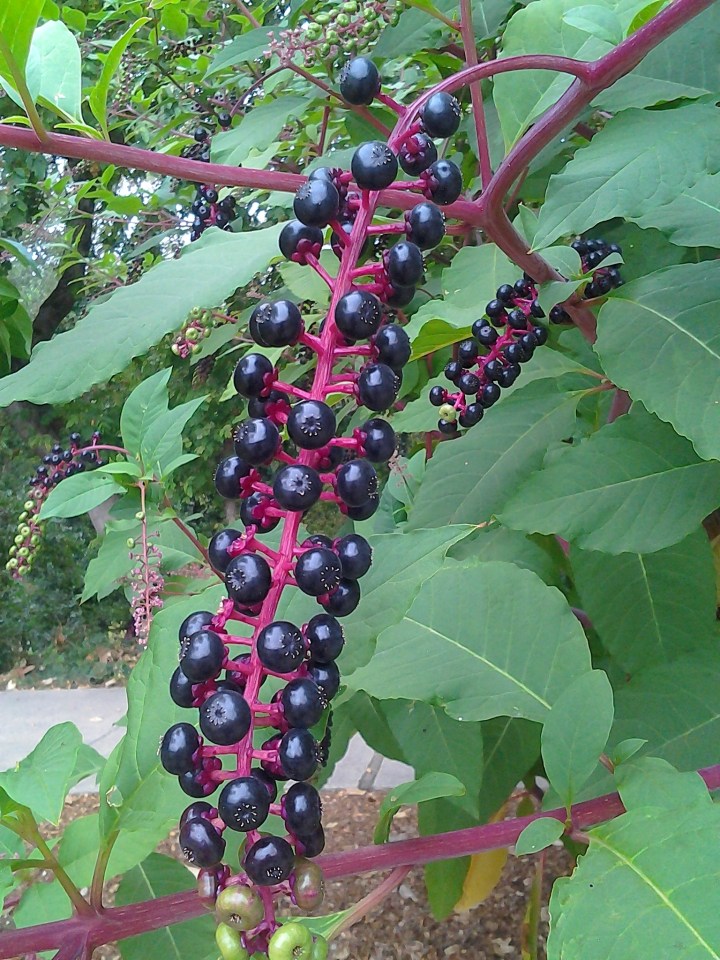
Pokeweed is both edible and toxic.

Early American settlers from Europe had a lot to learn about the plants of North America. After their first harsh winter without much food, many were eager to eat the first fresh greens of spring, which was sometimes the very poisonous jimson weed. Those who were not lethally poisoned right away might have hallucinated and told their friends that they could fly, and consequently got burned as witches.

It should be no wonder that some early Americans were hesitant to try tomatoes, which are related to jimson weed. Potatoes are also related, and their fruit, foliage and stems actually are toxic. Pokeweed (unrelated) was probably riskier, since the same young shoots that can be cooked as greens become toxic as they mature. Their poisonous berries, which were used as ink back then, look delicious.

There were other potentially dangerous edibles brought from Europe and other places as well. Rhubarb, which makes such great pies, is petioles (leaf stalks) for toxic leaves. Both American and European elderberries are slightly toxic before getting cooked into jelly or pie. Elderberry juice must be cooked and then given yeast to make wine. Figs and mulberries can be eaten right off their trees, but their sap is caustic enough to be irritating to the skin.

The seeds of apples, pears, peaches, nectarines and apricots can be toxic if too many are eaten. They are not a problem only because they are not eaten. However, apricot kernels can be roasted and eaten like almonds because the cooking process denatures the toxins. Separating the small kernels from the hard shells is much more work than it is for almonds, but they supposedly have great flavor.

Just like for apricot kernels, pokeweed and elderberries, the heat of cooking makes taro edible. The foliage can be eaten as stewed greens. The big and starchy corms (bulb-like stems) are something like potatoes. All parts of taro are toxic while raw. There are actually a few toxic plants that are edible once cooked. For a few others, it is important to know what parts are edible, and what parts are toxic.

Horridculture – Dumpster View

P00722
Location – Locations – Location

Rather than addresses, most of the guest cabins at the conference center where I work for part of the week, have delightfully horticultural names; such as Camellia, Lupine, Holly, Dogwood, Huckleberry, Strawberry and Cottonwood. Others have names that are suggestive of idyllic locations, such as Meadowbrook, Creekwood and Rustic Dell. Then, . . . there is ‘Dumpster View’.

Dumpster View is not actually a guest cabin, or a lodge, or any building that any of the guests would ever see. It is part of our maintenance shops buildings. Although large, these building are outfitted with only a few windows. The largest building has only a single window for an office. The smaller building has only four windows. Two of the windows have a view only of dumpsters.

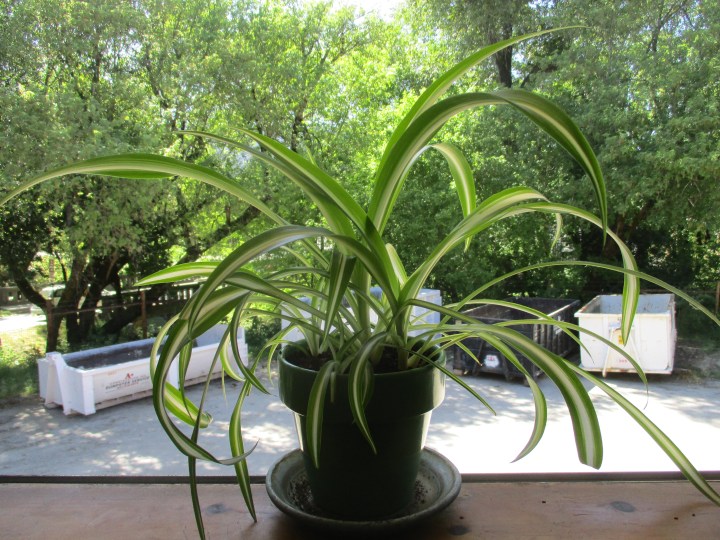
The picture above shows the view from the window in the galley. It was what I saw as I made coffee for the crew in the mornings back when we all were still working. As many as fifteen big dumpsters have congregated in that herd, right outside, beyond the spider plant. Because the area is a paved driveway with significant traffic, I can not even plant a tree to obscure the view.

No amount of houseplants bigger than the spider plant can obscure this view without becoming obtrusive. Hanging pots outside the window might detract from the outer scenery, but would require more attention than I want to devote to them. Curtains would be the most practical solution, but would get grungy in this particular situation. Besides, no one else here really notices.

Horticulture is not for everyone, and can not fix everything. No one stays in the shops buildings long enough to notice how horrid the views are anyway. We all leave to go to work in scenery that others vacation in.