Well, things did not go as planned three years ago. This grim task has yet to be completed, and there was another ‘last’ bloom.

 After decades of spectacular spring bloom, this pair of flowering cherry trees in the picture above must be removed. They have been deteriorating for a very long time. Below the limber blooming branches of the tree on the right, there is not much more than a bulky rotten trunk, one rotting limb, and a short stub of a limb that was cut back to a bit of viable twiggy growth last year. The tree to the left has only a few more viable but rotten limbs.
Through this last winter, it was finally decided that we would allow them to bloom one last time, and then replace them with a new pair of trees of the same cultivar. I will cut them down myself. I do not want anyone else to perform this unpleasant task. Nor do I want such dignified and admired trees to be cut down by anyone…
View original post 150 more words
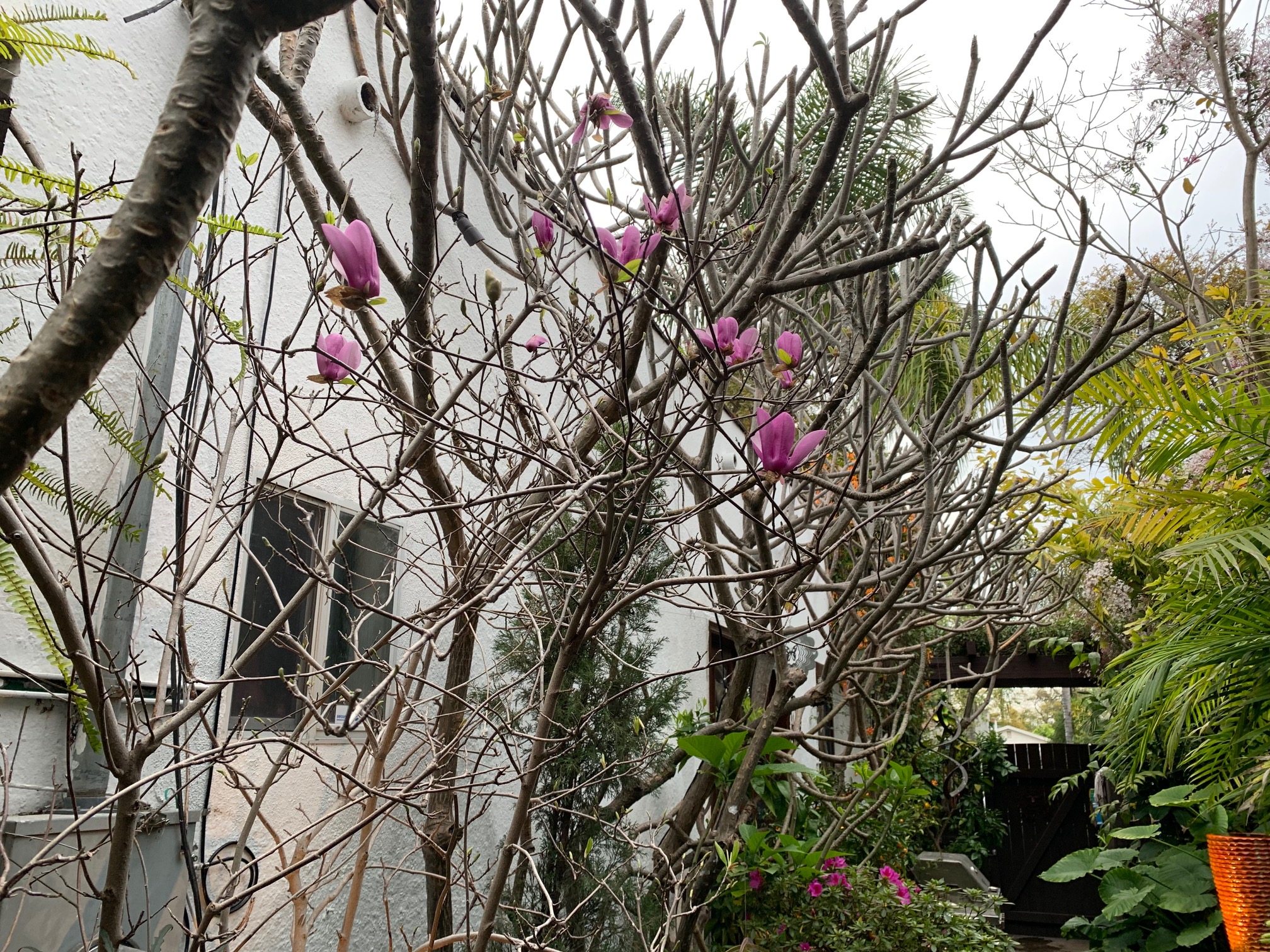 This is why one should not ask someone else who is very vain to take a picture of something important. The vain only take good selfies. Others subjects are too unimportant to them to bother getting a good picture of.
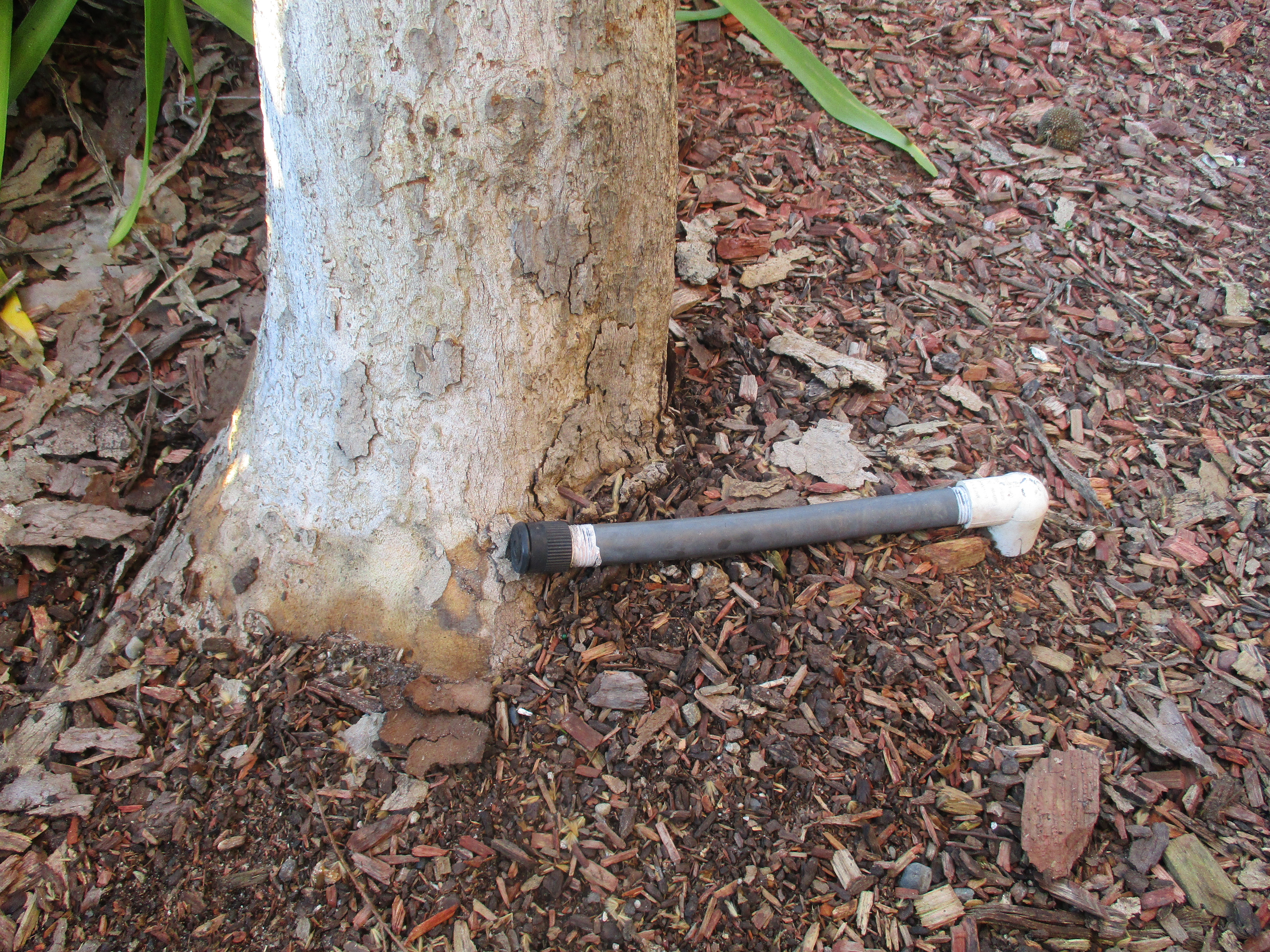 Regardless of their individual innate requirements for water, new plants need to be watered very regularly immediately after they are installed into a landscape. As they mature and disperse their roots, the regularity of supplemental watering becomes less important, and ‘drought tolerant’ plants may not need to be watered at all. Maturing larger trees generally get what they need from the landscape around them.
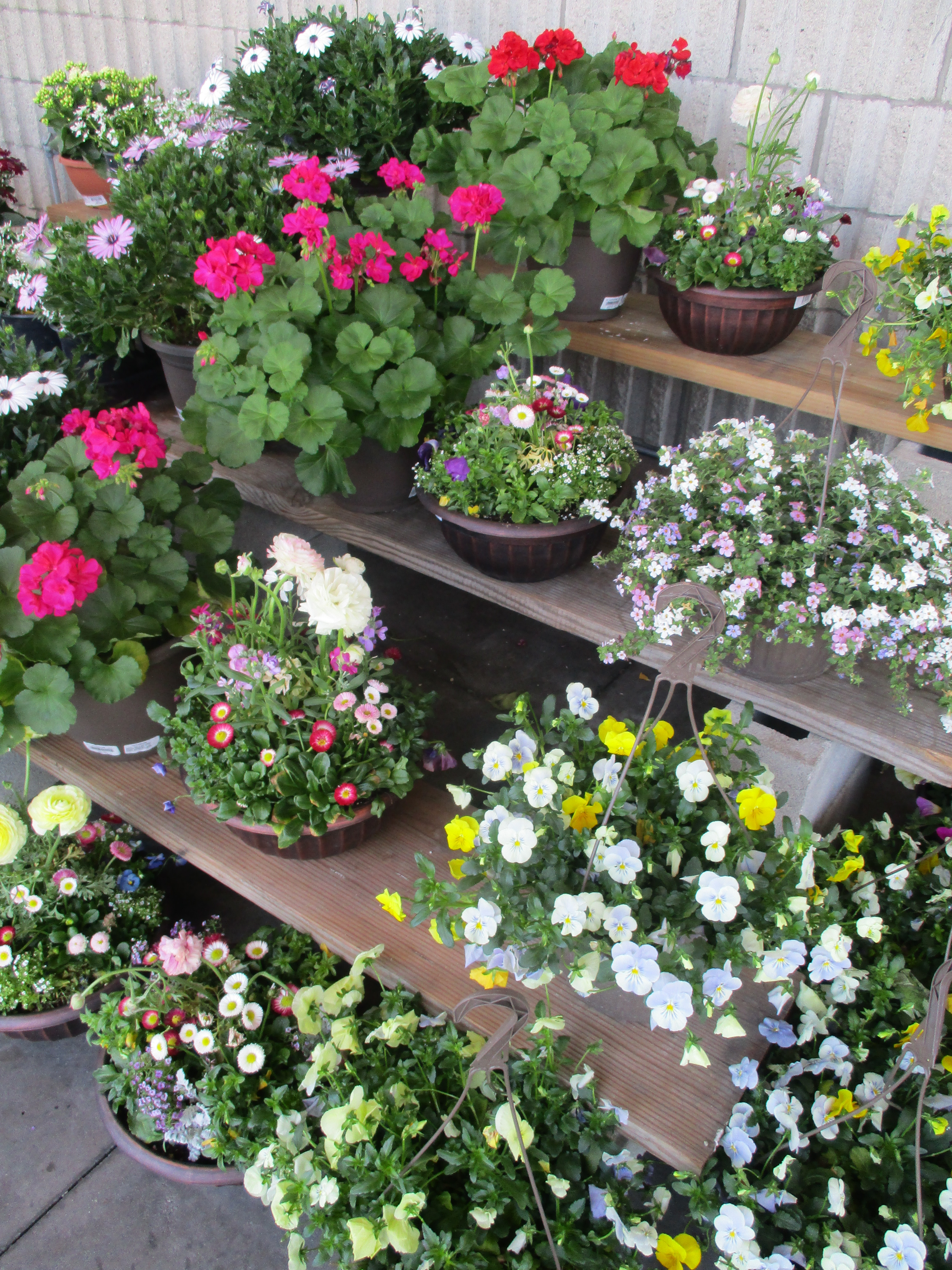 Gardening is unnatural. Yes; quite unnatural. So is landscaping. It all involves planting exotic plants from all over the World that would not otherwise be here, including many that are too extensively and unnaturally bred and hybridized to survive for long even in the natural ecosystems from which their ancestors were derived.
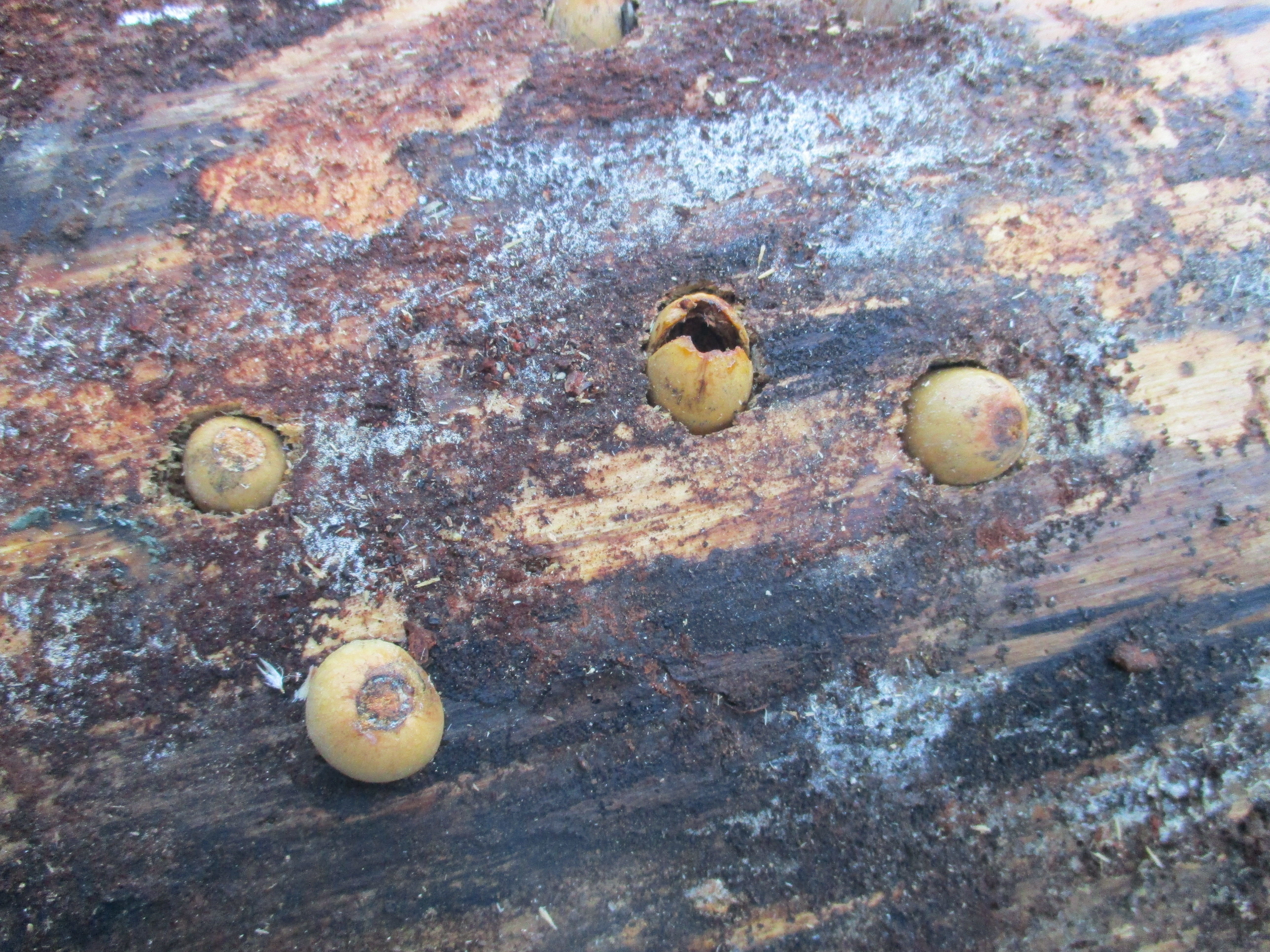 Birds do some odd things. They seem to know what they are doing. The odd things that they do make sense. Nonetheless, some of what they do out there is just plain odd.
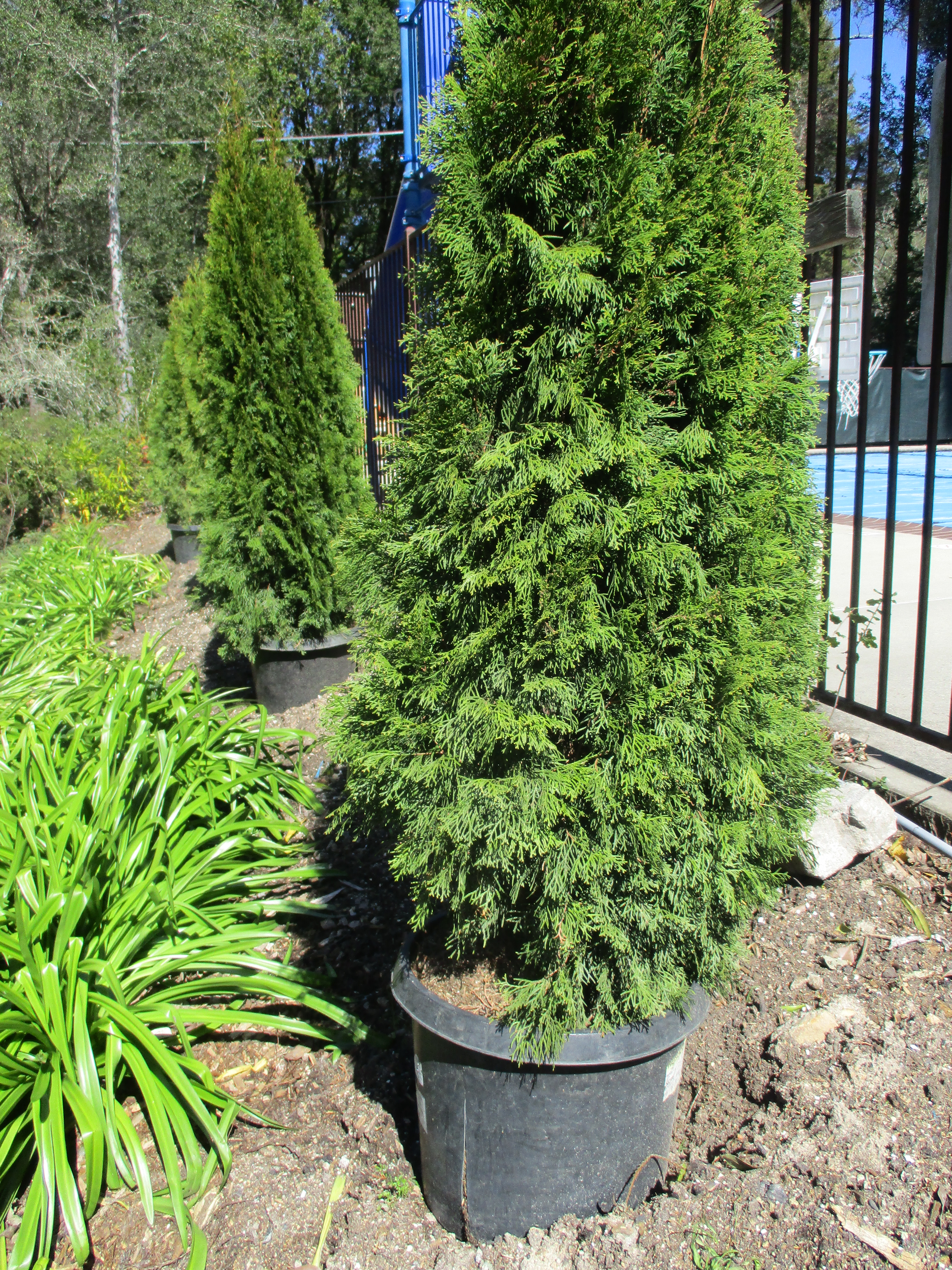 B & B, formally known as ‘balled and burlapped’ nursery stock, was expected to be the next big ‘thing’ in nursery commodities here in California back in the late 1980s. As those outside of California know, it is field grown plant material that gets dug and marketed with its roots wrapped in burlap. It was more common in other regions, so was expected to become more common here as more nursery stock was to be imported from Oregon.
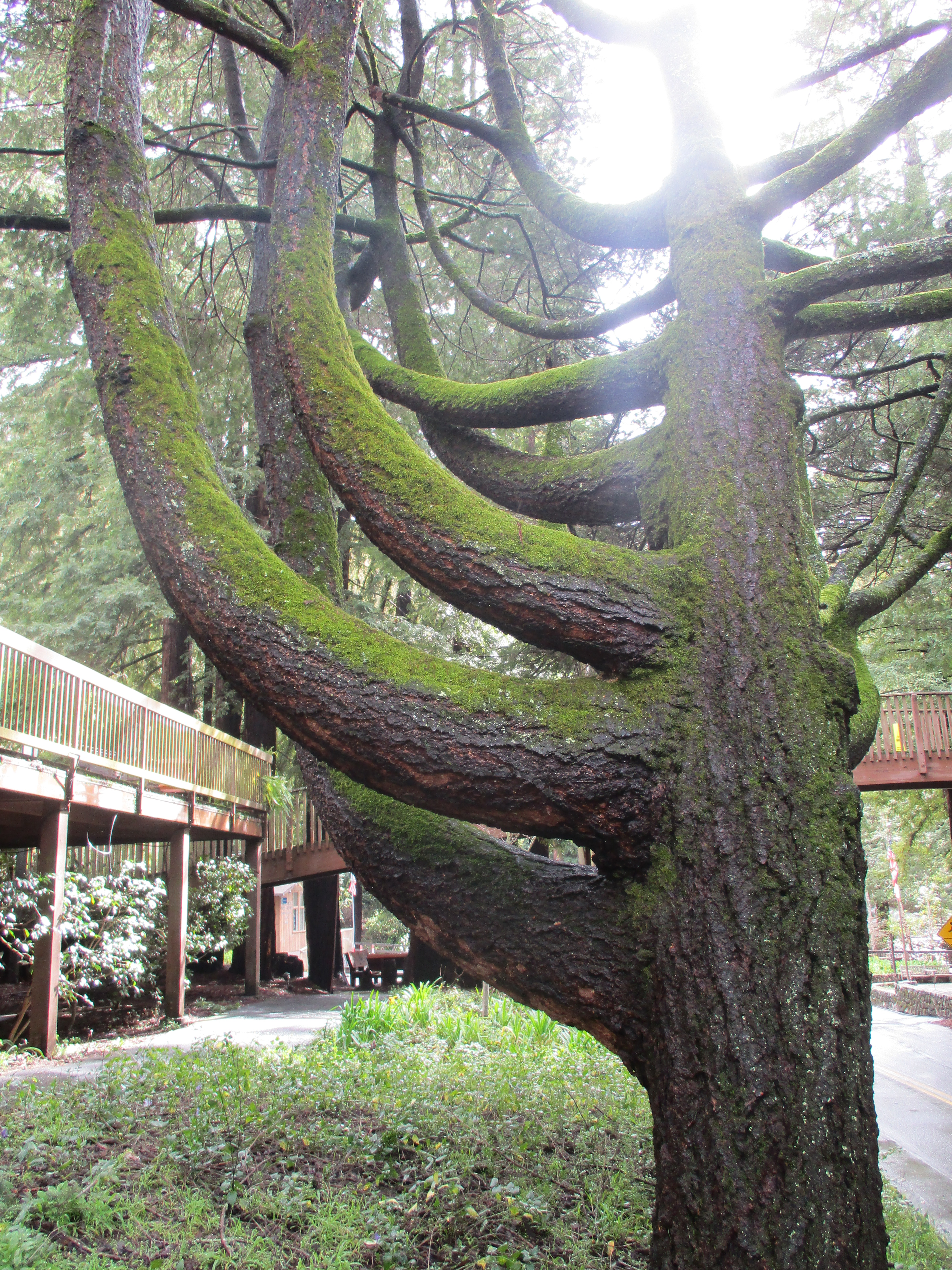 This is no common Douglas fir. It is the ‘Davey Tree’, named after the tree service that so diligently prunes it for clearance from the utility cables above. Yes, I can see as easily as you can how disfigured it is. The plan is to cut it down before it falls apart. At least that is the excuse for cutting it down. It is relatively short an stout, so is likely quite able to support its own weight, regardless of this disfigurement. We really just want it gone because it is so unsightly.
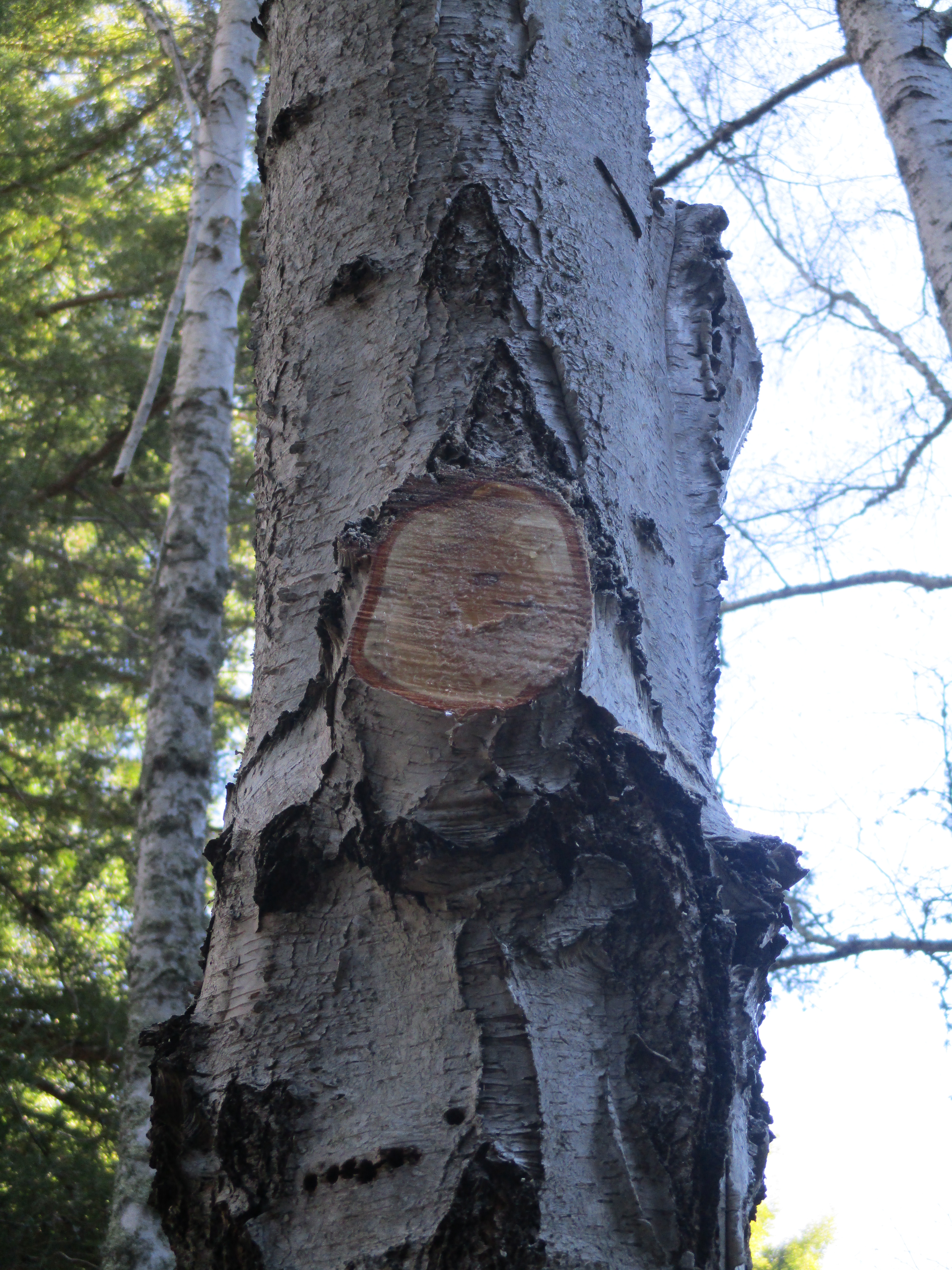 There is no sugaring season here. Spring comes on too suddenly. By the time sap starts to flow, buds are already swelling.
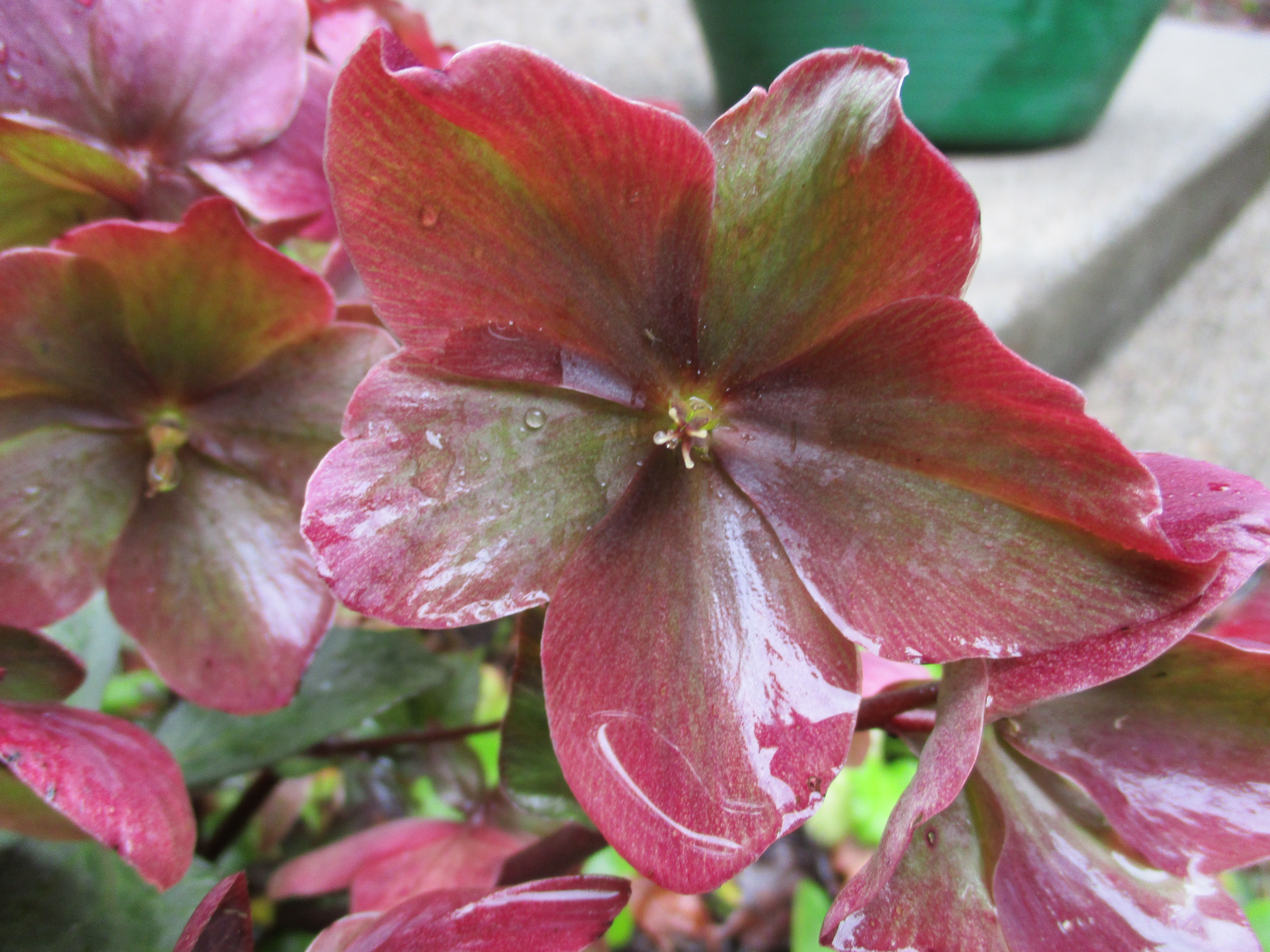 This is why I do not grow hellebores in my own garden. The specimen in the pictures above and below are about as good as they get here. Most are quite a bit worse. Some put out only one or two flowers. Some do not survive their first year in the garden.
 If California is the most excellent state in the entire Unites States of America and surrounding Universe, and Oklahoma is the second most excellent, then Oregon might be number . . . hmmm . . . fourteen or fifteen . . . or maybe like twenty or something. However, in MY (very important) opinion, Oregon is like the third most excellent state, and almost ties with Oklahoma! That makes it even slightly more excellent than Pennsylvania, Vermont and Arizona! Yes, it is THAT excellent!
 Tony Tomeo