Flowering Quince

Flowering quince blooms prior to foliation.

Flowering crabapples are the same genus as fruiting crabapples. Flowering cherries are the same genus as fruiting cherries. Flowering quince, Chaenomeles spp., though, is not the same genus as fruiting quince. Available cultivars are generally floriferous but sterile hybrids. Only four basic species produce small fruit that are good for little more than jelly.

They bloom magnificently though, on bare stems, prior to foliation. Profusion of bloom is comparable to that of flowering crabapple and flowering cherry. It begins early enough to finish before some flowering cherries begin. Flowering crabapples start even later. Floral color ranges from bright white to deep red. This includes orangish pink and orangish red.

Unlike flowering cherry trees and flowering crabapple trees, flowering quince is shrubby. The largest might grow no higher than ten feet, with irregular branch structure. Some old cultivars are thorny. Modern cultivars are more compact, shaplier and thornless. Younger trunks should methodically replace older trunks. Pruning can happen after spring bloom.

Forcing Early Bloom Even Earlier

Home interior warmth accelerates early bloom.

Some of the earliest of spring flowers are done blooming. More are just beginning. Then, a few early spring flowers barely qualify as early. Their fresh color is especially pleasing after such an atypically wintry winter. Many are delightful cut flowers. A few that bloom on bare deciduous stems are conducive to forcing. Even the earliest bloom could be earlier.

Bare stems are simpler and less wasteful to force to bloom than bulbs and potted plants. Most bulbs and some potted plants do not survive long after forcing. Dormant deciduous plants easily replace a few forceable stems. Forcing such stems is as simple as bringing cut flowers into a home. The difference is that it is premature, immediately prior to bloom.

Flower buds on dormant deciduous stems begin to swell during warming spring weather. Such stems are ready for forcing when these floral buds are about to pop open. Ideally, a bit of floral color should be visible through some of the bud scales. A few flowers may be blooming. Collective bloom accelerates within the warmth of a home interior after cutting.

Flowering but fruitless counterparts of popular fruit trees are some of the best for forcing. These include but are not limited to flowering cherry, plum, apricot and other stone fruits. Flowering pomme fruit trees, such as quince, crabapple and pear are almost as popular. Related fruiting stone and pome fruit trees are as conducive to forcing, but not as garish.

Of course, there is nothing wrong with simpler bloom. Some fancy flowering cherry trees bloom with single white flowers like fruiting cherries. However, cutting stems from fruiting trees decreases fruit production. With a bit of planning, dormant pruning can allow a few undesirable stems to remain. These stems are then available for cutting and forcing later.

Witch hazel cultivars are exemplary for forcing, but are done blooming. Flowering quince and forsythia are now finishing within most climates. Redbud, lilac, wisteria and perhaps weigela are still conducive to forcing. Dogwood and deciduous magnolia can perform as well if humidity is not too minimal. So should some acacias, although their fragrance and pollen may be distasteful.

Memorial Tree Update – March 22, 2020

Perhaps it is inappropriate to recycle an ‘update’ of any sort. Obviously, it is outdated. I find it to be a delightful reminder of progress though.

tonytomeo's avatarTony Tomeo

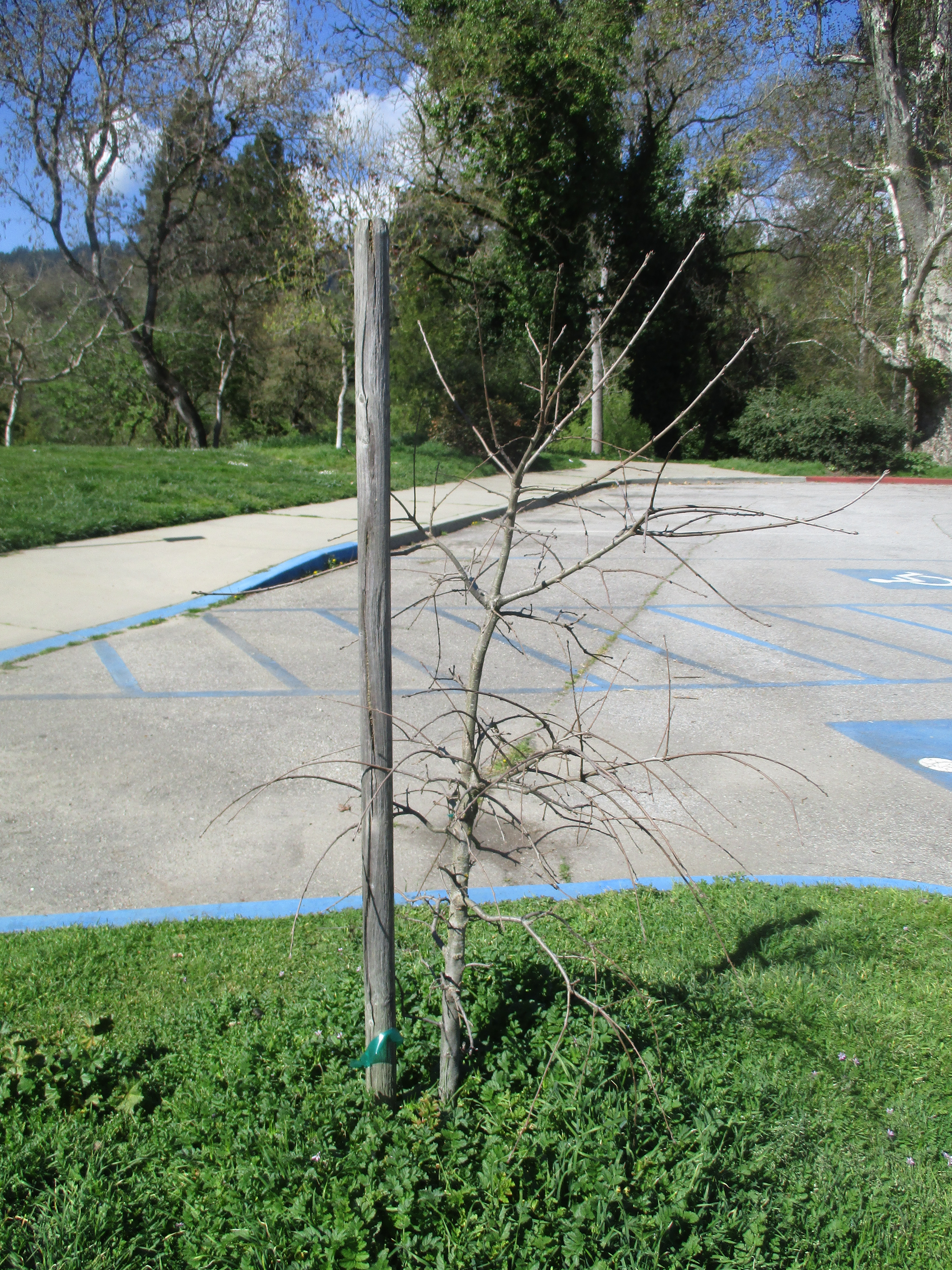
P00322-1 Memorial Tree – Before

Updates get complicated as they link back to previous updates to previous updates to previous updates and so on. Linking and reblogging from another blog adds more complication. The last update for the Memorial Tree was reblogged from Felton League on August 10. It and previous updates should link back to preceding updates chronologically. At least it sounds simple.

Another brief update that will reblog here from Felton League at noon will describe more of the social significance of the Memorial Tree rather than horticultural concerns. It really is special.

This little Memorial Tree has certainly been through some difficult times. Despite reassurances that it would not happen again, and that the tree would be outfitted with an ‘approved’ trunk guard, the trunk base has been gouged by weed whackers on more occasions than I can remember. That is an unfortunate consequence of efficient but unaware…

View original post 222 more words

Poppy And Periwinkle

Goodness, I neglected to post updates on this garden. It did not produce much, but it produced more zucchini that we knew what to do with. We left it for neighbors at the Post Office.

tonytomeo's avatarTony Tomeo

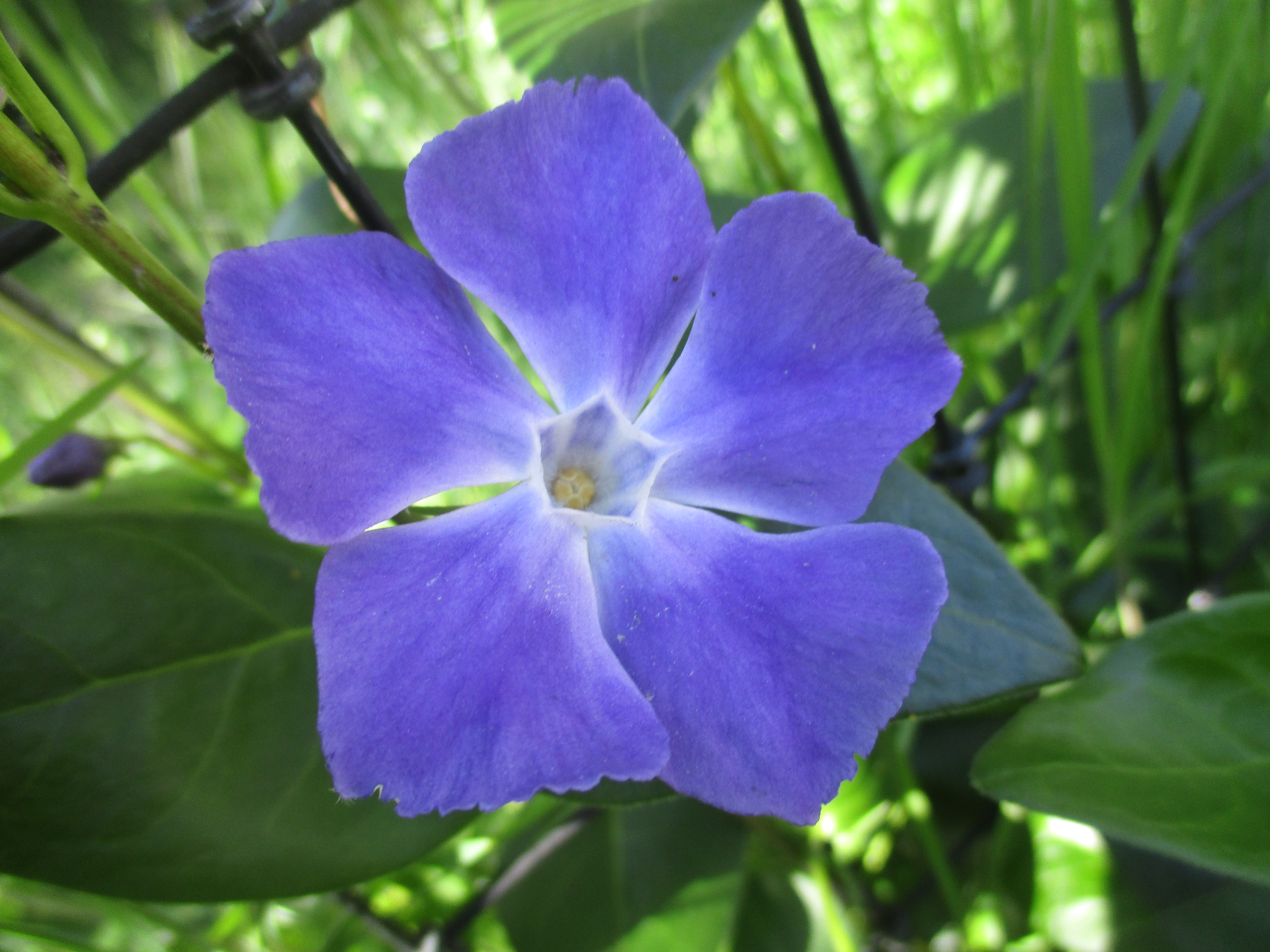
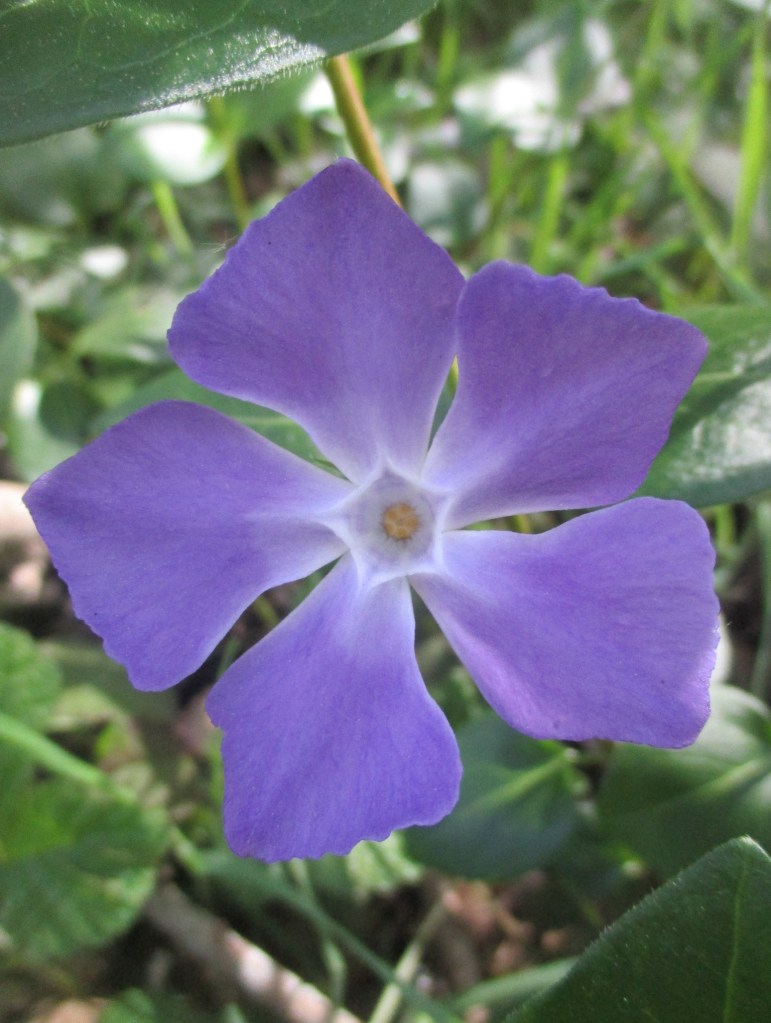
P00321-1 Even though I know they are slightly purplish, periwinkle look blue to me.

Clearing space for a new small vegetable garden is more work than it will be worth. It took more than a day to remove the thicket of bramble from a triangular area that is only about forty feet from front to back, and not much more than twenty feet wide. After so many years of getting trash dumped on top of them, the brambles were unusually prolific with gnarly root burls.

There is still significant work to do. I still need to condition the soil and groom the adjacent junipers before sowing seed for the warm season vegetables for this summer. Now that I can see that the junipers that were formerly concealed by brambles are worthy of salvage and grooming, I will need to clear a bit more garden space across the road, and cut back…

View original post 196 more words

Six on Saturday: Lenten Rose?!

Lenten rose does not perform well here. Perhaps it prefers more of a chill during winter. Perhaps it prefers more humidity. I do not know. Some were added to the landscapes at work sometime in the past, and naturalized. Because no one knows when this happened, it is impossible to know which if any are original, and which are naturalized feral plants. Until recently, only one specimen bloomed unexplainably well annually. Now, after very unusually wintry weather, Lenten rose is performing unusually well. Although not quite as impressive as it is in other climates, we are impressed locally. These pictures are more than a week old, but are still relevant, since the Lenten rose continues to bloom. I do not know what to expect. They never performed like this before.

1. Helleborus argutifolius, Corsican hellebore is the only simple species of Helleborus in the landscapes here. All the others are simple Lenten rose hybrids or their feral progeny.

2. Helleborus X hybridus, Lenten rose typically does not perform well here. The climate is likely too mild. This specimen, which is likely feral, performs unusually well annually.

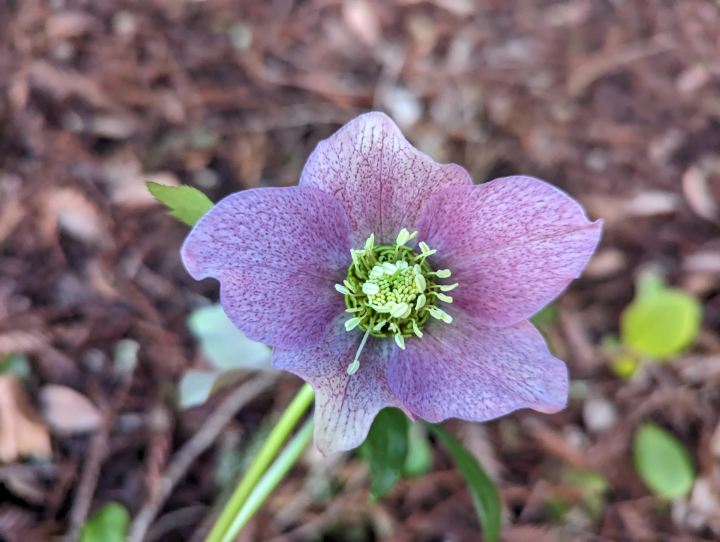
3. Grayish lavender seems to be the most common color here. Lenten rose is performing unusually well this season. Perhaps they appreciated the unusually cool wintry weather.

4. Darker grayish purple is not as common here. Regardless of this unusually impressive bloom, hellebore are still prettier in pictures from other climates of more wintry winters.

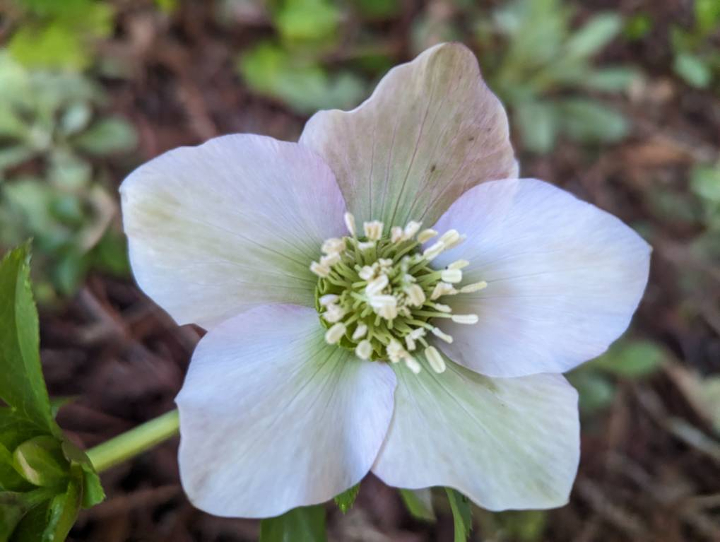
5. White, of course, is my favorite. Only two bloom convincingly white, but the other is a bit spotty and blushed. I might have split a few copies if they typically bloomed this well.

6. Rhody does not cooperate for pictures. If I remember correctly, this picture was taken immediately prior to the picture from last week with his tongue out. It could be cropped.

This is the link for Six on Saturday, for anyone else who would like to participate: https://thepropagatorblog.wordpress.com/2017/09/18/six-on-saturday-a-participant-guide/

Sage

Some cultivars of culinary sage are more colorful for home gardens.

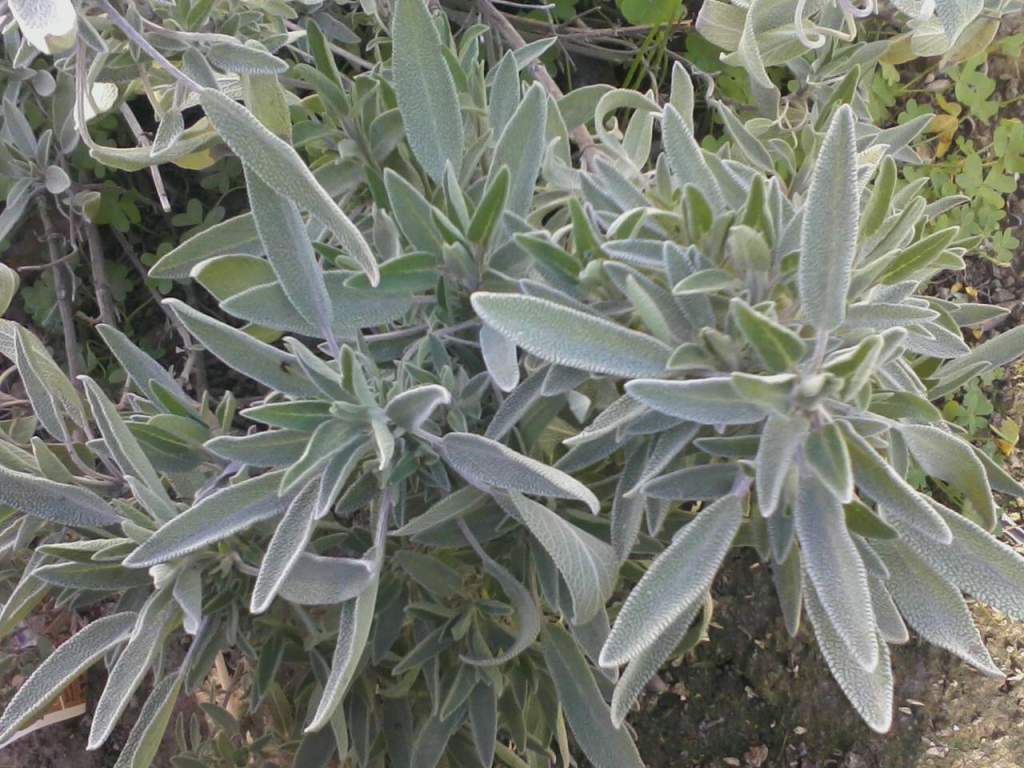
The sage that is most popularly grown for herbal and culinary uses (Salvia officinalis) is originally from the Mediterranean region, so is right at home in much of California. Like the various lavenders and some of the other related herbs, it is a shrubby perennial that behaves like a woody shrub, but lives only a few years like some perennials. Lower stems can be layered (buried where they touch the ground so that they form roots and grow into new plants) to replace older plants before they die.

Modern cultivars are quite variable with purplish, pink, pale yellow or pale white coloration or variegation to new foliage, as well as lower growth habit. The original sage gets almost two feet tall and broad, with very aromatic gray foliage.  The narrowly oblong leaves are nearly two and a half inches long and one inch wide. The flowers that bloom in late spring or summer are typically pale blue, but can be purple, pink or white.

Culinary Herbs With Landscape Appeal

Rosemary is more common in common landscapes than within dedicated herb gardens.

Because of the unusually mild weather this past winter, many plants are waking up from winter dormancy early. The shrubby herbs like sage, rosemary, lavender and tarragon are already outfitted with fresh new foliage that will soon obscure the foliage that lingered through winter. Those that have not yet bloomed may do so sooner than expected.

New herb plants can be added to the garden any time now. Even if rain resumes (or actually ‘starts’), there should not be enough to cause new plants to rot, particularly since the warming weather will keep plants growing faster than the root rot that can kill them through cool and damp winter weather. Sage, tarragon, marjoram, mint and thyme are easier to grow from small plants. Dill, cilantro and basil are easier to grow from seed sown directly into the garden. Oregano, fennel and chives can be grown by either means.

Many of the woody herbs, like rosemary and the many varieties of lavender, are commonly used in landscaping, so can be found in even the most basic nurseries that do not feature a selection of other herbs. Because almost all herbs have sensitive root systems, they should be planted while small. The smaller 1 gallon plants are easier to grow (as well as less expensive) than the larger 5 gallon plants are. However, sweet bay is an exception that does not mind being planted as a 5 gallon or even larger tree where it needs to look mature now, even if only a few leaves get used in the kitchen. Low growing rosemary is a common ground cover. Upright varieties can be shorn into small hedges. Thyme makes a nice small scale ground cover between stepping stones, where it shares its fragrance when stepped on.

Chives, oregano, parsley, mint and thyme are not often marketed as common landscape stock, but are visually appealing enough to appear in the landscape. Herbs that are not so visually appealing can be planted in a separate herb garden, among vegetables in a vegetable garden, or simply out of the way. Basil, cilantro, tarragon, dill, sage and marjoram can be too unkempt at times. Basil and cilantro look good most of the time, but then get harvested in large enough quantities to leave bald spots. Fennel can be a striking foliage plant for a while as long as no one minds that it will eventually get harvested.

Horridculture – Red Hot Chili Peppers

Well, this does sort of cause me to consider my bad habit of growing all those Canna that I have no use for.

tonytomeo's avatarTony Tomeo

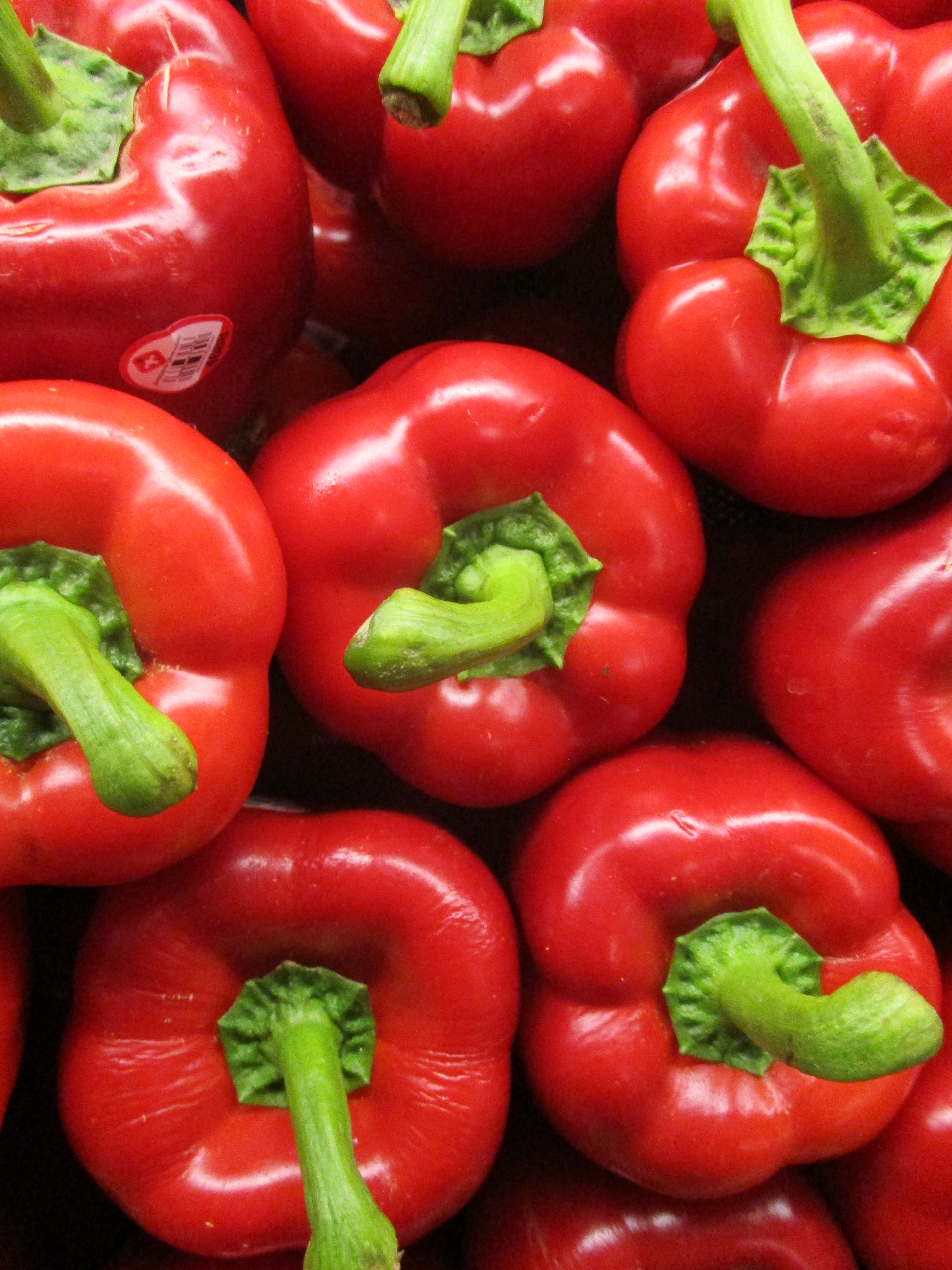
00325thumb Sweet bell peppers are actually more of a challenge to grow.

This illustration is relevant neither to the topic, nor to that really creepy rock band of the same name. Even though the band has been popular since I was in high school, all that I know about them is that I am none too keen on their music. Embarrassingly, I do not know much more about the topic, and it has been a hot topic much longer than I have been growing my vegetables.

Vegetables make no music of course. I just mean that I am no more familiar with contemporary cultivars of hot pepper than I am with music that I do not appreciate. I happen to appreciate some types of peppers, and some of them happen to be hot peppers. However, I have not bothered to get acquainted with those that are so ridiculously hot that I…

View original post 161 more words

Douglas Iris

Douglas iris can interfere with grazing.

California poppy, sky lupine and many favorite coastal wildflowers are annuals. Douglas iris, Iris douglasiana, blooms with the best of them as a perennial. It is persistent enough to be a noxious weed within rangelands. Of course, that is only because it competes with forageable vegetation. Douglas iris is actually tame enough for cultivated home gardens.

Douglas iris bloom is mostly the color of faded blue denim. It can alternatively be slightly richer lavender blue or very pale bluish white. Purple with yellow centers is rare. Flowers stand only about a foot to a foot and a half tall. Their deep green foliage is about as high. Individual leaves are narrow and arching. New leaves displace deteriorating old leaves.

Wild Douglas iris colonies can be impressively expansive. They generally mingle nicely with other low vegetation and wildflowers. With occasional irrigation, they can get dense enough to exclude most other vegetation. However, such colonies are not evenly dense, so develop bare zones. They crave good sun exposure, but tolerate a slight bit of shade. Excessive fertilizer might inhibit bloom. Excessively frequent or generous irrigation might cause rot.

Weeding Before Weeds Start Seeding

Some cultivated species can become weeds.

Weeds are weeds simply because they grow so aggressively where they do not belong. They begin before the weather gets warm enough for desirable plants to grow. Some are already blooming and dispersing seed. This is why weeding is presently very important. Weeds innately compete with desirable vegetation for space, water and other resources.

Weeding should ideally eliminate target weeds before they disperse seed. Some weeds are sneaky. They bloom and disperse seed while young and seemingly innocent. Some conceal their bloom and seed with their lush foliage. They seem to know to do so during rainy weather that discourages weeding. They effectively provide their own replacement.

Some weeds regenerate vegetatively. They grow from stolons, rhizomes, bulbs, corms or other dromant storage structures. Many of these structures were dormant through winter. Some were dormant even longer. They are aware that winter is becoming spring, so now begin to grow. As they do, they generate more of the same structures, perhaps with seed.

Weeding is easiest as soon as weeds are big enough to grip. Their young roots separate easily from their soil before more thorough dispersion. Also, their soil remains thoroughly damp and soft from winter rain. However, it may be easier to eliminate a profusion of tiny seedlings by tilling. Weeding bulkier weeds, such as pampas grass, can involve digging.

Only a few weeds are woody vines, shrubs or trees. More weeds are perennial. The vast majority of weeds are annual. Regardless, the most substantial weeds are woody. Some can regenerate persistently from their stumps. Therefore, weeding of such weeds should involve removal of their entire stumps. It is important to dig rather than cut oak seedlings.

Few native species proliferate undesirably. Therefore, most weeds are exotic. Most were originally desirable, but naturalized. English daisy, periwinkle, pampas grass and broom were formerly popular flowers. Blue gum eucalyptus formerly provided wood pulp. Other weeds formerly grew as vegetables, fruits or grain. Many weeds were once forage crops.