
Plants could not proliferate as they do if they were as unintelligent as they seem to be. Actually, much of their activity would be considered quite ingenious if it could be observed in a more ‘human’ perspective. From their exploitation of pollinators to their aggressive tactics for competition with other plants, the behavior of plants is obviously very deliberate and purposeful.
Because they are so reliant on the weather, pollinators and so many other environmental factors, the life cycles of plants are on strict schedules. They must also adapt to diseases and all sorts of other pathogens. Fires and grazing animals are problems for many, but advantages to most.
Most seeds develop during summer and autumn. When they fall to the ground, they need to know to delay germination until spring to avoid frost and the likelihood of getting eaten. Seeds of many plants, particularly those from more severe climates, germinate only after being ‘stratified’ by a specific duration of cold weather. Such seeds need to be artificially stratified by refrigeration in order to germinate any differently from their natural schedule, or where winters are not sufficiently cold.
Many seeds require ‘scarification’ by digestion by animals that naturally eat them, or by the quick heat of a wildfire, to break or soften a hard outer coating that otherwise inhibits germination. Seeds that need to be digested actually rely on animals for distribution. Seed that need heat want to be the first to regenerate after a wildfire, before competing plants recover.
Goldenrain tree, and many maples and pines produce so many seeds that even if less than one percent germinate in the garden, they seem to be prolific. However, for more reliable germination of a majority of seeds, they should be scarified. The seeds of many pines that crave fire can be heated briefly in an already hot oven to simulate fire, just enough to heat the seed coat without roasting the seeds. Some people actually prefer to spread them on a piece of paper, and then burn the paper. Seeds that only need their hard outer coating to be damaged slightly might need only to be sanded lightly on sandpaper. I actually prefer to rub my canna or Heavenly bamboo (nandina) seeds on a brick or bit of sandstone.

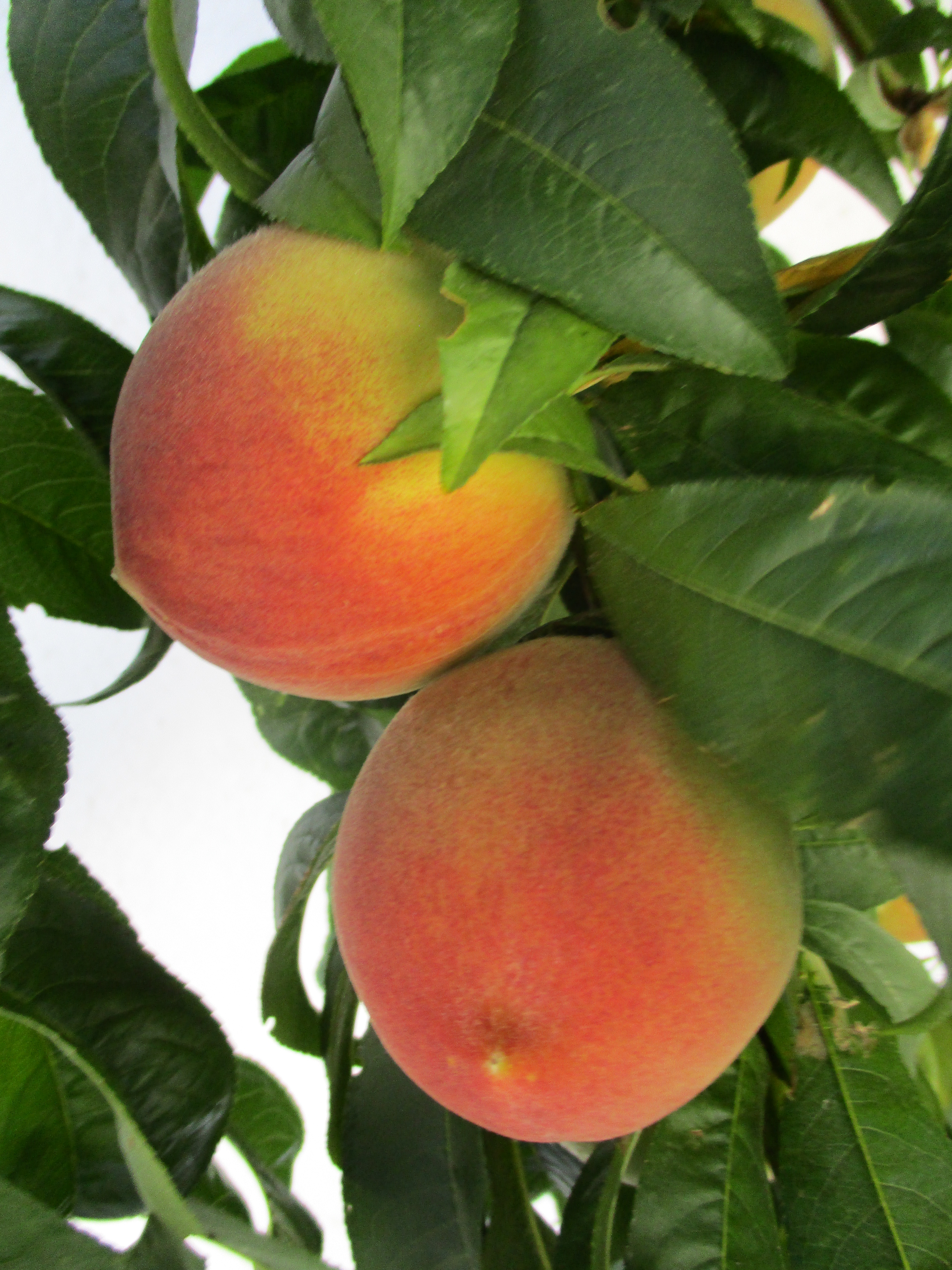 Growing fruit trees is quite a bit of work. While producing, some of the fruit trees need nearly as much attention as annual vegetable plants in the vegetable garden. Then, while dormant, they need meticulous and specialized pruning. Some fruit trees get damaged by insect or disease infestation, or severe weather. Some fruit can get taken by wildlife. Yet, for most of us, the reward of fresh fruit is worth all the hard work that goes into growing it.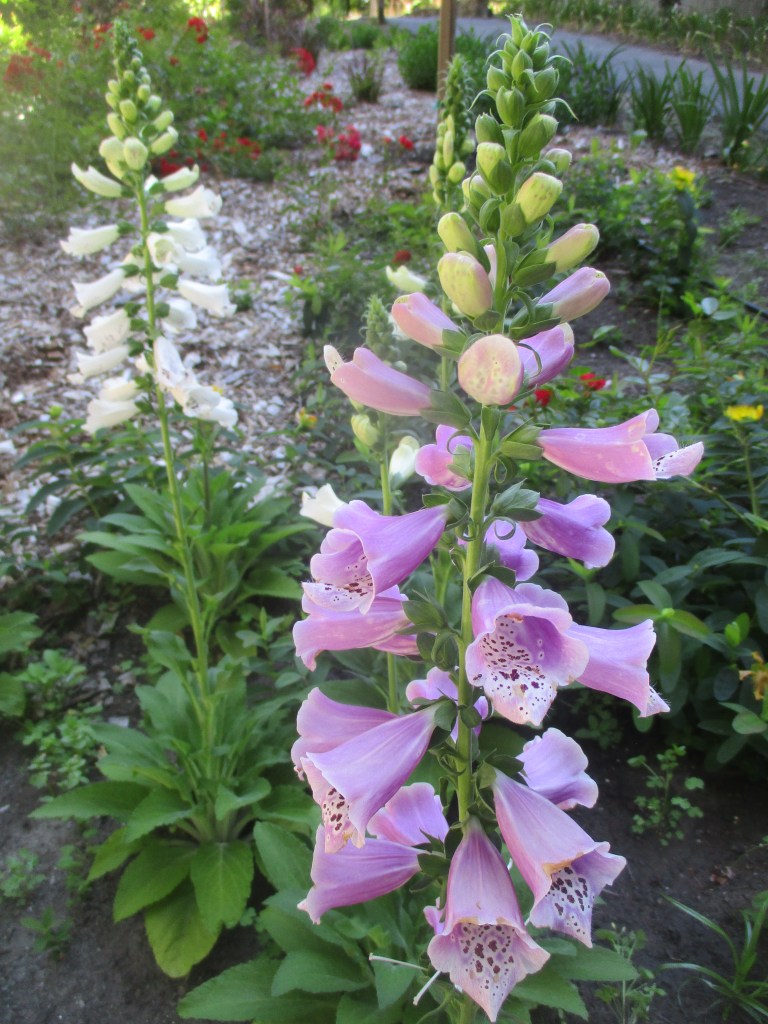

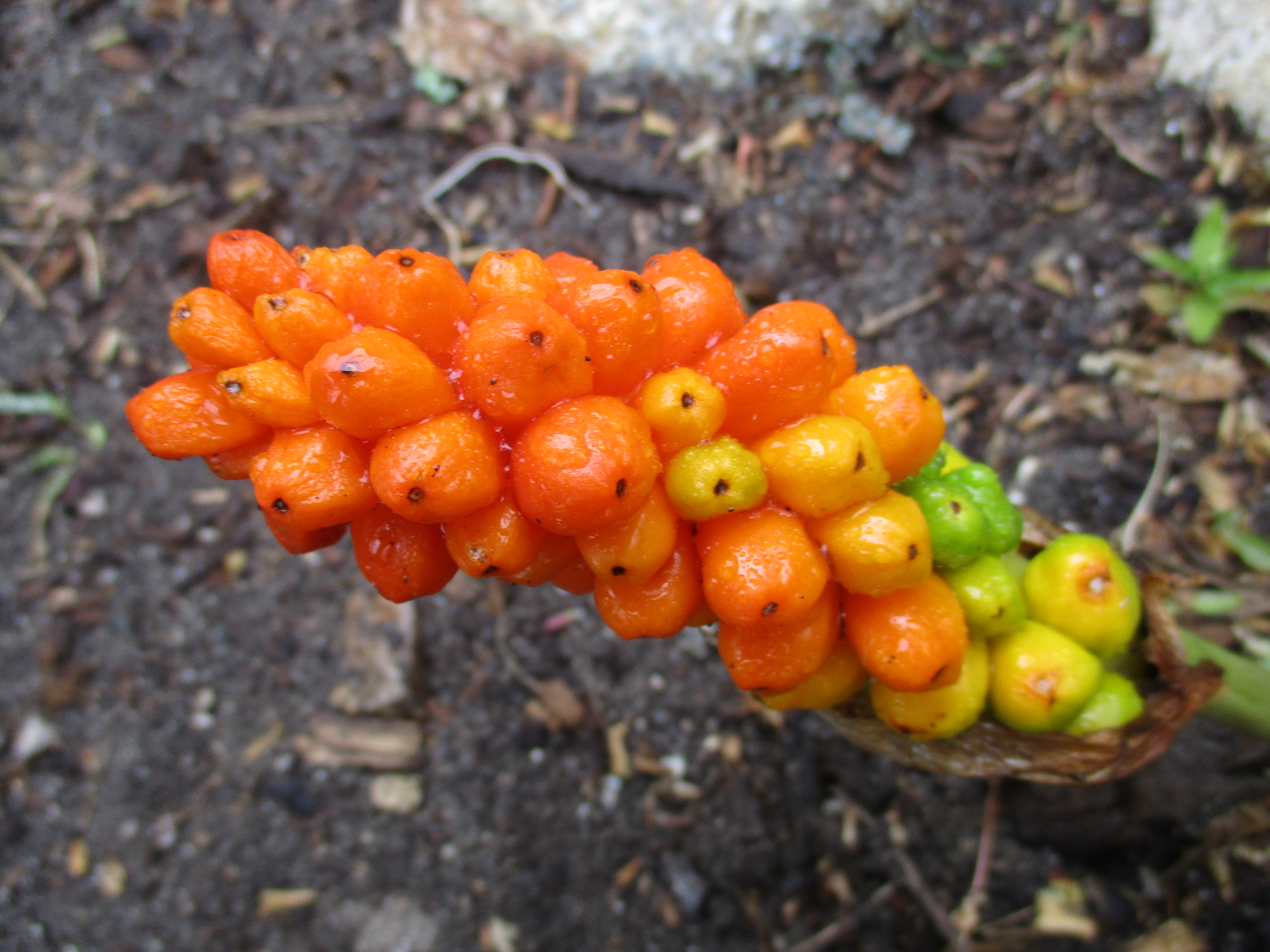 Just a short distance from the
 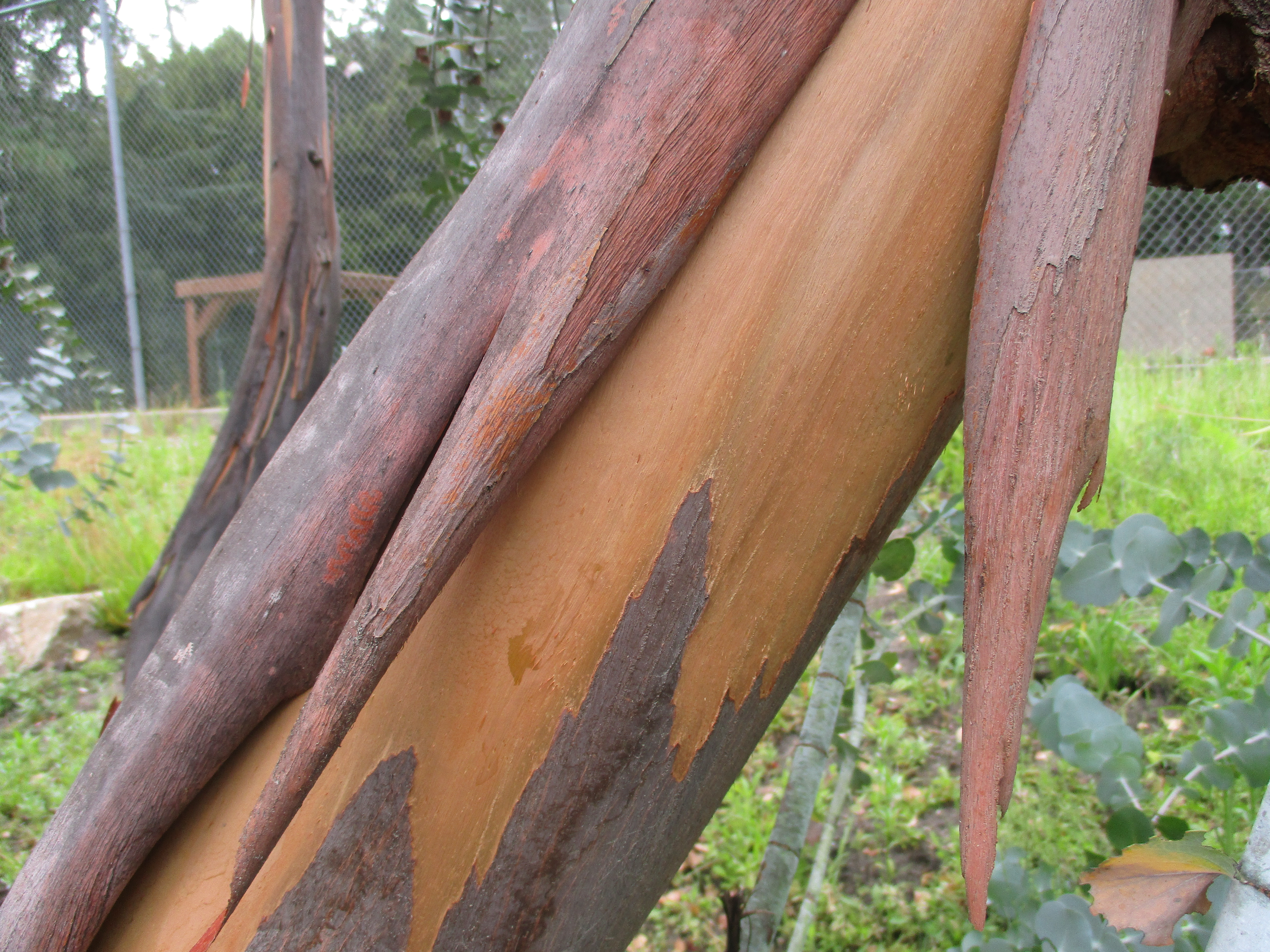 Because redwoods live for centuries, their bark gets very thick. They do not shed their bark as they grow. Old giant redwoods in the Sierra Nevada have bark that is a few feet thick and thousands of years old. Their bark is thicker than the trunks of what most of us consider to be large trees! Even much younger coastal redwoods that have regenerated here since clear cut harvesting about a century ago have bark that is a few inches thick.




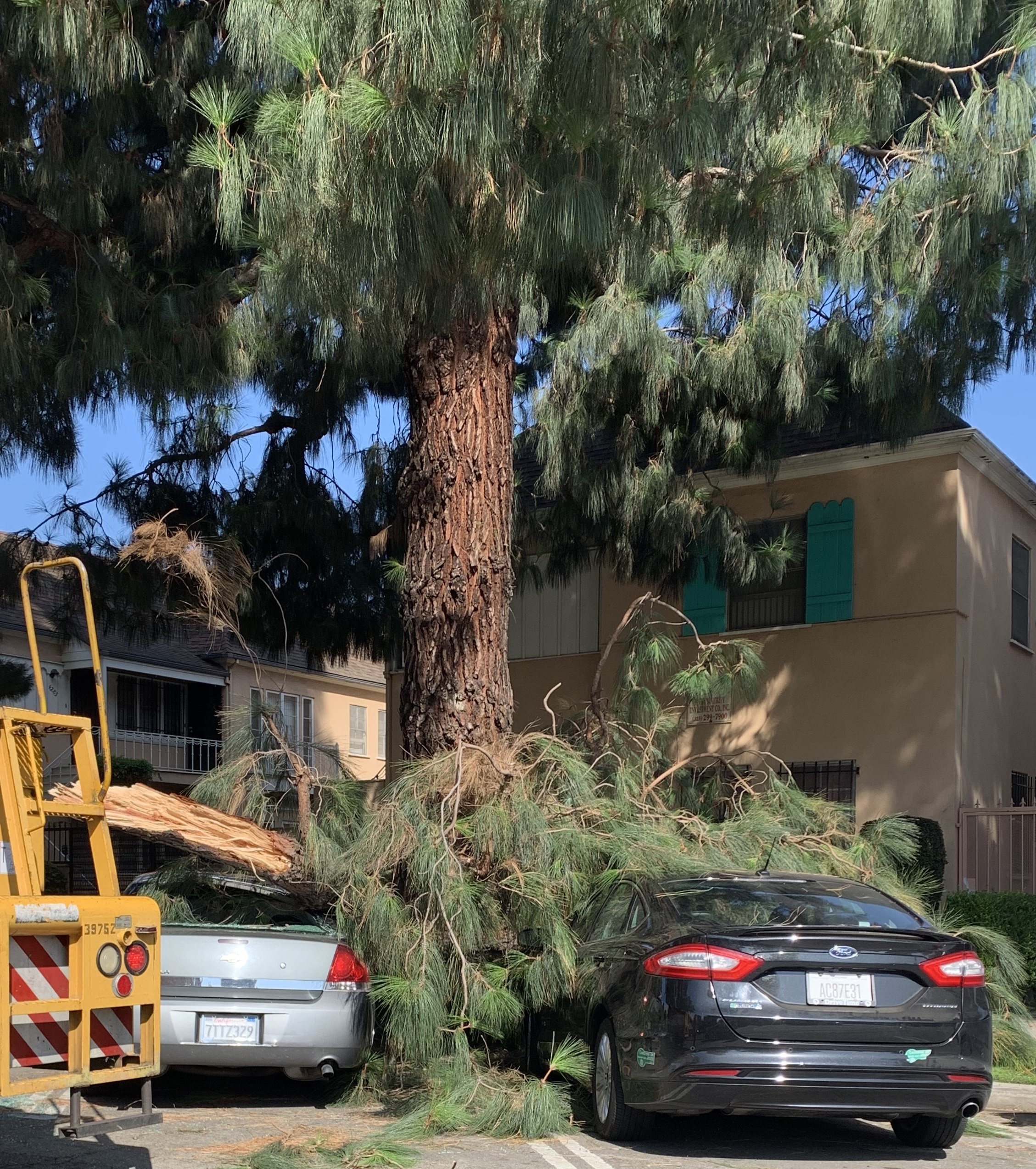 Many municipalities enforce tree preservation ordinances. Whether we agree with them or not, these ordinances are designed to preserve significant trees that are assets to the community. For the greater good, local governments have made it their business to limit what we can do with our own trees on our own properties. There are many advantages. There are many disadvantages. We arborists see it all.
 Tony Tomeo