Nature Is Not Naturally Accommodating

Many trees naturally exhibit irregular form.

Gardening is quite unnatural. It involves unnatural cultivation of mostly unnaturally exotic (nonnative) species of plants. Irrigation delivers more water than seasonal rain provides. Fertilizers contribute more nutrients than endemic soils provide. Pesticides, if necessary, inhibit proliferation of pathogens. Nature simply could not accommodate such demands.

Not only is gardening unnatural, but it also interferes with established ecosystems. Many aggressively invasive plants were formerly desirable exotic plants that naturalized. Many pathogens arrived with exotic plants. Several naturalized plants have potential to distract native pollinators from native plants that rely on their pollination. It is an ecological mess.

Nonetheless, it works. Gardening within the constraints of nature would be unproductive. Most residents of California inhabit chaparral or desert climates that originally sustained limited vegetation. Such limited vegetation sustained a very limited indigenous populace within relatively vast areas. Modern residential parcels would be completely inadequate.

That is the justification for gardening, whether for sustenance, or merely to beautify home environments. Unnatural breeding continues to improve performance of many useful and appealing plants. Unnatural horticultural techniques generate more desirable vegetation within confinement of urban gardens than would naturally inhabit a few acres in the wild.

Nature remains relevant though. All plants originated within nature somewhere. Besides their basic requirements, exotic plants prefer environmental conditions that are similar to those of their natural origin. Some tropical plants crave more warmth and humidity. Some plants prefer more winter chill. Most popular exotic plants rely on supplemental irrigation.

Physical characteristics of many plants necessitate special accommodations also. Roots of plants that naturally compete in dense jungles are likely to damage pavement. Without adequate pruning, native plants that naturally exploit burn cycles can become perilously combustible. Many vines naturally try to overwhelm nearby vegetation and infrastructure.

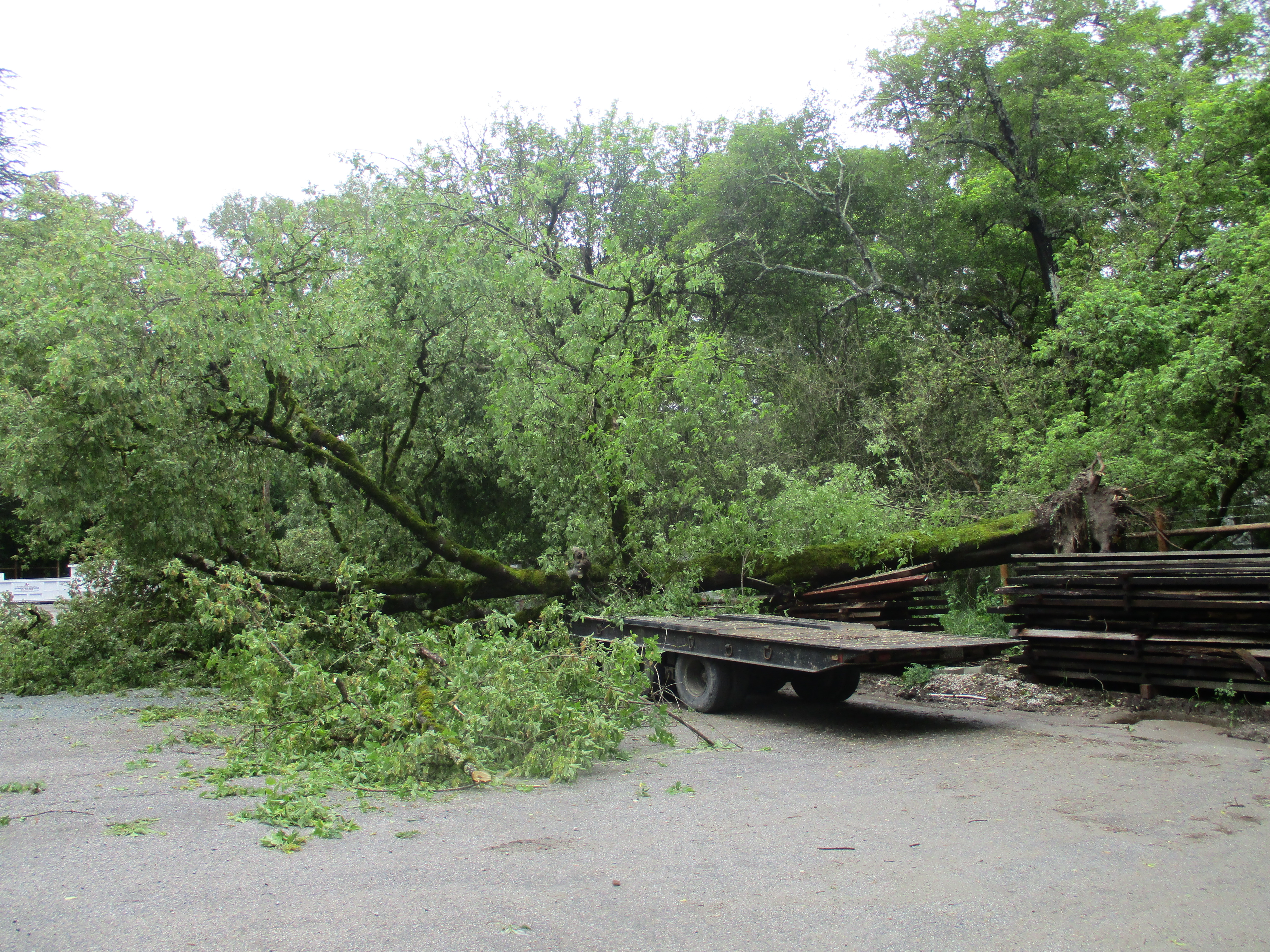
Campground II

I sometimes inspect weirdly fallen trees for clients, but did not expect to observe such a weird subject right here.

tonytomeo's avatarTony Tomeo

P90626This is a formerly unplanned sequel to the article ‘Campground‘ from last Sunday. That article described my concern for any of the homeless who might camp on the banks of an adjacent creek, below innately unstable and structurally deficient riparian trees. Just a few minutes after the article posted at midnight, the biggest and most deteriorated box elder tree in the area of concern coincidentally fell! No one was there at the time to be hurt.
The tree that fell was located just a few yards to the right of those in the picture of the previous article. It happened to be the only tree that was inside the fence. Therefore, as it fell inward, it did not damage the fence. The trailer that it landed on is for heavy tractors, so was undamaged. Only the top few timbers of a pile of lumber that it landed on…

View original post 152 more words

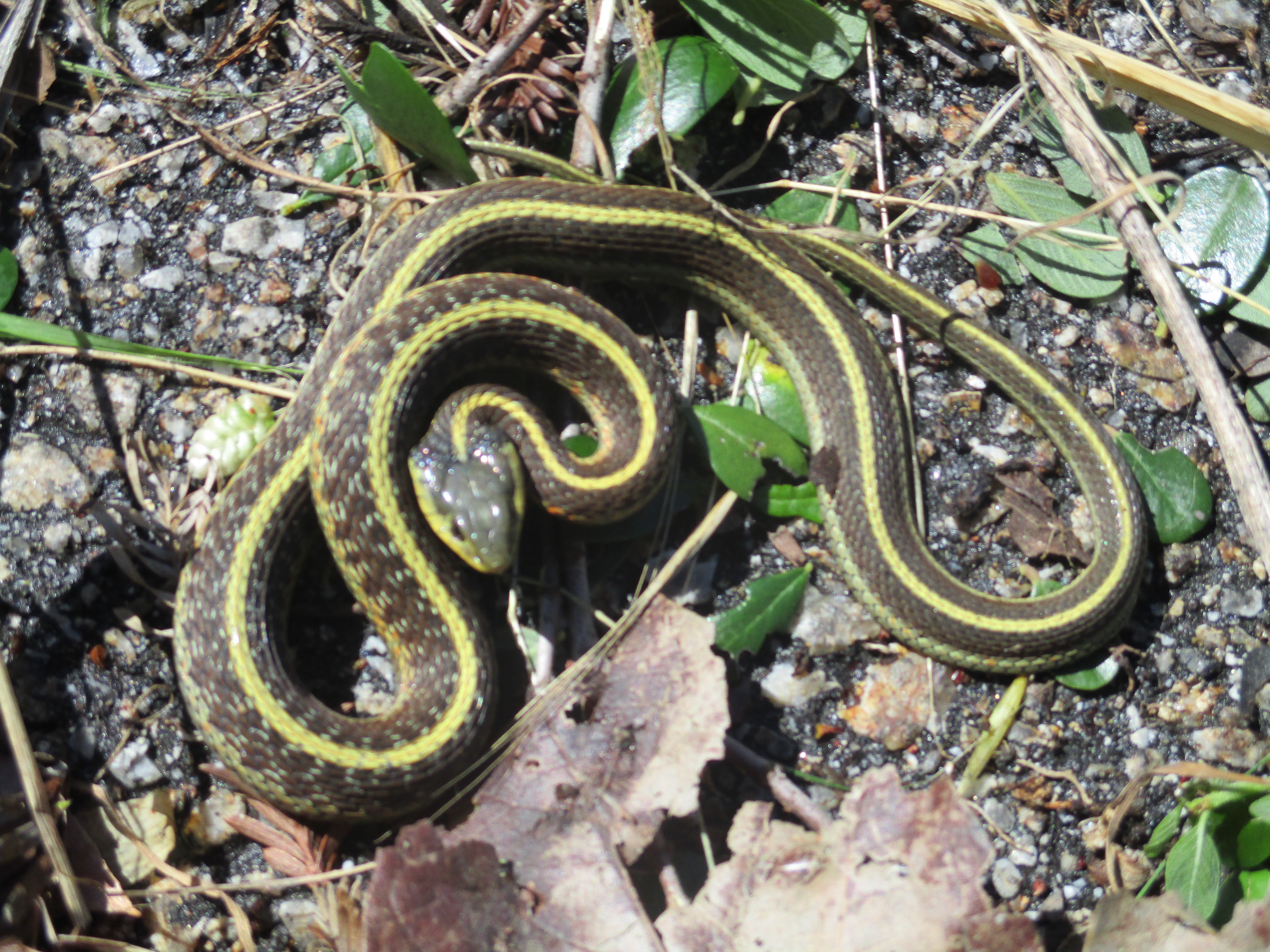
Garter Snake

Ah, the weird surprises of gardening.

tonytomeo's avatarTony Tomeo

P90525KThis little critter surprised me at work last week. Even though I knew it to be harmless, my instinctual response was to get away from it fast. I have encountered enough rattlesnakes to know better than to take the time to identify a snake before getting some distance from it. Even after identifying a snake as a harmless garter snake, I still prefer to avoid it as it leaves. This one was in no hurry, so got picked up with a rake and set safely aside.
Between high school and college, I took a summer job for a (primarily) retail nursery in Miramar on the coast of San Mateo County. At this job, I sometime went with the maintenance crew to work in a few home gardens. At one such job, just overlooking the beach in Montara, I needed to mow an overgrown lawn. Rather than mow back and forth…

View original post 160 more words

Six on Saturday: Rhody’s Rhodies 2022 – Prettier Than Pink? – (a sequel)

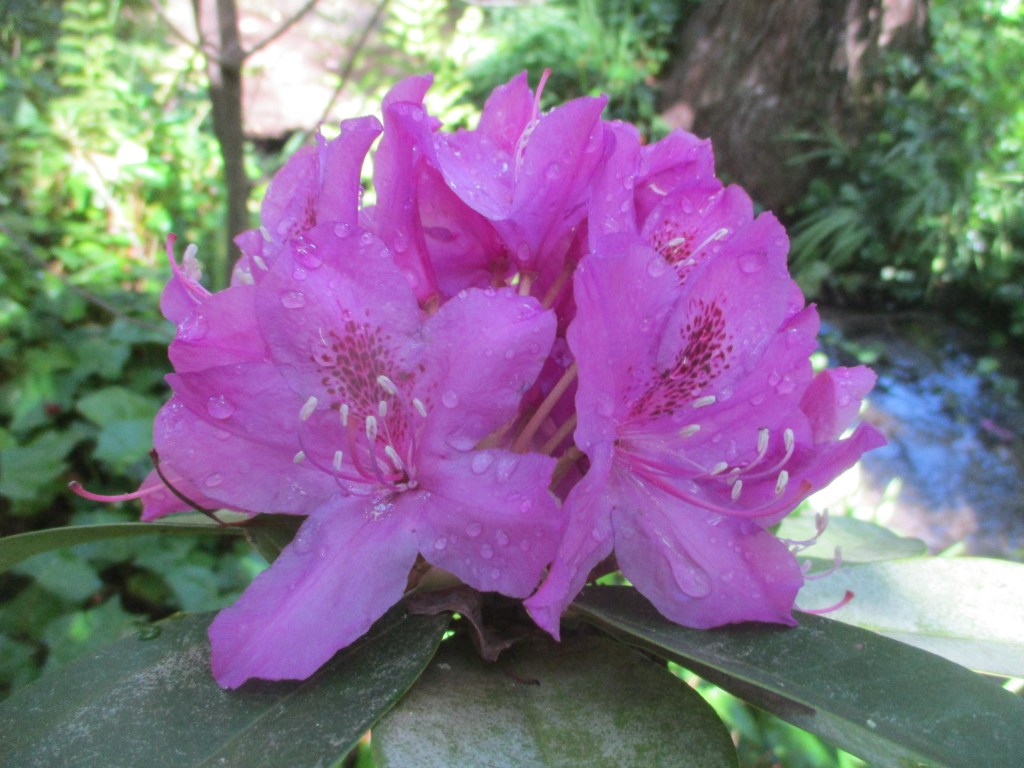
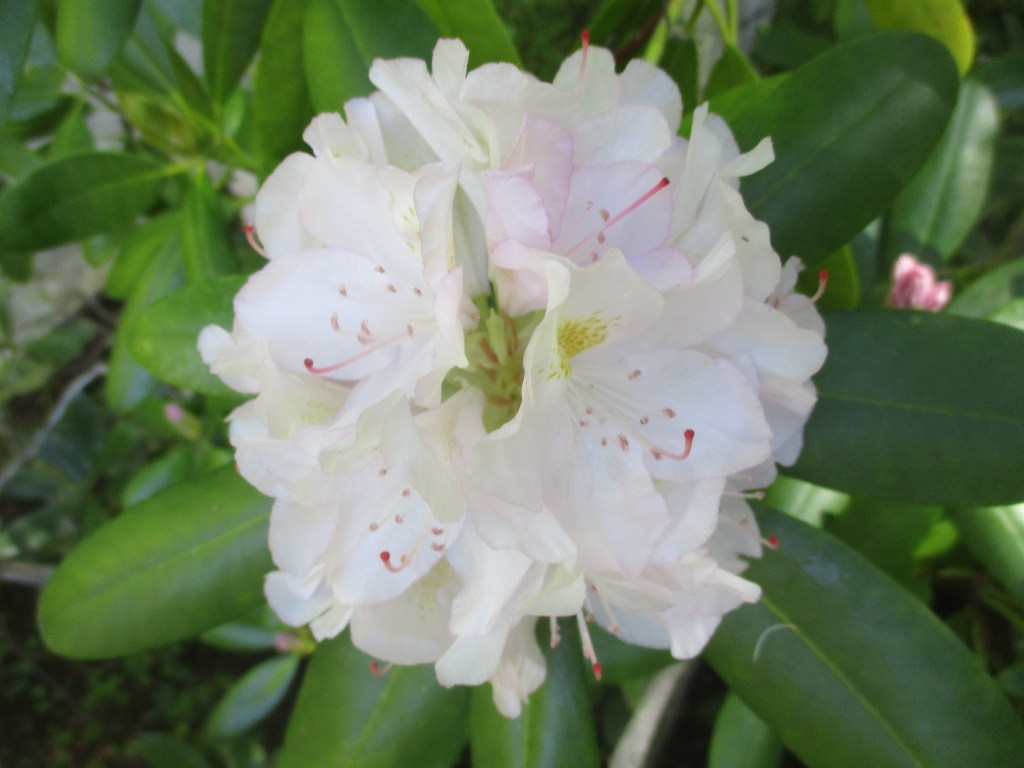
Some flowers excel with particular colors. Jacaranda is best in blue. White looks plain or boring. California poppy is best in natural orange. Pale white, pale purple, pink and any other modern color seems weird for them. Poinsettia should be red, or perhaps white or pink, but not ‘peach’, ‘plum’ (whatever color that is) or yellow! Although I had never met a rhododendron that I did not like, I do find that the best are either purple or red. Pinks are very appealing too, but not quite as ideal as the others. White rhododendrons can be rather bland. These six rhododendrons bloomed prior to last Saturday. Since I intend to limit the redundancy of pictures of rhododendrons this season, they will be the last.

1. White is my favorite color. White rhododendrons should therefore be my favorites. So, are they? I would prefer this one to be brighter white, without tan spots or pink stamens.

2. White, to me, seems mundane for rhododendrons anyway. This is brighter white than the other, and lacks pink stamens, but has yellow centers. Simple white would be better.

3. Lavender, or whatever this color is, seems a bit more appropriate for rhododendrons. It is slightly more pinkish than it seems in this picture. Can it really qualify as lavender?

4. Lavender is a tint of purple, like pastel purple. Therefore, this may qualify as lavender more than the previous picture. It is slightly more bluish, with a slightly ruffly structure.

5. ‘Anah Kruschke’ was likely the most popular cultivar grown on the farm, and for good reasons. The pinkish purple bloom is exquisite and reliable. Foliage with form are ideal.

6. Purple and red are, in my opinion, the best colors for rhododendrons. Not many other flowers can bloom with such rich purples and reds. Other flowers provide better whites.

This is the link for Six on Saturday, for anyone else who would like to participate: https://thepropagatorblog.wordpress.com/2017/09/18/six-on-saturday-a-participant-guide/

Red Passion Flower Vine

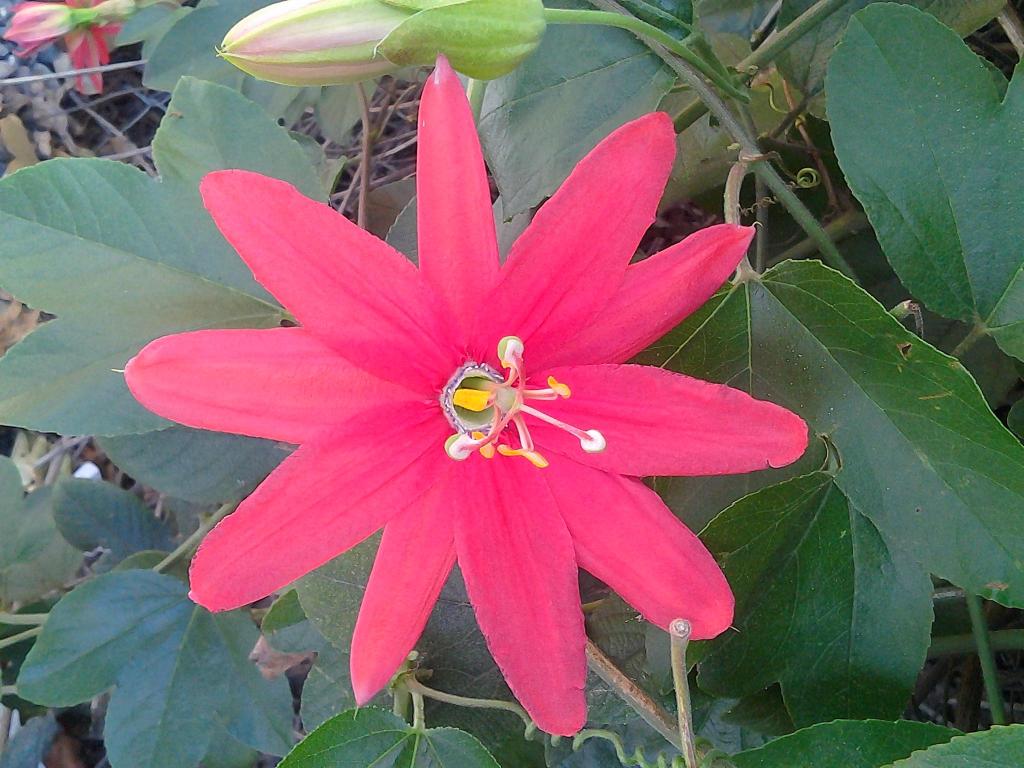
Red passion flower seems quite exotic.

Compared to the common passion flower, the three inch wide red passion flower, Passiflora manicata, is more colorful with cherry red flowers, but does not so prominently display the weirdly distended floral parts that passion flowers are known for. Bloom is not as profuse either, particularly among vigorous vines.

However, red passion flower vine has the advantages of somewhat more resilient and greener foliage, and sturdier vines that can climb almost to thirty feet high. It grows so vigorously that it can be surprisingly overwhelming, even if pruned severely or cut to the ground at the end of each winter. It is not so rampant in light shade.

Copies (new vines) are easy to propagate by layering, which involves merely burying a section of vine while still attached to the parent vine until it develops enough roots to be separated. The buried section should be at least a few inches long. At least a few inches of the tip of the vine should extend beyond the buried section.

The fruit of red passion flower vine is considered to be toxic, but often gets eaten anyway. Fortunately, fruit rarely develops.

Vines Have Unique Personalities

English ivy clings with aerial roots.

Boston ivy and creeping fig are good aggressive vines for freeway overpasses and sound-walls. They are resilient to harsh exposures and pollution, and help to muffle the sound of traffic. Boston ivy provides remarkable foliar color in autumn before defoliating in winter. Creeping fig provides thick evergreen foliage that overwhelms any graffiti that it can reach.

However, their aggressive behavior that is such an advantage on freeways is precisely why they are not so practical for home gardens. Boston ivy gets around so efficiently because it grabs onto surfaces with ‘holdfast disks’ (modified tendrils) that damage paint, stucco, wood and just about anything that is not built like a freeway. Creeping fig is at least as destructive with clinging aerial roots, as well as constrictive stems that can crush smaller plants, fences and anything else that it might grab hold of.

Most vines are aggressive in nature. They exploit trees for support, and then compete with them for space. Some are complaisant enough to mingle relatively peacefully with the trees that support them. Less honorable vines have no problem overwhelming the canopies of their supportive trees. Creeping fig and other related figs are known as ‘strangler figs’ because their constrictive roots and stems crush and kill the same trees that help them get above the forest canopy.

Such behavior needs to be considered when selecting vines for home gardens. Bulky and potentially constrictive wisteria vines that would tear lattice apart can be quite appealing on sturdy arbors or trellises. Lattice could instead be adorned with docile Carolina jessamine, lilac vine, mandevilla or even regularly pruned passion vine. Star jasmine and the various trumpet vines work nicely to obscure chain link fences. With regular selective pruning, pink jasmine, honeysuckle and potato vine work well on rail fences.

Climbing roses and bougainvillea do not climb on their own, but can be trained almost like vines. Some varieties stay small enough for low fences and trellises. Larger types are proportionate to larger fences and arbors.

Horridculture – High Fences

It is unfortunate that, regardless of the excellent climate and excellent soils, such minimal space within the Santa Clara Valley remains conducive to gardening.

tonytomeo's avatarTony Tomeo

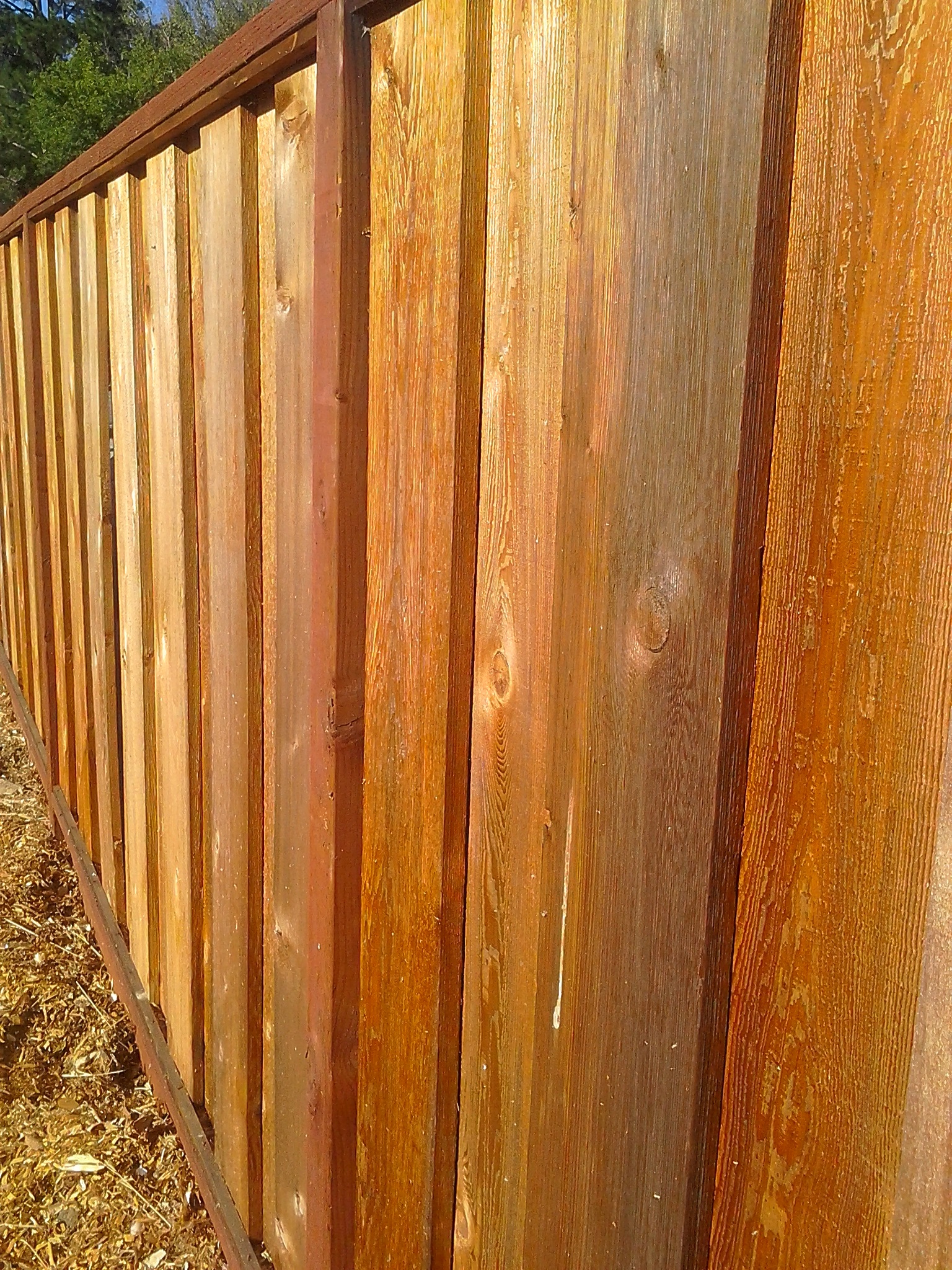
P90522There is no doubt that fences are useful for a variety of functions. They exclude deer from the garden. They confine livestock. For suburban homes, they enclose a relatively safe space for children and pets. Fences should be designed according to their intended functions. Those designed to exclude deer might be as simple as coarse mesh on posts. Those enclosing backyards might be more refined and compatible with the landscape.
Over the years, conformity to modern suburban and urban landscapes, as well as modern architecture and lifestyles, has changed the standards of how fences are designed. Low picket fences do not adequately obscure the scenery that adjacent and often dissimilar landscapes contribute to a view. Where common vegetable gardens might have been, most of us want private outdoor rooms, with a distinct style of landscape.
It seems that everyone wants privacy nowadays. Those who have no need for privacy will…

View original post 169 more words

Hopbush

Hopbush makes a nice small tree.

Johnny jump up and jumping cholla have no more than amusing names in common with hopbush, Dodonea viscosa. Neither a dangerous cactus nor a docile annual, hopbush is an elegantly upright and evergreen shrub. It is very popular for both informal and formally shorn hedging. With pruning, it can become a small tree with handsomely furrowed bark.

Hopbush has potential to get about as tall as a two story house, particularly with pruning for tree form. Conversely, with only occasional pruning for hedge form, it is just as happy to stay just six feet tall. Trees with single and straight trunks fit nicely into narrow spaces. Trees with a few irregular trunks that lean outwardly are more sculptural for larger areas.

The narrow evergreen leaves are about two or three inches long, with light bronzy color. ‘Purpurea’ has purplish bronze color, but does not grow as vigorously. Most hopbush are female, and generate interestingly papery seed. Bloom and seed production are variable though, and some specimens become male. Roots should be complaisant with concrete.

Streets Might Benefit From Shade

Proportion is important for street trees.

Shade has become less of a priority for modern urban gardens than it still is for older and more spacious suburban gardens. Significantly less sunlight reaches the ground of such confined gardens among taller and shadier homes and fences. Even where shade might be desirable, space for shade trees might be minimal. Streets are the primary exception.

Streets, and associated curbs and sidewalks, are generally the sunniest situations within modern urban neighborhoods. They collect and radiate ambient heat that warms nearby homes and gardens, even if the weather is already unpleasantly warm. Cars that park on pavement without shade are vulnerable to the most heat, which accelerates weathering.

It is an unfortunate waste. Sunshine that is useless and undesirable on streets would be useful within gardens. Although sunlight is not transferable from one situation to another, it might be partially abatable with shade. Streets are certainly no place for gardening; but the space above them may have potential to accommodate the canopies of shade trees.

Street trees are simply trees that flank streets and other roadways. Most are shady. A few are merely visually appealing. They may inhabit parkstrips, treewells or gardens that are adjacent to sidewalks. Many municipalities prescribe street trees for most of their streets. Conforming street trees are standard accessories for streets within new residential tracts.

Of course, street trees must be appropriate to their particular applications. They must get tall enough for clearance above the largest of vehicles that use the roadways below. For commercial districts, some must also stay above storefront signs. Contrarily, a few street trees must stay below aerial utilities. Street lamps, high or low, require clearance as well.

Size and form are not the only considerations. Roots of street trees must be complaisant with infrastructure. Mess should be as minimal as practical. The most complaisant street trees might stay too small to attain adequate clearance or provide much shade. The most visually appealing might be too messy. Selection of appropriate street trees necessitates significant research regarding every potential option.

Campground

The timing of this recycled article (at the time) was somewhat disconcerting.

tonytomeo's avatarTony Tomeo

P90519There happen to be quite a few campgrounds in the region, with one about a quarter of a mile upstream from where this picture was taken, and another less than three miles past that. Both are primarily used by school age children. The vast redwood forests with creeks flowing through are ideal for such campgrounds.
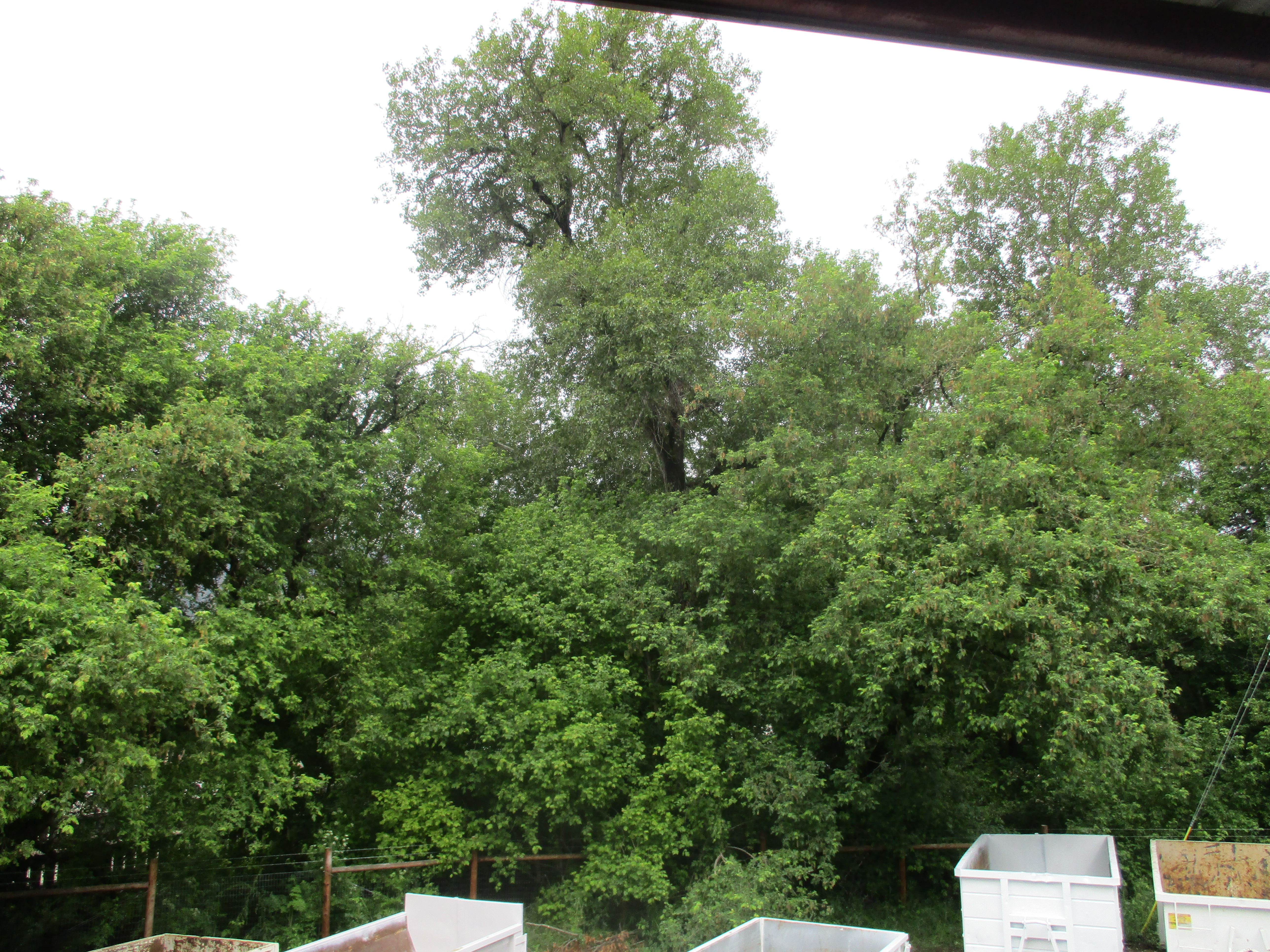
This is a campground too. I know it does not look like it. It is located between a creek and an industrial building, the eave of which is visible in the top right corner of the picture. The herd of dumpsters that is barely visible at the bottom of the picture might include a dozen dumpsters at at time. (I tried to get both the eave and the dumpsters in one picture.) There really are two rows of barbed wire on top of that fence behind the dumpsters.
Nonetheless, it is a campground. You see…

View original post 325 more words