These are perfect conditions for crop circles. Even without any convenient grain crops, there is plenty of tall grass in unmanaged and ungrazed fields. All this grass needs is to be crafted into crop circles.
The first crop circles that I ever witnessed were made by cows. I was not much more than six, and my younger brother who found them was not much more than five. No one bothered to explain to us that cows were related to cattle who grazed nearby. Consequently, we had no concept of what cows were. Earlier in the day, we had discovered what was described to us as a ‘cow pie’. Naturally, we were skeptical. It looked just like what cattle leave behind, which was not good. I was not about to try it, so got my younger brother to taste it. Apparently, it tasted about as bad as it looked. It seemed…
This is why I do not often use pictures that my colleague, Brent Green, sends to me. He frequently tells me what I should feature in my gardening column, and sends me what he considers to be good pictures for such topics. This picture would have been good for writing about the sky over Los Angeles, or the neighbors’ driveway, since those are two of the most prominent features here. Where did all the smog go?
Chimneys in Los Angeles seem silly to me. Even if the weather got cool enough for a fire in a fireplace, there is no firewood to burn. The chimney to the far right certainly seems to be original to the house, but how did it survive all the earthquakes since the house was built, probably in the 1940s or 1950s? There have been a few moderate earthquakes since then.
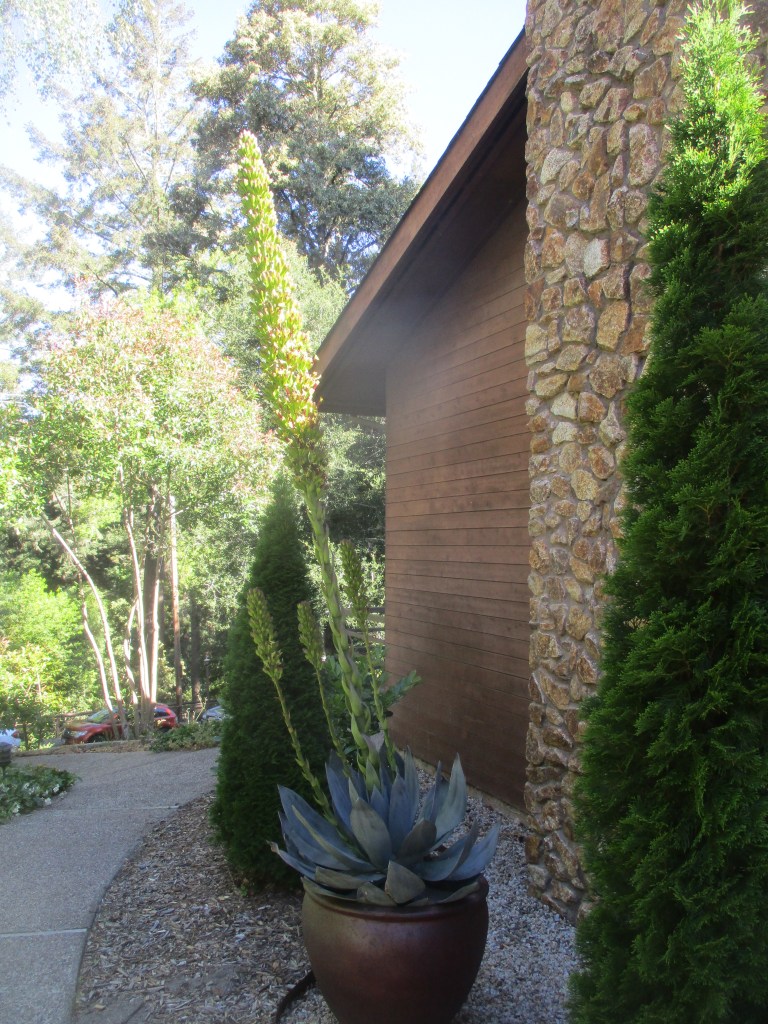
Things do not always go according to plans. Seasons and weather change faster than we can keep up. Many plants do what they want to do rather than what we want them to do. There is always compromise. It is a bummer that a unique agave is bolting now, and will eventually die, but it provided plenty of pups to replace itself with. It is a bummer that I must remove a productive elderberry bush before the berries ripen, but there are plenty more elsewhere. It is a bummer that two exemplary red maples may have died, but there are three more. The excess of recycled cannas is not a bummer though, but merely extra work.
1. Whale’s tongue agave was a splurge. The horticulturist who got it had been wanting to grow it for a while. However, two years later, it had a litter of pups and is now blooming!
2. The flowers are not even very pretty. At least the floral stalks are weirdly striking, and bloom slowly. Although monocarpic, it could take months for the original rosette to die.
3. Six big potted maples were installed temporarily last year. Three are red maple. Three are Norway maple. The red maples foliated before we made arrangements for irrigation.
4. Elderberries are developing nicely. These are some of the best. However, they are on a big healthy elderberry bush that must be cut back from a roadway before they can ripen.
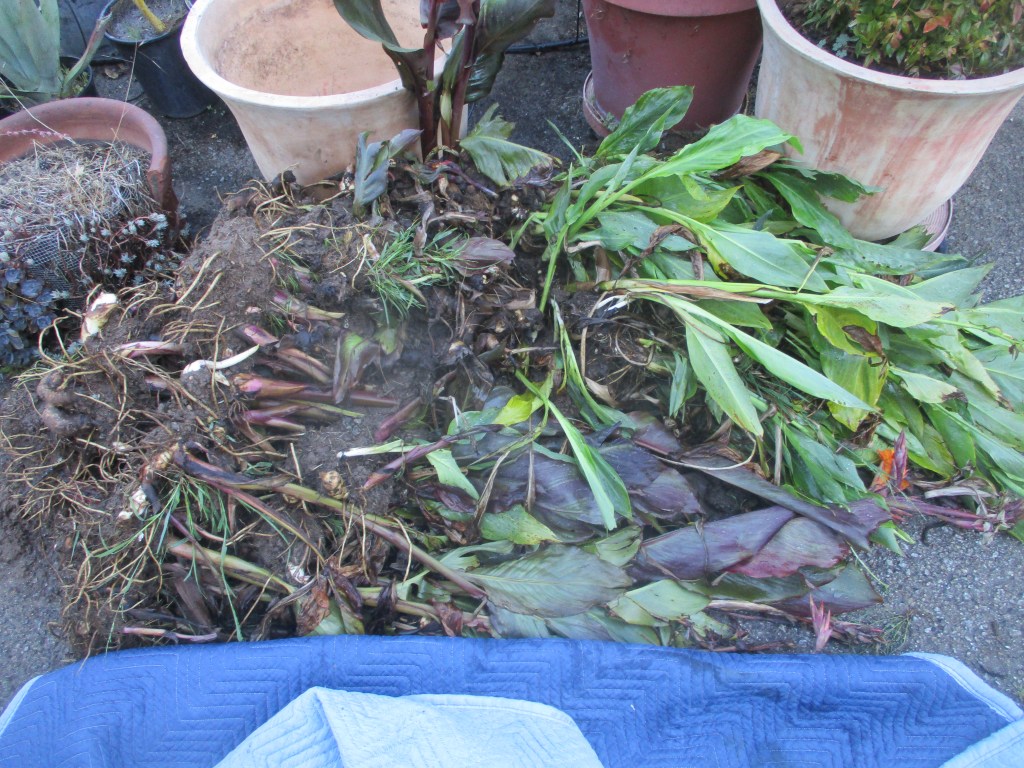
5. Cannas are fun! I was pleased with an opportunity to recycle a bunch from a neighbor. However, this pile is HUGE! Well, I know what I will be doing this Saturday. Goodness!
6. These cannas bloom very nicely. Most are bright orange. Most of the rest are yellow. A few are red. Unfortunately, they are blooming in the big pile, unseen and unappreciated.
Due to an inability to locate some of my old articles from nine years ago, I will recycle articles such as this, which already posted to this blog four years ago, through June and at least part of July.
We think of rhododendrons and azaleas as being from cooler and moister climates. After all, that is where they do best. Yet, there does happen to be a native western azalea, Rhododendron occidentale, that lives in the Sierra Nevada and coastal ranges from San Diego County to just southwest of Portland, Oregon. (Azalea and Rhododendron are varied specie of the same genus.)
Bloom is mostly white, with pink, pale yellow or golden orange. Some of the fancier garden varieties bloom clear white, or with more vibrant color. The lightly fragrant, two inch wide flowers bloom in groups of two or three on open conical trusses. Each truss produces as many as a dozen flowers in sequence, so a new flower replaces a fading flower for a bit more than a week each spring.
Western azaleas plants are unfortunately not much to look at after bloom. They grow somewhat slowly…
Due to an inability to locate some of my old articles from nine years ago, I will recycle articles such as this, which already posted to this blog four years ago, through June and at least part of July.
For a while last winter, it seemed like the rain would never stop. Obviously, it did. The warm spring weather that followed helped plants to take advantage of the rare surplus of moisture. Desert wildflowers were more colorful than they had been in many years, and maybe since 1983 in some areas. Now the weather is back to normal for here, and we must water our gardens accordingly.
There is nothing natural about irrigation (watering); but then, there is nothing natural about gardening or landscaping. Most of the plants in common landscapes are not native. They were imported from vastly diverse regions with very different climates. Because this happens to be a semi-arid ‘chaparral’ climate, most plants want more moisture than they would get here naturally from rain.
Adapting unnatural irrigation to unnatural landscaping sounds easy enough. The problem is that the many different types of plants from so many…
‘Cide’ as a suffix that designates something to be killed. ‘Insecticide’ kills insects. ‘Miticide’ kills mites. ‘Molluscicide’ kills molluscs such as snails and slugs. ‘Herbicide’ kills herbaceous plants, which are presumably weeds. These examples and other chemicals that kill things that are considered to be pests are collectively known as ‘pesticides’. Many are potentially useful in the garden, since that is where so many familiar pests are problematic.
Most modern pesticides are designed for physiological characteristics that are unique to the targeted pest. They therefore kill only very specific pests, but are generally harmless to other organisms. For example, horticultural oil, which is one of the simplest of all insecticides and miticides, kills insects and mites by obstructing the exoskeletal pores through which they respire. It is harmless to those of us who conduct respiration by means of lungs. In fact, most (although not all) commonly available pesticides, if used…
As they bloom later in summer, slender floral stalks of Hosta might be more prominent as cut flowers than in gardens. The white or lavender flowers hang in loose clusters, so are more visible if elevated in vases rather than hovering just over their low foliage. Besides, their foliage seems to be more lush without them. Flowers are about an inch or two long.
Lush and colorful, albeit deciduous foliage is really the primary allure of Hosta. In cooler and more humid climates, the biggest plants may get more than three feet tall and nearly twice as broad! In local arid or semiarid climates, the more popular cultivars get no wider than about two or three feet. Of course, all growth dies back to the ground through winter.
The big and broad leaves are remarkably variable among the many cultivars. A few have wavy margins. Most are round, but some are notably narrow. Variegation may be yellow, chartreuse or white. Some cultivars have bluish glaucous foliage. Hosta require frequent watering and partial shade to avoid desiccation. They are vulnerable to snails and slugs, and can roast in arid and warm weather.
New England is famous for spectacular foliar color through autumn. Such color is merely seasonal though, and almost exclusive to deciduous vegetation. With few exceptions, its color range is limited to variations of yellow, orange, red or brown. It happens thousands of miles away, and is difficult to replicate on such a grand scale with locally minimal chill.
For smaller scale home gardens, there are many options for foliar color at any time of the year, regardless of chill. Some are deciduous. Most are evergreen. Colorful foliage might exhibit variegation or monochromatic coloration. Variegation might involve stripes, spots, borders, veining, or any combination of divergent colors. Some might entail a few colors.
Besides autumnal yellow, orange, red or brown, foliage can be pink, purple, blue or gray. Variegation can feature any of these colors, as well as white. The size and form of plants with foliar color ranges from small annuals and perennials to vines, shrubbery and trees. A few of such plants that are deciduous might change to different colors through autumn.
Various Hosta, Euonymus, Coprosma, Pittosporum, Hedera and Bougainvillea are some of the more popular plants with white or yellow variegation. New Zealand flax is popular for bronze, brown, gold or pink variegation. Canna can display evenly bronze or purplish foliage, white patches on green foliage, or neat yellow and pink stripes of varying widths.
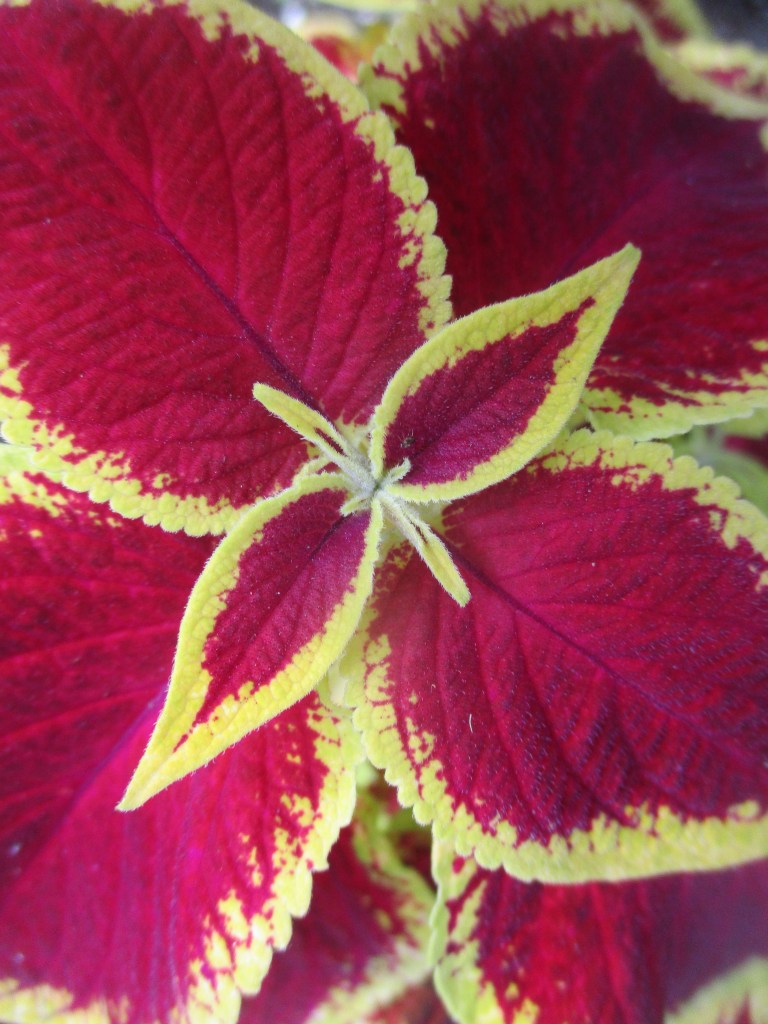
Purple leaf plum and some cultivars of smoke tree, beech Eastern redbud and Japanese maple have the best purplish foliage. Other cultivars of smoke tree, as well as arborvitae, juniper, Monterey cypress and honeylocust, generate impressively yellow foliage. Agave and blue spruce contribute soft blue. Coleus impresses with various color combinations.
Whether deciduous or evergreen, most colorful foliage displays its best color while fresh and new in spring. For some, color fades through summer. Junipers that are gold through spring may be plain green by summer, particularly in dry conditions. Although light colors and variegation are appealing within shady situations, shade can inhibit such coloration.
They were impossible to miss. They came at a weird time too.
As guests were arriving for a big event, a fire alarm was activated, and compelled everyone to leave the building that they were gathering in. The swarming bees met the guests as they came outside. The bees just happened to show up in the same place and at the same time as the guests were forced outside. Fortunately, no one seemed to mind, and some found the swarming bees to be compelling enough to stop and take pictures. Initially, all the bees were flying in a big swarm. Those closest to the middle of the swarm were flying fast, sort of like angry wasps. No one saw the queen that the swarm was centered around, but she apparently landed on this redwood limb about forty feet up. The swarming bees slowly collected in this mass around the queen…
Well, I did not get to Southern California in time. Since this recycled article originally posted, the Paris daisy was installed into a landscape project. Brent must now sneak a piece of it.
No, this is not a Paris daisy. It is a common euryops daisy, Euryops pectinatus. It is obviously related, but the flowers are bright yellow rather than clear white with yellow centers, and the foliage is darker green. It is more resilient, so became more common in landscapes as quickly as mow, blow and go ‘gardeners’ replaced real gardeners who actually know something of horticulture. There is certainly nothing wrong with it. It is just cliché.
The few remaining Paris daisies are fancier cultivars of the old fashioned traditional sort anyway. Some bloom pale pink. Some bloom pale yellow. Flowers might have fluffy centers of the same color. Foliage might be pale grayish green. Plants are more compact. The cultivar that most closely resembles the old Paris daisy has more profuse, but smaller flowers. The cultivars are all quite nice, but are not quite the same as what we…

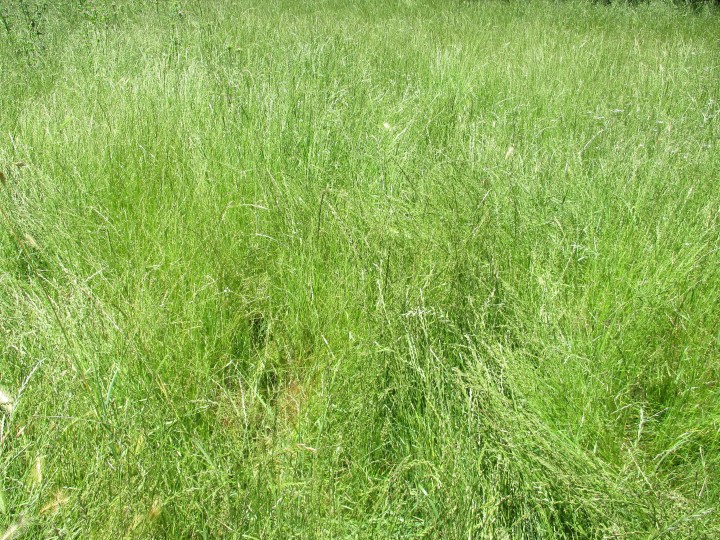 These are perfect conditions for crop circles. Even without any convenient grain crops, there is plenty of tall grass in unmanaged and ungrazed fields. All this grass needs is to be crafted into crop circles.



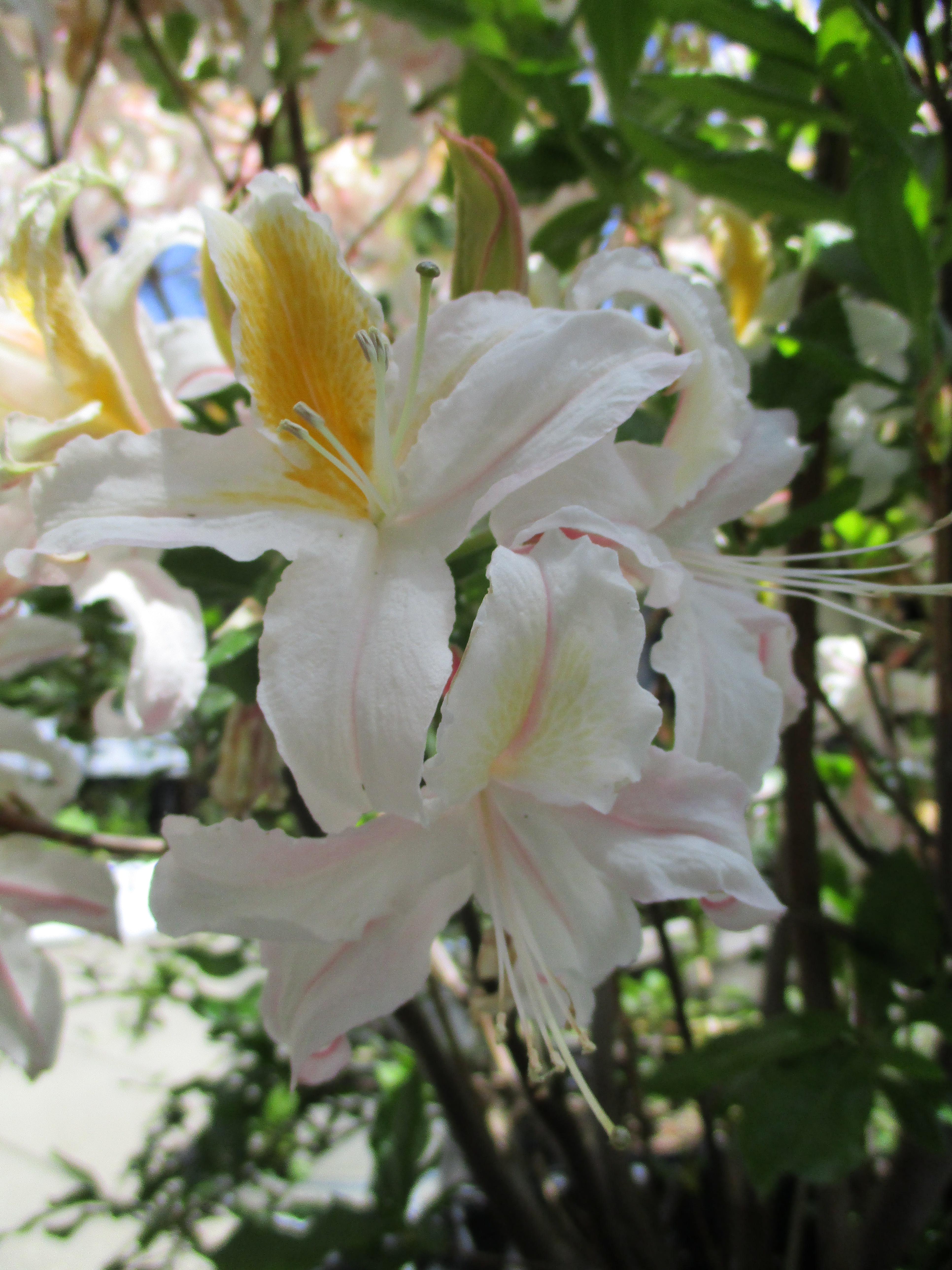 We think of rhododendrons and azaleas as being from cooler and moister climates. After all, that is where they do best. Yet, there does happen to be a native western azalea, Rhododendron occidentale, that lives in the Sierra Nevada and coastal ranges from San Diego County to just southwest of Portland, Oregon. (Azalea and Rhododendron are varied specie of the same genus.)
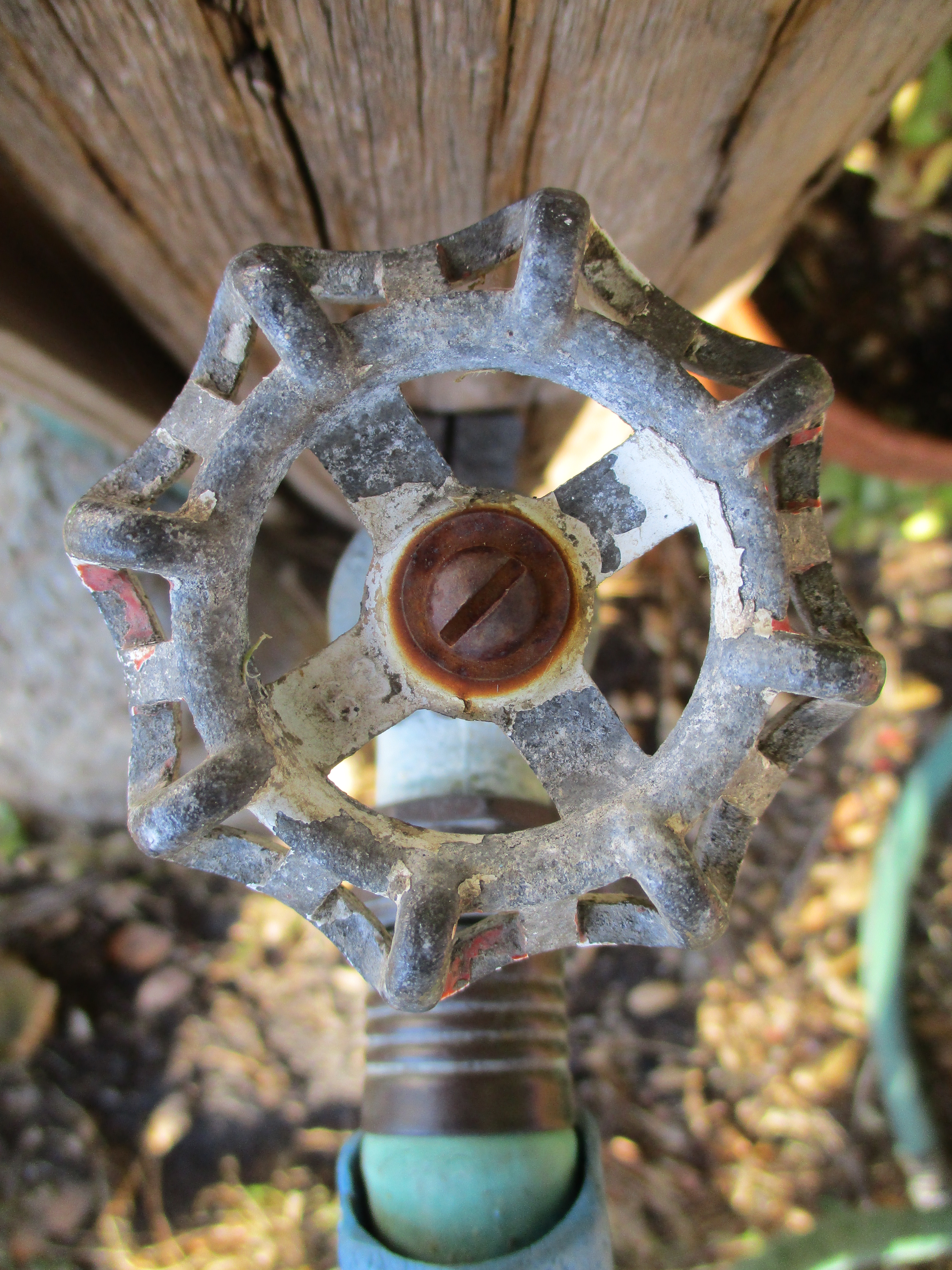 For a while last winter, it seemed like the rain would never stop. Obviously, it did. The warm spring weather that followed helped plants to take advantage of the rare surplus of moisture. Desert wildflowers were more colorful than they had been in many years, and maybe since 1983 in some areas. Now the weather is back to normal for here, and we must water our gardens accordingly.
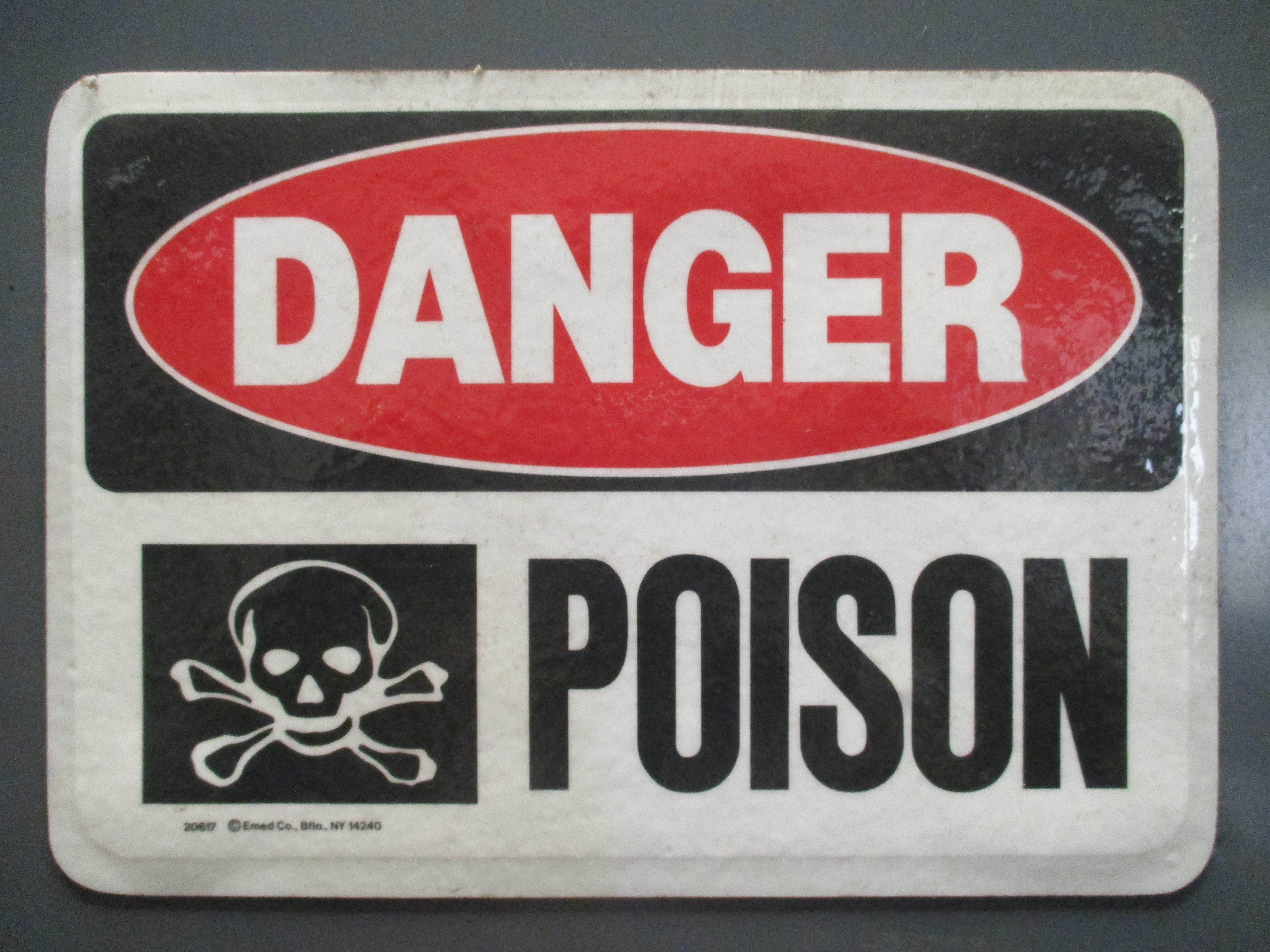 ‘Cide’ as a suffix that designates something to be killed. ‘Insecticide’ kills insects. ‘Miticide’ kills mites. ‘Molluscicide’ kills molluscs such as snails and slugs. ‘Herbicide’ kills herbaceous plants, which are presumably weeds. These examples and other chemicals that kill things that are considered to be pests are collectively known as ‘pesticides’. Many are potentially useful in the garden, since that is where so many familiar pests are problematic.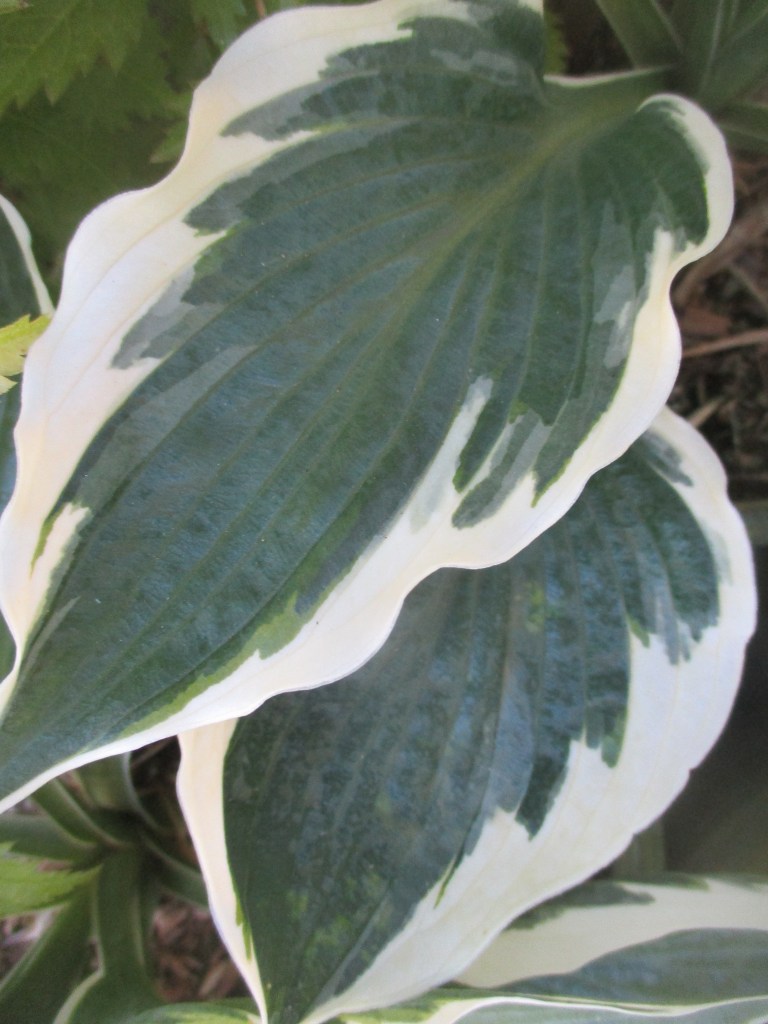
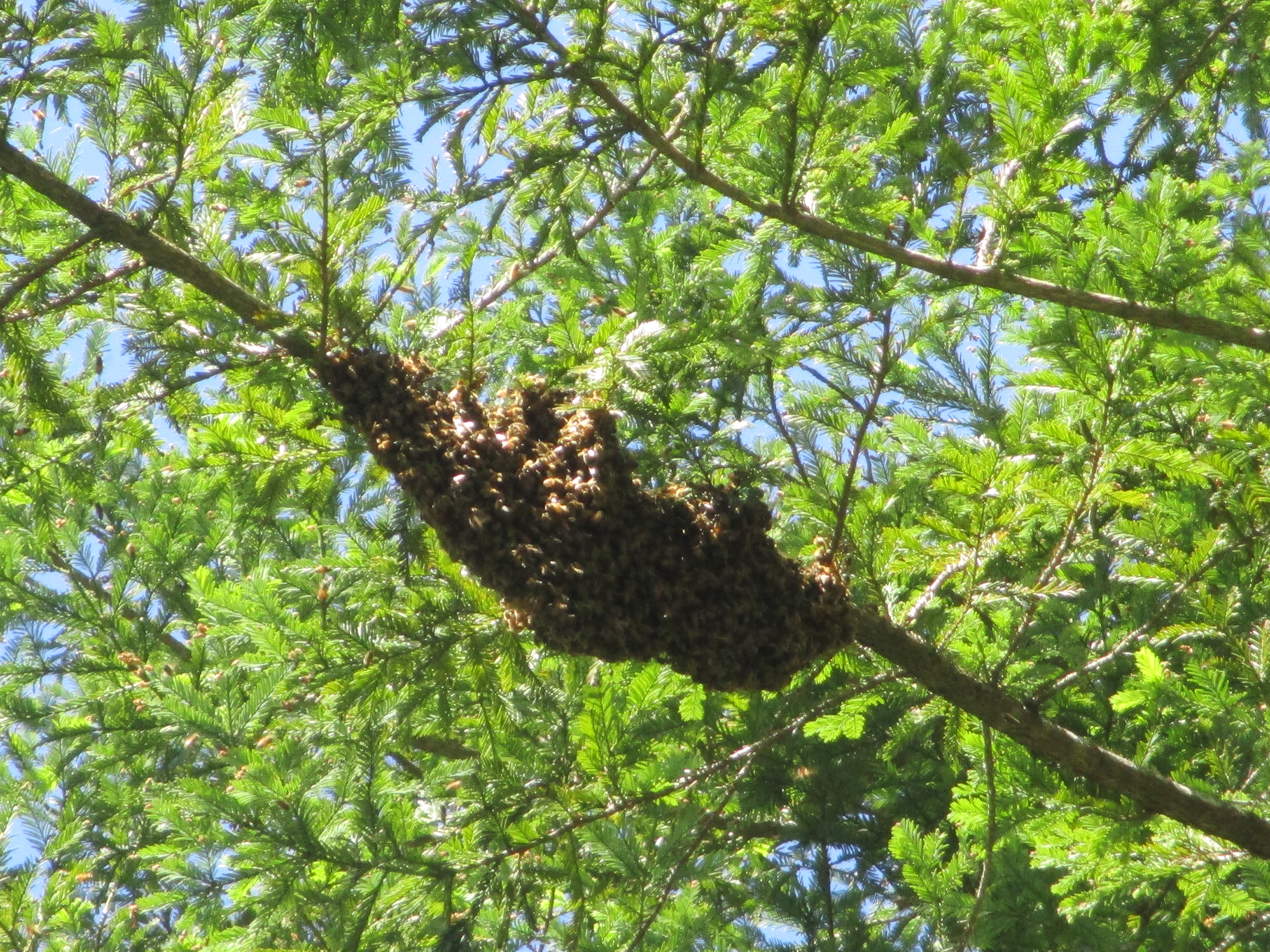 They were impossible to miss. They came at a weird time too.
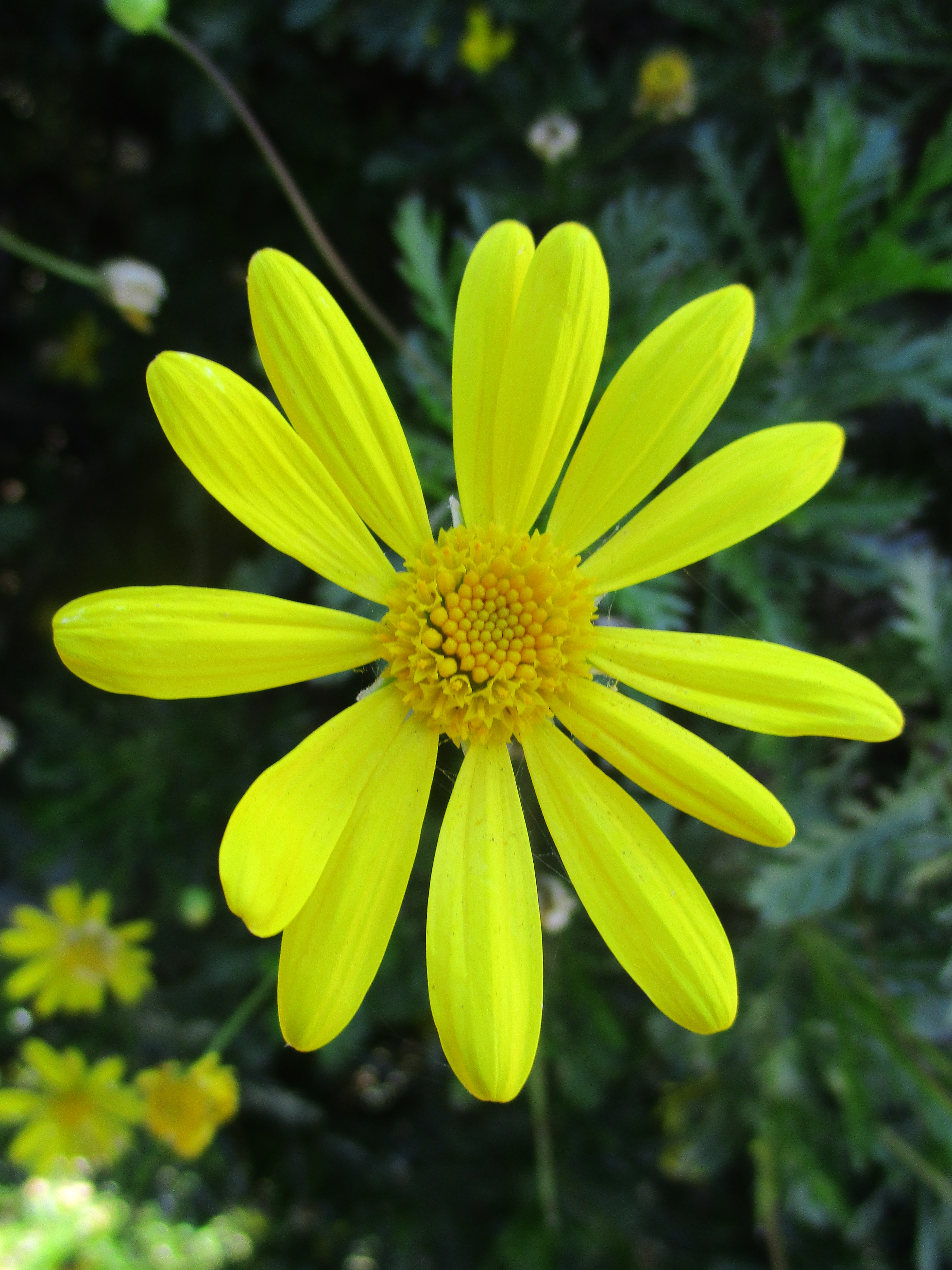 No, this is not a Paris daisy. It is a common euryops daisy, Euryops pectinatus. It is obviously related, but the flowers are bright yellow rather than clear white with yellow centers, and the foliage is darker green. It is more resilient, so became more common in landscapes as quickly as mow, blow and go ‘gardeners’ replaced real gardeners who actually know something of horticulture. There is certainly nothing wrong with it. It is just cliché.
