This probably qualifies for Horridculture on Wednesdays, but for whatever reason, I did not categorize it as such at the time.

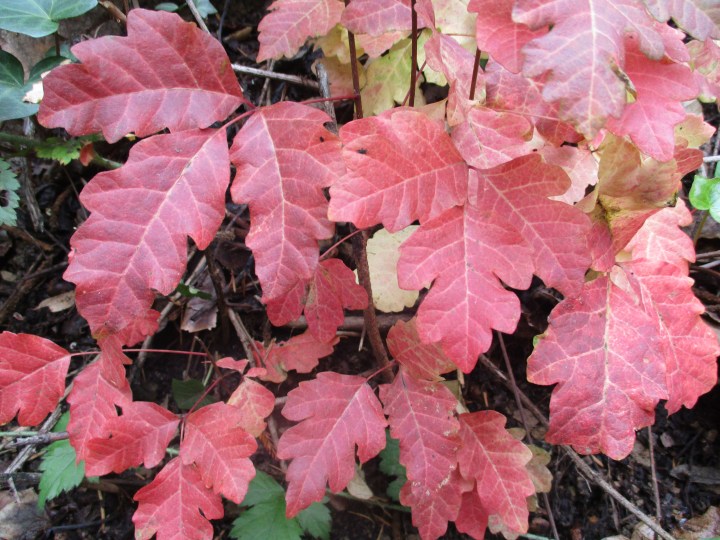 This would be a good topic for one of my rants on Wednesday, except that it is too silly for that.
Many years ago, before I started writing my gardening column for our local newspapers, my colleague Brent and I used to exchange funny newspaper gardening articles. Some were obviously not written for local climates. Some were just very inaccurate. Back then, it was done by mail, so the articles were added to anything that we happened to be sending to each other at the time. If I sent him some seeds, I would add an article or a few from the San Jose Mercury News. If he sent my cuttings, he would add an article or a few from the Los Angeles Times. They eventually became the inspiration for my gardening column, when Brent and others told me that rather than making fun of the inaccuracies of the articles…
View original post 475 more words


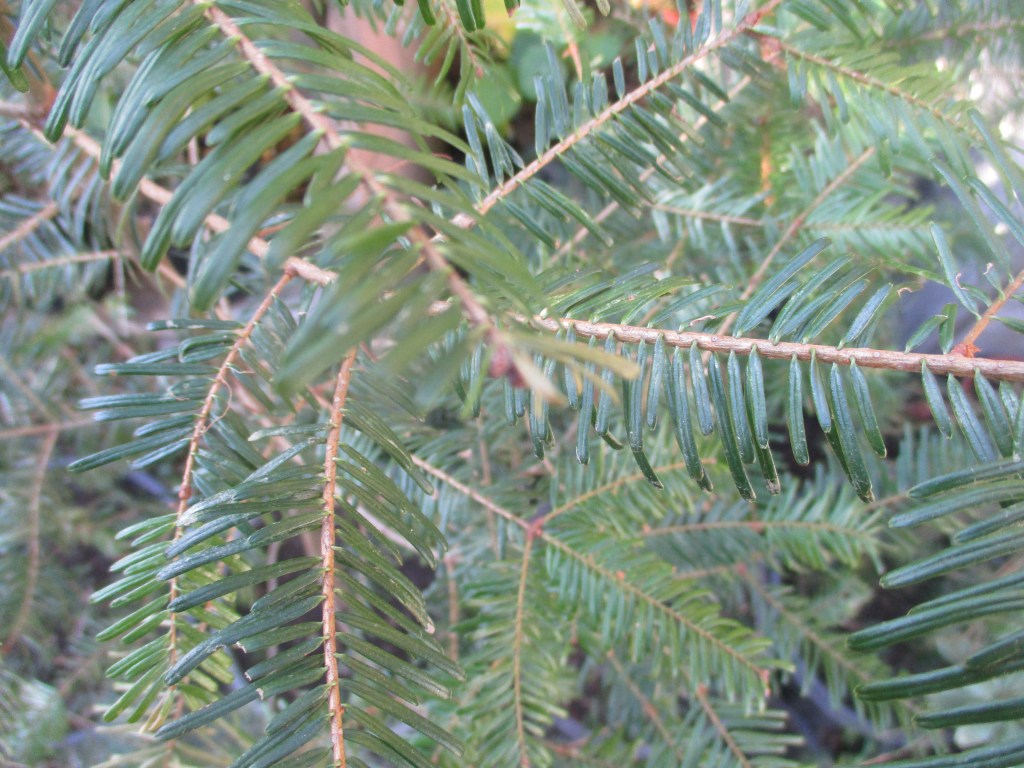

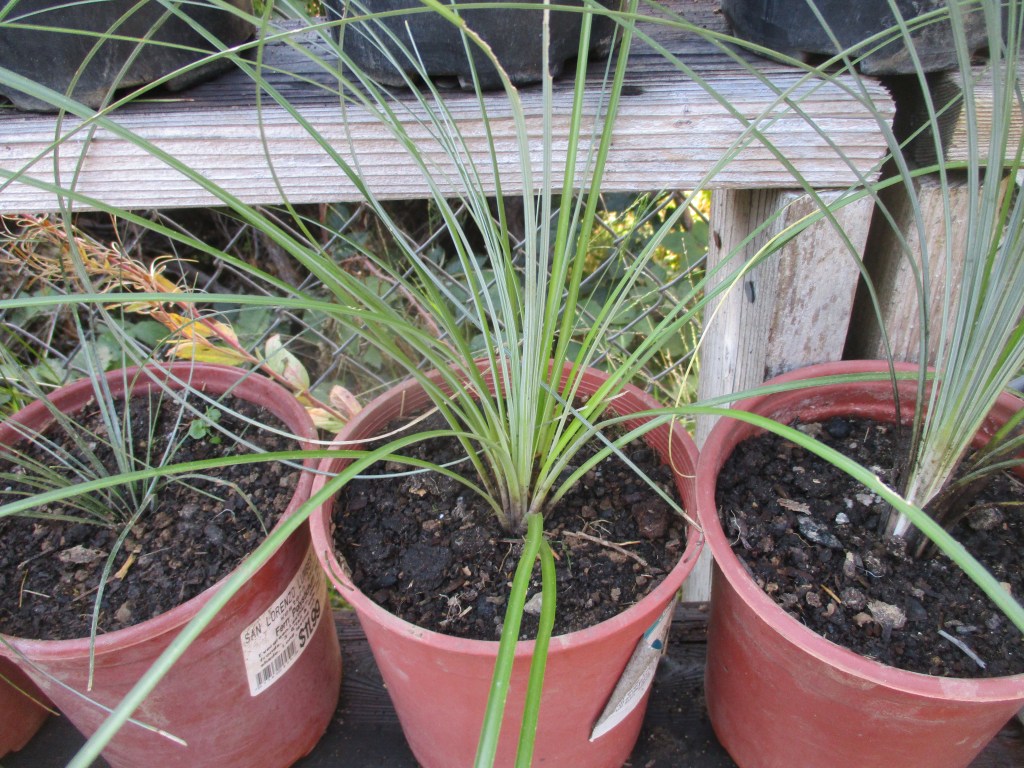


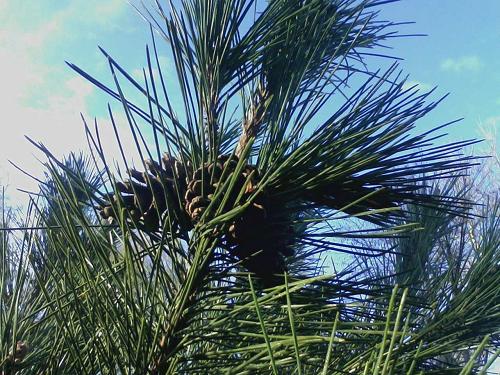
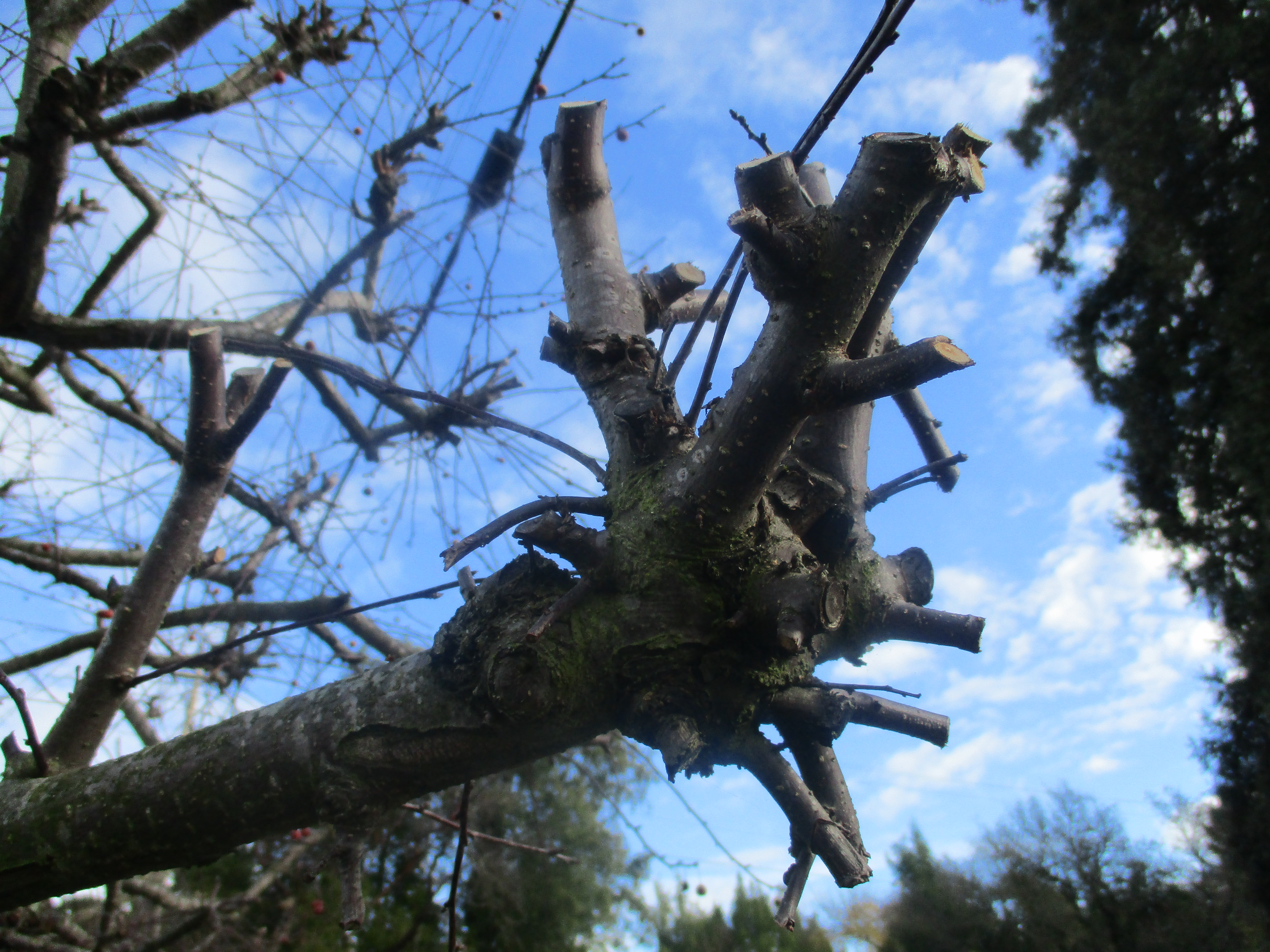 From the same landscape that, last autumn, was so dutifully deprived of its elegantly cascading rosemary and soon to be fiery autumn color of Boston ivy,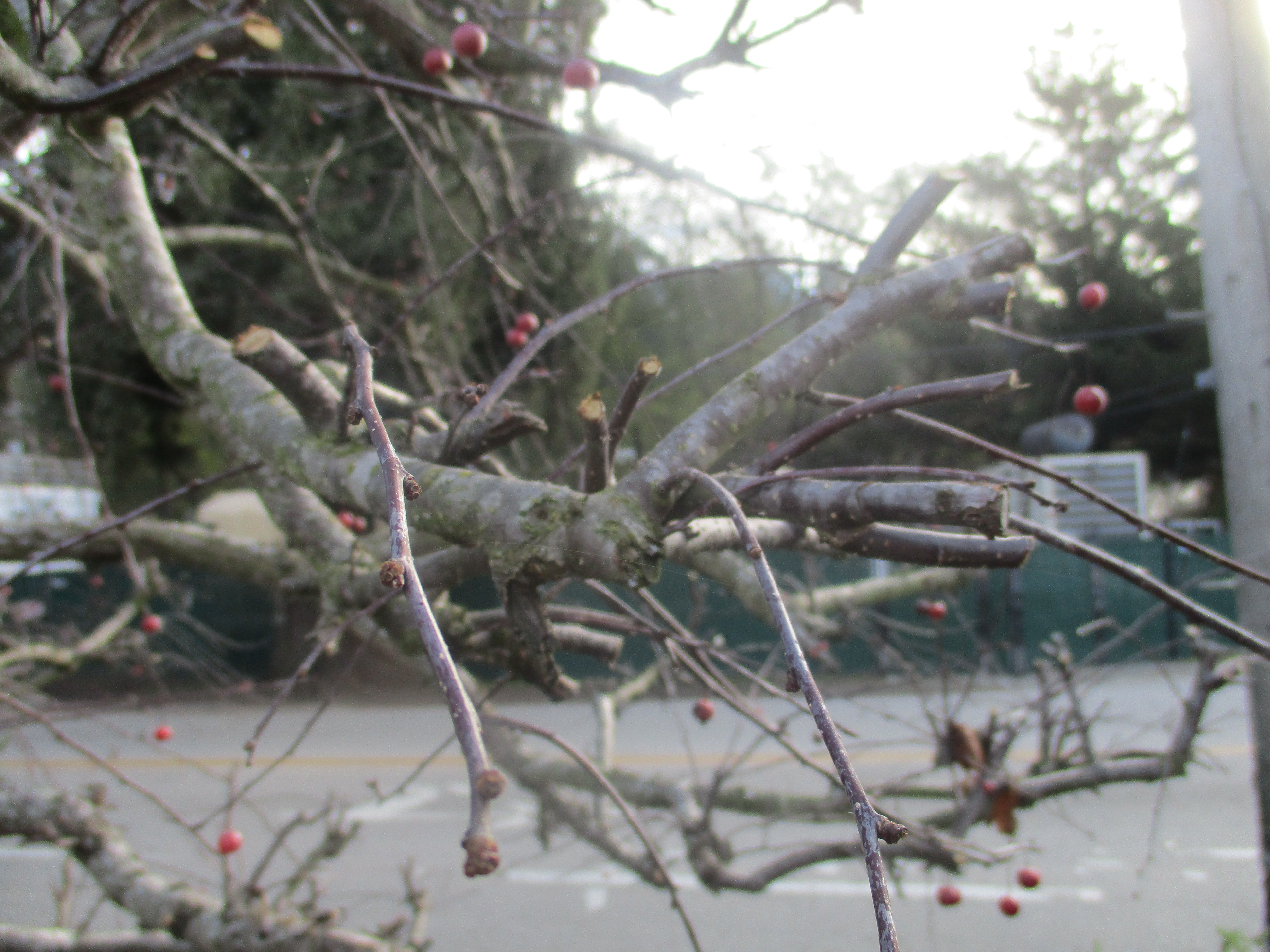

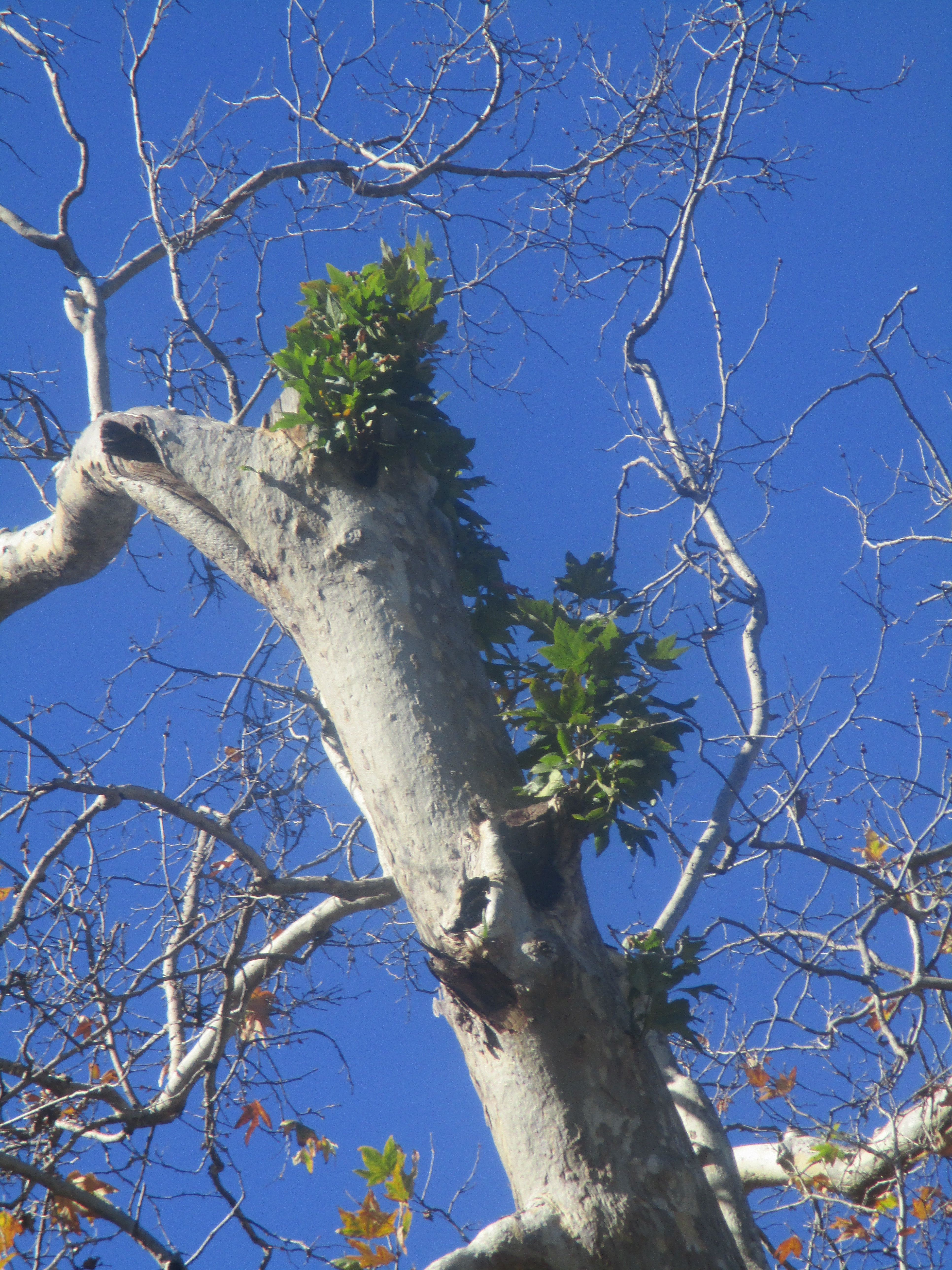 The tufts of small branches that so often develop where limbs were pruned from the trunks of a coast live oaks are sometimes referred to as ‘tumbleweeds’. They are about the same size as an average tumbleweed. By the time the get any larger, most of the smaller stems have subordinated and died out, leaving only a few more defined dominant stems, which will continue the process until even fewer or a single new branch dominates. Such tumbleweeds, as well as stems that originated from such growth, are weakly attached to the main trunks. They often get pruned off for the same reason that the limbs that were there before got pruned off, or because they are expected to be weakly attached. If they remain long enough, they can of course develop into new limbs.
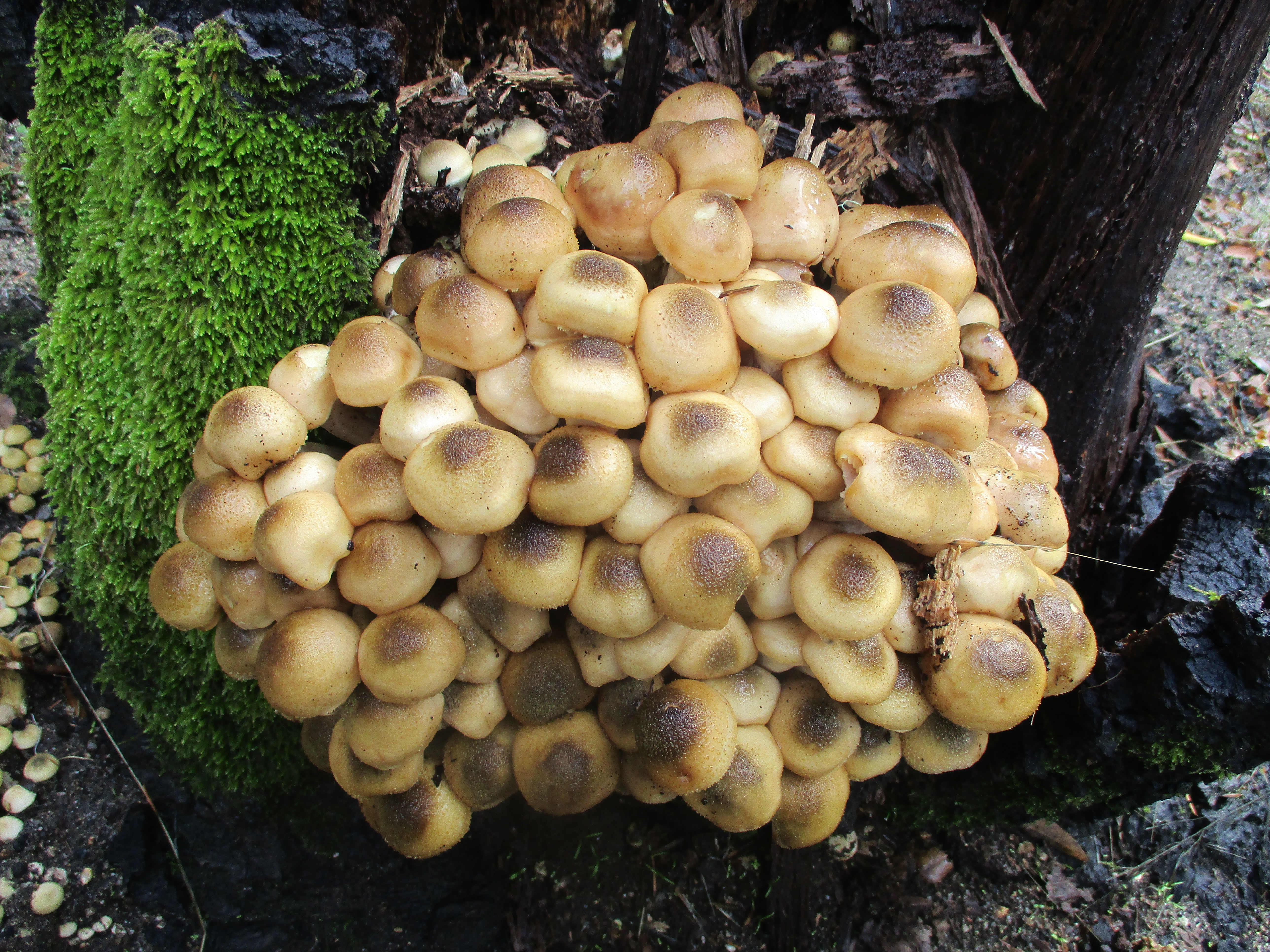 Is this Armillaria mellea, the dreaded oak root rot fungus? I really do not know. All the elements are here. The stump is that of a coast live oak. Bellow the stump there are the remains of roots. Those necrotic roots are undoubtedly decomposing as a result of rot. That rot is undoubtedly associated with this fungus. Furthermore, it fits the description of oak root rot fungus. The toasted spots were probably caused by weathering as the mushrooms started to develop while the weather was still warm and dry.


 Tony Tomeo