Six on Saturday: el Catedral de Santa Clara de Los Gatos

To everyone else, it is merely the Memorial Chapel. I prefer to think of it as el Catedral de Santa Clara de Los Gatos. It is a long story. Not only is it my favorite building that I work around, but it is outfitted with one of my favorite landscapes. Floral color is limited to white! My favorite color! There is not much to the landscape yet, but there will be later, particularly as the removal of adjacent trees improves sun exposure. Relocation of lily of the Nile is untimely, but necessary.

1. White lily of the Nile are a perfect fit here. They will function like a low hedge between the sidewalk and the roadway, without getting high enough to obscure the façade of the small Chapel.
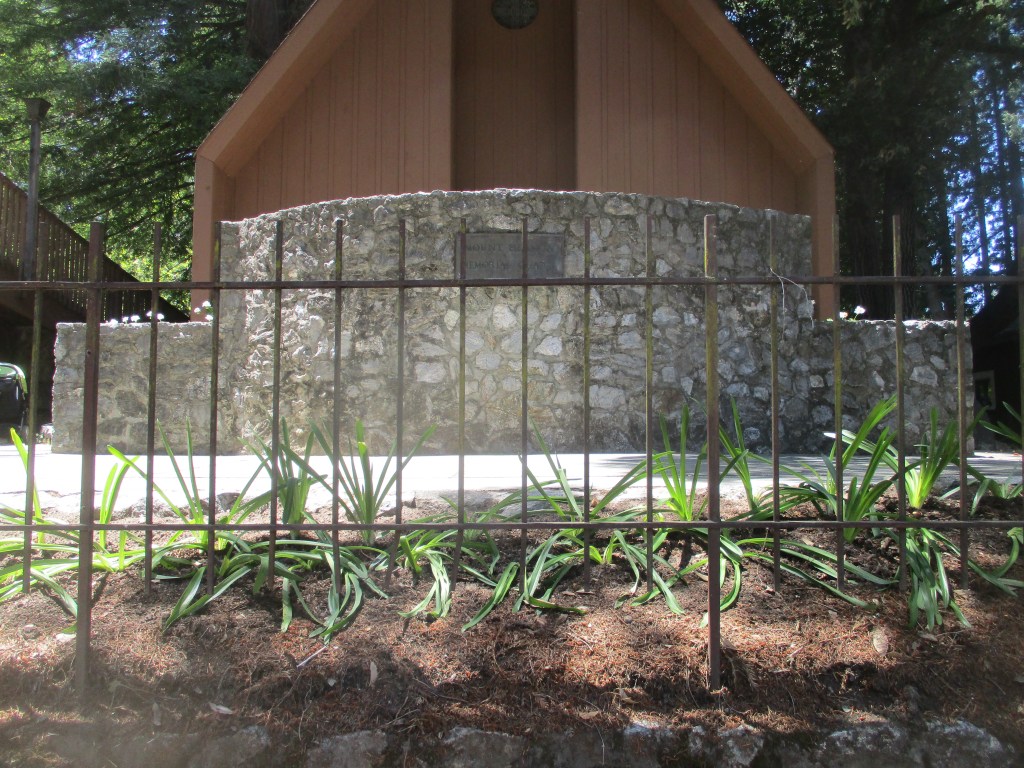
2. Since the roadway is more than five feet below the sidewalk, the dense border of lily of the Nile will make the retaining wall seem less precipitous. The shading Douglas fir will get removed.

3. Double white angel’s trumpet was also a perfect fit when it was relocated here from the same garden that the lily of the Nile came from, but got majorly distressed by spider mite infestation.
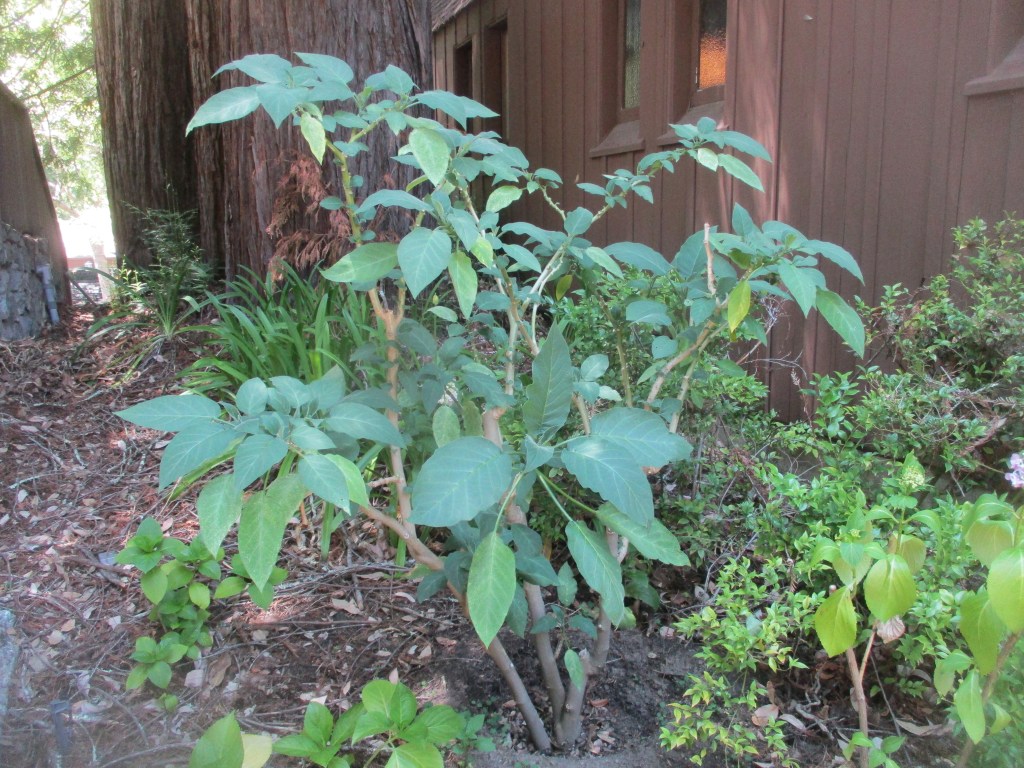
4. It is recovering splendidly now, and is even developing floral buds again. Its future is uncertain though, since mites may continue to be a recurring problem. It lives next door to the Chapel.

5. Zonal geraniums presently provide the most white bloom here, although I can not take credit for them. Someone else put them here. I merely pruned them back when they were overgrown.

6. This is not what it looks like. This gentleman may seem to be expressing his opinion of the exclusivity of the white garden, or perhaps my predilection for white, but he is merely being silly.

This is the link for Six on Saturday, for anyone else who would like to participate:

https://thepropagatorblog.wordpress.com/2017/09/18/six-on-saturday-a-participant-guide/

‘Angelina’ Stonecrop

‘Angelina’ is a bright chartreuse stonecrop.

Until the patent expires, unauthorized vegetative propagation (cloning) of ‘Angelina’ stonecrop, Sedum rupestre ‘Angelina’, is still illegal. However, it regularly flaunts its own unlawful proliferation wherever dislodged bits of stem can find anything to take root into. It can be just as happy to root into cracked concrete as in bare soil. Yet, it is a surprisingly complaisant small scale ground cover that cascades only several inches over stones, low retaining walls or the edges of planters.

Without getting more than four inches deep, stems root as they creep indefinitely but slowly along the ground. The bright yellowish evergreen foliage and bright yellow flowers that bloom about now contrast nicely with darker green or bronze foliage. Exposed foliage can get blushed with orange in winter. Shabby plants regenerate vigorously after getting pruned back. Pruning scraps sprinkled over bare soil and lightly mulched with finely textured compost will happily but illegally grow into more of the same. ‘Angelina’ stonecrop likes somewhat regular watering, but can survive with less.

Plants To Cover New Ground

Ground cover plants are quite variable.

Lawn is both the most common and the most horticulturally incorrect of landscape features. Not many landscapes lack lawn. After all, it is the most useful part. Yet, with few exceptions, it requires more water and maintenance than anything else, and in most situations, than everything else combined!

Other groundcover plants are not nearly so greedy. Some need only occasional attentions. Most want less water, and some need very little water or none at all once established. No other groundcover functions like lawn. However, they each have particular advantages.

Ideally, groundcover plants do more than just look good. Most cover otherwise exposed soil so that weeds or other unwanted plants do not dominate. Some groundcovers help to stabilize soil. A few even work as living mulch so that soil does not stay too harshly exposed for other plants to be comfortable in it.

Low growing shrubbery, like creeping ceanothus and some types of juniper, can get too deep and unmanageable for confined areas. They tend to work better where they have room to spread outward uninterrupted. Otherwise, the edges can get quite shabby if they need to be pruned back for confinement. Some sprawling cotoneasters tolerate pruning better, both on top and the edges.

Coarse vines, like honeysuckle, naturally stay low where they have nothing to climb, although they need occasional pruning to stay tidy and confined. High branched trees, like most types of eucalyptus, are beyond the reach of busy tendrils or twining vines. However, Algerian and English ivies, although considerably tidier and uniform, can cling directly to the trunk of any tree to become a wicked mess out of reach!

Old fashioned Hottentot fig (freeway iceplant) can be aggressive where it needs to be pruned around the edges, but is actually quite complaisant otherwise. It does not pile up too deeply because older stems decay as readily as they get overwhelmed by new growth above. Vigorous growth is an advantage for filling in quickly, and subduing weeds. ‘Real’ iceplants are smaller, more docile around the edges, and much more colorful when they bloom.

Horridculture – Stub

The good news is that, after three years since this article posted, this little black oak is developing nicely, and should get pruned to improve structure this winter.

tonytomeo's avatarTony Tomeo

P80620.JPGHow can a professional ‘gardener’ leave such a stub on the little California black oak in Felton Covered Bridge Park. It is not as if it is high in the canopy of a large tree, and out of reach to an arborist. This one is right at eye level, exactly where someone getting out of a car parked in the adjacent parking space would run into it. The entire tree needs some major corrective pruning, which would include the removal of significant limbs and portions of the canopy, but that is only because of years of neglect, and is another story. Right now, we are focusing on the eye-level stub.

It is not easy to see in these pictures because the lower branches are so congested. The stub extends from the lower left to the upper right in the first picture. It is right in the center of the second…

View original post 148 more words

Oleander

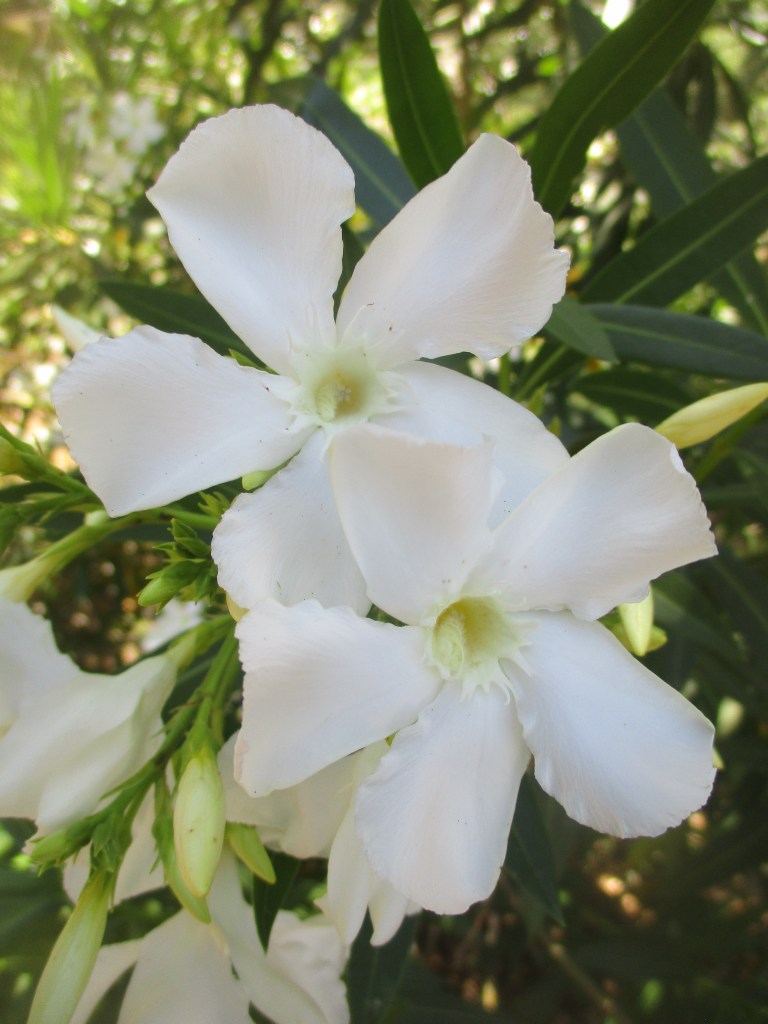
Oleander, although pretty, is famously toxic.

Prior to the appearance of oleander scorch disease in the early 1990s, oleander, Nerium oleander, was almost too popular, and for good reason. It is remarkably resilient to harsh conditions. It had been one of the more common plants within freeway landscapes since freeways were invented. Now, new plants are rarely available. Only older plants remain.

White, pink or red bloom is most abundant through warm summer weather, with sporadic bloom continuing through most of the year. Some dwarf cultivars bloom with peachy pink double flowers. Plants with enough room to grow wild without much pruning bloom best. Frequent shearing deprives the healthiest oleander of its blooming stems prior to bloom.

The biggest oleander get as tall as fifteen feet, so can be pruned up as small trees, either on single trunks or multiple trunks. However, because their limber trunks can not support much weight, occasional pruning is necessary while trunks develop. Such pruning limits bloom, so should happen mostly at the end of winter. Straight single trunks need staking. Oleander wants warm and sunny exposure, but is quite undemanding.

Toxic Plants Are Diversely Enigmatic

Smoketree is related to poison oak.

There is no single reason for toxic plants to be as potentially dangerous as some of them are. They are toxic by various means, and to various degrees. Some actually seem to be incidentally toxic. Many are intentionally and justifiably toxic. A few live in home gardens and landscapes. Of these, a few surprisingly produce safely edible fruits and vegetables! 

Immobility is a major disadvantage for plants. Those that begin to grow where resources are inadequate are unable to relocate to more accommodating situations. Those that live within ecosystems that periodically burn must either regenerate efficiently after fire, or be resilient to fire. Flowers of all plants must rely on other organisms or wind for pollination.

Since plants are immobile, they can not evade other organisms that eat them. Therefore, some do what they can to be unappetizing for the organisms that are most threatening to them. Some use thorns or similar protective devices. Unpalatable tomentum (fuzz) works for others. Many use unappealing flavor. Some are unappetizing because they are toxic.

Toxic plants are generally not toxic to a broad range or organisms. Insects eat plants that are very toxic to mammals. Onions, although commonly consumed by humans, are toxic to canines. Fortunately, most organisms instinctively know what plants are toxic to them, and avoid eating them. Unfortunately, humans and canines are occasionally exceptions.

Because young children put random items into their mouths, and puppies chew anything that they can get their teeth around, they should not have access to toxic plants. Morning glory, foxglove, yew, oleander and castor bean are some of the more poisonous of plants that are common in home gardens. Dieffenbachia is a potentially dangerous houseplant. 

African sumac and smoketree are related to poison oak. Although not so poisonous, they are incidentally toxic allergens to those who are sensitive to them. (Incidental toxins may not be intentionally deterrent to consumptive organisms.) Hellebores are both poisonous and very allergenic. Poinsettias and their relatives are toxic because of their caustic sap. 

Palm Treevia

Since posting this article three years ago, I happened to procure some seed for #3. It is unlikely anything special to anyone else, but I am very pleased with it because of where it came from.

tonytomeo's avatarTony Tomeo

P80708

This is a quick trivia question.

Which of these three states has the most native genera of palm?

1. California

2. Hawaii

3. Oklahoma

4. None of the above

P80708+

This is not a trick question. Notice that it asks about genera rather than species.

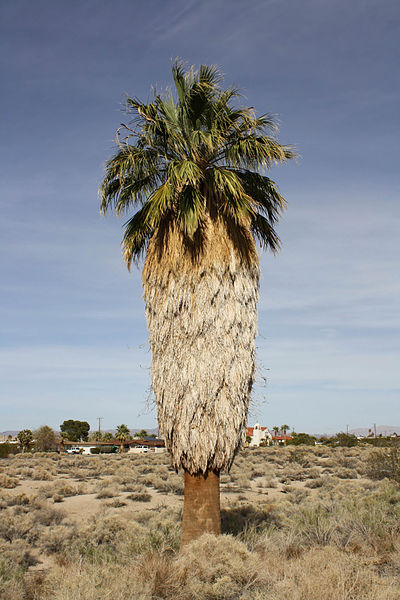
1. California is home to many exotic specie and genera of palm; but only ONE is native. The California fan palm, Washingtonia filifera, which is also known as the desert fan palm, lives in isolated groves out in the Mojave Desert. https://tonytomeo.wordpress.com/2018/06/30/oasis/ Because it prefers hot and arid desert climates, and does not like to be watered too generously through summer, it is now a very unpopular palm for landscapes.

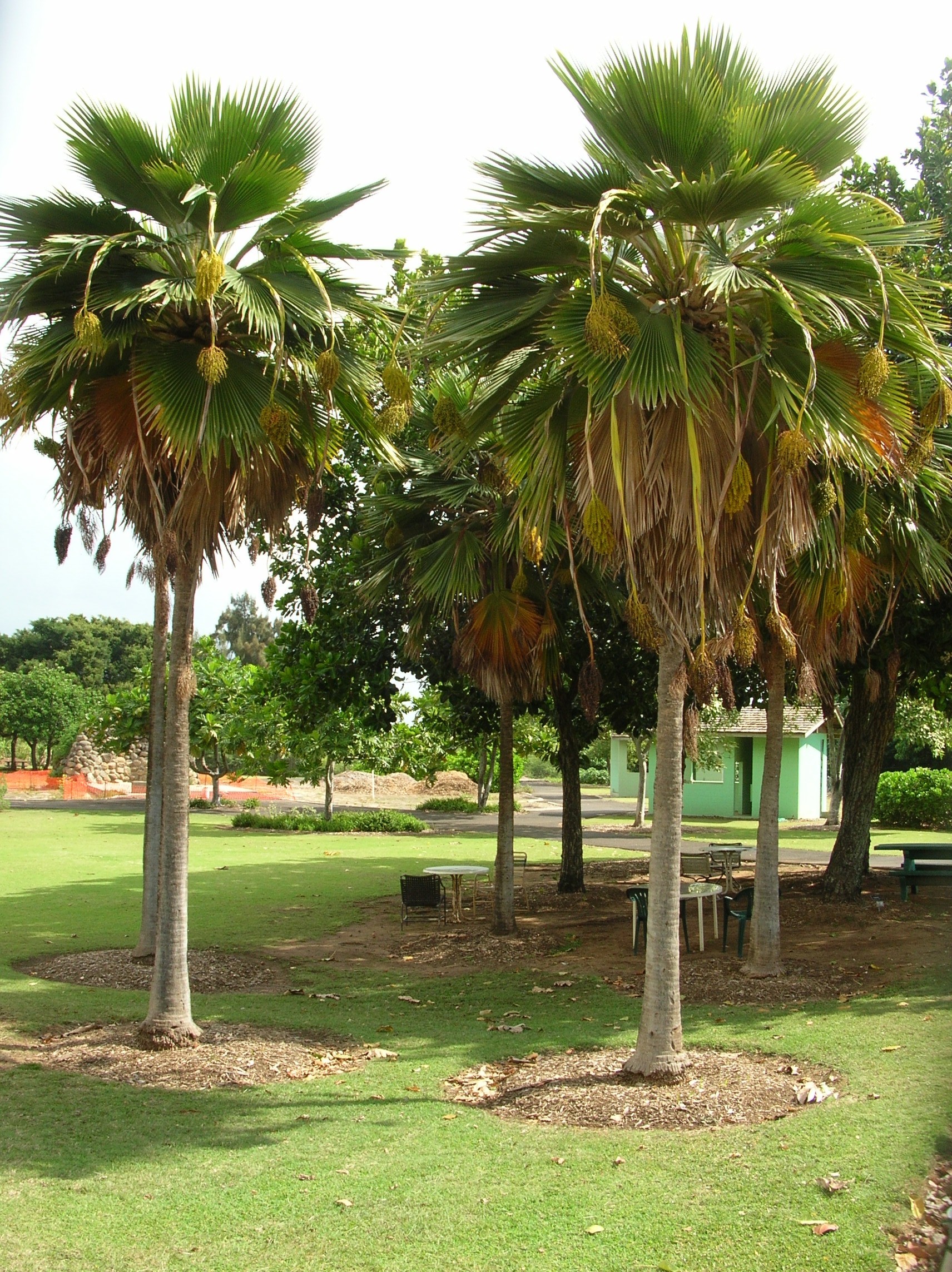
2. Hawaii, is populated by many more exotic species and genera of palm than California is, but only species of the ONE genera of Pritchardia are native. Many of the exotic genera were imported by…

View original post 321 more words

More Spontaneous Limb Failure

This article from three years ago continues from the article that was recycled last Saturday.

tonytomeo's avatarTony Tomeo

P80707KP80707K+(This was copied and modified from the Facebook page of Felton League.)

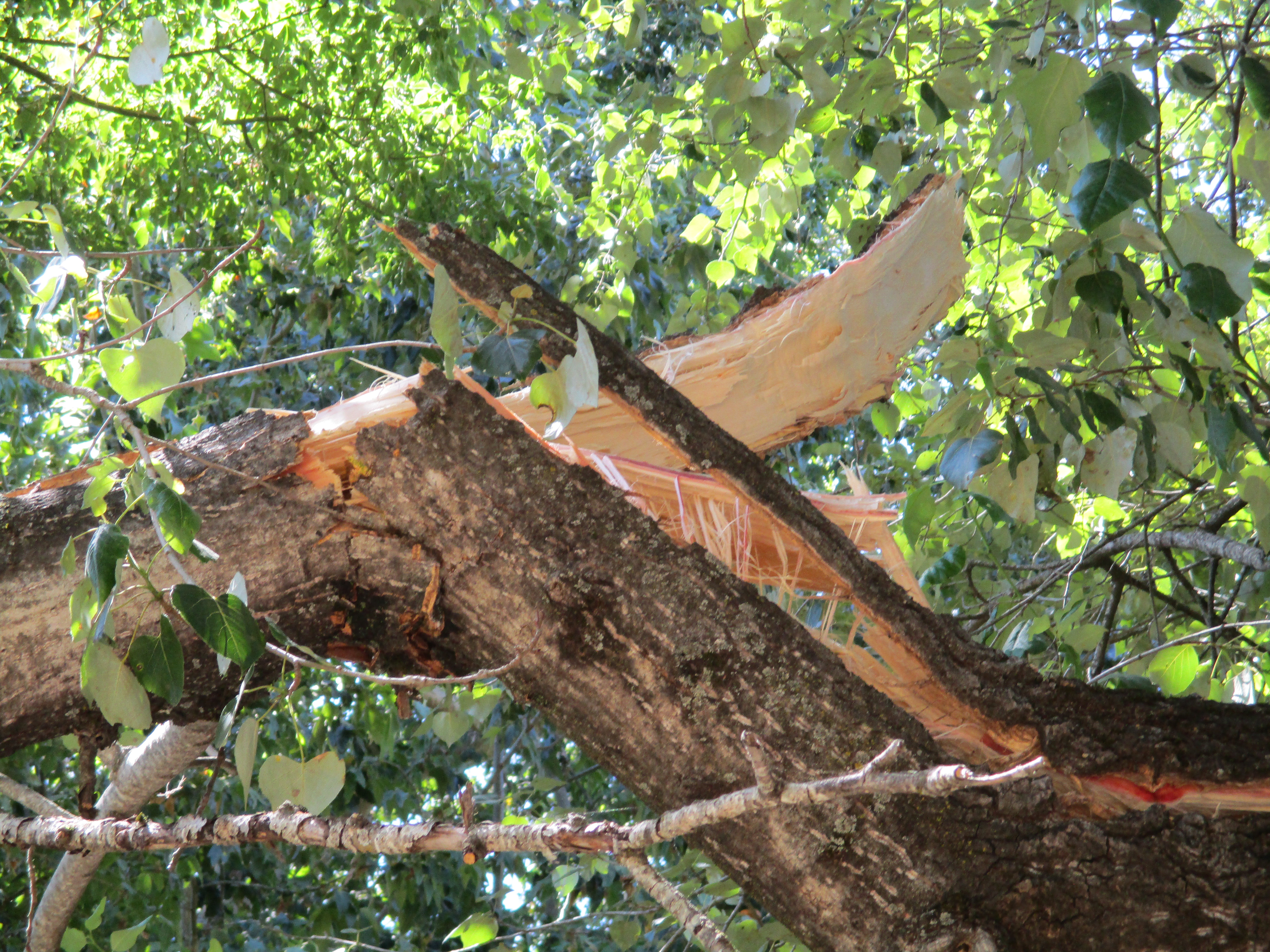
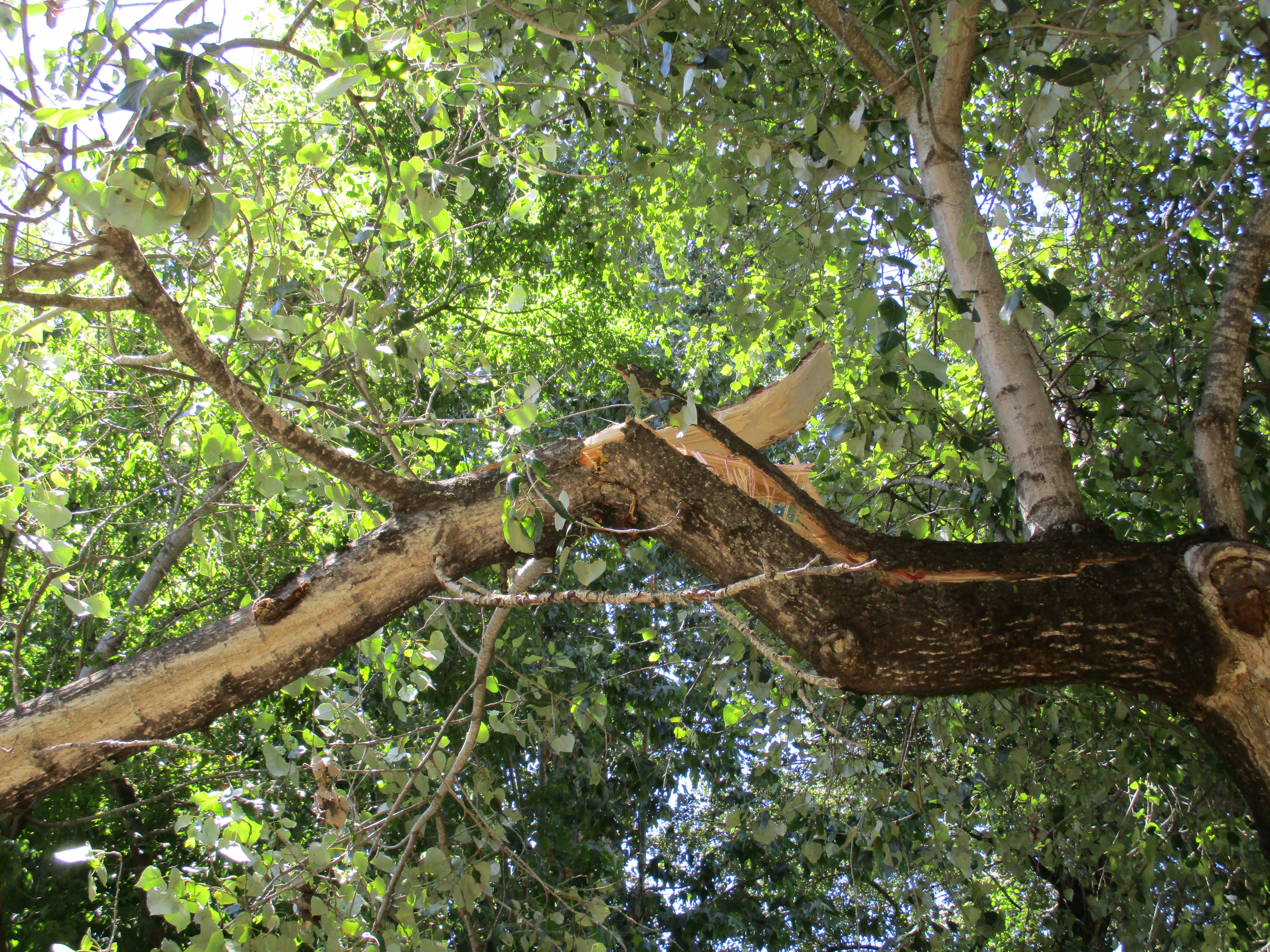
Warm and humid weather is an uncomfortable change for an otherwise mild summer. It also causes spontaneous limb failure among trees, particular those in riparian areas or irrigated landscapes. What sounded like muffled firecrackers was the (slow but steady) fracturing of another cottonwood limb in Felton Covered Bridge Park. (Another incident of spontaneous limb failure was mentioned a few days ago.) (https://tonytomeo.wordpress.com/2018/07/01/spontaneous-limb-failure/) This one was over the picnic area adjacent to the playground. The fallen portion of the limb was less than a foot in diameter, although it was slighter wider than a foot wide where the fracture originated. It fell onto the middle of a group of picnic tables, with the fractured proximal end remaining suspended and attached to the originating tree. Because it remained attached and fractured slowly, the limb did not fall with…

View original post 146 more words

Six on Saturday: Revenge of Halston Junior

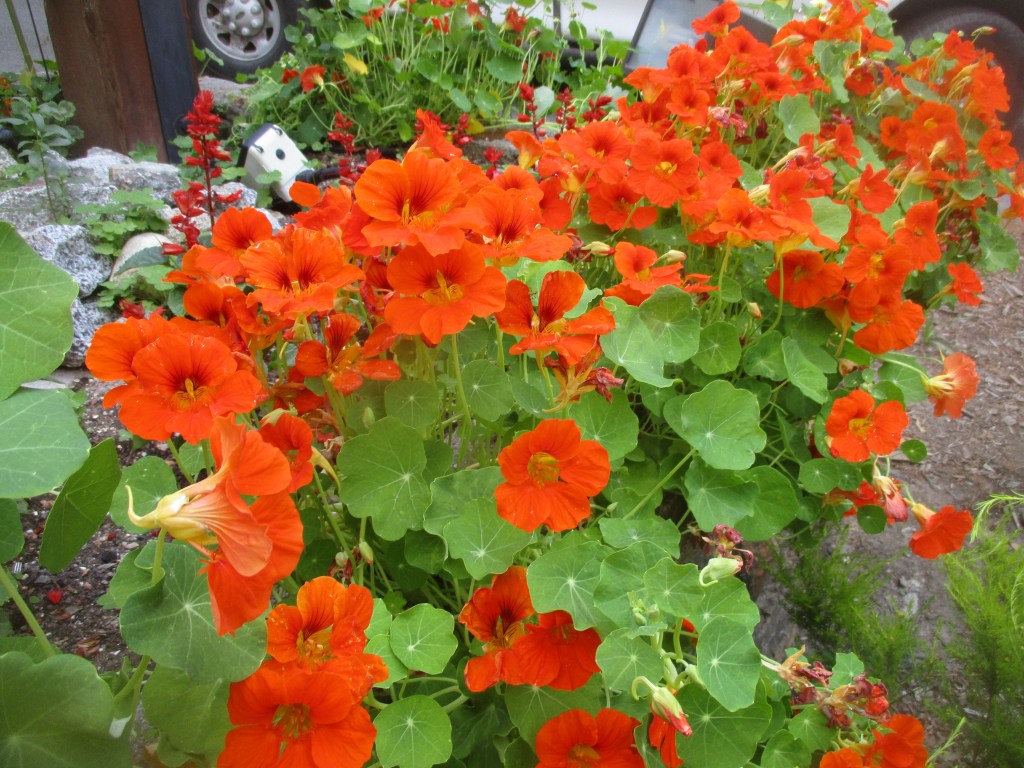
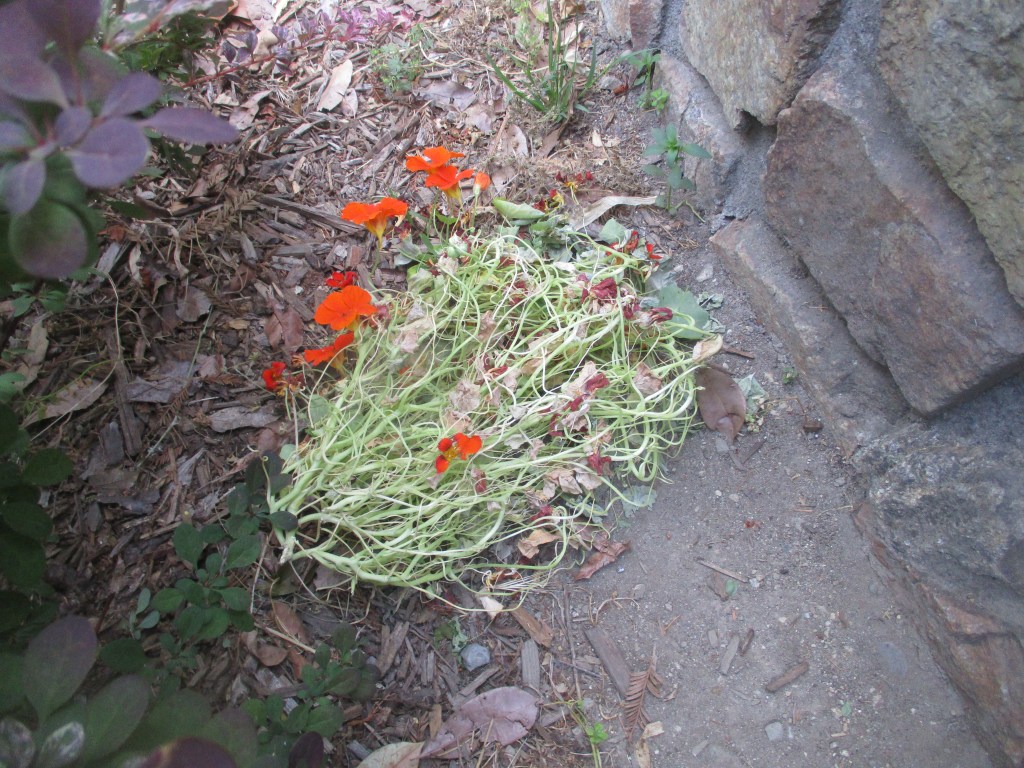
The saga continues. This time, descendants of Halston have invaded a bed that was outfitted with a layer of gopher wire that was intended to prevent such invasion. This apparently ineffective gopher wire now provides a layer of defense for the invaders. Attempts to cut through the wire in order to set traps causes tunnels to collapse, so that there are no intact tunnels in which to set the traps. These pictures are several days old. Not many nasturtiums remain. Some of the adjacent scarlet sage are missing also.

1. Nasturtiums grow like weeds. Perhaps they are. Nonetheless, they are among my favorites. These were supposed to be a mix of colors, but are mostly this vivid orange. I could not complain.

2. Is this very pale yellow or creamy white? Of the many nasturtiums that grew here from seed of mixed colors, this was one of only a few that were not the richly reddish orange shown above.

3. Bright yellow was about as scarce, with only two plants of this color. Another bloomed with rich red flowers; but I neglected to get a picture of it. I never met a nasturtium that I did not like.

4. This was a problem. The entire top of the stone wall had been occupied by healthy nasturtiums earlier. The small plant with yellow flowers to the right of this gap was just beginning to wilt.

5. This was below the gap. The main stem, which is now to the lower left, was chewed through. There was no attempt to hide the evidence, although other plants had been pulled underground.

6. Just in case there was any doubt about who the culprit was, this new volcano appeared nearby. Unfortunately, the gopher wire that was installed below this bed now impedes with trapping.

This is the link for Six on Saturday, for anyone else who would like to participate:

https://thepropagatorblog.wordpress.com/2017/09/18/six-on-saturday-a-participant-guide/

Fern Pine

Narrow leaves resemble pine needles.

It is neither a fern nor a pine. Fern pine, Podocarpus gracilior, can be a tree taller than fifty feet, and half as broad, but is often a shorn shrub or hedge that can be kept less than eight feet tall. Stems are limber enough while  young to be espaliered. The finely textured evergreen foliage is somewhat yellowish out in full sun, and darker green in partial shade. Individual leaves are as long as two and a half inches, and less than a quarter inch wide, and hang almost like fat pine needles. Some but not all mature trees can drop a bit of messy fruit with hard pits that are a bit larger than those of cherries. Bark gets distinctively blotched as it ages. The deep roots can be remarkably complaisant with concrete. Outer growth can get damaged by the harshest frosts every few winters or so, or roasted by hot dry heat every few summers.