 Horticulture is not all about growing things. If everyone was out planting trees, the World would eventually be overwhelmed with forest. It is sometimes necessary to cut trees down. There are several at work that we have been wanting to cut down for quite a while. Some are structurally deficient enough to eventually become hazardous, which is unacceptable in public spaces.
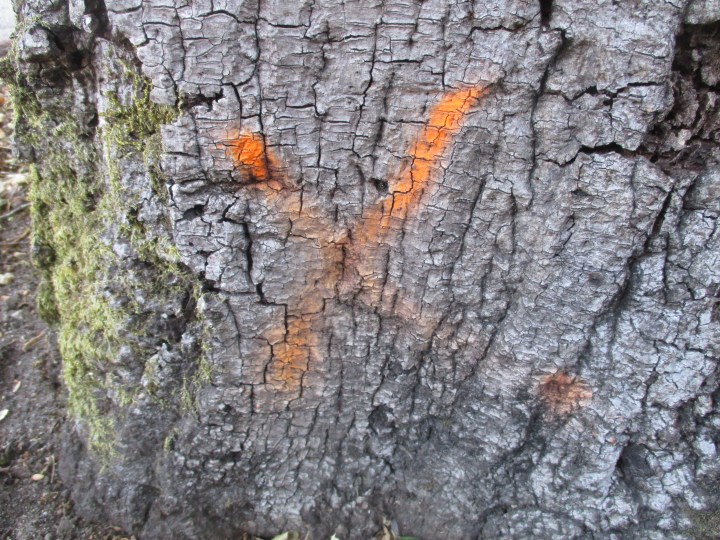
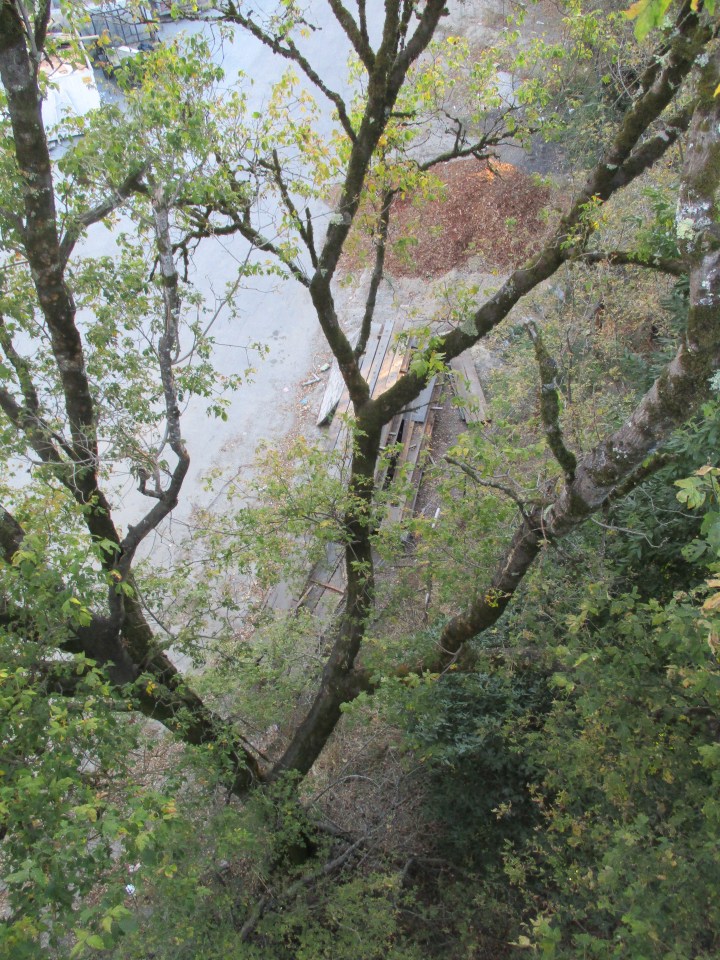
Even here among some of the oldest trees in the World, nothing last forever. Coast live oak, like that in the picture above, has potential to survive for centuries, but eventually succumbs to decay and disease. If fact, this particular specimen is doing it right now. If not cut down soon, it will eventually fall onto an adjacent building and a parking lot below. Its days are numbered.
Literally, it will be cut down on Monday morning, along with a few other coast live oaks and bay laurels in the neighborhood. The orange ‘X’ on the trunk is so faded from the delay of getting this done, that is it barely discernible. (Actually, the can of spray paint was empty.) The trunk and even the main limbs are so rotten that there will not be much firewood left to cut and split.
Cutting this tree down may seem to be unnatural, but so was pruning it for decades so that it would not fall down. It is impossible to say what situation this tree would be in now without past or present intervention. I am more concerned with how it and other trees interact with their surroundings, and the safety of everyone involved. We can not always let nature do as it pleases.
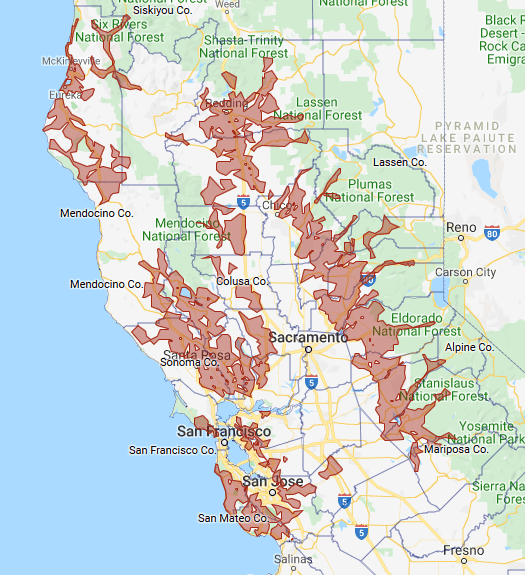
Forest fires are very natural components to our local ecosystems, but because so many of us live here, significant effort and resources are expended on containment!




 As the colorful deciduous trees go bare, the evergreen trees get more attention. A weeping white spruce, Picea glauca ‘Pendula’, really stands out. It grows slowly to only about fifteen feet tall and maybe five feet wide, so does not need as much space as a typical spruce tree. What makes it so distinctive is the weirdly pendulous stems that hang limply from a strictly vertical trunk. It is hard to believe that it is only a different variety of the same species as the dwarf Alberta spruce, which is very short, dense and symmetrically conical, with stout little stems. The foliage of weeping white spruce is lighter green than that of most other spruces, but is not as blue as that of blue spruce. The short and stiff needles are rather prickly to handle.
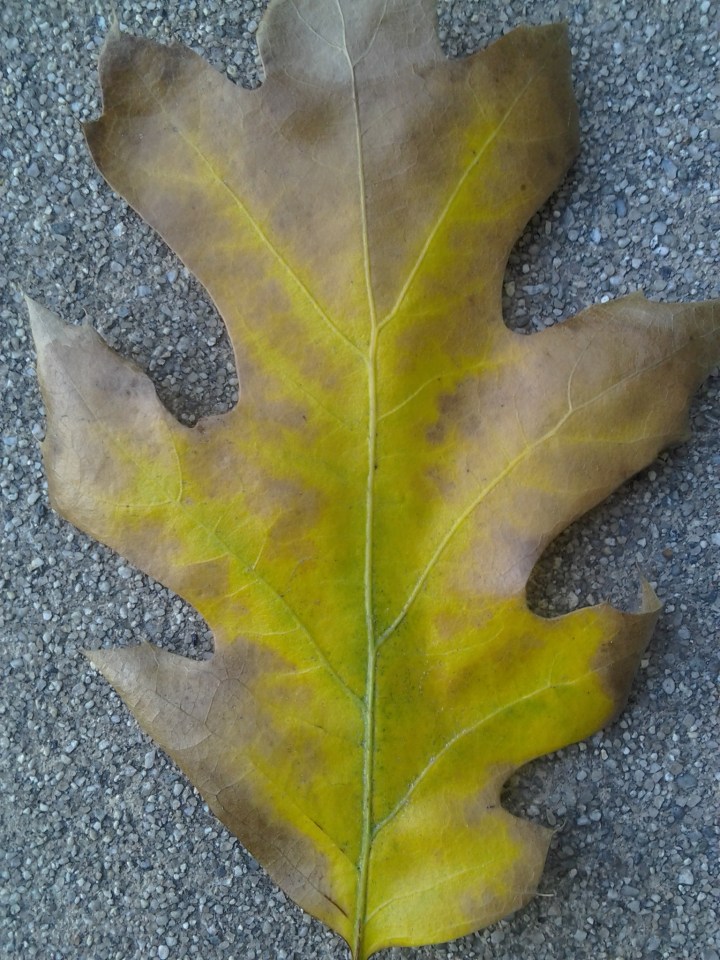 Sweetgum, flowering pear and Chinese pistache are the most reliable trees for flashy autumn foliar color, especially in such mild climates. They may not seem like it this year though. After a late start, only sweetgum is coloring well. Flowering pear trees that are beginning to show color farther inland seem to lack their typical bright yellow and orange, and are showing more dark rusty red.
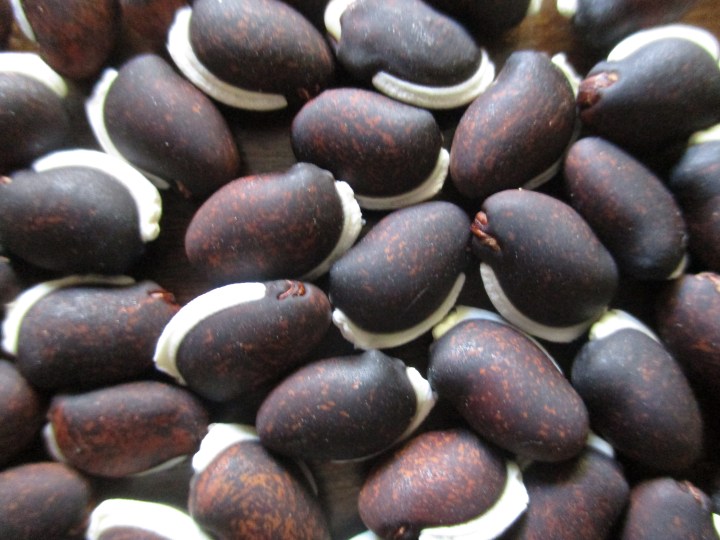 Hooey! It’s a bunch of hooey! Sweet pea seed that gets sown this time of year for next spring does NOT need to be soaked before sowing. In fact, unless there is some strange species of plant that has become that dependent on human intervention, NO seed need to be soaked prior to sowing. Not only is the technique completely unnecessary, but it is completely unnatural as well.
 Of all the Official State Trees, the coastal redwood, Sequoia sempervirens, of California is the grandest. Seriously, it is the tallest tree in the World, so it really ‘is’ the grandest! The tallest is 380 feet tall! Although the related giant redwood of the Sierra Nevada develops bigger trunks, the bulkiest coastal redwoods are thirty feet wide at the base! The oldest are more than 2,000 years old!
 The trees know what time of year it is. Even evergreen trees have shed some of their older foliage through late summer. Deciduous trees generally start later, but will be more blatant about their process as they defoliate completely through autumn to winter. Some get strikingly colorful first, as if to brag about it. Foliage is not so important during shorter days and dimmed sunlight anyway.
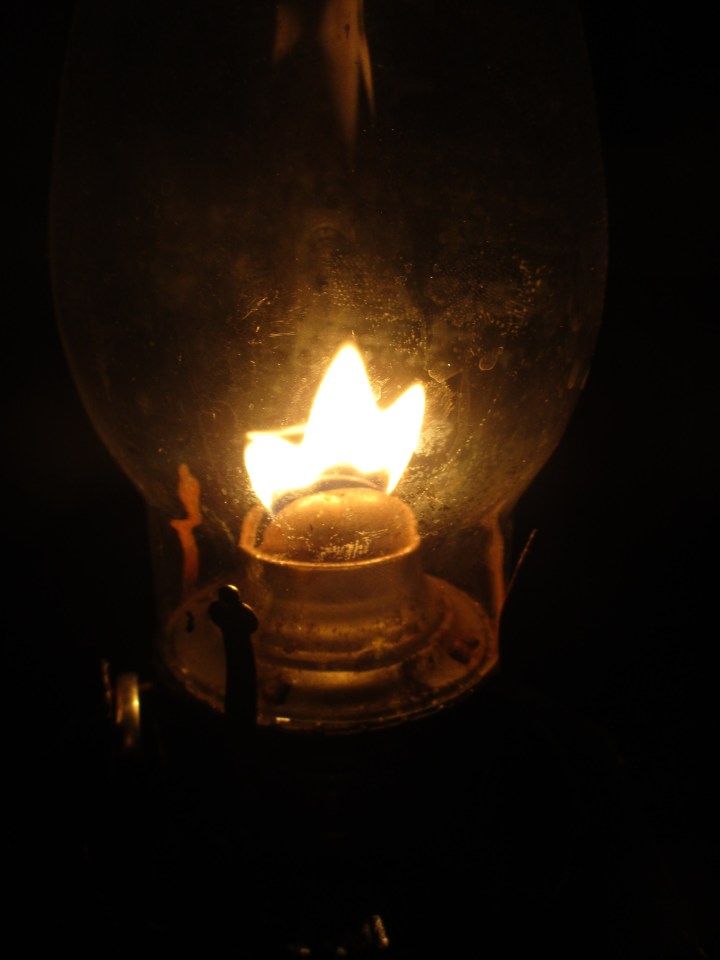 The electricity is still on here at 8:20 p.m.. I just turned the lights off to get the cool picture above. The
  Arborists see trees very differently from how most of us see them. They know their trees very intimately, and by botanical name. Arborists know how big particular trees get, both tall and wide, and if they are likely to develop structural deficiency or aggressive roots. They can tell us which are deciduous, which are evergreen, and which are messy with foliage, bloom or fruit.