 Plants have very different priorities from those who enjoy growing them. The colors and fragrances of flowers that we find so appealing are really designed to guide pollinators. The appealingly aromatic foliage of scented geranium and other herbs is actually designed to repel hungry insects and animals. Many tasty fruits are designed for seed dispersion by animals who enjoy them too.
Pollination, dispersion of seed and self defense are all part of what plants do in nature. They must also know how to survive in their respective natural environments. Many plants survive cold arctic weather. Others survive arid deserts. Many native plants want a bit of water through winter, but know how to survive through long dry summers. Many or most natives know how to survive wildfires.
As unpleasant as it seems to us, wildfires are very natural here. Native plants lack the mobility to get out of the way, so use other techniques to survive. A few, such as the two specie of redwood, survive by not being very flammable. More know how to resprout from their roots after they burn. Even more simply regrow from new seedlings. Then there those that use fire to their advantage.
Monterey pine trees tend to accumulate combustible debris. They also produce more seed-containing cones as they age and deteriorate. When they burn, all the debris burns so hotly that most of the other competing vegetation gets incinerated. However, the dense cones of Monterey pine protect the seed within, only to open to disperse the seed afterward. It is a rather ingenious plan!
Ungroomed desert fan palms burn at least as hotly, but survive because the hefty trunks protect the buds within. Each technique works for the specie that use it, but is not safe for home gardens! This is why combustible vegetation needs to be managed around the home. The rules are different in urban areas than they are where wildfires are a concern, but they are important everywhere. Even the most combustible of native plants, as well as exotics, can be reasonably safe with proper pruning and maintenance.
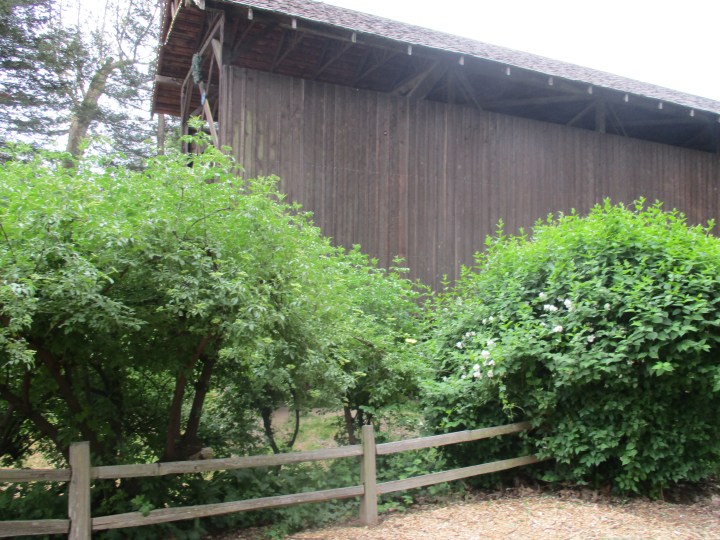 Pollarding and coppicing are proper pruning techniques. If you think you are an arborist who believes otherwise, do not waste my time arguing about it. More than likely, you are neither as educated nor as experienced as I am with such matters, or you work exclusively with trees for which such procedures would be very inappropriate.
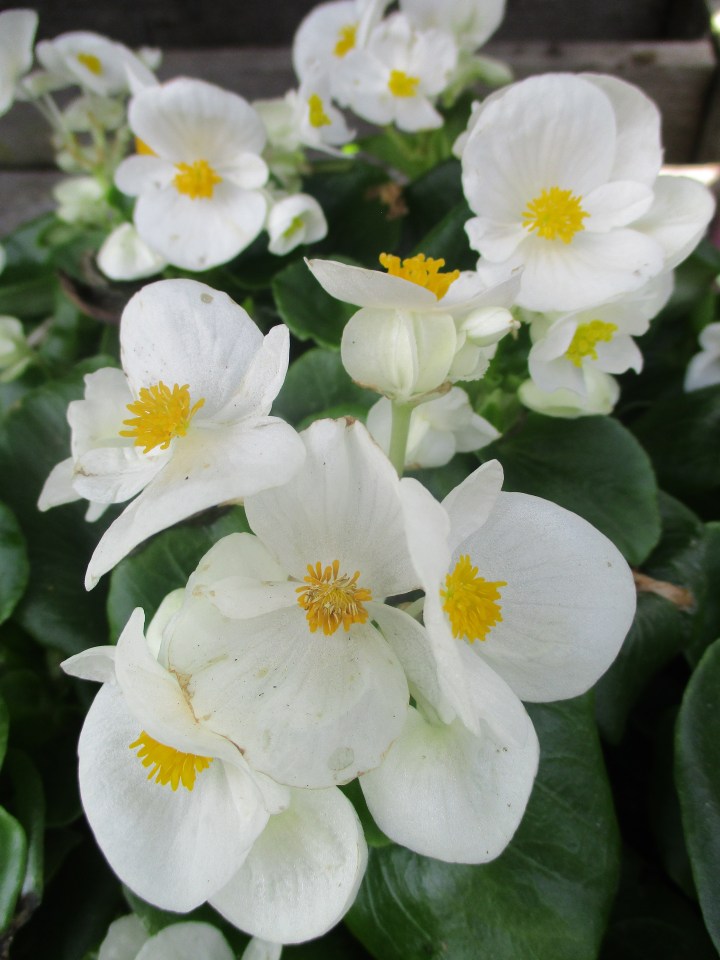 Oh, how breeding complicates things. Many years ago, there were only six basic types of wax begonia, Begonia semperflorens-cultorum, with three choices for floral color, and two choices for foliar color. Bloom was white, pink or red. Foliage was either green or dark bronze. Although these choices have not changed, some modern hybrids are difficult to distinguish from other species.
 Simply put, ‘nomenclature’ is how things get named. It is not exactly like naming a child or a dog, or even a new small country in the South Pacific. There is a certain technique to it that is more like naming cars. Well, it ‘was’ like naming cars, a long time ago when cars had simple names rather than numbers and letters. Coincidentally, nomenclature of plants is getting to be just as confusing.
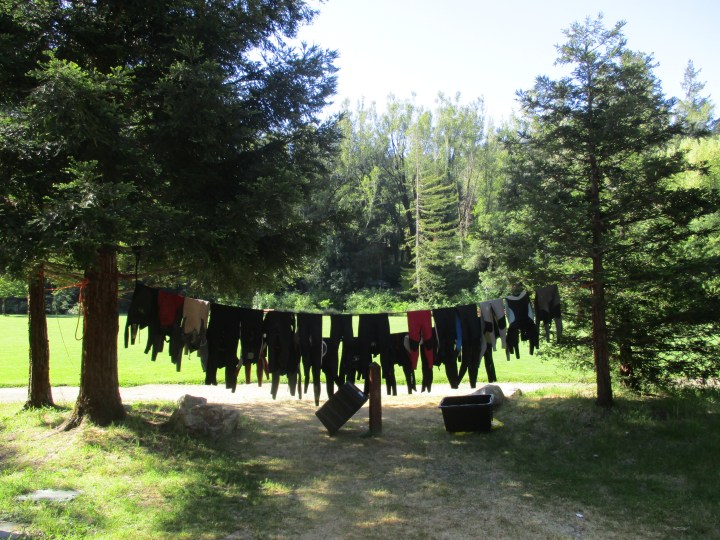 I am no designer. I am merely a horticulturist. I grow things, and I know how things should be grown in landscape situations.
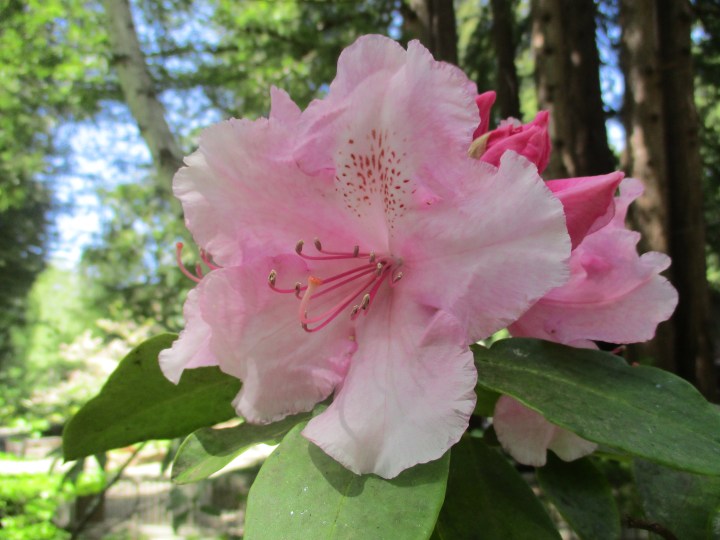
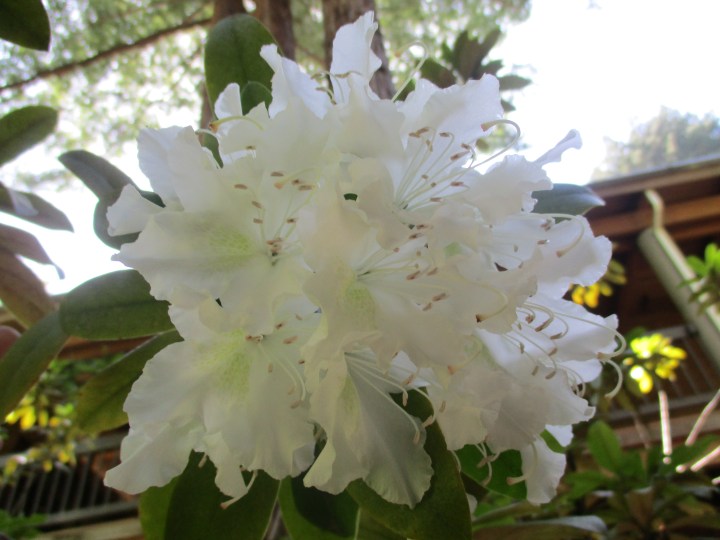
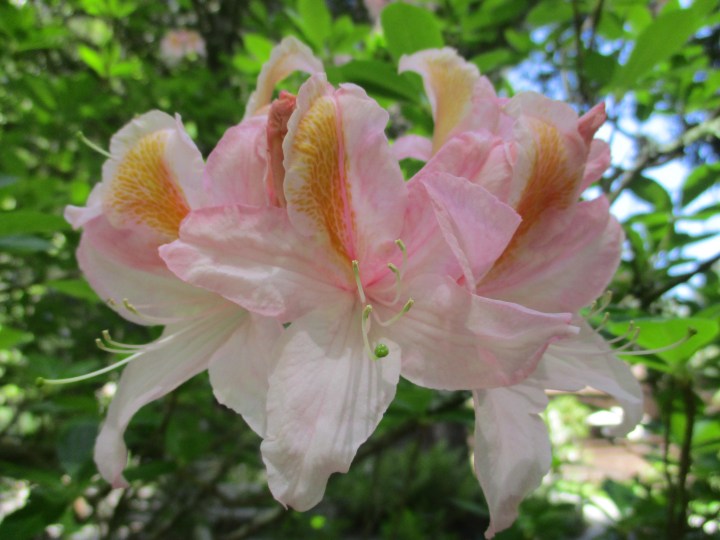 There are countless species and cultivars of rhododendrons. Some have been in cultivation for centuries. Their big bold blooms are spectacular against a backdrop of their dark evergreen foliage. They prefer shelters spots, and some are happy to bloom in places that are too cool and too shaded for other flowers to bloom so well. They are so impressive that no one notices that they lack fragrance.




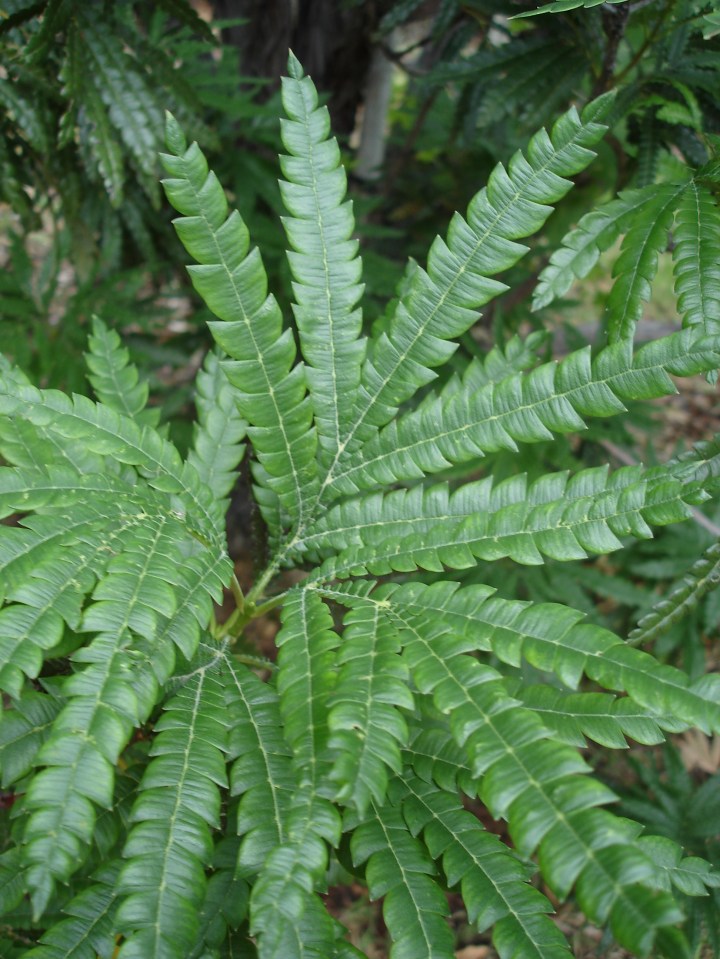 A few years ago, it was known as Santa Catalina Island ironwood. However, the rare subspecies native to Santa Catalina Island lacks the distinctively angular foliar lobes of the Santa Cruz Island ironwood, Lyonothamnus floribundus ‘aspleniifolius’. The evergreen compound leaves are about five inches long and four inches wide with three or five narrow leaflets, and look like chicken feet.
 Native plants should be the most sensible options for local landscapes and home gardens. It seems natural that they would be the most sustainable, since they survive in the wild without watering, soil amendment or fertilizer. Once established in landscapes, they should be satisfied with the moisture they get from annual rainfall. Plants that are not native are considerably more demanding.
 California poppies are like no other wildflower. They are so perfectly bright orange, and look almost synthetically uniform in profusion, as if painted onto coastal plains and hillsides. They may be a bit more yellowish in some regions, or a bit deeper orange in others, but they are always bright and strikingly uniform.
