Just like in April, there is too much blooming here in the Santa Cruz Mountains above Los Gatos to easily select only a few pictures. Again, these pictures are from work instead of my home garden. We are in USDA Zone 9, on the coastal side of the Santa Cruz Mountains, which is significantly less arid than the chaparral climate of the Santa Clara Valley below the inland side.
In the process of selecting pictures, I omitted most of any flowers that I have used or will use for other articles, as well as the new warm season annuals that will be more prolific later in the season. However, I might feature chamomile soon, and will post several pictures of rhododendrons on Saturday morning.
Mock orange, Philadelphus lewisii, is finished blooming. I wanted to get this picture of it before it was completely gone. These flowers were in a shaded spot, so lasted a bit later than the others. They are extremely fragrant, and extremely white. They contrast nicely with their rich green foliage and the surrounding evergreens. This mock orange is the state flower of Idaho. Mock orange of a different flavor blooms sporadically and later. This one is Pittosporum tobira, or something like it. It happens to be a very old shrub, so might predate the modern garden variety, or might be a slightly different species. It does not look quite right, but I can not explain it in any manner that would interest anyone. It is fragrant too, but with heavier fragrance.
 Roses are finishing their first phase, but are already starting their next phase. Most of these are floribundas, which are not my favorite, but work very well here were they are so visible. Quantity is more important than quality here in this prominent spot. We want them to bloom more regularly than to make flowers for cutting, although some do happen to make nice stems.
 Clematis is still in the can because it was only recently purchased from a nursery to be added where others are not filling in on their trellis adequately. Vines are such a bother. Most are too aggressive and crush their trellises. Those that are not so aggressive do not fill in well enough. Clematis blooms nicely this time of year, but rarely does much more once summer gets warm.
 Peruvian lily or alstoemeria do quite well here, and are certainly happier than in the Santa Clara Valley a few miles away. There are three here. A pink one can be seen in the background. There is also a salmon pink one. All three are the sort that used to be grown for cut flowers, but are difficult to obtain now. Most garden varieties are lower and mounding with shorter stems.
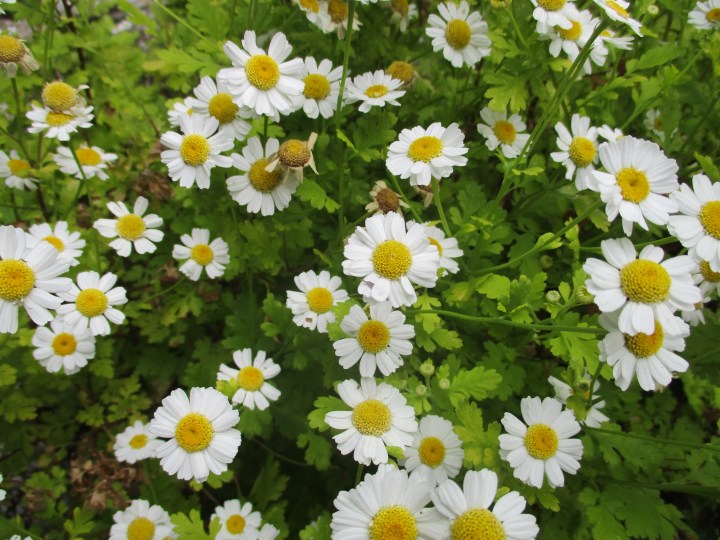
 Chamomile can naturalize here, but this garden variety does not seem to seed so profusely. Actually, it does not seem to seed at all. I have not yet seen any feral chamomile. The foliage of this variety was bright yellowish chartreuse when it was new, and is now fading to light green. It blooms most of the time. By the time it gets too green, it can get cut back and start all over.
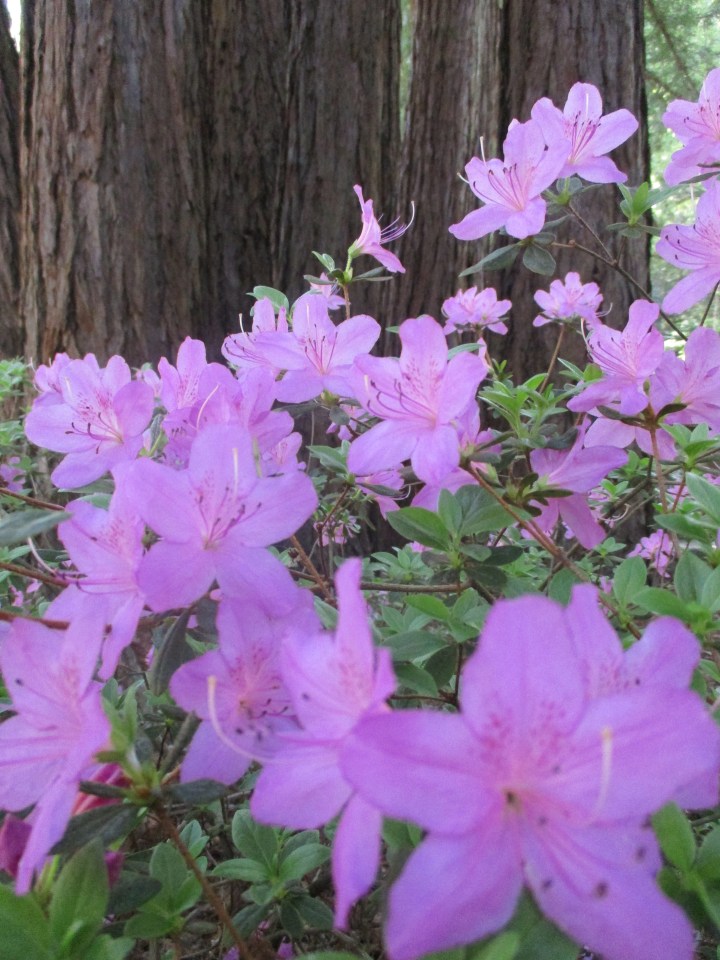
 Rhododendron is blooming all over. I took pictures of only this one flower because, as I mentioned earlier, I will post six more pictures of other rhododendrons on Saturday morning. I chose this particular flower because I also wanted to show how big the plant that produced it is. Other colors can be seen nearby. They are really happy here, even with minimal maintenance.
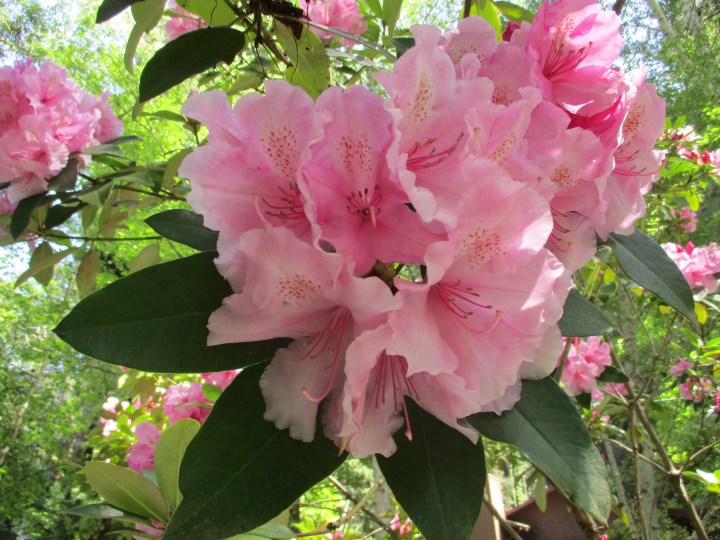 This picture does not show off flowers as well as the rest of the pictures do, but shows how big the rhododendron tree is. Although it is not as broad as some of the others are, it is likely the tallest here. It is situated at least twelve feet below the bridge, and stands about twelve feet above it, so is at least twenty five feet tall! Even by my standards, it is a big rhododendron!
 Garden Bloggers all over America and in other countries can share what is blooming in their gardens on the fifteenth of each month on “Garden Bloggers’ Bloom Day”, hosted by Carol Micheal’s May Dreams Garden at http://www.maydreamsgardens.com
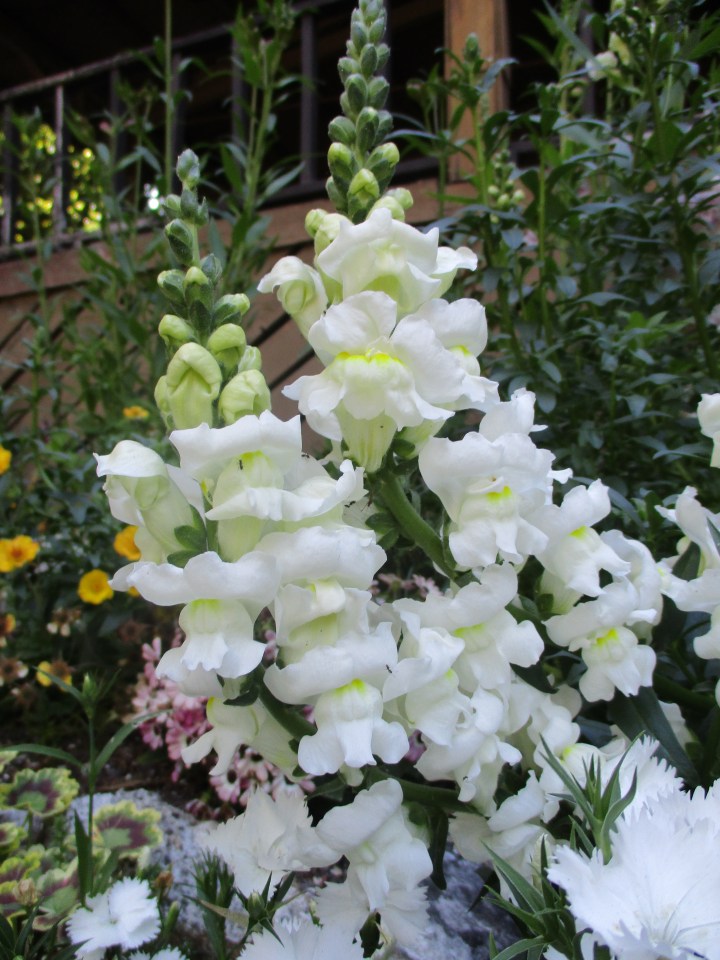
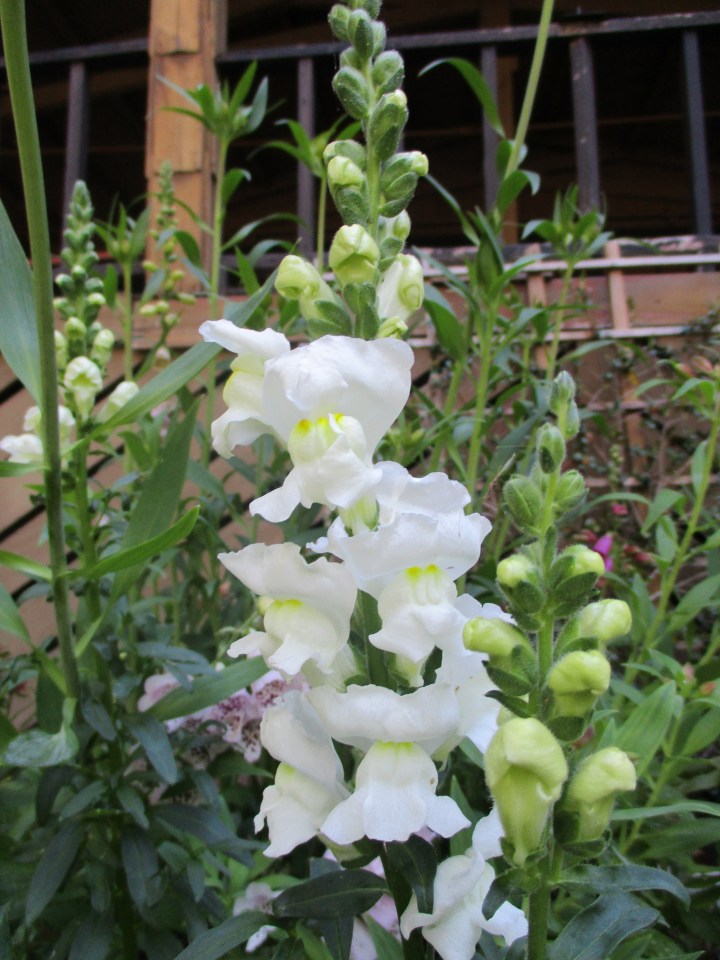 They are short term annuals in spring or autumn. Where winters are cold, they may last from spring through autumn. Where summers are hot, they may last from autumn through spring. So what are snapdragon, Antirrhinum majus, here? They can be either or both, depending on where and when they get planted. For most of us, they are a cool season annuals that finish before summer.
 When a seed germinates, the roots know that they want to go down, and the new stem knows that it wants to go up. Going up sounds simple enough. Stems just go towards the light. How do they know where the light is while they are still under the soil? Well, new stems go upward for the same but opposite reason that roots go downward; gravity. Roots go toward it. Stems go away from it.
 Erigeron karvinskianus
 It is not as if the previous article about it was inadequate.


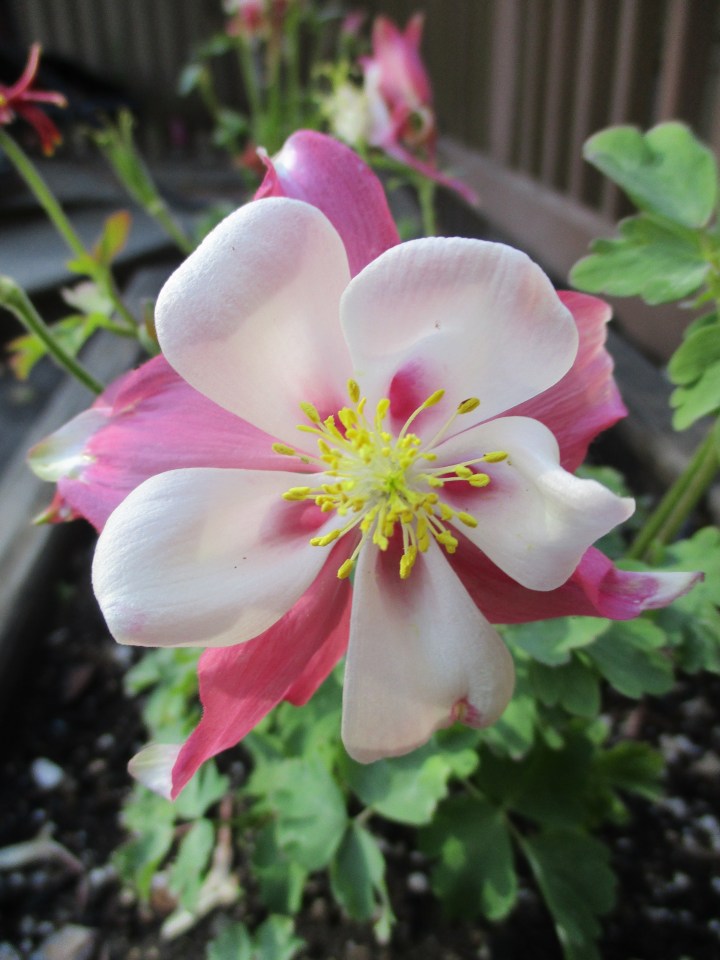
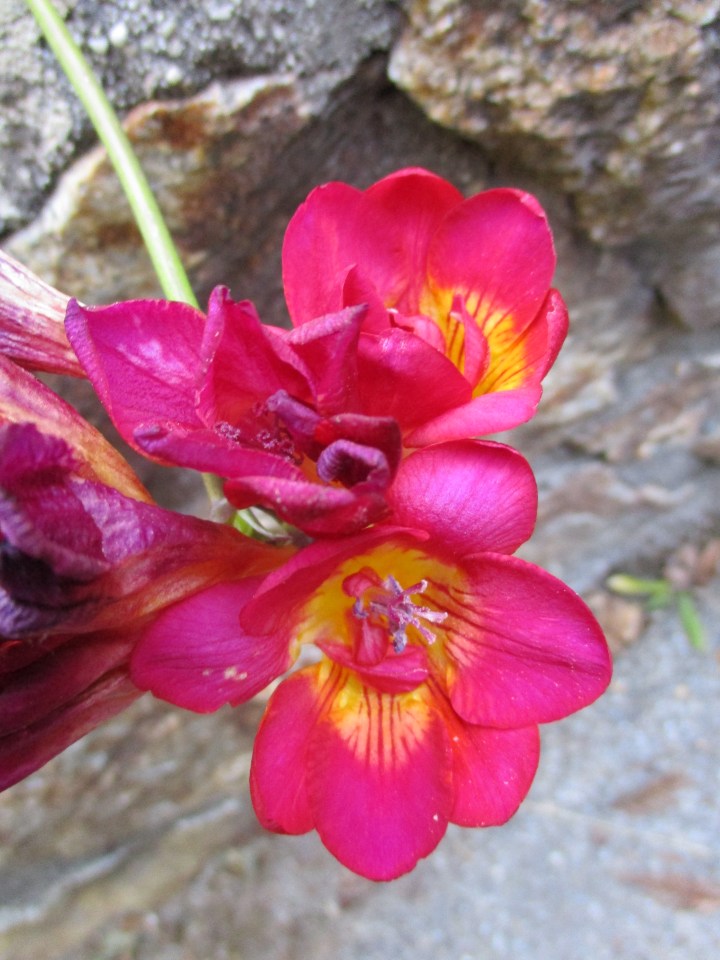 This is the link for Six on Saturday, for anyone else who would like to participate:
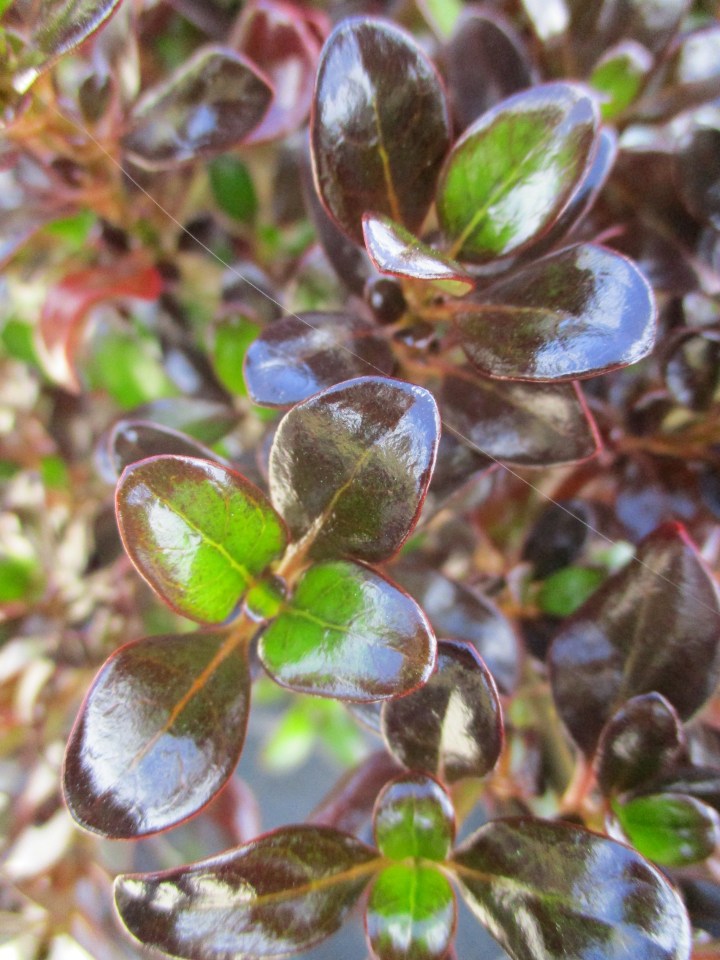 As the old fashioned larger mirror plant, Coprosma repens, fell out of favor through the 1990s, several more colorful varieties of a more compact species of mirror plant, Coprosma X kirkii, became popular. (The ‘X’ in the name indicates that it is actually a hybrid of two specie.) Without getting much more than two feet deep, it spreads out laterally like dense evergreen groundcover.
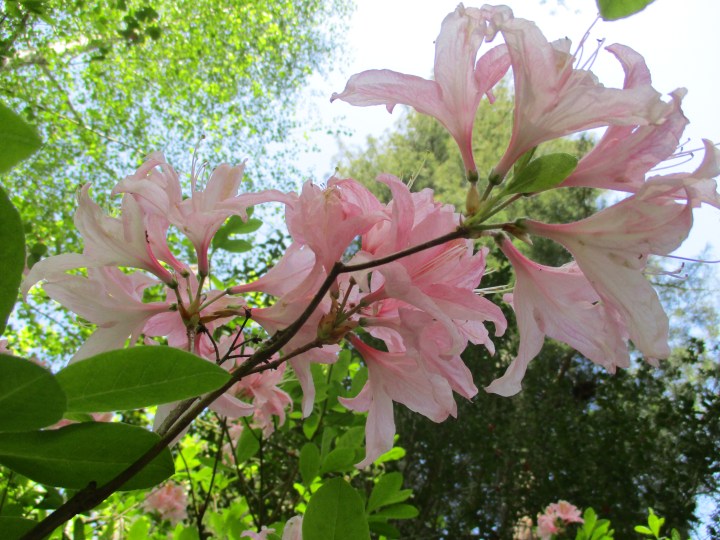
 They are not a myth. They are quite real. So are the related and similar deciduous azaleas. There are certainly not as popular or as diverse as the familiar evergreen cultivars, but they have their place.
 (The article from my weekly gardening column that is typically posted on Thursday was posted yesterday, which is why this article, which is more appropriate for Wednesday is posted today.)
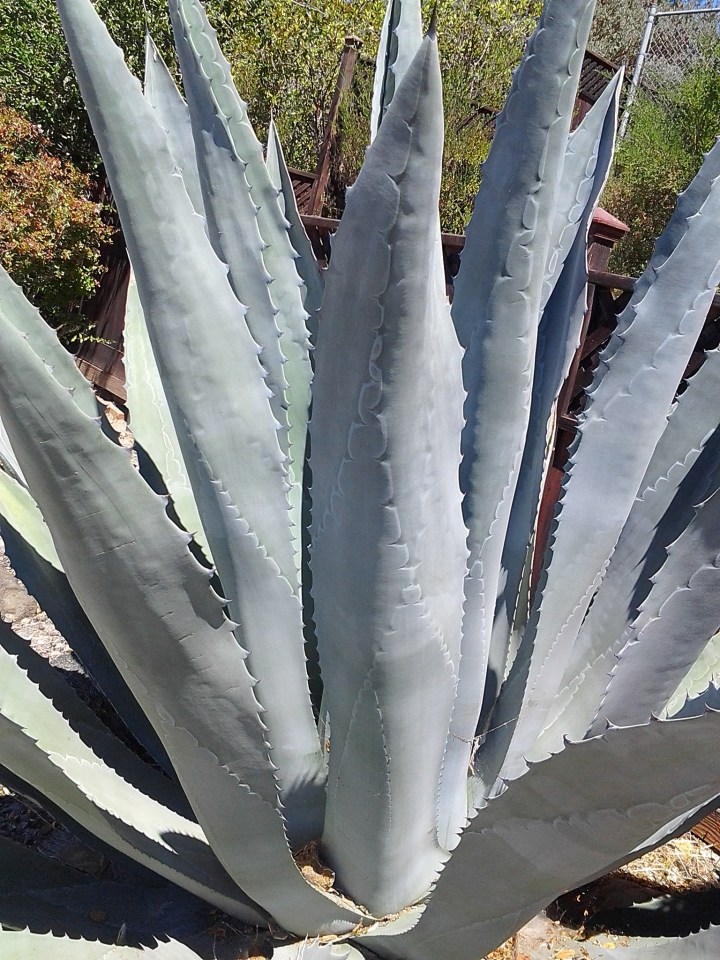 Flowers were originally colorful only to attract pollinators. Breeding has improved the color and quality of many garden varieties of flowers, to make them more appealing to the people who grow them. Some have been bred so extensively that they are sterile, which defeats the original function of flowers. Now their function is merely to look good in the garden. Improvements are relative.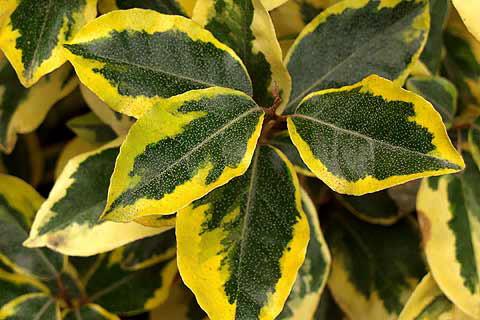
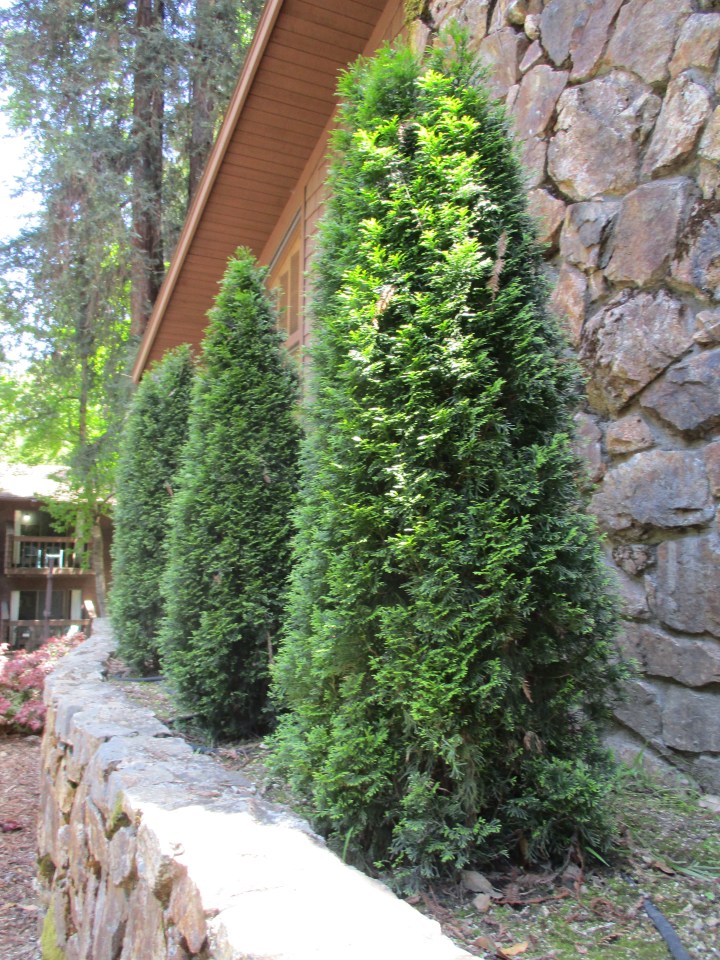 The many cultivars of arborvitaes of home gardening have been so extensively bred and selected that only the foliar texture resembles that of their ancestors. ‘Emerald Green’ which is also known by its Danish name ‘Smaragd’, is a cultivar of arborvitae that was developed from the white cedar, Thuja occidentalis,which grows wild from Minnesota to New Brunswick, as a forty foot tall tree!
