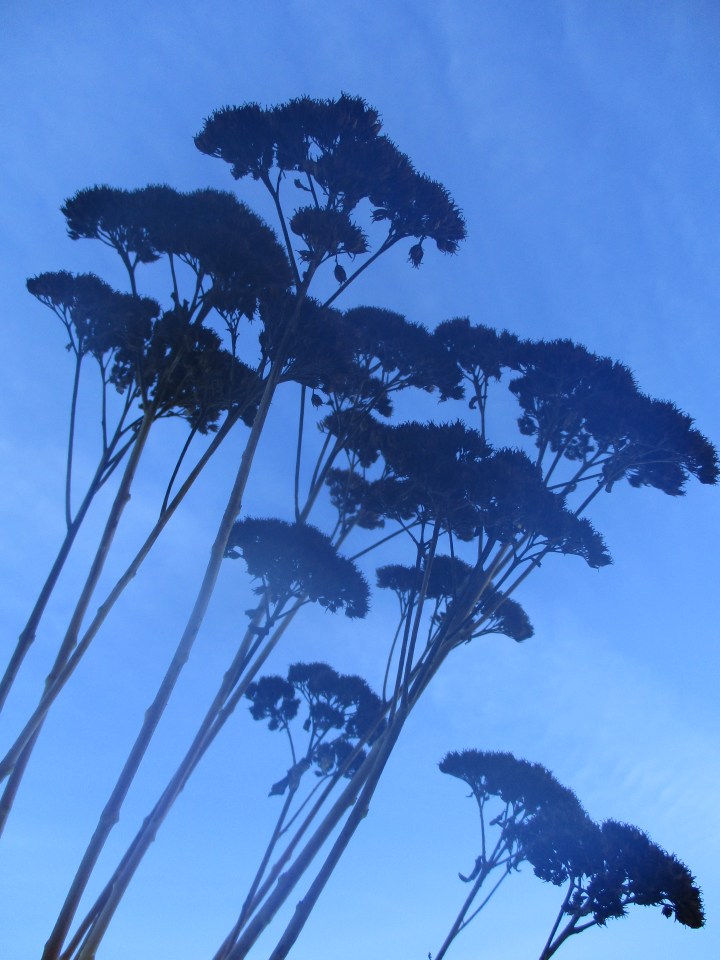
 April showers bring May flowers. May flowers make a mess. Well, some of them do. Most simply disintegrate and fall from the trees, shrubs and vines that produced them, and decompose into the soil below. Some might have needed to be swept off of pavement and decks. Regardless, most of us do not notice the very minor consequences for the majority of spectacular spring bloom.
However, there are some flowers that demand a bit more attention after they finish blooming. They linger after the show is over, and can look shabby as they deteriorate. Small ones can simply be plucked. Larger blooms might need to be pruned out. The process of removing deteriorating blooms is known as ‘deadheading’, and it is done for more reasons than just to keep plants groomed.
Plants bloom to produce seed, and the production of seed takes resources. Removal of seed structures not only diverts resources to more useful functions, but for many plants, it also stimulates subsequent bloom in response to interrupted seed production. They literally keep trying until they are able to produce viable seed, even if they must continue all season until late autumn dormancy.
Most plants that benefit from deadheading are perennials. Shasta daisy, black-eyed Susan, blanket flower, cone flower, yarrow, lavender and beard tongue (penstemon) bloom more abundantly and for a longer time with regular deadheading. The various lavenders, as well as other perennials that are comparably shrubby, are easily deadheaded by shearing after profuse bloom phases.
For bulbs and bulb like perennials that bloom only once annually, deadheading will not promote subsequent bloom during the same year, but conserves resources for the following year. Daffodil, lily, clivia, various iris and, during summer, gladiolus and dahlia, all appreciate diligent deadheading.
Petunia and marigold are two annuals that happen to bloom better with regularly deadheading. They bloom so profusely that deadheading can be quite a chore. Plants that can be invasive, such as salsify, should be deadheaded before dispersing seed.
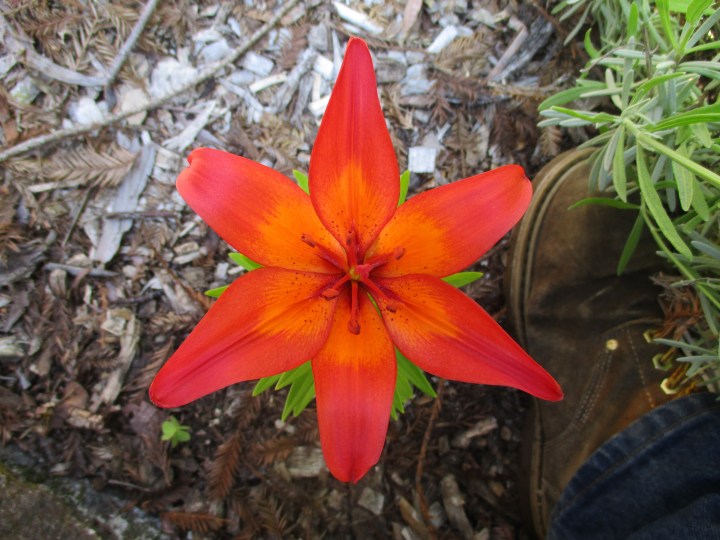 What a delightful surprise! It happens sometimes here in the rose garden. It may not look like much, as a short stemmed single lily floret that is mostly overwhelmed by the English lavender that I held back with my boot for this picture. It should be three feet tall or so, with several florets. The surprise is that no one planted it. Well, at least no one planted it recently. This rose garden has more history than is obvious from what blooms here now.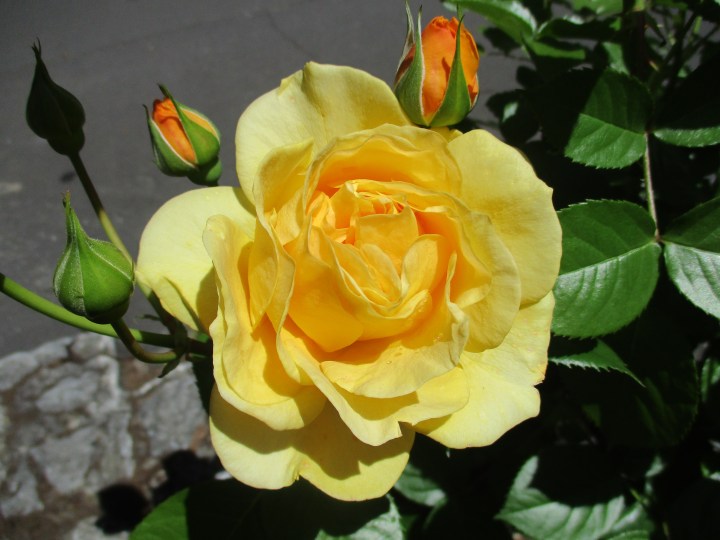
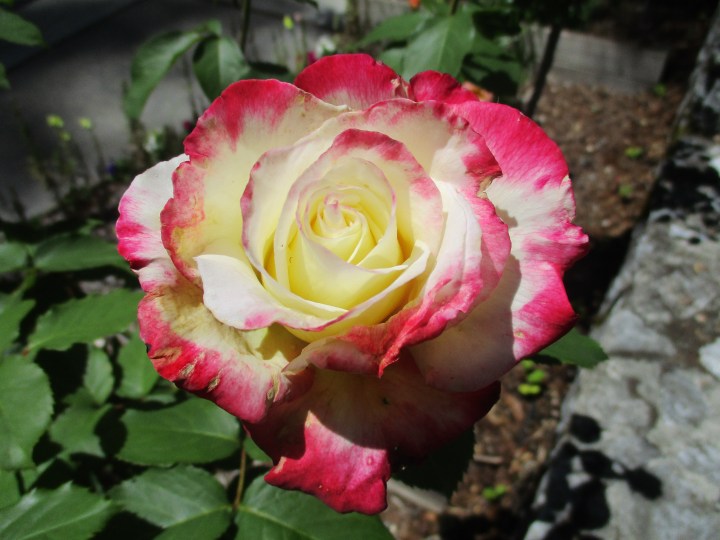
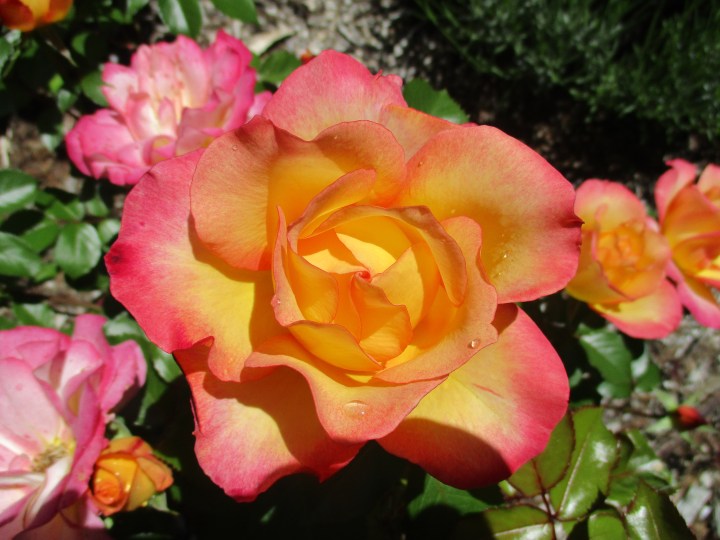

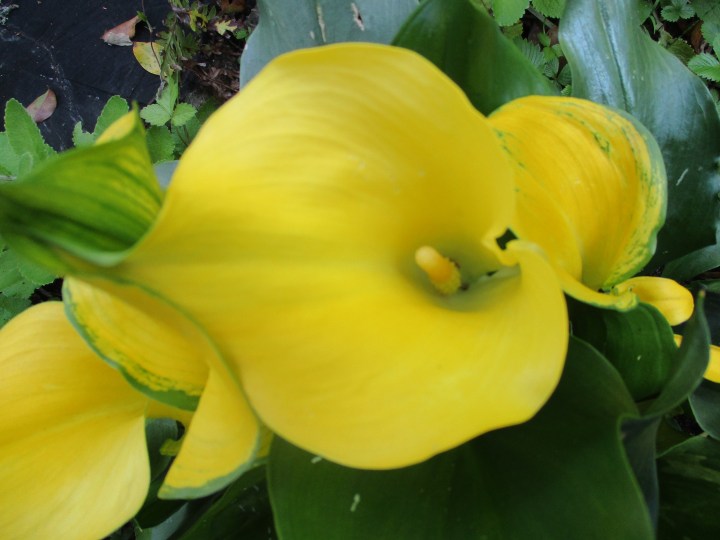

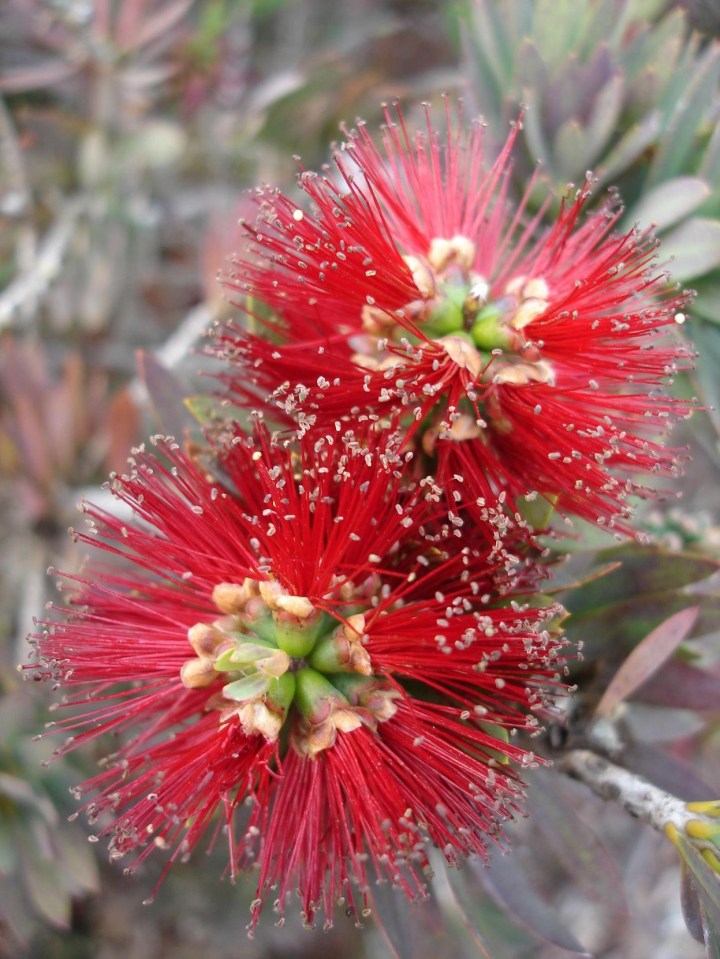 There is nothing like growing our own; whether vegetables, fruit or cut flowers. Most fruit and vegetables are grown to be eaten, so are not missed too much when harvested. Even colorful citrus fruit is better harvested than left out in the garden. No one wants to waste it. Flowers are not so simple. They are so colorful and fragrant in the garden, that it is tempting to leave them all out there.
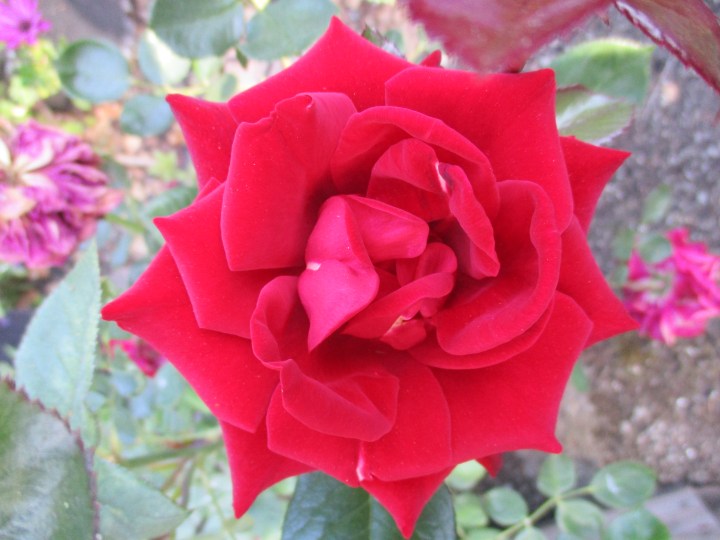 Roses are not for the meek. They are too demanding, too sensitive, too thorny, and without their flowers, they are not even very attractive. They have no business in a low-maintenance landscape, or in a landscape maintained by mow, blow and go gardeners. Those who want to grow rose plants for their flowers should be ready to give them what they want, and to prune them aggressively.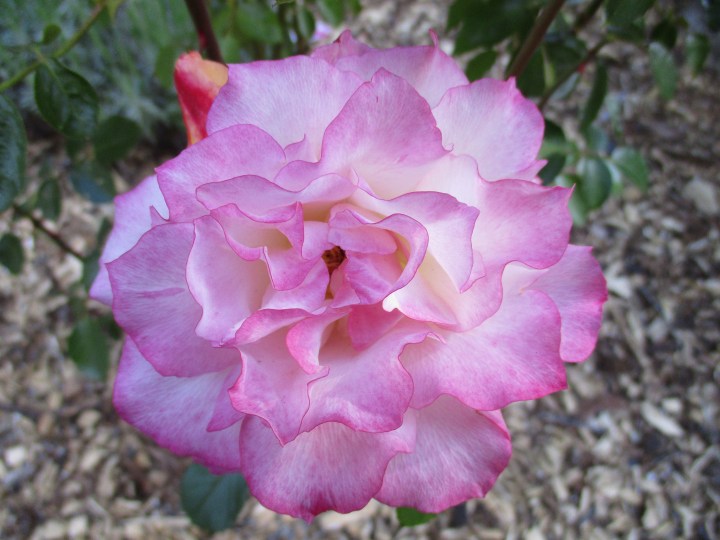


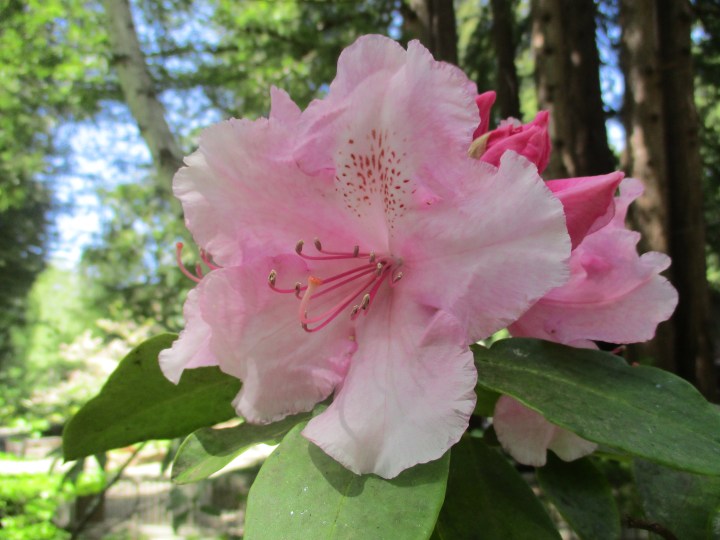

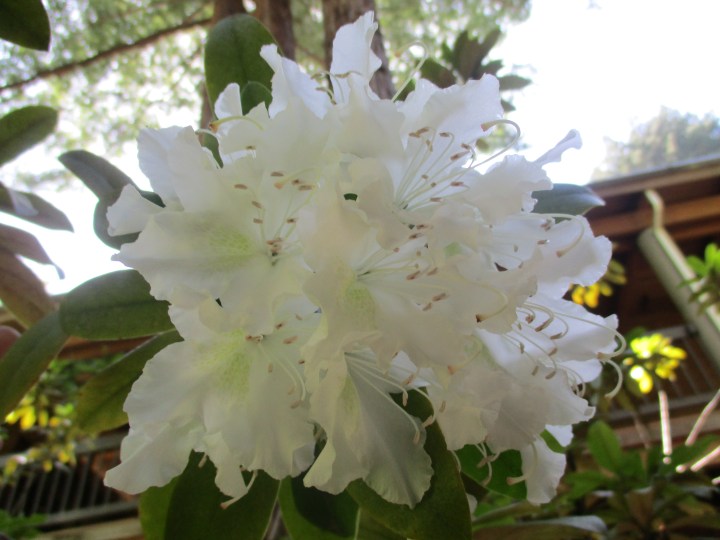

 Do they seem to be early this year? Clustered bellflower, Campanula glomerata, typically waits until the end of spring to bloom. Once the initial and most prolific bloom phase finishes, sporadic bloom should continue almost through summer. Blue is their most popular and traditional color. White is their second most popular option. Bluish purple and purplish pink are still somewhat rare.
 This picture of a yellow Pacific Coast iris probably should have been incorporated into the Six on Saturday post earlier today. I omitted it because I was not so impressed with how the color showed up. It is really more yellow than it looks. In this picture, it looks more like a discolored version of the white Pacific Coast iris. This sort of variation, that might have been normal for old fashioned photography, is not expected of digital imagery.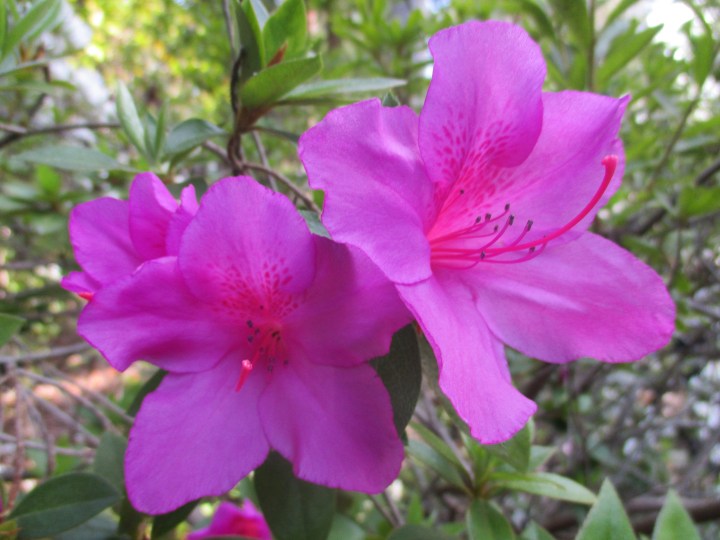

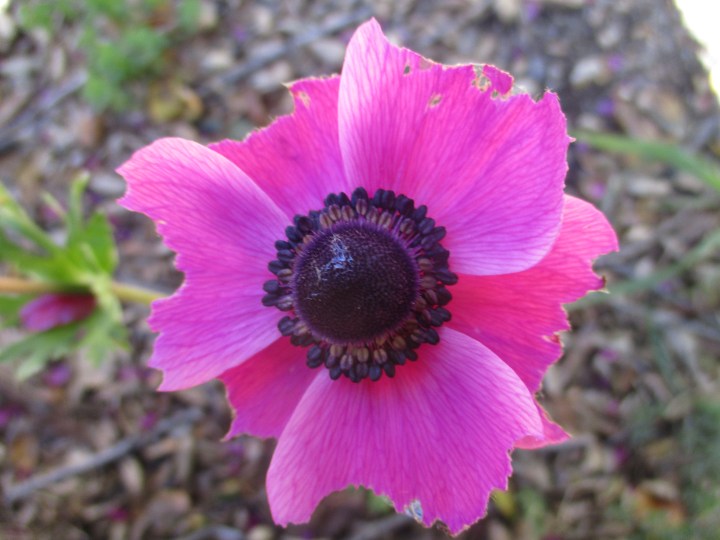 This really is something that I did not expect to see. It may not look like much. It is just a raspy anemone with bites taken out of it, blooming later than it should. What is so impressive about it is that it was not planted here last year. It was planted during the previous year, then bloomed on time last year, and then died back like anemones normally do. I did not plant it, of course. It is in a planter where volunteers contribute whatever they like.
