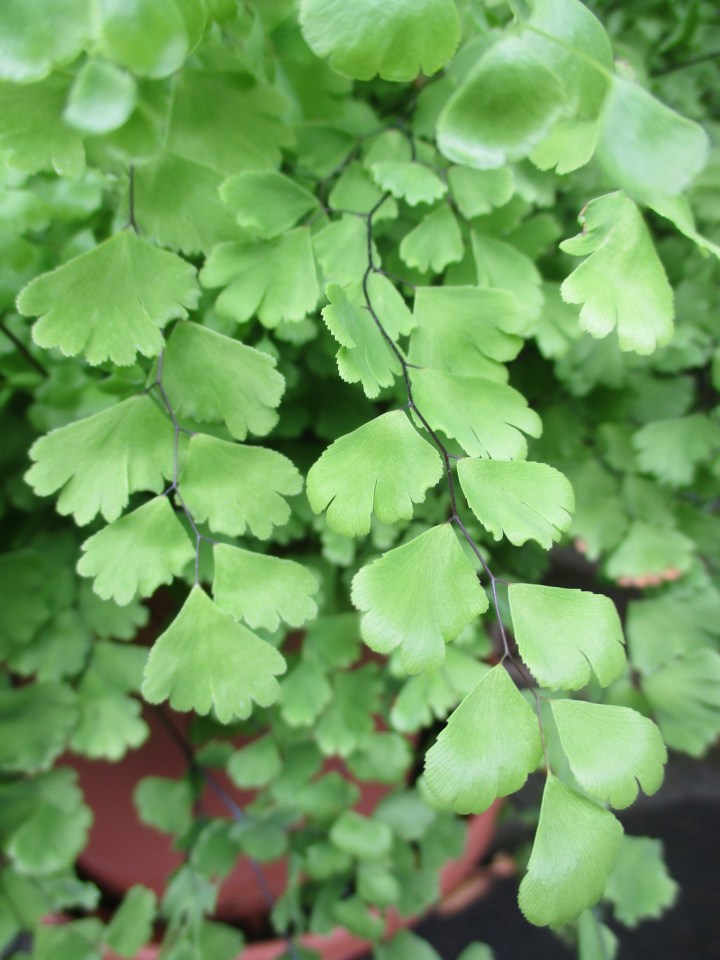
 Some of us might remember Delta maidenhair fern, Adiantum raddianum, as a houseplant that was popular for terrariums in the 1970s and into the 1980s. Although quite happy in terrariums, it eventually gets big enough to crowd other plants in such tight spaces. It prefers to be potted on a porch, or in a regularly watered and sheltered spot in the garden. It tolerates quite a bit of shade.
Regular watering is important to keeping the foliage well hydrated, particularly among potted plants that are unable to disperse their roots into surrounding soil. The stolons bellow the foliage are not so sensitive, so can regenerate new foliage if partly desiccated old foliage needs to be cut back. They want good rich soil or potting media, and appreciate occasional application of fertilizer.
Individual fronds (leaves) have the potential to get as long as a foot, and half as wide, although they are mostly significantly smaller, and might be only half as long. Each frond is intricately divided into many small leaflets that are almost triangular, except that their out edges are curved and scalloped. Foliage is lighter green than that of most other ferns. Rachi (leafstalks) are black and thin.
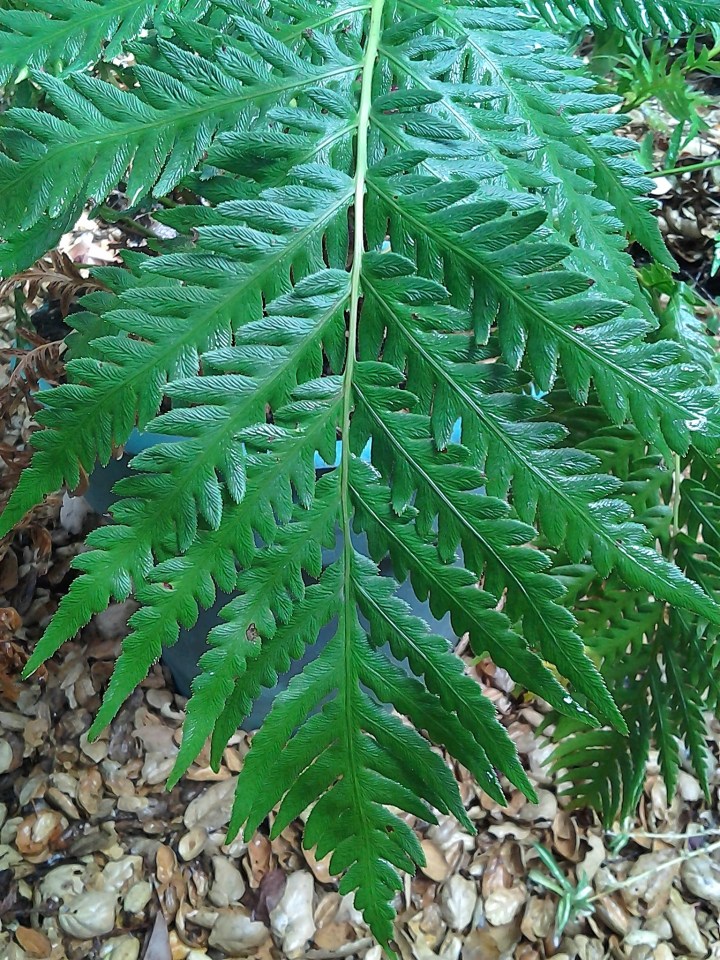 Many of the most popular plants are expected to bloom to add color and fragrance to the garden. Many others are grown to produce fruit or vegetables. Some are appreciated for their foliar color in autumn. Big trees are grown for shade. Turf grasses are grown as lawn. Evergreen shrubbery makes hedges. It seems that all plants perform particular tasks in the gardens which they inhabit.
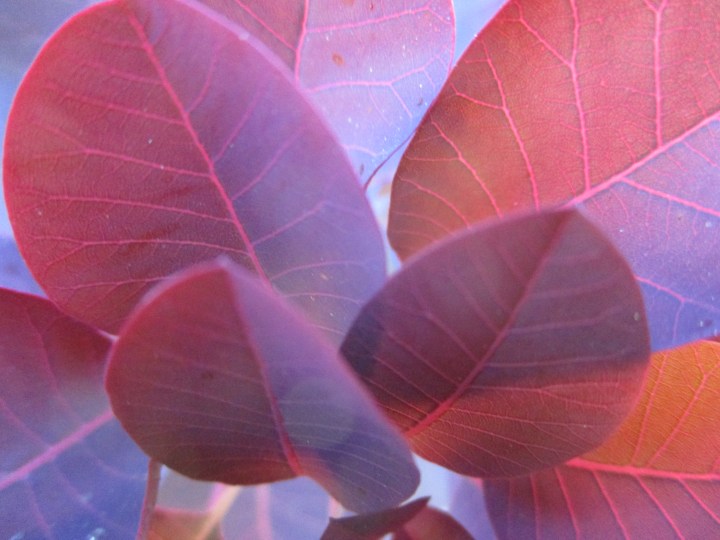 Autumn foliar color is not the concern yet. It develops later as deciduous plants defoliate for winter. Purplish, reddish, yellowish, bluish or gray foliar color that can be seen now is provided by plants that are colorful while actively growing. Almost all of this sort of foliage is most colorful when it is young and fresh, early in spring. Then, through summer, some of the best foliar color fades.
 Unlike the common bird of Paradise that is grown for striking bright orange flowers, the giant bird of Paradise, Strelitzia nicolai, is grown for strikingly lush foliage. The big rich green leaves get nearly six feet long, and flare outward from leaning trunks that can eventually reach upstairs eaves. Foliage is healthiest if sheltered from harsh sunlight (such as hot reflected glare), wind and frost.
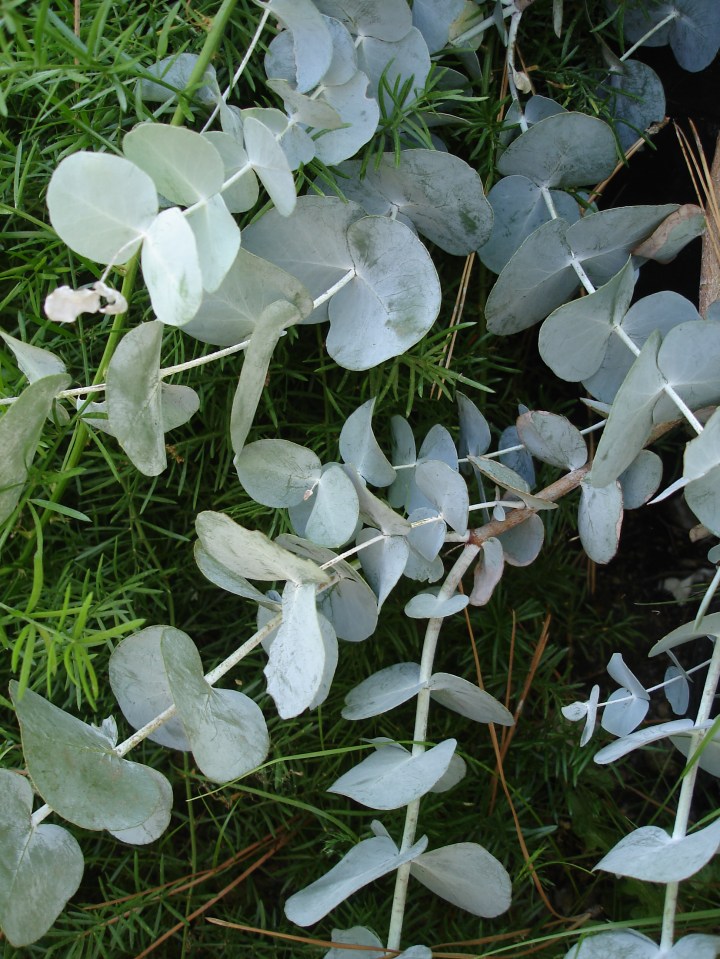 The best and brightest color in the garden is obviously still provided by flowers. Autumn color can be spectacular, but only amongst relatively few deciduous trees, shrubs and vines that turn color reliably in mild climates, and only if the weather is conducive to coloration. The next best option for color beyond green is the sort of colored foliage that does not wait for autumn to materialize.
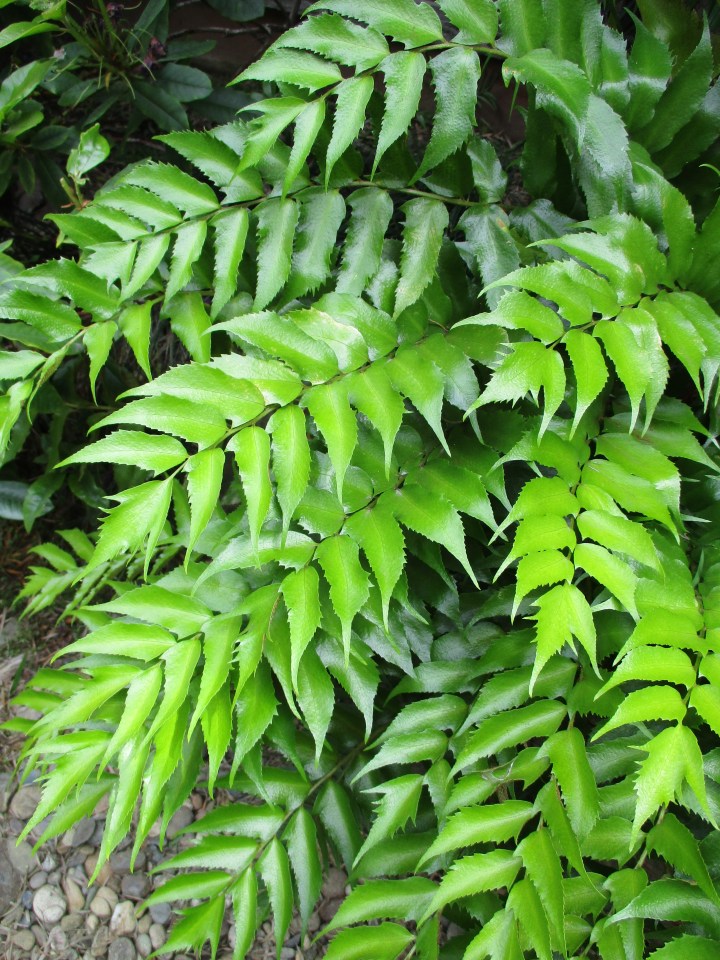 This is one of those perennials that has mixed reviews. Although relatively tough once established, holly fern, Cyrtomium falcatum, is susceptible to rot and fungal leaf-spot. It likes to be watered somewhat regularly, but rots if the soil is constantly saturated. Leaf-spot is not as dangerous as it looks, but can be unsightly. Too much fertilizer (to correct the damage) can burn the foliage too.
 It could be either an asset or a liability. With few exceptions, ferns do not want to be too exposed to direct sunlight or wind, especially during warm and dry weather. However, as long as they get just enough filtered light, they can be quite happy in sheltered spots that are a bit too shady for other plants. Most like to be watered regularly, and perhaps lightly fertilized in spring and summer.
 Agaves are innately tough and undemanding. The main reason that they are not more popular in home gardens is that they are outfitted with nasty foliar spines. The worst of these spines are the distal tips of the large succulent leaves. Most agaves are also armed with shorter recurved spines on the margins of their leaves. Gardening with such well armed perennials can be dangerous.
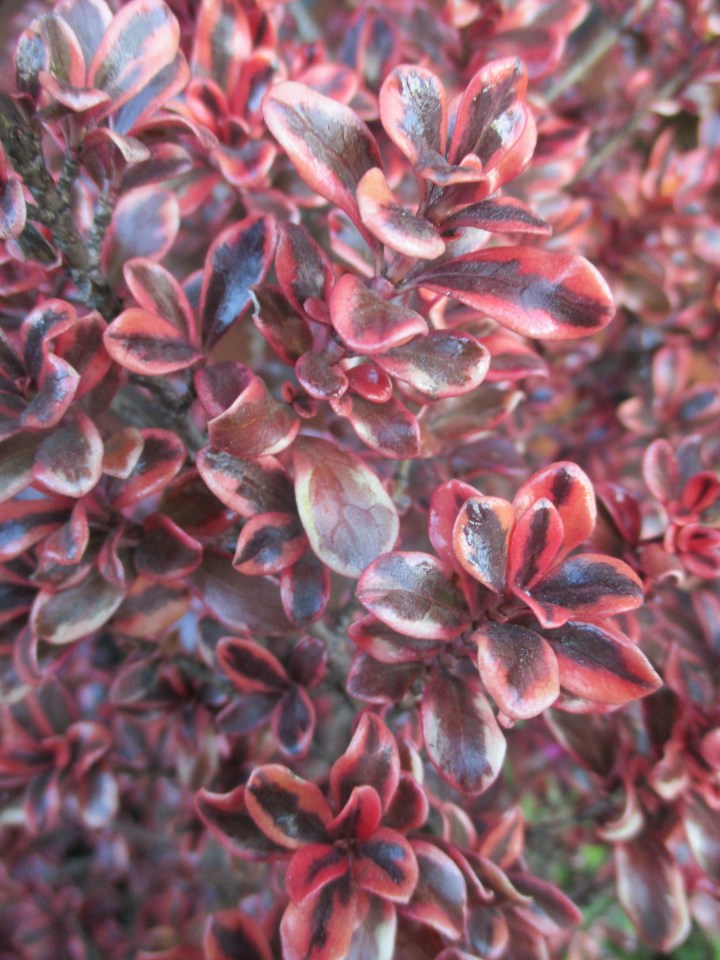 Classic but simple mirror plant, Coprosma X kirkii, was a utilitarian shrubby ground cover for many years before all the colorful modern cultivars that are so popular now were invented. Individual plants can cover quite a bit of ground without getting any deeper than two feet. It is particularly useful in coastal landscapes, because it is so resilient to wind and exposure, as well as sandy soil.
 There is no shortage of color for the garden here in our mild climates. If we want to, we can grow various flowers to bloom at various times throughout the year. If that is not enough, we can grow plenty of colorful foliage too. Evergreen sorts can stay fresh and resilient to minor frost all winter. A few deciduous plants and warm season perennials with colorful foliage will refoliate in spring.
 Tony Tomeo