 Now that leaves are falling, they need to be raked. Large leaves, like those of sycamore and fruitless mulberry, can shade out lawn, shallow ground cover or dense shrubbery. If shade is not a problem right away, mildew can be after only a bit of rain. If abundant enough, finely textured silk tree or jacaranda foliage that typically sifts harmlessly through shrubbery and most ground cover, can accumulate and damage lawn, dichondra and the densest of ground cover. Walnut foliage has an herbicidal effect on sensitive annuals and some perennials.
Foliage is only beginning to fall. Cooling weather causes deciduous trees to shed more. Rain and wind bring the foliage down even faster. Even evergreen trees that naturally shed throughout the year will likely shed more through the upcoming wintry weather. Some trees start to defoliate early in autumn. Some hold their foliage until frost. Some trees that seem to be evergreen hold their foliage through winter, and then only drop their older foliage as it gets replaced by new foliage as winter ends.
Pavement and decks should be raked of leaves, not only to avoid staining, but also because rotting leaves can become dangerously slippery. Curbside gutters are too visible to get neglected for too long. However, heavy rain can quickly deliver to the cleanest of gutters a mess of fallen leaves as well as any other debris and litter that happens to be up the road. Strong wind can be filtered through hedges, leaving drifts of blowing leaves.
Leaves should also be cleared from roof gutters and downspouts, and may need to be cleared away again later in the season. More debris may need to be removed from awkward spots where it might accumulate, such as behind chimneys. Flat roofs may need to be raked.
There are a few exceptions to the need to rake fallen leaves. Where they get absorbed into coarse ground cover like Algerian ivy, falling leaves are generally not a problem. Pine needles and cypress foliage can be left if it happens to be useful for the natural suppression of weeds. Mature coast live oaks and valley oaks that are accustomed to a layer of their own fallen leaves over the surface of the soil actually want it to stay. For them, the foliar debris is a mulch that adds organic matter, insulates the soil, and retains moisture.
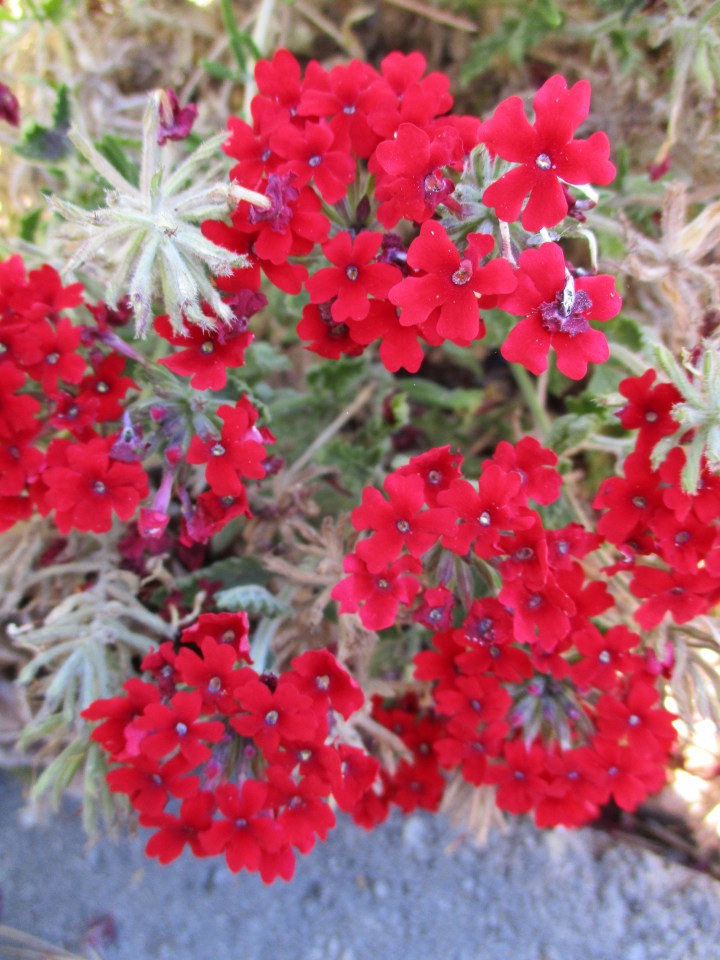 It is fair to say that garden verbena, Verbena X hybrida, is a reliable warm season annual. It gets planted in spring to spread out and bloom through summer with bright pink, red, purple or almost blue, or softer pastel pink or pale white. It is commonly replaced with cool season annuals by late autumn. However, garden verbena is actually a short term perennial that can survive winter to bloom for a few years.
 There is some debate about the origin of the common name of Confederate jasmine. Some attribute it to its popularity in the former Confederate States of America. Others believe it originated in the Malay Confederacy, much closer to its native range. That is irrelevant here, where we know this popular vine with very fragrant flowers simply as star jasmine, Trachelospermum jasminoides.
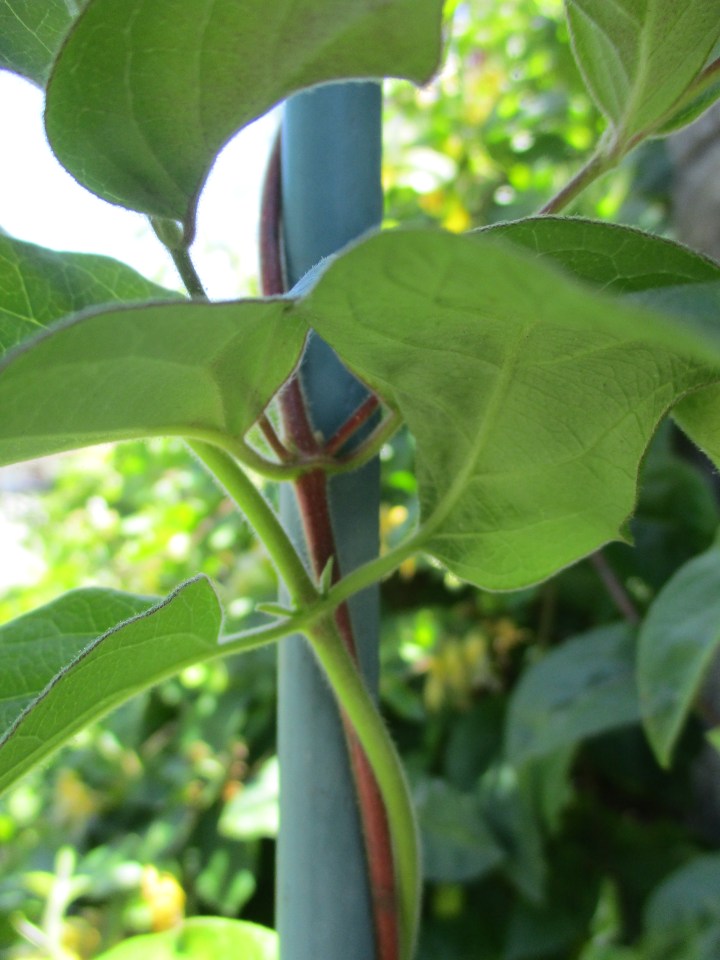 Vines in the wild are downright exploitative. They do not support their own weight, so instead climb or sprawl over shrubbery and trees. Some are satisfied staying down below the canopy of the hosts who support them, as if aware that a healthy host will support them for a good long time. Many vines climb aggressively to the top and overwhelm their hosts, even if it eventually kills them.
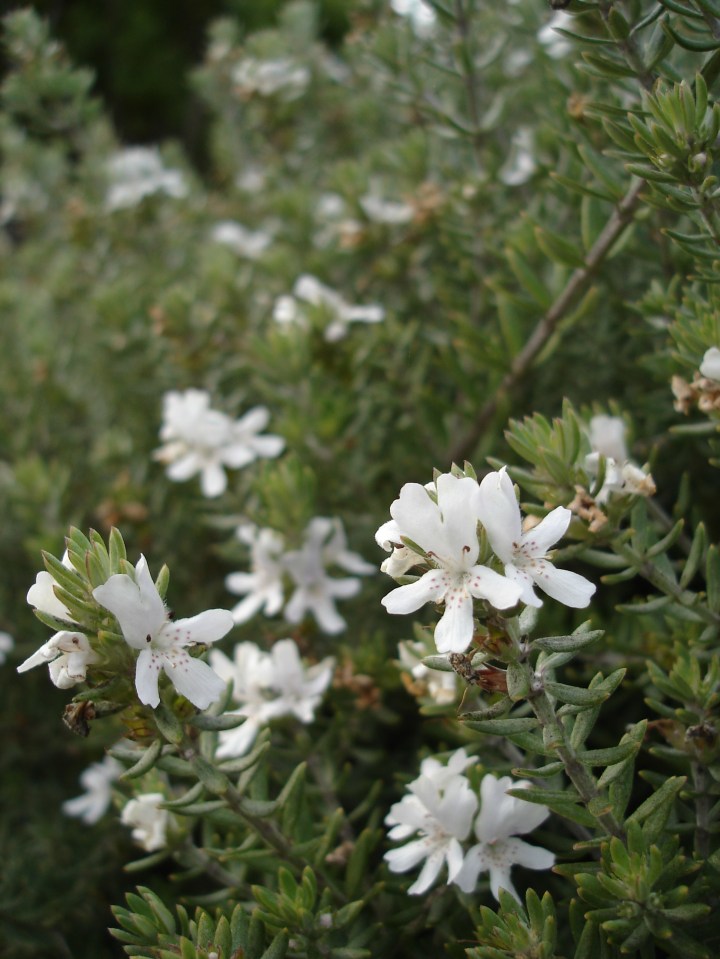 Just like real rosemary, the coast rosemary can either be a low ground cover or a dense shrub. Lower cultivars can get nearly five feet wide without getting much more than a foot high. Shrubby types can get nearly six feet tall without getting much wider. Shrubby types are more popular than ground cover types, and are often pruned so that they do not get too broad.
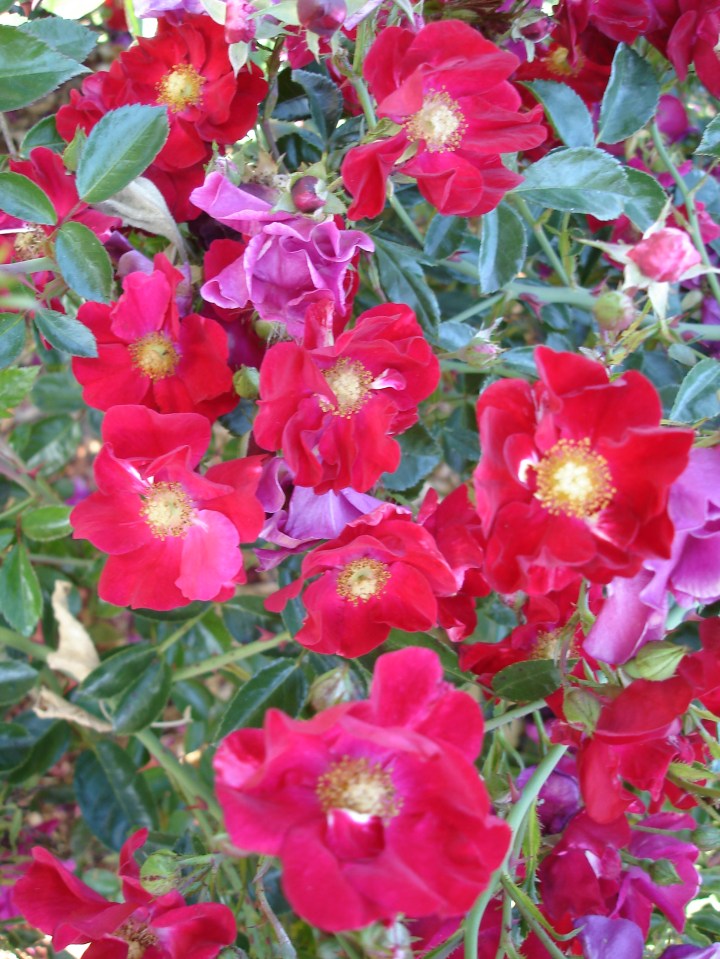 They compare to more traditional roses like instant coffee compares to real coffee. They are too easy and cheesy. However, even instant coffee can be rather good as long it is not expected to taste like the real thing. Likewise, carpet roses do not produce big and fancy flowers on long stems for cutting, but they have other attributes that are advantageous in the landscape.
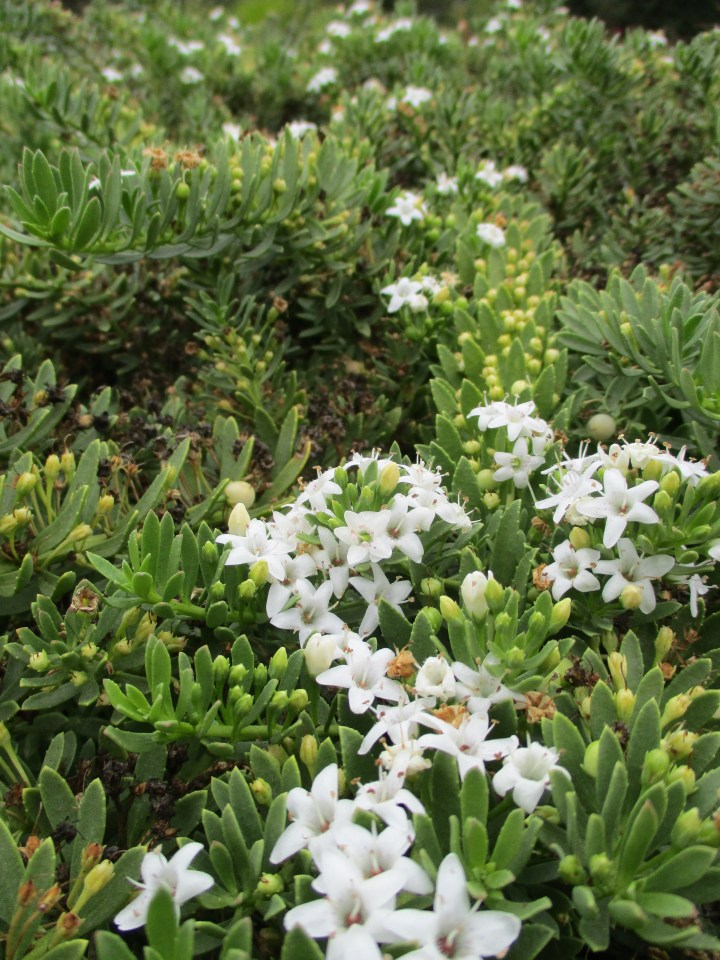 The familiar sandalwood, Myoporum laetum, that is such a resilient small tree or big shrub in windy coastal climates, might make the wrong impression for the less familiar creeping myoporum, Myoporum parvifolium. Creeping myporum does not get much more than a foot high unless it climbs over stones or other obstacles, and it might stay less than six inches deep in exposed spots.
 If shade trees are the ceilings, and hedges and shrubbery are the walls, then turf and other groundcover plants are the floors of some of our outdoor living spaces. Except for turf grasses, most groundcovers are not as useful as hardscapes like pavement and decking, but they perform other functions in areas that do not get such use. Groundcovers inhibit weeds, erosion, dust and mud.
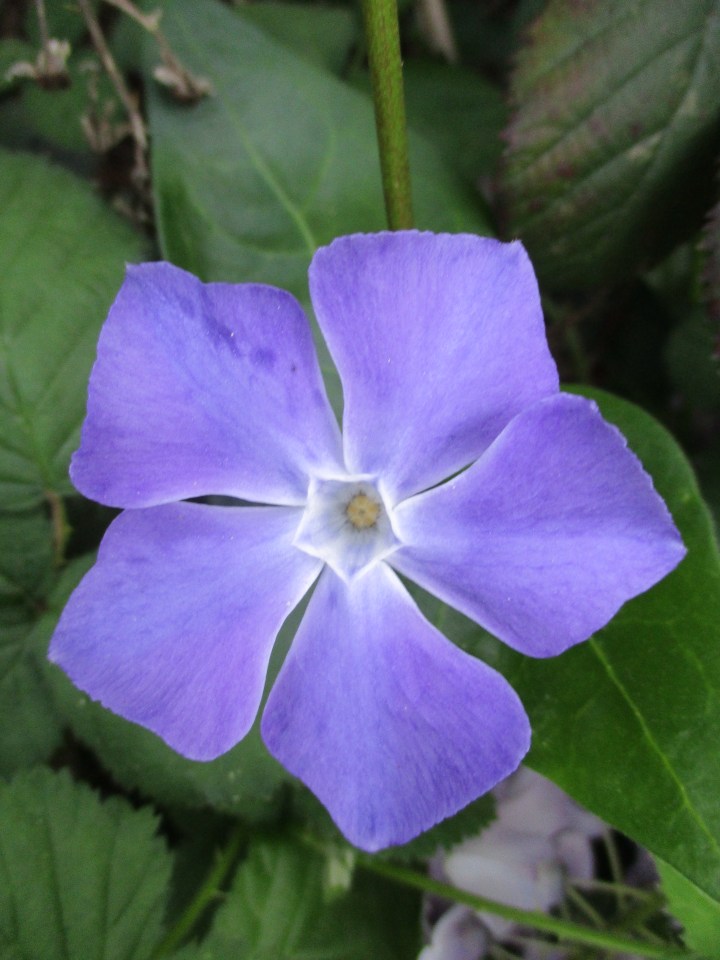 Like so many of the easiest to grow plants, periwinkle, Vinca major, is too easy to grow. It has become an invasive exotic (nonnative) weed in many moist riparian environments. It can get rather weedy in home gardens as well. This can be an advantage if it happens to fill in for bald spots in areas of other ground cover. It is a disadvantage if it overwhelms or competes with other plants.
 Lawns composed of turf grasses are the most functional, but also the most demanding forms of groundcover. That is old news. There are so many other less demanding low growing plants that that can cover the ground in areas that are not used like lawns are. Sometimes they work nicely just to control weeds. Sometimes they help to control erosion on otherwise unlandscaped hillsides.
 Tony Tomeo