 Halston was quite the rage when I was a little tyke.
I did not know exactly what that meant.
I can remember elegant ladies wearing Halston pill box hats. From the back seat of the new 1967 Chevelle, I could admire my Mother’s, while my younger brother on the other side of the car got tangled in our flower child Aunt’s abundant and long hair blowing in the wind.
Although I had never seen a Halston before, I could determine from hats made from them that they were soft, fuzzy and cylindrical. I knew that apricots, walnuts and oranges grew on trees, so I would sometimes look into unfamiliar trees, including the silk oaks next door, to see if I could see Halstons ripening in them.
My older sister eventually explained that Halston was they guy who made the hats. He was very busy. His hats were very popular. Apparently, he made the hats from coats formerly worn by small rodents known as minks. The minks were not really plumply cylindrical. In fact, they were so small that the coats of several of them were sewn together to make each hat. The thought of so many small rodents scurrying about naked until they got new coats was quite disturbing. It made me ponder the origin of the cuddly stole that Redd Foxx gave to Aunt Mary.
I certainly did not believe everything that my sister told me. Heck, she once tried to tell me that the dead bugs in Aunt Mary’s amber jewelry were trapped in tree sap millions of years ago. I know cheap Lego plastic when I see it. However, I do believe that fur obtained from animals lost popularity through the 1970s. The minks must have protested or something. My sister got a stylish coat with a furry collar made of imitation fur. Splendid; so now little kids will be cuddling naked teddy bears!
I have a better idea.
The pelts of all those nasty gophers that ruin lawns and gardens could be recycled into pill box hats . . . or maybe something more appropriate to modern fashion. Perhaps they could be sewn into reusable grocery bags. What an exquisitely stylish expression of environmental awareness that would be! Because gophers get killed when trapped, they could not protest the use of their pelts later.
Using gopher pelts in this manner would:
Protect our lawns, gardens, landscapes and green spaces from environmental annihilation
Recycle by-products of environmental protection
Provide stylish accessories that express our concern for environmental stewardship
Promote the use of materials that are completely organic, natural, non-toxic, biodegradable, sustainable and very renewable
Help save the Planet!
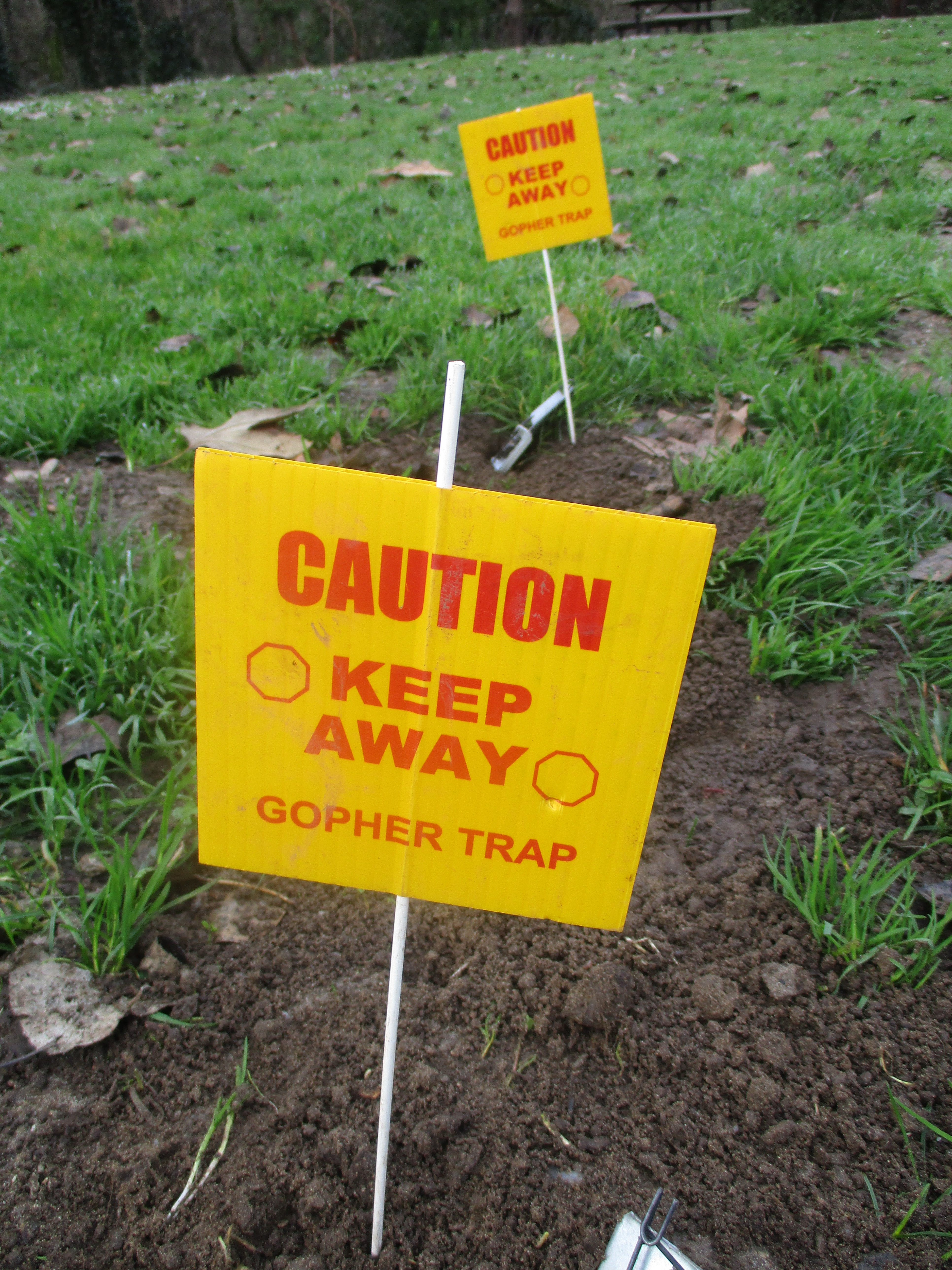
We only need to learn to be more efficient with trapping. What is the point of setting traps if gophers are warned to ‘KEEP AWAY’?


 The lawn around the three small but gnarly oaks that were featured this morning in ‘
 A new lawn is getting installed at work. Yes, installed. It will not be grown like lawns were decades ago. It will be unrolled and fastened into place, not like sod, but more like carpet. It will be synthetic artificial turf. After considerable deliberation, it was determined to be the most practical option for the particular application. The real turf that was there before succumbed to excessive traffic above and very sandy soil below.
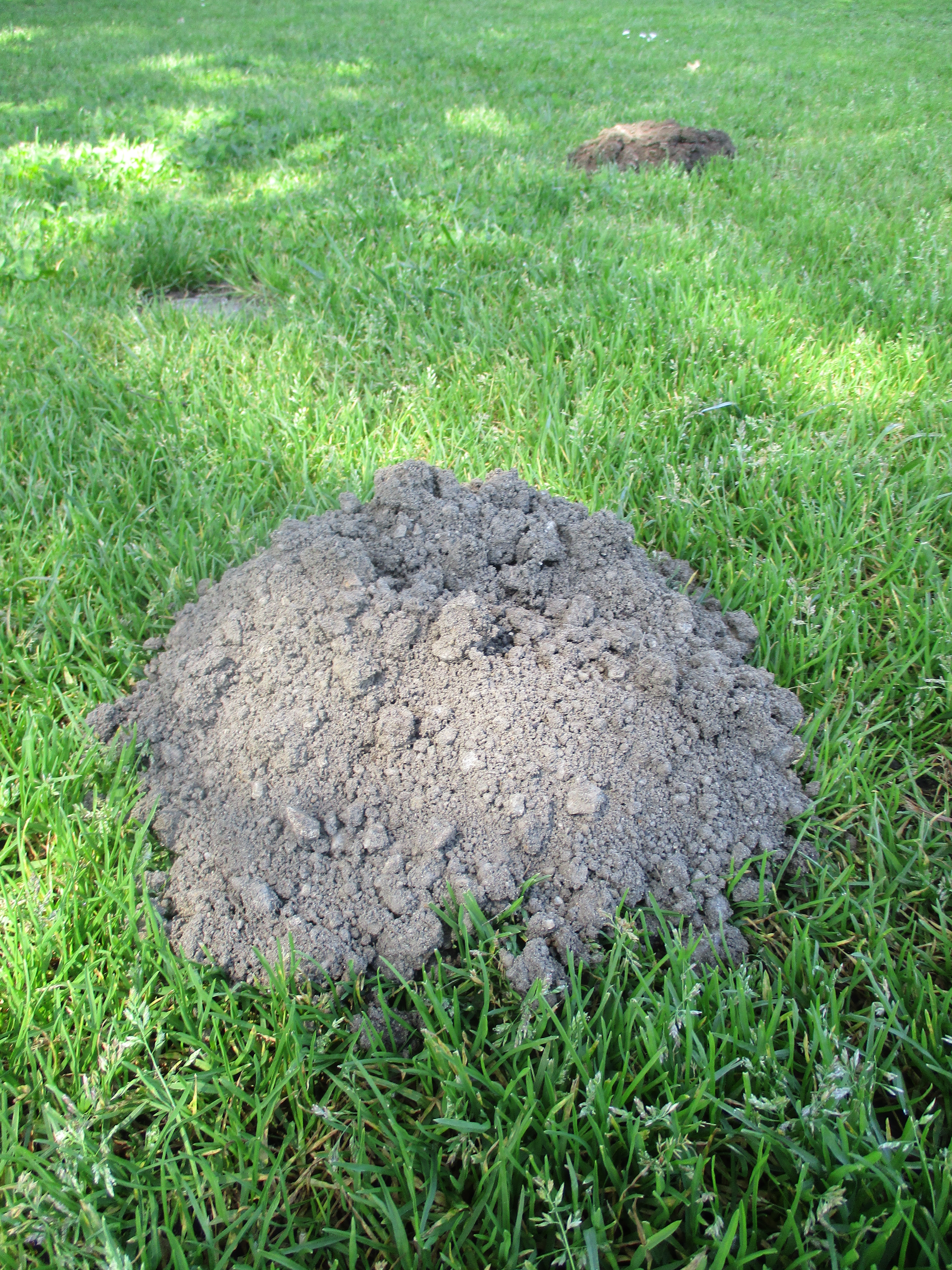 Who do they think they are?! This ain’t ‘Caddy Shack’! They have such attitude! Gophers move into our gardens and lawns, take what they want, and build their messy volcanoes of loose soil. They do not care how much work we put into our gardens, or how much we spend on nice plants, or how much we crave our first zucchini of the year. They are safe in their subterranean tunnels.
 Halston, with the help of several friends, could make a nice pill box hat. That is the origin of the name; from pill box hate fame. This might help clarify,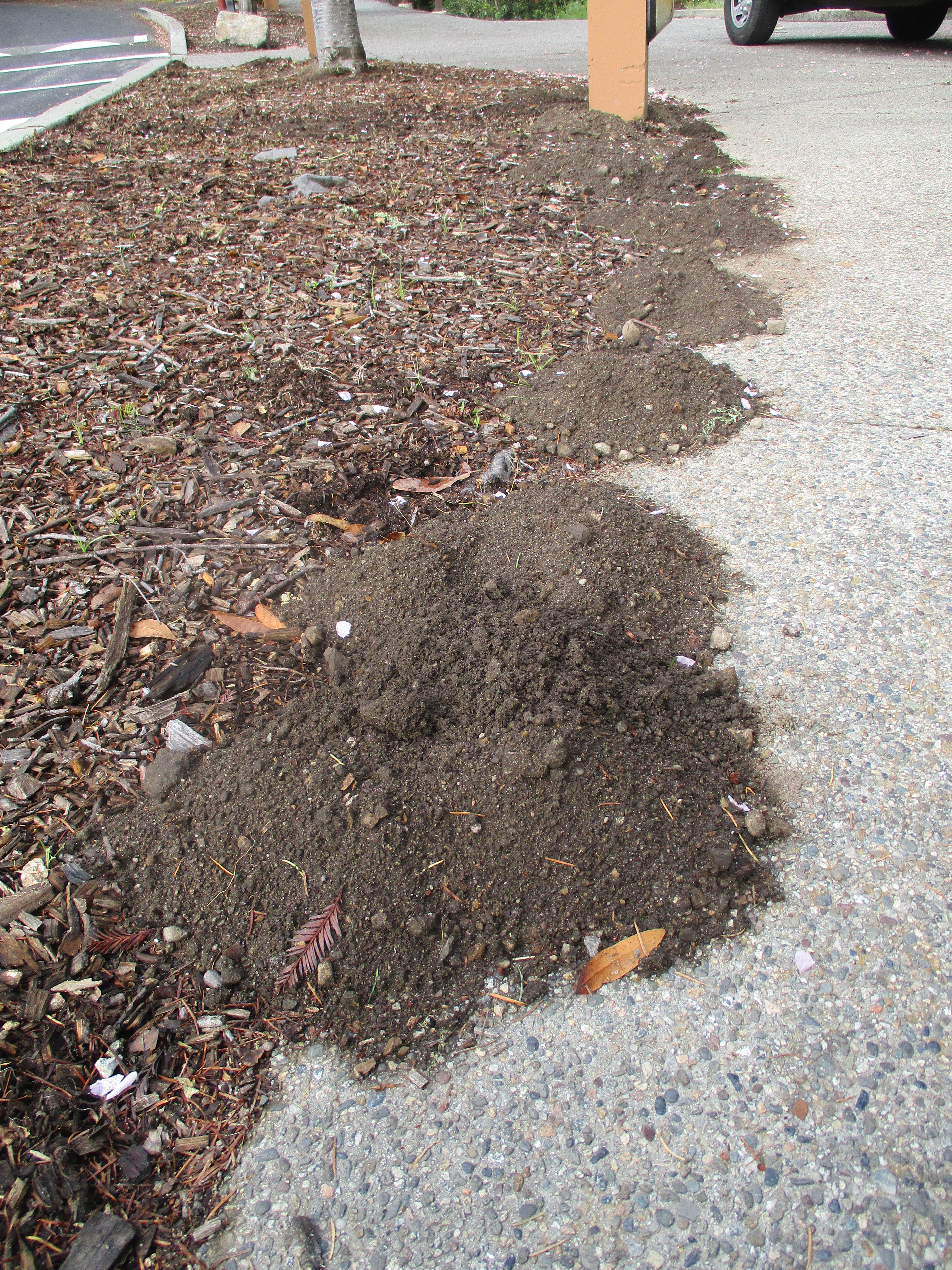

 Turf grasses are the ultimate in groundcover. They are very durable, and useful for covering large areas in a very user friendly manner. The toughest varieties are used for athletic fields because they withstand the wear and tear. In home gardens, all sorts of varieties are grown as lawns. Like other groundcovers, lawns limit erosion, and are cleaner than bare summer dust and winter mud.


 Tony Tomeo